Effective Techniques for Training Cats at Home
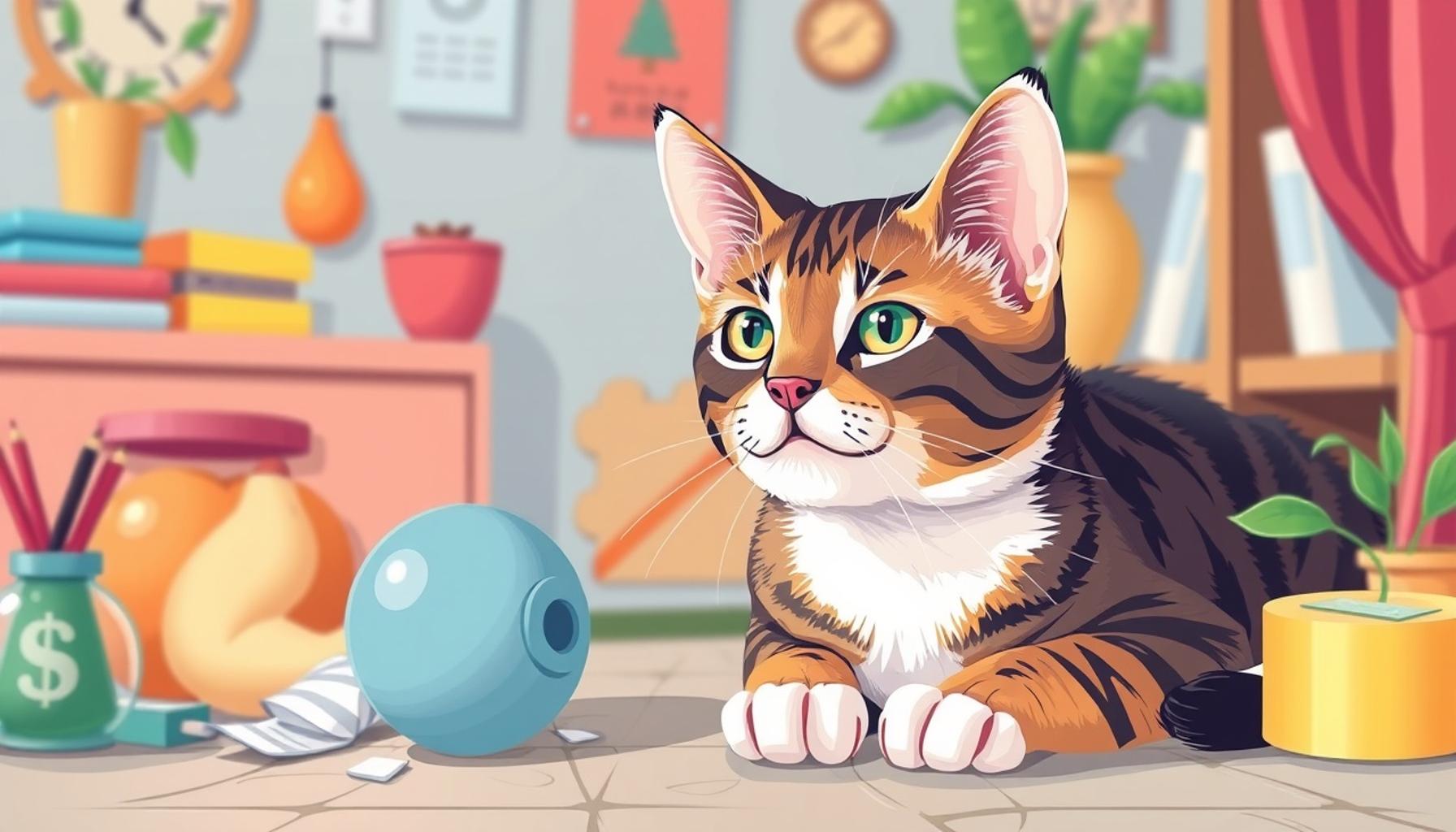
Unlocking the Secrets of Cat Training
Training cats at home can seem intimidating to even the most seasoned pet owner, but it is both achievable and incredibly rewarding. By embracing effective techniques, you can vastly improve communication and strengthen the bond you share with your feline companion. This journey not only enriches your cat’s life but also enhances your own experience of caretaking. Below are several compelling reasons why investing time in cat training is undeniably worth the effort:
- Improved Behavior: Engaging in training can dramatically reduce unwanted behaviors such as scratching furniture, knocking things off shelves, and excessive meowing. For example, teaching your cat to use a scratching post instead of the couch can protect your furniture and give your cat a healthy outlet for their natural instincts.
- Stronger Bonds: Implementing training sessions provides invaluable opportunities for interaction, which fosters trust and enhances the emotional bond between you and your cat. Spending this time together helps to build a mutual understanding, further enriching your life with your pet.
- Safety: Teaching specific commands, such as “come” or “stay,” can safeguard your cat from potential dangers. This is particularly crucial in situations like emergency evacuations, where prompt responses can make all the difference in keeping your pet out of harm’s way.
To train your cat successfully, understanding cat psychology is vital. Cats are known for their independent nature, which is why traditional dog training methods often fall flat. It’s essential to adopt techniques that cater to their unique learning styles. Here are essential elements to keep in mind when initiating your training endeavors:
- Positive Reinforcement: Rewarding desired behaviors—whether it’s with treats, praise, or play—encourages your cat to repeat those actions. For instance, if your cat uses the litter box consistently, shower them with affection or a favorite treat to reinforce this good behavior.
- Short Sessions: Cats have shorter attention spans compared to dogs, so limiting training sessions to about 5 to 10 minutes ensures that your cat remains engaged and interested. This brevity keeps training fun and pressure-free.
- Consistency: Establishing a reliable routine helps your cat understand what is expected of them. Using the same commands and rewards will solidify their learning and contribute to a more predictable training experience.
With these foundational principles in mind, you’re ready to embark on an exciting journey that not only enhances your cat’s life but also your relationship with them. Explore various training techniques that resonate with your pet’s personality, and you will witness their progress unfold effortlessly within the comfort of your home. Consider experimenting with clicker training, which has become popular among many cat owners in the United States. For more detailed guidance, resources like books or online videos can provide additional strategies and techniques for effective training. With patience and dedication, your efforts will lead to a well-behaved, content, and confident feline friend.
Understanding Your Cat’s Learning Style
To effectively train your cat at home, it’s essential to recognize that their learning style differs significantly from that of dogs. Cats are naturally curious, intelligent, and independent creatures. These traits inform their approach to behavior and learning. Unlike dogs, they do not inherently seek to please their owners, which means that traditional reward-based methods may not always yield the desired outcome. Instead, focusing on their unique instincts and motivations can help you tailor a training approach that works best.
One of the most effective techniques for training cats involves utilizing environmental enrichment. This method highlights the importance of introducing activities and objects that stimulate a cat’s natural behaviors, making training feel less like an obligation and more like an enjoyable exploration. Here are some techniques to consider:
- Interactive Toys: These toys engage your cat physically and mentally. Toys that require problem-solving or movement can encourage training through play, allowing your cat to associate learning with fun.
- Puzzle Feeders: Using a puzzle feeder during meal times can encourage your cat to use their instincts and keep them entertained. This method can also reinforce positive behaviors as they learn to interact with their food source.
- Clicker Training: This technique involves using a clicker as a sound cue to mark desired behavior, followed by a reward. The click sound becomes a signal that prompts your cat to recognize their good behavior, enhancing the training experience.
Implementing training through an environment enriched in play and problem-solving not only enhances learning but can also alleviate common behavioral issues. A well-stimulated cat is often a more content and well-adjusted one, demonstrating reduced anxiety and frustration. But remember, patience and repetition are key here!
Creating Effective Training Goals
Establishing clear and attainable goals is vital when embarking on your training journey. Start by identifying specific behaviors you wish to modify or reinforce. For instance, if you’d like to reduce instances of your cat jumping onto countertops, consider breaking this goal into a series of manageable steps. This could involve training them to sit on a designated surface instead. Progressing through each step helps consolidate their understanding, making it easier for them to adapt to changes.
Moreover, it’s crucial to keep the training sessions goal-oriented and focused. Consider the following objectives in your training practice:
- Litter Box Training: Start by rewarding your cat when they use the litter box correctly. Consistency in their environment will reinforce this behavior over time.
- Basic Commands: Teach commands like “sit” or “high five” using positive reinforcement. Employing tricks can make the process even more interactive and enjoyable.
- Leash Training: If you want your cat to enjoy outdoor adventures safely, teaching them to walk on a leash can open new doors for enrichment and socialization.
By establishing specific goals and incorporating engaging, enriching methods, you are taking significant steps towards effective training. Your cat will not only learn but will also grow more confident and comfortable within their environment, further enhancing your bond.
| Technique | Description |
|---|---|
| Positive Reinforcement | Utilizing treats or praise to reward desired behaviors. |
| Clicker Training | Employing a clicker to mark and reward correct responses enhances learning. |
| Socialization | Introducing your cat to new environments and people builds confidence. |
| Litter Box Training | Teaching your cat where to eliminate can prevent unwanted accidents. |
Effective techniques for training cats at home not only foster a harmonious relationship between you and your feline friend but also significantly enhance their overall behavior and well-being. Consider the benefit of positive reinforcement, which creates a reward system that encourages your cat to repeat good behaviors. This can be as simple as providing their favorite treat or verbal praise each time they successfully follow your command.Another effective method is clicker training. By consistently using a clicker during training sessions, you can clearly communicate to your cat that they have done something right, making it easier for them to understand what is expected.Don’t overlook the importance of socialization; allowing your cat to explore new experiences can drastically reduce anxiety and help them adapt more readily to changes in their environment. Additionally, a well-trained cat when it comes to litter box habits not only saves you from potential messes but reinforces the notion of designated areas for their needs, solidifying their understanding of your home’s boundaries.Exploring these techniques will empower you in your journey toward a well-behaved and happy cat.
Incorporating Positive Reinforcement
One of the cornerstones of effective cat training is the principle of positive reinforcement. This approach rewards desirable behaviors, encouraging cats to repeat those actions. Unlike punishment-based methods, which can lead to fear and anxiety, positive reinforcement creates a trusting environment, making your feline friend more eager to learn. Here’s how to implement this technique effectively:
- Reward Systems: Utilize treats, praise, or petting as rewards. It’s essential to choose high-value rewards that your cat loves. This could be a special treat they only receive during training or extra cuddles. By doing this, your cat associates training with positive experiences.
- Timing is Key: The timing of your rewards matters greatly. Aim to give a reward immediately after your cat performs the desired behavior. This helps establish the connection between the action and the reward, making it easier for them to understand what you’re reinforcing.
- Gradual Progression: Start with simple commands or tricks and gradually increase the complexity as your cat becomes more proficient. This incremental approach helps build their confidence and reinforces their learning.
Moreover, cats often respond well to short bursts of training sessions. Limiting these to around 5-10 minutes prevents boredom and keeps your cat engaged. Regular, brief sessions throughout the week can solidify learning while keeping the experience fun and dynamic.
Utilizing Natural Instincts
Understanding and leveraging a cat’s natural instincts can significantly enhance training techniques. Cats exhibit behaviors driven by instincts like hunting, climbing, and exploring, which can be harnessed to help with training. Here are some methods that incorporate these innate behaviors:
- Play as Training: Interactive play sessions that mimic hunting can double as both exercise and training. Use feather wands or laser pointers to engage your cat, rewarding them when they exhibit desirable hunting behaviors, like stalking and pouncing.
- Obstacle Courses: Set up a simple obstacle course using furniture, boxes, or tunnels. Encourage your cat to navigate through it, rewarding them for each successful pass. This not only trains them but also provides mental and physical stimulation.
- Exploration and Climbing: Cats love to explore vertical spaces. By providing cat trees or shelves, you can train them to use these areas for specific activities, such as rewarding them with treats when they jump to a designated shelf.
Creating opportunities that align with your cat’s instincts can result in better engagement during training sessions. The connection formed between play and training can transform the learning process into an enjoyable experience, deepening your bond with your feline companion.
Dealing with Behavioral Challenges
Training isn’t just about teaching tricks; it also involves addressing unwanted behaviors. Recognizing the underlying causes of these issues is crucial. For example, if your cat is scratching furniture, it may be due to a lack of appropriate scratching surfaces. Alternatively, excessive meowing might signal boredom or a need for attention. Here are practical strategies to manage typical behavioral challenges:
- Redirect Attention: If your cat is performing an undesired behavior, gently redirect them to an appropriate activity. For instance, if they’re scratching the sofa, guide them to a scratching post while offering praise or a reward.
- Provide Alternatives: Make sure your cat has access to toys or objects that satisfy their instinctive needs. If they enjoy climbing, ensure there’s a high perch available; if they love to hunt, incorporate toys that simulate prey.
- Consistency is Essential: Be consistent with your reactions to behaviors, both positive and negative. This consistency helps your cat learn what is acceptable quickly. It’s important for all family members to reinforce the same messages to avoid confusion.
By understanding and addressing behavioral challenges proactively, you invest time in nurturing a well-trained, content kitty that thrives in your home environment.
Conclusion
Training your cat at home can be a rewarding experience that enhances not only your pet’s behavior but also the bond you share. By employing positive reinforcement, you create a nurturing environment where your feline can learn without fear, developing trust and confidence. Incorporating her natural instincts into training sessions by engaging in playful interactions mimicking their hunting behaviors transforms necessary lessons into enjoyable activities. This dynamic approach keeps your cat motivated while catering to their innate desires.
Furthermore, addressing behavioral challenges proactively is vital for effective training. Understanding your cat’s needs and motivations allows you to redirect unwanted behaviors constructively. Providing alternatives, alongside maintaining consistency in your training efforts, forms the backbone of a peaceful coexistence with your pet. Through brief and regular training sessions, you reinforce learning while keeping the process fun.
Ultimately, the key to successful cat training lies in patience, consistency, and a genuine understanding of your cat’s unique personality. As you embark on this journey, remember that every small improvement is a step towards a harmonious home. For those eager to delve deeper, consider researching various training resources and connecting with fellow cat owners who share their experiences. Your adventure in training your cat at home not only cultivates a well-behaved pet but also opens the door to mutual respect and companionship that will last for years to come.