How to Create a Comfortable and Stimulating Environment for Your Pet
Creating a Safe Haven for Your Furry Friend
Your home has the potential to be a sanctuary for your pet. A well-designed environment promotes not only comfort but also mental stimulation. By implementing a few key strategies, you can enhance your pet’s quality of life significantly. The following elements are essential for creating a comfortable and engaging space for your beloved companion.
Comfortable Sleeping Areas
Every pet deserves a cozy spot to call their own. Invest in high-quality, soft bedding, and consider adding a few blankets that smell like you. This warmth can help your pet feel secure and relaxed. Moreover, placing the bed in a quiet area where your pet can retreat will create a sense of safety and solitude. According to veterinarians, dogs and cats often seek out their sleeping areas to recharge, so ensuring this area is clean, calm, and free from disturbances is crucial for their overall well-being.
Safe Play Zones
Designating a play area is vital for physical exercise and mental engagement. This space should be free from hazards such as sharp objects, toxic plants, or small items they could swallow. Adding carpet or soft mats can reduce the risk of injury during play. For outdoor spaces, consider a fenced-in yard where dogs can safely run and explore. Toys like frisbees or balls encourage both fun and activity. For indoor play zones, look into climbing structures or tunnels for cats, or interactive fetch toys for dogs to stimulate their senses and keep them active.
Interactive Toys
Keeping your pet mentally stimulated is just as important as physical exercise. Interactive toys and puzzles that require your pet to think critically can keep them engaged for hours. For example, treat-dispensing toys can challenge dogs and cats alike, rewarding them for their cleverness and keeping boredom at bay. Additionally, consider rotating toys regularly to maintain novelty and engagement. Veterinary studies have shown that animals with access to stimulating toys have lower levels of anxiety and destructive behaviors.
Establishing a Routine
Pets thrive on routine and predictability. Establishing a consistent schedule for feeding, playtime, and rest will not only alleviate anxiety but also enhance their sense of stability. A regular routine helps your pet know what to expect throughout the day, which significantly reduces stress. For instance, feeding your dog at the same time daily and incorporating play sessions afterwards creates predictable patterns they can rely on.
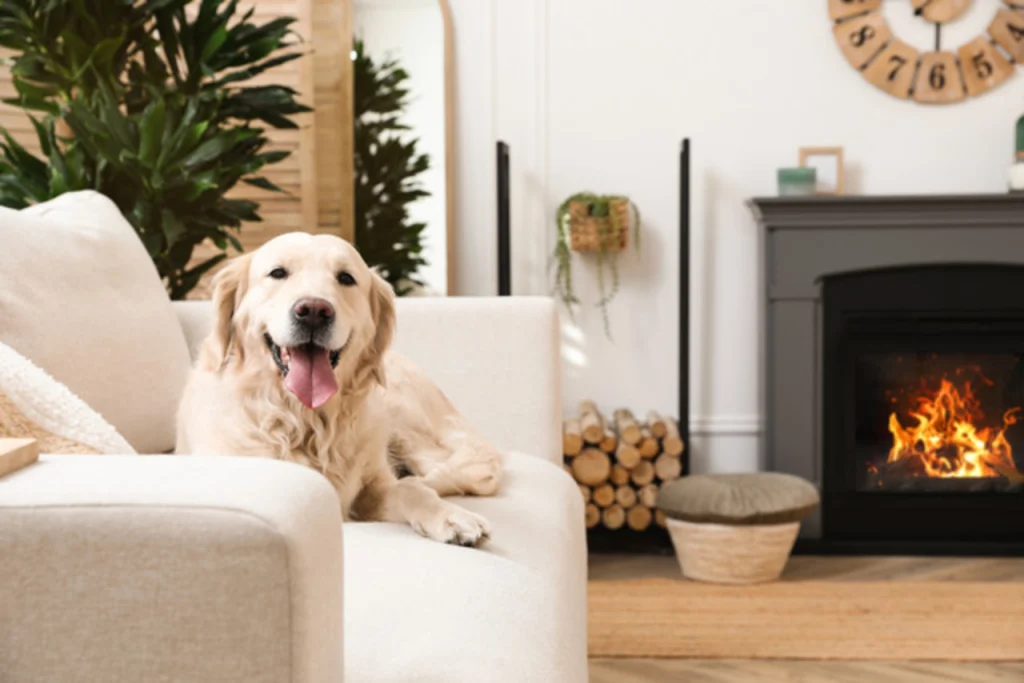
It’s exciting to think about how a few changes could turn your living space into an energizing retreat for your pet. Beyond just creating a comfortable environment, these strategic modifications offer a holistic approach to ensuring your furry friend lives their happiest and healthiest life. Explore further into options like pet-friendly furniture, aromatherapy, and even training sessions to optimize their space further and enrich their experience at home.
Enhancing Your Pet’s Environment with Sensory Engagement
Creating a comfortable and stimulating environment for your pet goes beyond just providing a cozy bed and plenty of food. To truly enrich their lives, it’s essential to consider how to engage their senses and promote a healthy and happy lifestyle. Taking into account their sensory needs can make a significant difference in their overall well-being.
Visual Stimulation
Pets, especially dogs and cats, are highly responsive to their visual surroundings. Thoughtful design choices can enhance their experience at home. For example, incorporating glass or transparent barriers allows pets to observe the outdoors without venturing out. This can spark their curiosity and provide hours of entertainment. You can also enhance visual engagement through:
- Colorful Décor: Use bright and contrasting colors in your home to catch your pet’s eye.
- Window Perches: Cats, in particular, love to watch birds and squirrels. Providing a perch by a window can keep them mentally stimulated.
- Interactive Décor: Consider items like moving wall art or other decorations that shift or change, urging pets to investigate.
Aromatic Enrichment
The sense of smell is crucial for pets. Dogs, for instance, have an incredibly acute sense of smell, estimated to be around 10,000 to 100,000 times more sensitive than that of humans. To harness this, you should consider:
- Aromatherapy: Pet-safe essential oils, like lavender or chamomile, can help create a calming space.
- Feeding with Scent: Offering meals that are aromatic can stimulate your pet’s appetite. Ensure your recipes are pet-friendly.
- Homemade Scent Trails: For dogs, create scent trails using treats or toys to encourage their hunting instincts.
Sound and Music Considerations
Like humans, pets can be sensitive to sound. Harsh noises may lead to anxiety, while calming sounds can soothe them. Introducing relaxing music can create a tranquil atmosphere within your home. Studies suggest that classical music can have a calming effect on dogs, reducing their stress levels and promoting a sense of peace. Consider creating a playlist or utilizing pet-specific music platforms designed to engage your pet’s ears.
By integrating these sensory elements into your home, you not only foster an environment of comfort but also one that stimulates and engages your pet’s natural instincts. As you transform your living space, remember that each pet is unique; observing their reactions will guide you in creating the perfect sanctuary. Always be open to exploring more creative ways to enhance their everyday experience, ensuring they enjoy a life that is both fulfilling and joyous.
| Category | Description |
|---|---|
| Comfortable Space | Creating a cozy area with soft bedding, blankets, and toys that reflect your pet’s preferences. |
| Mental Stimulation | Incorporating interactive toys and puzzles that challenge and engage your pet. |
| Safe Environment | Ensuring that the living space is free of hazards, with secure areas for pet play. |
| Routine and Structure | Establishing a consistent schedule for feeding, walks, and playtime to foster a sense of security. |
In creating a comfortable and stimulating environment for your pet, it’s crucial to consider their unique needs and preferences. A comfortable space with appropriate bedding and their favorite toys can greatly enhance their sense of security. Similarly, integrating mental stimulation through interactive toys or puzzles helps prevent boredom and encourages cognitive development.Moreover, a safe environment is non-negotiable; this means eliminating potential hazards and creating secure areas for play. Finally, having a routine not only sets a rhythm for your pet’s day but also instills confidence and stability in their lives. By blending comfort with mental engagement, you foster a nurturing setting that promotes well-being and joyful interaction. For more tips and tricks on tailoring your environment to suit your pet’s needs, keep exploring!
Physical Environment and Space Management
In addition to sensory enrichment, it is vital to focus on the physical layout of your home to create a comfortable and stimulating environment for your pet. A well-structured space not only provides safety but also enriches their lifestyle by encouraging exploration, play, and relaxation.
Creating Safe Zones
Every pet needs a safe and cozy place where they can retreat when they feel overwhelmed or tired. This sanctuary can be a designated area in your home that is free from noise and foot traffic. Here are a few tips on setting up safe zones:
- Cozy Bedding: Invest in soft, comfortable bedding that suits your pet’s size and breed. Fleece blankets and pillows can make the spot even more inviting.
- Secure Accessibility: Place the safe zone in a low-traffic area with easy access, allowing pets to come and go freely. Ensure that the space is away from loud appliances or disturbances.
- Privacy Options: Consider using curtains or screens that allow your pet to feel enclosed and secure without feeling trapped.
Play Areas and Activity Zones
Every pet thrives when they have access to a play area designed for activity and movement. Depending on your pet’s specific needs, you can incorporate various elements into their play zone:
- Open Space for Exploration: Ensure they have ample room to move around, chase toys, or simply lie down comfortably. For larger breeds, clear pathways and space for running and exploring should be a priority.
- Interactive Toys: Include puzzle toys, chew toys, and engaging interactive devices that stimulate their minds and offer physical activity.
- Climbing Structures: For cats and small dogs, consider adding climbing shelves, cat trees, or ramps that allow them to engage in natural climbing behavior while working their muscles.
Safety Features
A safe space is a stimulating space. Your home should be free from hazards that could harm your pet. Focus on the following safety features to promote peace of mind:
- Pet-Proofing: Secure loose wires, remove toxic plants, and use child-proof locks on cabinets containing dangerous items. Consider using gates to restrict access to unsafe areas.
- Non-Slip Surfaces: If your pet requires balance while moving, particularly seniors or those with mobility issues, add non-slip rugs to prevent falls in slippery areas.
- Natural Light and Fresh Air: Whenever possible, allow natural light in through windows and incorporate well-ventilated spaces. Fresh air can elevate mood and enrich the environment.
Optimizing the physical environment and ensuring a safe space can greatly enhance your pet’s quality of life. An intuitively designed area encourages exploration, play, and a sense of security, all of which significantly contribute to a fulfilling life. Through careful attention to detail and understanding your pet’s unique preferences, you can create a nurturing and stimulating haven that becomes a lively and cherished part of your home.
Conclusion
Creating a comfortable and stimulating environment for your pet is essential for their well-being and happiness. By carefully considering your pet’s needs—ranging from sensory stimulation to physical activity—you can design a home that supports their natural behaviors and fosters a sense of security. Start by identifying the unique preferences and personality traits of your pet, as this knowledge will guide you in crafting spaces that resonate with their instincts.
Integrating features such as safe zones for rest, engaging play areas, and safety measures will not only enrich their lives but also enhance the bond you share. The vast array of interactive toys and climbing structures can transform a mundane environment into an adventurous playground brimming with exploration opportunities. Additionally, pet-proofing your home protects them, allowing both you and your furry companion to relax and enjoy precious moments together.
As you plan and implement these strategies, remember that the journey is as rewarding as the destination. Observe your pet’s reactions, and be open to making adjustments to ensure their happiness. This process not only benefits your pet but can also ignite joy and fulfillment in your own life as you witness their playful and curious nature. In the end, a well-designed living space, rich in comfort and stimulation, creates a winning scenario for both pets and their devoted humans. So invest the time and creativity into shaping a delightful environment, and enjoy the playful chaos and unwavering companionship that follows.