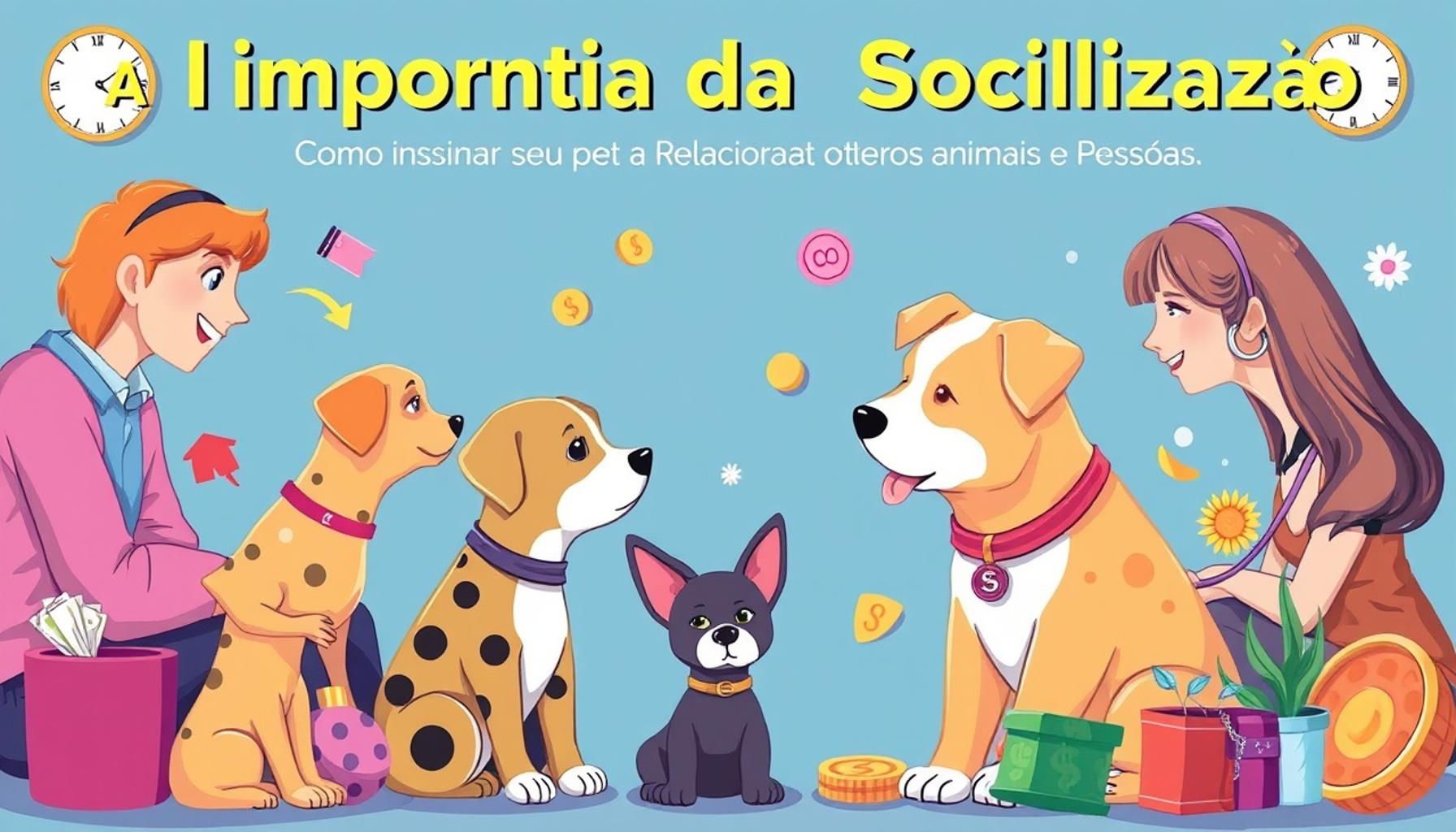
The Importance of Socialization: How to Teach Your Pet to Interact with Other Animals and People
The Role of Socialization in Pet Development
Socialization plays an essential role in shaping the behavior of pets, directly impacting their ability to interact with both people and other animals. This early exposure to various stimuli helps to ensure that they develop into well-adjusted members of society. Without adequate socialization experiences, pets may exhibit signs of anxiety or even aggression when faced with unfamiliar situations, leading to significant challenges in their behavior and interactions.
Why is Socialization Important?
Effective socialization comes with a myriad of benefits, each contributing to a healthier and happier life for your pet. Here are some critical aspects:
- Reduces Anxiety: Well-socialized pets are often less stressed and more relaxed when encountering new environments, whether it’s a busy park filled with other dogs or a bustling household with children. Regular exposure to different scenarios helps them learn that new situations are typically safe.
- Enhances Behavior: Socialized pets are generally more adaptable and exhibit better behaviors in social contexts. For example, a dog that has met different dogs during puppyhood is less likely to bark excessively or show signs of fear when encountering a larger dog later in life.
- Builds Confidence: Just like humans, pets gain confidence through their experiences. Pets that engage in diverse activities, such as puppy classes or dog agility training, become accustomed to various environments and scenarios. A confident pet is less likely to react fearfully or aggressively when facing new challenges.
On the contrary, pets lacking proper socialization may face a range of behavioral issues, from mild shyness that makes interactions uncomfortable to severe aggression that could pose risks to themselves and others. Starting the socialization process early is crucial, as puppies and kittens are particularly impressionable. During their formative weeks, they absorb lessons from their experiences, making this the perfect time to encourage positive social interactions.
How to Start Socializing Your Pet
Creating a well-socialized pet takes time and patience, but it is entirely achievable with the right strategies. Here are some effective approaches to ensure your furry friend becomes a social star:
- Controlled Introductions: Begin by gradually introducing your pet to new people and animals. For instance, a visit to a friend’s house with friendly pets can provide a low-stress environment for your pet’s first encounters.
- Positive Reinforcement: Utilize treats and praise to reward your pet for displaying good behavior during introductions. For example, if your dog remains calm in the presence of children, offer a treat to reinforce that positive behavior and encourage repeat actions.
- Consistent Exposure: Frequent outings, whether trips to the dog park or social playdates, will help your pet become accustomed to various environments and interactions. Regular exposure to different stimuli not only solidifies their social skills but also promotes the development of a resilient demeanor.
In this article, we will further explore comprehensive strategies on effective socialization, providing helpful tips for overcoming common challenges. Get ready to learn about fostering a well-rounded and confident companion to share your life with!

Effective Techniques for Socializing Your Pet
Socializing your pet is not merely an optional endeavor; it is an essential part of ensuring their well-being and enhancing your bond. To cultivate a well-adjusted companion, it’s crucial to implement effective techniques during the critical early stages of their life. Understanding the nuances of proper socialization can make all the difference when it comes to integrating your pet into various social settings.
Engaging in Group Settings
One of the most effective methods for socializing your pet is participating in group activities. Puppy classes, obedience school, or training sessions provide a structured environment where pets can interact with both humans and other animals. These settings not only help pets develop essential skills but also allow them to learn appropriate behaviors while supervised by trained professionals.
- Puppy Classes: Enrolling your puppy in dedicated classes can expose them to a variety of other dogs and people in a controlled setting. As they engage in play and structured activities, they learn to read body language and address social cues effectively.
- Playdates: Organizing regular playdates with other dogs can facilitate positive interactions. Consider inviting friends with well-behaved pets over to your home or visiting dog parks with a reputation for a friendly atmosphere. Always monitor your pet to ensure they are comfortable and enjoying the experience.
- Doggy Daycare: Many pet parents find that enrolling their pet in a reputable doggy daycare allows for consistent exposure to other animals. This not only nurtures social skills but also provides a space for pent-up energy to be released through play.
Incorporating Positive Experiences
Another key component of socialization is fostering positive experiences. Using positive reinforcement methods reinforces desirable behaviors and helps alleviate any apprehensions your pet might have. Remember, the goal is not just to expose them to new situations but to ensure those experiences are enriching and enjoyable.
Consider these strategies for creating positive interactions:
- Treats and Praise: When your pet displays calm and appropriate behavior during an encounter, reward them with treats or praise. This reinforcement will help them associate new experiences with positive outcomes.
- Gradual Exposure: If your pet shows signs of fear or anxiety during encounters, take a step back and allow them to acclimate slowly. Gradually increasing the level of exposure to different scenarios will lower their apprehensions over time.
- Controlled Environment: When introducing your pet to larger crowds or unfamiliar situations, ensure these interactions are held in a controlled environment. Outings during off-peak times can provide the perfect backdrop for positive first impressions.
By incorporating these techniques into your pet’s socialization regimen, you will help build their confidence and ease their interactions with the world around them. In our upcoming sections, we will delve deeper into common socialization challenges and how to effectively overcome them, ensuring that your pet becomes the social butterfly they are meant to be.
The Importance of Socialization: How to Teach Your Pet to Interact with Other Animals and People
Socialization is a crucial aspect of pet ownership, as it helps ensure that your pet can effectively interact with both animals and people without fear or aggression. The benefits of socializing your pet extend beyond simply making them more pleasant companions; they encompass various elements that contribute to your pet’s overall well-being. By focusing on socialization, you not only enhance your pet’s life but also improve your own experiences with them.
One of the primary advantages of proper socialization is the reduction of behavioral issues. Pets that have not been adequately exposed to different environments, sounds, and people may develop anxiety or fear-based behaviors, which can manifest as aggression or excessive barking. Early and consistent socialization can help mitigate these risks, leading to a well-adjusted and calm pet.
Furthermore, socialization fosters confidence and adaptability in pets. When animals are regularly exposed to various stimuli, they learn to process new experiences positively. This adaptability is beneficial not only for the pet’s emotional health but also for their safety in unexpected situations. For example, a confident dog is less likely to panic during a thunderstorm or when encountering an unfamiliar person.
Engaging your pet in social scenarios promotes healthy relationships with both humans and other animals. It paves the way for more consistent training opportunities, creating a bond of trust and mutual respect between you and your furry friend. A well-socialized pet is often more receptive to training commands, making it easier for you to instill good behavior traits.
Additionally, socialization aids in the development of basic manners in your pet. When pets interact with others, they learn vital cues and signals that guide their behavior in social contexts, such as how to greet another animal or behave in a public space. These lessons are essential for integrating pets into family and social activities.
Lastly, remember that socialization is a lifelong process. Even older pets can benefit from exposure to new experiences, which will help maintain their mental agility and prevent behavioral problems as they age. Always consider your pet’s individual temperament, and create an enriching environment that prioritizes their social skills and overall happiness.
| Category 1 | Category 2 |
|---|---|
| Reduction of Behavioral Issues | Minimizes anxiety and fear-based aggression |
| Confidence and Adaptability | Prepares pets for new environments and situations |
| Healthy Relationships | Builds trust and promotes effective training |
With this understanding of socialization’s importance, you can now begin implementing strategies to enhance your pet’s interactions with other animals and people, ensuring they grow into well-adjusted companions for a happier, healthier life.
Understanding Your Pet’s Behavior
An essential aspect of effective socialization is understanding your pet’s behavior. Just as we have different personalities, so do animals. Factors such as breed, past experiences, and temperament all play significant roles in how your pet interacts with the world. By observing your pet closely, you can better tailor your socialization techniques to meet their unique needs.
Recognizing Body Language
Pets communicate not only through vocalizations but also through their body language. Being attuned to these signals is critical in ensuring socialization progresses smoothly. For example:
- Relaxed Posture: If your pet appears loose and relaxed, this is a sign that they are comfortable in their environment. Encourage further interaction in this state.
- Tail Position: A wagging tail often represents excitement, while a tucked tail indicates fear or discomfort. Understanding these signals can help you gauge your pet’s feelings during social encounters.
- Facial Expressions: Watch for signs of stress, such as flattened ears or a furrowed brow. Recognizing these indicators allows you to step in promptly and offer comfort.
In a world full of stimuli, being able to interpret these cues will inform your decisions when it comes to socializing your pet. With time and practice, reading your pet’s body language becomes second nature.
Managing Different Situations
Success in socializing your pet often hinges on managing different environments and scenarios. It’s essential to expose them to diverse experiences, from busy urban settings to tranquil nature spots. Here are some effective strategies:
- Varied Outings: Plan outings to various locations, such as parks, streets, and pet-friendly stores. Each setting presents distinct sounds, sights, and scents that contribute to your pet’s adaptability.
- Controlled Introductions: When introducing your pet to new people or other animals, do so gradually. Start by letting them observe from a distance, then slowly close the gap, giving your pet time to acclimate.
- Inviting Guests: When friends visit, ask them to ignore your pet initially. This approach allows your pet to approach at their own pace, reducing the likelihood of overwhelming them with attention.
By managing various situations and locations, you equip your pet with the tools to handle a multitude of environments confidently.
Addressing Behavioral Concerns
While socialization is critical, some pets may exhibit behavioral concerns during interactions. Behavioral issues such as fear, aggression, or excessive excitement can hinder social experiences. It’s paramount to address these challenges through appropriate strategies:
- Seeking Professional Help: If you notice persistent anxiety or aggressive behavior, consulting an animal behaviorist or a professional trainer can provide insight tailored to your pet’s specific needs.
- Consistency in Training: Regular training sessions focusing on basic commands and social cues can reinforce positive behavior. Maintaining consistency in your training efforts helps your pet understand expectations.
- Patience is Key: Socialization can take time, especially for pets with past traumas. Celebrate small victories and remain patient throughout the process.
As you work on these behavioral concerns, building a trusting relationship with your pet through patience and understanding is essential. This, in turn, enriches their capacity for positive interaction with both humans and other animals.
Conclusion: Embracing a Socialized Future for Your Pet
In summary, socialization is a vital component of your pet’s development that extends beyond mere interaction—it’s about creating a well-adjusted companion who thrives in various environments. A well-socialized pet will not only be happier, but will also be less likely to exhibit behavioral issues, enhancing their quality of life and fostering stronger bonds with humans and other animals. Understanding your pet’s behavior and recognizing their body language is essential in this journey; it empowers you to tailor the approach to their individual needs.
Moreover, ensuring that you expose your pet to a wide range of experiences—from bustling parks to calm backyards—will equip them with the skills needed to navigate the complexities of social interactions. Remember that patience and consistency are key; every pet learns at their own pace, and small milestones should be celebrated. Should challenges arise, don’t hesitate to seek professional assistance, as expert guidance can make a significant difference in overcoming obstacles.
Ultimately, committing to socializing your pet not only enriches their life but also enhances your own experience as a pet owner. By fostering positive interactions, you’re not just teaching your pet to socialize; you’re forging a lifelong partnership built on trust and understanding. Embrace the journey of socialization, and watch as your pet blossoms into a confident and happy member of society.