Natural Food vs. Kibble: What is Better for Your Cat?
The Great Diet Discussion
The topic of what to feed our feline companions has sparked intense discussion among cat owners for years. As we become more aware of the nutritional needs of our pets, we face a complex choice between natural food and kibble. Understanding the nuances of both options can guide us toward a diet that best supports our cat’s health and happiness.
Natural food typically emphasizes ingredients that are whole and minimally processed. Often characterized by its lack of artificial preservatives and fillers, natural cat food includes high-quality proteins, such as chicken, turkey, or fish, along with nutritious vegetables or grains. For instance, brands that offer “human-grade” food often draw inspiration from the same diets we consume, promoting flavors and ingredients like salmon mixed with sweet potatoes and peas. Additionally, many natural foods are rich in essential nutrients, such as omega fatty acids that can contribute to a healthy coat and skin.
On the flip side, kibble emerges as a more convenient option for busy pet owners. Packaged in a dry format, it has the advantage of being shelf-stable and generally more economical than its wet or raw counterparts. However, some concerns come with kibble, primarily regarding its ingredients. Many kibble brands may contain fillers and by-products, such as corn or soy, which offer little nutritional value. For example, a popular kibble may list “meat by-products” as the primary protein source, raising questions about its quality and digestibility.
Navigating Your Cat’s Nutritional Needs
When choosing between these diets, there are several critical factors to consider:
- Nutrition: Cats are obligate carnivores, meaning their diet necessitates a significant amount of protein. Evaluating the balance of proteins, fats, and carbohydrates in either option can guide you toward the most suitable choice for your cat’s age, weight, and activity level.
- Digestibility: Each cat’s digestive system is unique. Some cats may thrive on high-protein diets, while others might struggle with certain ingredients. Monitoring your cat’s reactions, such as stool quality or energy levels, can be essential in determining the right food.
- Health Needs: Be mindful of specific health considerations your feline may have, such as obesity, allergies, or chronic problems. Depending on your cat’s health, a tailored diet—either natural or kibble-based—might be more appropriate. Consulting with a veterinarian can provide tailored insights based on your pet’s unique profile.
As you explore the particulars of natural food versus kibble, it’s important to weigh their pros and cons against your cat’s lifestyle and health priorities. Each option has something to offer, and the best choice may well be a combination of both, suited to meet your delightful feline’s needs.
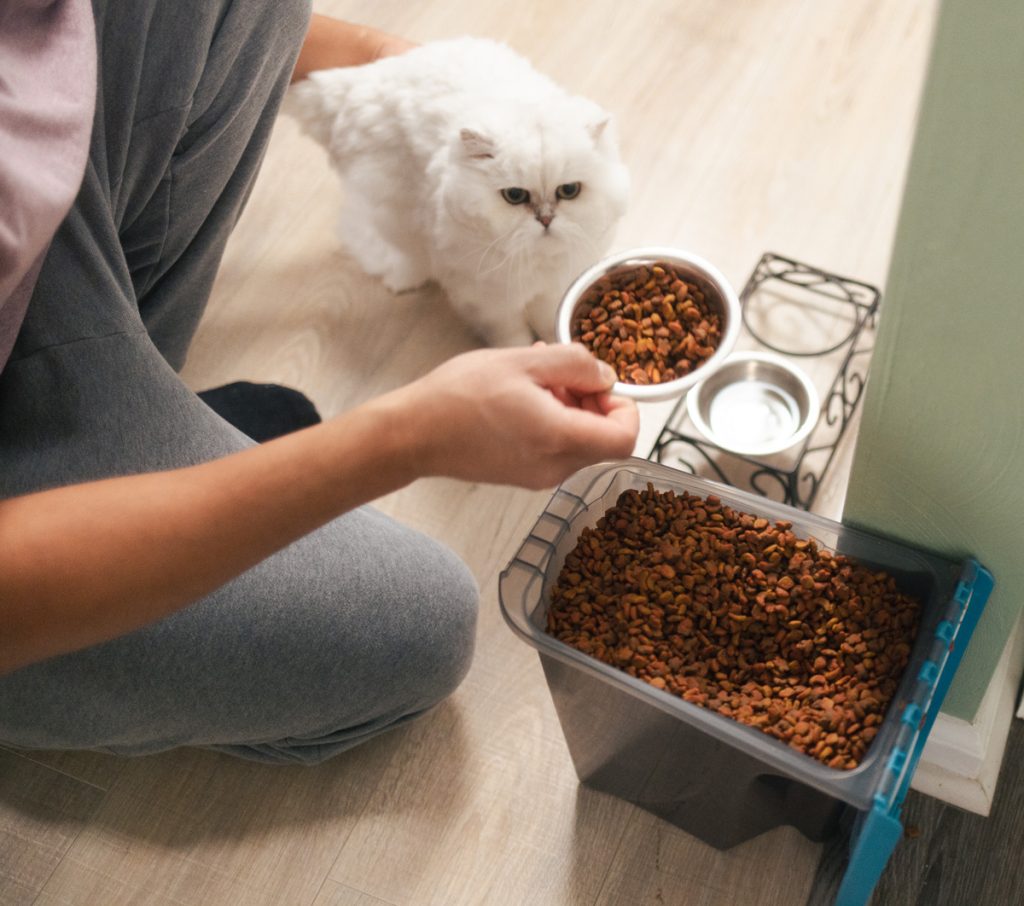
The journey of finding the ideal diet for your cat is an ongoing exploration, combining knowledge and observation. Consider the information available, but always keep your cat’s unique proclivities and health requirements in mind as you venture into this critical aspect of pet ownership.
Understanding Nutritional Foundations
The conversation surrounding natural food versus kibble for cats often revolves around their nutrient profiles and ingredient quality. A clear understanding of these factors can help pet owners make informed decisions regarding their feline’s diet.
One of the primary advantages of natural food lies in its ingredient integrity. Typically made from whole foods, natural cat diets are less likely to include artificial additives, flavors, or preservatives. This can enhance not only the health of your cat but also their overall wellbeing. For instance, natural foods that feature real meats like chicken, fish, or beef as the first ingredient provide the protein necessary for muscle maintenance and energy. Additionally, many natural diets incorporate whole grains or vegetables, offering fiber and essential vitamins that contribute to a balanced diet.
Conversely, kibble presents a convenient solution, especially for pet owners seeking an easy and quick feeding method. The dry format allows for simplified storage and long shelf life, which can be especially advantageous for those with hectic schedules. However, the ingredient composition of kibble is where many cat owners express concern. High-quality kibble may provide sufficient nutrition, but some brands utilize lower-grade ingredients that include fillers like corn or wheat, which can lead to a lack of vital nutrients. Moreover, some kibble brands rely on meat by-products, often described vaguely, making it difficult for consumers to discern quality.
Key Considerations When Choosing Cat Food
When weighing the merits of natural food against kibble, consider the following factors to ensure you provide a nutritious diet for your feline:
- Protein Source: Cats require high levels of protein in their diet. Natural foods often prioritize identifiable protein sources, while some kibble brands may contain ambiguous meat by-products.
- Moisture Content: Cats are prone to urinary tract issues, and feeding them dry kibble may lead to insufficient hydration. Natural foods, particularly wet varieties, contribute to their fluid intake.
- Ingredient Transparency: The ability to ascertain ingredient quality is paramount. Natural foods typically promote transparency in sourcing, while certain kibble brands may obscure the quality of their ingredients.
- Allergy Considerations: If your cat has food allergies or sensitivities, it is essential to evaluate the ingredient list of both natural food and kibble carefully. Natural options often provide a wider range of limited-ingredient diets that can be tailored to individual needs.
Ultimately, navigating the choices between natural food and kibble is a personal journey shaped by your cat’s specific needs, preferences, and health concerns. The key is to remain observant and adaptable, ensuring that your feline receives the best diet possible for a long and healthy life.
| Advantages | Details |
|---|---|
| Natural Food | Provides whole ingredients and better nutritional value for your cat. |
| Kibble | Convenient and cost-effective, but may contain preservatives and by-products. |
| Hydration | Natural food often has a higher moisture content, benefiting cats’ urinary health. |
| Digestibility | Cats may find natural foods easier to digest, reducing gastrointestinal issues. |
In exploring the topic of “Natural Food vs. Kibble,” it’s essential to recognize the nuances regarding your cat’s dietary needs. Natural food often promotes a more natural eating pattern reflecting a cat’s ancestral diet, while kibble remains a staple for those seeking convenience. The discussions around these choices lead to critical considerations about ingredient sourcing and processing standards in the pet food industry.
The Impact on Health and Longevity
Understanding the potential health implications of natural food versus kibble can greatly influence the dietary choices by cat owners. While both options can provide necessary nutrients, the differing outcomes for a cat’s health over time are worth exploring.
One of the most compelling arguments for natural food revolves around its potential to enhance vitality and longevity. A growing body of anecdotal evidence from cat owners and holistic veterinarians suggests that a diet rich in fresh ingredients can lead to improvements in coat quality, digestive health, and even dental health. Cats fed natural food often experience increased energy levels, which can translate into livelier behavior and enjoyment during playtime. This vibrancy can serve as an indicator of overall wellbeing, as it supports the body’s immune system and reduces the risk of chronic health issues.
In contrast, kibble, while convenient, has been criticized for its high carbohydrate content, which can be detrimental to a cat’s overall health. Since cats are obligate carnivores, their bodies are not designed to process large amounts of carbohydrates efficiently. A diet high in these components can contribute to obesity, diabetes, and other metabolic disorders. A review published in the Journal of Animal Physiology and Animal Nutrition indicates that cats consuming a high-protein, low-carb diet—characteristic of many natural foods—show improved weight management and better metabolic health.
Digestive Health Considerations
The digestive health of feline companions is critical and can be swayed significantly by diet. Natural foods often include probiotics and high-fiber ingredients that can promote a healthy gut microbiome, leading to better nutrient absorption and regular bowel movements. Ingredients like pumpkin or sweet potato commonly found in natural diets facilitate digestion and can ease gastrointestinal issues such as constipation or diarrhea.
On the other hand, a cat’s frequent consumption of kibble may not provide the same benefits. The dry nature of kibble can lead to lower water intake, which impacts urinary health. Dehydration can pave the way for urinary tract infections and crystals, which are distressingly common in cats, especially in males. A study from the Veterinary Journal highlights that cats on dry only diets were significantly more prone to urinary problems compared to those given wet food or natural options, which inherently contain more moisture.
Cost vs. Value
Another aspect to contemplate when deciding between natural food and kibble is the cost versus the nutritional value. Natural food options can sometimes carry a heftier price tag. Factors such as the sourcing of ingredients and production methods can influence this expense. However, many pet owners view these careful investments as worthwhile, understanding that sparing health issues down the line can offset initial costs.
- Quality vs. Quantity: While kibble might appear economically attractive per serving, the long-term health benefits of investing in natural food can outweigh the upfront savings.
- Veterinary Costs: Regular vet visits and potential medical interventions due to diet-related health issues can add to the overall cost of ownership. A nutrient-dense diet can help mitigate these unexpected expenses.
- Budget-Friendly Natural Options: Not all natural foods are prohibitively expensive. With a little research, you can find brands that balance quality and price, making nutritious options accessible for a variety of budgets.
Ultimately, both natural food and kibble come with benefits and drawbacks—what one cat may thrive on, another may not. As pet owners delve deeper into the conversation of natural food vs. kibble, listening to your cat’s unique needs will guide you in making the best dietary choice. Whether guided by health, convenience, or budget, knowledgeable choices can yield a happier and healthier feline companion.
Conclusion: Making the Right Choice for Your Feline Friend
As we explore the complex arena of natural food vs. kibble, it becomes evident that the best diet for your cat may ultimately depend on a variety of factors including their unique health profile, lifestyle, and dietary preferences. While natural food offers potential benefits such as enhanced vitality, improved digestive health, and better hydration, kibble remains a convenient option well-suited for busy lifestyles. However, it is crucial to consider the long-term implications of each diet option on your cat’s overall wellbeing.
Research indicates that a diet rich in protein and low in carbohydrates, typical of many natural food choices, aligns closely with a cat’s physiological needs as obligate carnivores. Furthermore, natural diets often foster better digestive health, potentially reducing vet visits due to diet-related issues. Conversely, the high carbohydrate content in kibble poses risks such as obesity and diabetes, making it essential for cat owners to assess the nutritional value of their chosen food.
Additionally, budget considerations shouldn’t overshadow the importance of quality. While natural foods may carry a higher upfront cost, the potential for lowered veterinary expenses due to improved health may justify the investment. Pet owners can find a spectrum of options that balance cost and nutrition, making it accessible to most households.
In the end, the decision between natural food and kibble should be based on informed choices that reflect the specific needs of your cat. By observing your pet’s reactions to different diets, consulting with veterinarians, and prioritizing nutrition, you can ensure that your beloved companion enjoys a healthier, happier life.