The importance of socialization for pets: How to promote healthy interactions between animals and people
The Essential Role of Pet Socialization
Creating a well-balanced environment for pets goes beyond providing food and shelter; it crucially includes socialization, which is fundamental for their overall well-being. When pets engage with diverse situations, they learn to react appropriately, fostering their adaptability and emotional stability. This training allows them not only to navigate their immediate surroundings but to thrive in various social scenarios.
Benefits of Socialization
The advantages of socializing pets are significant and multifaceted, influencing not just their behavior but also their quality of life:
- Reduces Anxiety: Well-socialized pets often show a marked decrease in fear-based behaviors. For example, dogs who are accustomed to various sounds, sights, and smells tend to remain calm during thunderstorms or fireworks—situations that can unsettle more anxious animals.
- Improves Behavior: Socializing your pet can lead to more consistent and acceptable behaviors. When pets interact with others, they can learn cues and boundaries, which diminishes unwanted behaviors like barking, jumping, or aggression.
- Enhances Health: Engaging in positive interactions can elevate pets’ mental health, reducing stress levels and stimulating healthy activity. Healthy pets that routinely socialize are more likely to partake in physical play, helping to prevent obesity and other health-related issues.
For pet owners in the United States, there is a wealth of opportunities to promote socialization. Activities that encourage interaction can vary widely, making it easier to find something suitable for every pet:
- Playdates: Setting up playdates with other pets allows for supervised interaction in a controlled environment, where the animals can play and learn from each other.
- Obedience Classes: Not only do these classes instill essential skills, but they also provide opportunities for pets to meet other animals and their owners, enriching their social experiences.
- Parks: Visiting local dog parks offers a fantastic venue for pets to interact with a variety of animals and people. It gives them a chance to explore new surroundings and improves their confidence in social situations.
Enhancing your pet’s social skills is transformative, benefiting their mental and emotional health while deepening the bond between the pet and its human companions. It’s vital for pet owners to actively promote these interactions, paving the way for a happier and more well-adjusted pet at home. By recognizing the myriad benefits of socialization, pet owners can ensure their furry friends are not just pets but thriving members of their communities, ready to explore the world with confidence and joy.
Strategies for Effective Pet Socialization
Building a strong foundation for pet socialization involves a range of practices that help pets acclimate to different environments and experiences. These strategies are not only essential for fostering positive behaviors but also for strengthening the bond between pets and their human companions. Understanding the optimal methods for socializing pets is key to optimizing their interactions with both animals and people.
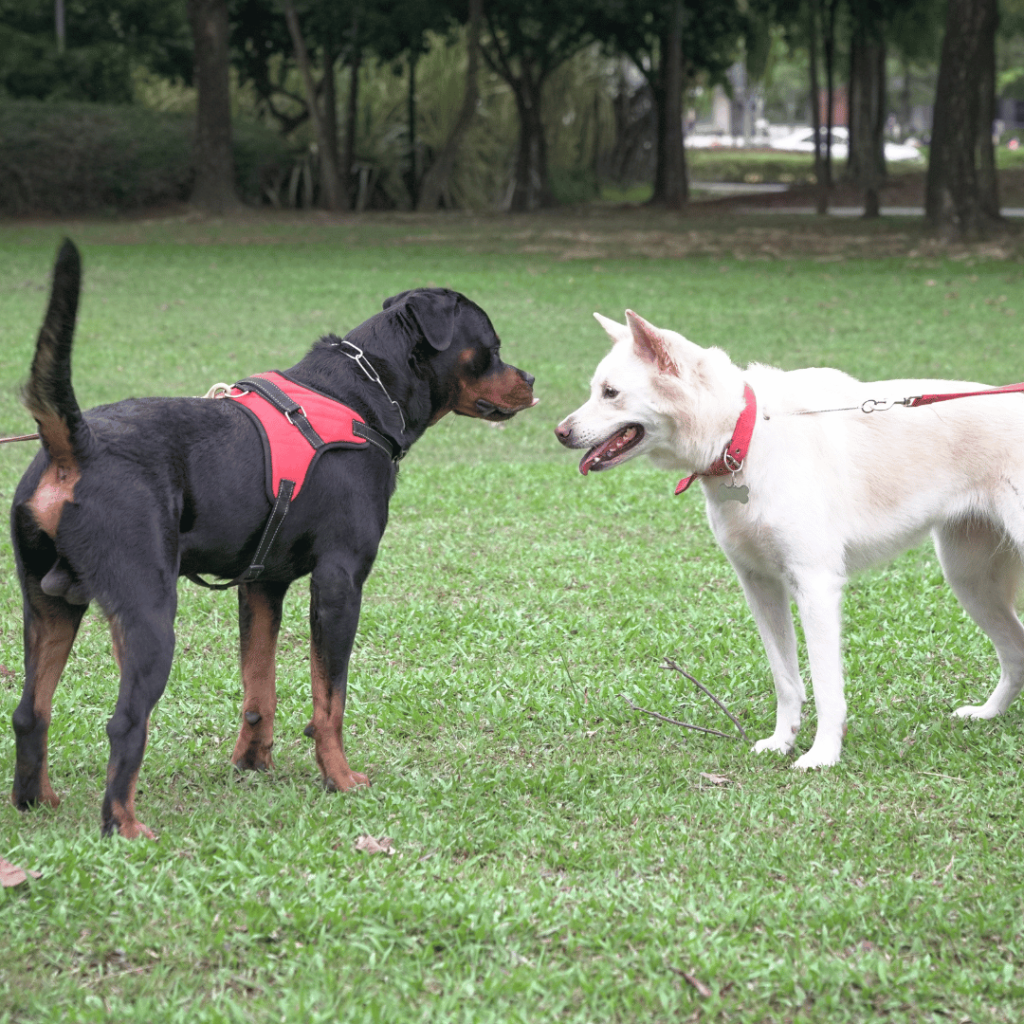
Key Strategies for Socializing Pets
- Begin Early: The early stages of a pet’s life are crucial for socialization. For puppies and kittens, this period—typically between 3 to 14 weeks of age—is when they are particularly receptive to new experiences. Introducing them to various environments, people, and other animals during this time can establish a lifetime of positive behaviors.
- Controlled Exposures: Start with controlled exposures to other pets and small groups of people. Dog parks and pet wellness events can provide a dynamic social setting without overwhelming pets. During these interactions, it’s essential for owners to monitor behavior and intervene when necessary to ensure positive experiences.
- Positive Reinforcement: Reward-based training is critical in promoting healthy behaviors during social interactions. Offering treats, praise, or toys when a pet displays friendly behavior can reinforce such actions, helping them associate socialization with positive experiences. This technique can be effectively applied in various scenarios, including group training classes and casual meet-ups.
- Diverse Environments: Taking pets to various locations—such as busy streets, different parks, or pet-friendly cafes—helps them adapt to different stimuli. Each outing can expose them to new sounds, sights, and smells, which can build their confidence and reduce anxiety in future encounters.
Successful socialization is not merely about interacting with other animals; it encompasses exposure to different people and environments as well. Understanding how to balance these experiences is essential for developing well-adjusted pets.
In addition to enhancing a pet’s quality of life, socialization can significantly impact their health. Animals that are unfamiliar with social situations may exhibit stress-related health issues, including digestive problems and a weakened immune system. By actively engaging in socialization, pet owners can contribute to their pets’ physical health alongside their mental well-being, ultimately promoting a longer, happier life.
Moreover, educating pet owners about the nuances of effective socialization can create a ripple effect throughout communities. As more pets are socialized, the number of well-behaved animals increases, leading to safer environments for both pets and people. Recognizing the significance of socialization is the first step toward ensuring that pets become positive companions and active participants in their human families.
The Role of Play in Pet Socialization
Play is a fundamental activity that fosters socialization among pets and between pets and humans. Engaging in playful interactions allows animals to express their natural behaviors, learn boundaries, and establish a sense of trust and comfort with their companions. By facilitating playdates with other pets, owners can provide essential social experiences that teach animals how to communicate effectively through body language and vocalization.During play sessions, pets also learn vital skills such as how to share toys and take turns, which can be beneficial in preventing behavioral issues related to possessiveness or aggression. When pets play with humans, it not only reinforces the bond between them but also allows humans to observe their pets’ behavior, making it easier to provide appropriate training and guidance based on their individual needs.
Structured Socialization Programs
Enrolling pets in structured socialization programs, such as obedience classes or dog parks, can significantly contribute to their social development. These programs are designed to expose animals to a variety of stimuli and social encounters, helping them become well-adjusted and adaptable. Structured environments provide safe platforms where pets can interact with different breeds, sizes, and temperaments, allowing for controlled and monitored social experiences.Furthermore, participation in these programs promotes mental stimulation which is crucial for a pet’s emotional health. Activities at these classes often challenge pets, thereby improving their focus, enhancing their learning abilities, and fostering positive associations with diverse interactions.
Safe and Positive Environments
Creating a safe and positive environment for socialization is crucial. Ensuring pets have access to secure spaces where they can explore freely without fear of harm contributes to their comfort. Owners should also pay close attention to their pets’ body language during interactions; signs of stress or discomfort, such as lowered ears or tucked tails, indicate a need for a break or a different approach to socialization. Positive reinforcement, like treats or praise, can also solidify their experiences and help diminish any fears they might have regarding new encounters. In summary, promoting healthy interactions between pets and their environment is a multifaceted approach that combines play, structured socialization programs, and creating positive experiences. As owners invest in their pets’ socialization, they set the foundation for happier, more well-adjusted animals who can thrive in diverse social settings.
Understanding Behavioral Signals in Socialization
Another pivotal aspect of effective pet socialization is understanding the behavioral signals that pets display during interactions. Just like people, animals communicate their feelings and intentions through body language. Recognizing these signals not only helps in facilitating smoother social interactions but also prevents potentially dangerous situations.
Reading Body Language
Pet owners should familiarize themselves with common behavioral cues. For example, a wagging tail does not always indicate a friendly disposition in dogs; it’s essential to consider the speed and position of the tail as well. A tail that is held high and wagging rapidly typically indicates excitement and friendliness, while a lower tail that wags slowly may express uncertainty or fear. Similarly, cats often use their tail position to convey their emotions—an upright tail generally indicates a happy cat, whereas a puffed-up tail suggests fear or aggression.
- Anxiety Signals: Signs of anxiety in pets can include excessive panting, pacing, or avoiding eye contact. Understanding these behaviors can help pet owners intervene before anxiety escalates into fear or aggression.
- Play Signals: Engaging in play is critical for socialization. Dogs will often exhibit playful behaviors, such as bowing with their front legs lowered, to signify their intent to play. Encouraging this among pets can enhance their social skills.
- Aggression Warning Signs: It’s vital to recognize warning signals for aggression, such as growling, baring teeth, or stiff body posture. If a pet exhibits these signs, it’s important to distance them from the source of their agitation while remaining calm to avoid escalating the situation.
By understanding these signals, pet owners can adjust their training and socialization tactics accordingly, creating a safer and more comfortable environment for both the pet and those around them.
The Role of Community in Pet Socialization
Community plays a significant role in enhancing pets’ social experiences. Participating in group training sessions and community events can provide pets with necessary social exposure while allowing owners to learn best practices for socialization. For example, organizations like the American Kennel Club (AKC) often host events that focus on promoting responsible pet ownership and socialization. These gatherings can be invaluable for both pets and their owners.
Furthermore, community outreach programs can facilitate interactions among pets and pet owners, contributing to broader social networks. Local parks that offer designated dog runs or pet-friendly gatherings enable pets to meet and interact with a diverse range of animals and people, reinforcing social skills in different contexts.
Utilizing Online Resources
In this digital age, pet owners can also leverage online resources to enhance their understanding of pet socialization. Numerous websites and forums are dedicated to pet behavior, offering insights into training techniques, socialization opportunities, and tips for understanding animal behavior. Online platforms can provide a wealth of information and connect pet owners with others in their community who share similar interests.
By actively engaging in community events, training classes, and leveraging online resources, pet owners can foster an environment of healthy interactions between their pets and the world. This well-rounded approach to socialization not only benefits the pets’ behavioral development but also encourages responsible pet ownership and strengthens community bonds.
Conclusion
In conclusion, the importance of socialization for pets cannot be overstated. By engaging in appropriate socialization practices, pet owners take essential steps towards nurturing not only their pets’ emotional well-being but also fostering a harmonious relationship with their community. Understanding behavioral signals, encouraging play, and recognizing warning signs of anxiety or aggression are fundamental skills that all pet owners must develop. When combined with participation in community events and leveraging online resources, these strategies create a holistic approach to pet socialization that benefits both animals and humans.
The implications of successful socialization extend beyond individual pet owners. As pets become more adaptable and well-behaved, communities observe enhanced interactions between residents and their furry companions, contributing to a safer and more enjoyable environment. Furthermore, community events centered on pet socialization cultivate connections among pet owners, creating supportive networks that promote responsible pet ownership.
Ultimately, the journey toward effective pet socialization is an ongoing one. By nurturing a consistent environment of positive interactions, and remaining vigilant to their pets’ needs, owners play a pivotal role in shaping their pets into confident and well-adjusted companions. As pet owners, embracing your responsibilities will not only lead to personal fulfillment but will also enrich the lives of those around you. Investing time and effort into socialization will ensure that your beloved pets thrive while fostering healthy relationships that bring joy to communities everywhere.