The importance of a balanced diet for pet health

The Importance of Pet Nutrition
When it comes to ensuring your furry friend leads a long and happy life, nutrition plays a crucial role. A balanced diet can significantly influence a pet’s overall health, energy levels, and longevity. This is not just about feeding them; it involves understanding the right mix of nutrients they need to thrive.
Key Components of a Balanced Diet
A balanced diet typically includes several essential components that all work together to support your pet’s well-being:
- Proteins: Proteins are critical for muscle development and repair, making them essential for active pets and those recovering from injuries. Animal-based proteins, such as chicken or beef, are often more easily digested and provide complete amino acids.
- Fats: Healthy fats, such as omega-3 and omega-6 fatty acids, not only provide energy but also support healthy skin and coats. For example, fish oil supplements can enhance your pet’s coat shine and reduce inflammation.
- Carbohydrates: While primarily an energy source, carbohydrates should be balanced with other nutrients. Whole grains like brown rice or oats can provide necessary fiber, aiding in digestion and overall gut health.
- Vitamins and Minerals: Essential for various biological functions, vitamins and minerals play crucial roles in immune response, bone health, and enzymatic reactions. Folic acid, for instance, is vital for cell division and repair.
Health Issues Linked to Poor Nutrition
Providing your pet with a nutritious diet can help prevent a multitude of health issues. Pets fed a diet lacking in essential nutrients may experience:
- Obesity: Poor dietary choices can lead to excessive weight gain, resulting in joint issues and diabetes.
- Dental problems: A lack of proper nutrients can lead to dental decay, a common issue in many pets, especially those that eat soft, carbohydrate-heavy diets.
- Digestive disorders: An imbalanced diet may cause constipation or diarrhea, negatively affecting your pet’s quality of life.
- Skin conditions: Deficiencies in essential fatty acids can result in dry skin, itching, and hair loss.
Understanding Your Pet’s Nutritional Needs
Investing time in understanding the specific dietary needs of your pet is essential. Just like humans, pets have unique nutritional requirements based on their age, size, activity level, and health status. For instance, puppies require more protein for growth, while senior pets might benefit from diets formulated for joint health.
Additionally, pet owners should be aware of specific dietary restrictions or allergies. For example, some dogs may be allergic to certain grains, necessitating a shift to grain-free options. By thoroughly researching and implementing a balanced diet, owners can pave the way for improved health and quality of life for their pets.
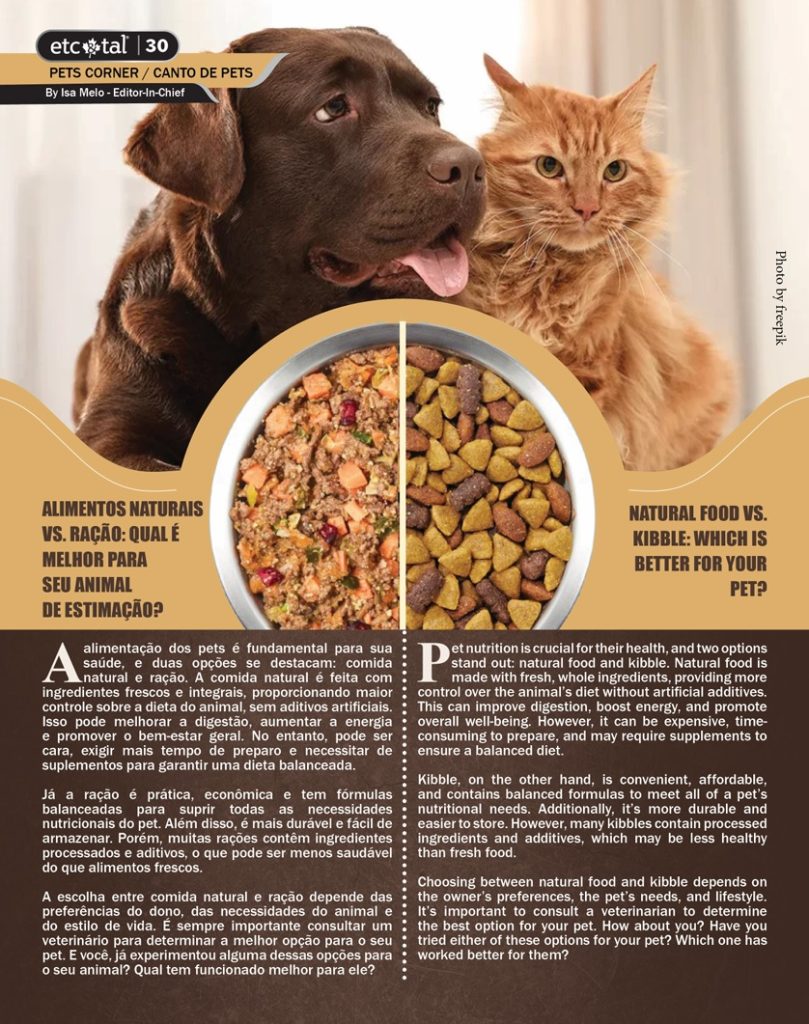
In conclusion, nutrition is the foundation of your pet’s health, affecting everything from their energy levels to longevity. Taking the time to focus on their dietary needs can yield significant benefits throughout their lives.
The Cornerstones of Pet Nutrition
Understanding the fundamental components of your pet’s diet is crucial in establishing a balanced nutrition plan. Just as human health relies on a variety of food groups, a well-rounded pet diet necessitates a stable mix of proteins, fats, carbohydrates, vitamins, and minerals. Each of these elements fulfills specific roles that contribute to your pet’s overall health and wellness.
The Role of Proteins
Proteins serve as the building blocks of life, making them the most important dietary component for pets. They are essential not only for muscle growth and repair but also for hormone production and immune function. Animal-based proteins, such as chicken, turkey, and fish, typically provide a complete profile of amino acids necessary for optimal bodily function. It’s worth noting that while some pets, like cats, are obligate carnivores and need protein in larger quantities, dogs, with their more flexible digestive systems, still thrive on a healthy amount of protein.
The Importance of Healthy Fats
Fats, often overlooked in pet diets, are vital for several physiological functions. Not only do they provide a rich energy source, but they are also crucial for the absorption of fat-soluble vitamins (A, D, E, and K) and play a significant role in maintaining a shiny, healthy coat. Incorporating omega-3 and omega-6 fatty acids can help combat inflammation and promote skin health. Fish oil is a popular supplement that many pet owners use to ensure their pets receive these beneficial fats.
Carbohydrates: A Source of Energy
While pets can generate energy from proteins and fats, carbohydrates can serve as a readily available energy source. However, not all carbohydrates are created equal. Whole grains and vegetables like sweet potatoes provide necessary vitamins, minerals, and fiber, aiding digestion and promoting gut health. In contrast, refined carbohydrates can lead to weight gain and other health issues if consumed in excess. It’s essential for pet owners to strike a balance by incorporating high-quality carbohydrate sources into their pets’ diets.
Vitamins and Minerals: The Micronutrients
Vitamins and minerals are crucial for a well-functioning body. They support a myriad of biological functions, from immune response to bone health. For instance, calcium and phosphorus are essential for strong bones, while vitamin E plays an important role as an antioxidant. Without the right level of these micronutrients, pets may suffer from various deficiencies leading to serious health problems.
Finding the Right Balance
Creating a balanced diet tailored to your pet’s unique needs requires careful consideration. Factors such as breed, age, activity level, and any pre-existing health conditions should be taken into account. Consulting with a veterinarian or a pet nutritionist can provide expert insights tailored to your pet’s lifestyle. This tailored approach ensures your pet receives adequate nutrition throughout different life stages, maximizing their health and quality of life.
In summary, understanding the key components of a balanced diet allows pet owners to take significant strides toward improving their pets’ overall health. By focusing on proteins, healthy fats, carbohydrates, vitamins, and minerals, you can create a nutritional plan that not only meets but exceeds your pet’s dietary needs.
The Importance of a Balanced Diet for Pet Health
A balanced diet is essential for pet health, impacting their overall well-being and longevity. Just as human nutrition plays a crucial role in maintaining health, the same principle applies to our furry companions. A well-structured diet provides pets with the proper nutrients they need to thrive, including proteins, carbohydrates, fats, vitamins, and minerals. Nutrition influences every aspect of a pet’s life—growth, energy levels, and even mood. One significant aspect of a balanced diet is weight management. Overnutrition leads to obesity, which has become a common issue in pets, increasing the risk of several health problems such as diabetes, joint issues, and heart disease. For example, feeding dogs and cats the correct portion sizes of high-quality foods ensures they receive all necessary nutrients without excess calories. Moreover, a diet rich in fiber aids in digestion and helps maintain a healthy gut, contributing to overall vitality. Regular vet visits can help pet owners understand their specific dietary needs. Different life stages and breeds require tailored nutrition plans. Puppies and kittens have different requirements than adult pets. For instance, senior pets often benefit from diets that support joint health and reduced calorie intake. Investing in your pet’s diet not only promotes physical health but can also improve behavioral issues. Pets fed on a balanced diet are often more energetic and have better temperaments. Thus, scientific studies show that pet owners who prioritize proper nutrition report higher satisfaction levels with their pets’ behaviors. Exploring the benefits of a balanced diet opens the door to a more profound understanding of how what we feed our pets is fundamental to their quality of life.
| Nutrient Categories | Health Benefits |
|---|---|
| Protein Sources | Promotes muscle growth and repair |
| Vitamins and Minerals | Supports immune function and bone health |
| Healthy Fats | Provides energy and promotes a healthy coat |
| Fiber | Improves digestion and regulates blood sugar |
By understanding the vital role a balanced diet plays in your pet’s health, you can make informed choices that positively impact their life and longevity. The diverse nutritional needs of pets underscore the importance of seeking out quality food options tailored to their unique requirements.
The Impact of Pet Diet on Long-Term Health
Understanding the vital link between diet and long-term health outcomes is essential for all pet owners. The effects of a balanced diet extend beyond immediate energy levels; they shape the future wellbeing and longevity of our furry companions. Research has shown that improper nutrition can lead to a multitude of chronic diseases, much like in humans.
Weight Management and Obesity Prevention
One of the most pressing concerns in pet health today is obesity. According to the Association for Pet Obesity Prevention, over 50% of dogs and cats in the U.S. are classified as overweight or obese. This alarming trend can be largely attributed to poor dietary choices, including overfeeding and the consumption of low-quality foods laden with fillers. A balanced diet not only helps maintain an optimal weight but also contributes to better metabolic health, minimizing the risk of obesity-related conditions such as diabetes, heart disease, and joint problems.
The Role of Diet in Disease Management
Veterinary medicine increasingly recognizes the impact of diet on managing various health problems. For example, pets diagnosed with kidney disease or diabetes require specialized nutrition plans. Low-protein or low-carbohydrate diets may be necessary to help manage these conditions effectively. Ingredients matter profoundly; high-quality proteins and specific carbohydrates can lead to improved health outcomes. Inflammatory disorders such as allergies or arthritis may also be alleviated through the consumption of anti-inflammatory diets rich in omega-3 fatty acids from fish or flaxseed.
The Connection Between Nutrition and Behavior
Diet significantly influences not only your pet’s physical health but also their behavior and mental well-being. Research indicates that nutritional imbalances can result in behavioral issues ranging from hyperactivity to anxiety. For instance, diets high in sugar or artificial additives may lead to fluctuations in energy levels, causing pets to become overly excitable or agitated. Conversely, a balanced diet rich in essential fatty acids and amino acids has been linked to improved mood, cognitive function, and overall behavior.
<h3The Importance of Hydration
While focusing on solid nutrition, it is vital to remember that hydration plays a key role in your pet’s health. Water supports every bodily function, from digestion to temperature regulation. Not all pets will self-regulate their water intake, so offering fresh, clean water at all times is paramount. Dry food can often lead to dehydration if adequate hydration is not provided, so incorporating wet food into your pet’s diet can also help maintain proper hydration levels.
Consultation and Customization
As each pet is unique, tailoring a nutritional plan requires more than mere trial and error. Consulting with a veterinarian or a certified pet nutritionist will ensure your pet’s diet aligns with their specific needs. Factors like breed, age, lifestyle, and any pre-existing health conditions should be evaluated to create a balanced dietary framework suited to your pet’s individual requirements. Awareness of ingredient quality, nutritional density, and feeding practices can all contribute to enhancing your pet’s life expectancy and quality of life.
In essence, the steps taken today towards establishing a balanced diet for your pet are investments in their future health. Ignoring these factors could cost more than just a trip to the vet; it could lead to a diminished quality of life for your beloved animal companion. Prioritizing nutrition is not merely a choice; it is a responsibility every pet owner should take seriously for the sake of their furry family members.
Conclusion: A Commitment to Balanced Nutrition
In conclusion, the significance of a balanced diet for pet health cannot be overstated. As pet owners, we hold the remarkable responsibility of shaping the lives of our furry companions through the choices we make regarding their nutrition. A well-rounded diet is foundational not just for sustaining energy, but it also profoundly influences the long-term health and vitality of our pets. From preventing obesity to enhancing behavioral functions, the implications of proper nutrition are far-reaching.
As we’ve discussed, nutrition plays a crucial role in weight management, disease management, and behavioral stability. Each meal offers an opportunity to equip our pets with the nutrients necessary for disease prevention and overall well-being. Moreover, it is vital that we remain vigilant about maintaining hydration alongside their nutritional needs. Fresh water and a variety of food types, including wet food, can foster optimal health.
Ultimately, consultation with a veterinarian will pave the path for customized dietary plans that suit the specific needs of every individual pet. Awareness and education are keys in this journey; investing time in understanding ingredients, portion sizes, and nutritional balance is imperative. By prioritizing a balanced diet, pet owners are not merely fulfilling an obligation; they are making a crucial investment in the quality and length of their beloved pet’s life. In this way, we not only enhance their health but enrich the lives we share with them.