Obedience Training: Creating an Effective Routine for Adult Dogs

The Benefits of Obedience Training for Adult Dogs
Many pet owners often underestimate the importance of obedience training for adult dogs. They believe that once a dog reaches maturity, they are set in their ways. However, establishing an effective training routine can bring a wealth of benefits that enhance the quality of life for both the dog and its owner. Recognizing that learning is a lifelong journey can open new pathways for better behavior and deeper connections.
Consider the following advantages of obedience training:
- Strengthened Bond: Training is not just about commands; it’s about communication. The process of training fosters a stronger emotional connection between you and your dog. This shared experience enhances trust and understanding, leading to a happier and more harmonious household. For example, weekly training sessions can act as quality time between you and your pet, improving your relationship over time.
- Better Behavior: Consistent routines, enhanced through training, can lead to a notable decrease in unwanted behaviors. Many adult dogs adopted from shelters display habits rooted in a lack of training or previous mismanagement. Through obedience training, such as basic commands like “sit” or “stay,” you can redirect negative behaviors, promoting a more well-mannered pet.
- Enhanced Safety: Reliable commands can keep your dog safe in unpredictable situations. For instance, if your dog happens to escape from your yard, a solid recall command could be the difference between safety and disaster. Training your dog to respond promptly when called can prevent dangerous encounters with traffic or other animals.
Creating a structured routine is vital, especially in a bustling environment like the United States, where distractions are plentiful. Cities with heavy foot traffic, parks with other animals, or simply the everyday hustle and bustle can make it challenging for dogs to focus. The key elements to focus on in your training regimen include:
- Consistency: Use the same commands and rewards every time to avoid confusing your dog. If “down” means lying down today but “down” means something entirely different tomorrow, you hinder your dog’s ability to learn. Consistently using the same phrases and training techniques will provide clarity and make learning smoother.
- Patience: Understand that learning takes time, especially for older dogs. Unlike younger dogs who may quickly pick up on commands due to their eagerness and adaptability, older pups may have ingrained habits that can take longer to change. It’s essential to approach training with a mindset of patience, offering support and encouragement rather than frustration.
- Positive Reinforcement: Use praise and treats as motivators to encourage good behavior. Positive reinforcement has been shown to produce more effective training outcomes than punishment. When your dog performs a command correctly, reward them with a treat or a little praise, reinforcing the behavior you want to see.
As we delve deeper into this article, you will discover practical tips and insights into designing a successful obedience training regimen that suits your adult dog’s unique needs. By honing in on these essentials, you can turn your canine companion into a well-mannered member of the family, enriching both of your lives in the process. Stay tuned for a roadmap to transform your dog’s behavioral challenges into successes, paving the way for a joyful coexistence.
Establishing the Framework for Obedience Training
Creating an effective routine for obedience training involves not only adherence to a structured schedule but also understanding the specific needs and personality of your adult dog. Before diving into routine exercises, it is important to assess your dog’s current behavior, their temperament, and any previous training experiences. This foundational knowledge enables you to tailor a program that enhances their strengths while addressing any behavioral weaknesses.
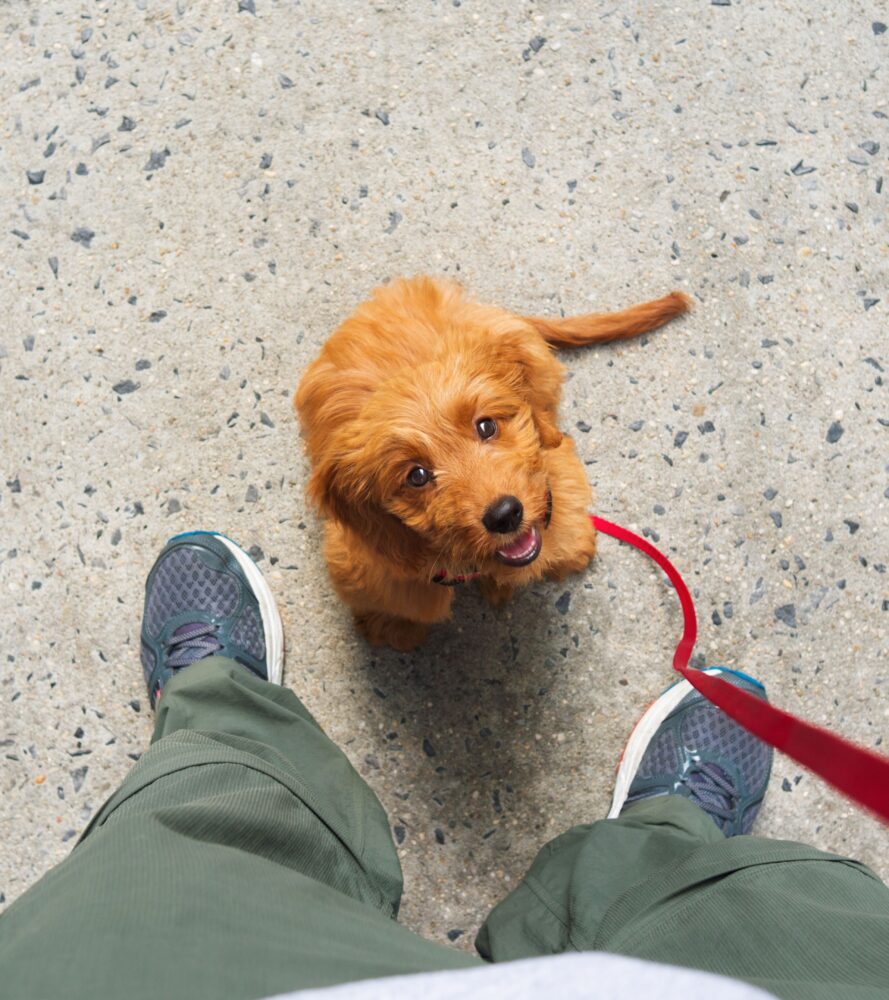
To create a successful training routine, consider the following elements:
- Setting Clear Goals: Begin with actionable, specific goals tailored to your dog’s needs. Whether your aim is to improve basic commands or to address more complex behavioral challenges, having clear objectives allows for measurable progress. For example, setting a goal to perfect the “sit” command in a month can give structure to your sessions and motivate both of you.
- Creating a Safe Environment: A calm, distraction-free environment is crucial during training sessions. Start in a quiet space, free from the hustle and bustle typical of daily life in urban settings. As your dog becomes proficient, gradually introduce more distractions, which are inevitable in environments like parks or city streets, helping them learn to focus amidst chaos.
- Incorporating Variety: While consistency is key, incorporating variety into training methods can keep sessions engaging and enjoyable. This can mean switching up your location, using different types of rewards, or incorporating new commands or tricks. The element of surprise keeps the learning experience fresh and stimulating for your dog.
- Integrating Socialization: Adult dogs, especially those that may have been sheltered or isolated, can benefit enormously from socialization. Incorporate interaction with other dogs and people into your routine. This not only promotes good manners but also helps reduce anxiety and build confidence during training exercises.
Moreover, the frequency and duration of training sessions should match your dog’s attention span. For instance, shorter, more frequent sessions often yield better results than prolonged training marathons. Aim for sessions lasting 5 to 15 minutes, interspersed throughout the day as needed, to keep your dog engaged and excited about learning.
Additionally, involving family members in training can support consistency and strengthen the bond between your dog and all household members. Make training a communal effort, allowing everyone to take part. This not only enforces the commands from multiple angles but also instills your dog with a sense of unity and teamwork within the family unit.
As you implement these strategies, remember that training is an ongoing venture. Commitment to establishing helpful routines will pave the way for ongoing improvement in your dog’s behavior and well-being. Ultimately, the reinforcement of their good behavior through ongoing training will contribute significantly to the quality of life you both enjoy.
| Category 1 | Category 2 |
|---|---|
| Consistency in Commands | Using the same words and signals reinforces learning. |
| Enhancements to Communication | Clear cues strengthen the bond between dog and owner. |
| Positive Reinforcement | Rewards improve behavior and encourage motivation. |
| Structured Routine | Time management leads to effective learning opportunities. |
Through obedience training, dog owners find that establishing a consistent routine is vital for adult dogs. When commands are delivered in a uniform manner, it not only facilitates the dog’s understanding but also helps in setting clear expectations. For example, when calling a dog to “come”, using the same tone and body language continuously will aid their response. Moreover, employing techniques such as positive reinforcement can drastically alter a dog’s behavior for the better. Rewarding desirable actions with treats or praise solidifies these behaviors in a dog’s mind, making them more likely to repeat them in the future. This approach encourages a positive relationship built on mutual understanding and strengthens the overall bond between owner and pet.Additionally, having a structured routine that incorporates consistent training sessions allows for a more organized approach to teaching and reinforces everything that has been learned. This intentional practice creates an environment of learning where dogs can thrive, continually improving their response to commands over time.Understanding these principles can lead to a happier, more responsive pet, and a satisfying training experience for owners, urging further exploration of obedience training techniques and their profound benefits.
Implementing Positive Reinforcement Techniques
One of the cornerstones of successful obedience training is the principle of positive reinforcement. This approach emphasizes rewarding desirable behaviors rather than punishing undesirable ones. By using methods such as treats, praise, or playtime, you can create a positive association with the commands and behaviors you want to cultivate in your adult dog.
Establishing a regimen that effectively utilizes positive reinforcement involves several key elements:
- Timing is Everything: For the reinforcement to be effective, rewards must be offered immediately after your dog successfully completes a command. This immediate feedback helps them connect the behavior with the reward, solidifying their understanding of what is expected. For instance, if your dog sits on command, a quick treat ensures that they associate the action with the positive outcome.
- Finding the Right Rewards: Different dogs are motivated by different rewards, so it’s essential to tailor your approach accordingly. While some dogs may respond best to treats, others might prefer toys, verbal praise, or a little extra playtime. Experimenting with various rewards will help you discover what excites your dog the most, ensuring that the training remains appealing.
- Gradual Shaping: Rather than expecting your dog to master a command immediately, use shaping techniques to break down the learning process into manageable steps. For example, if teaching “down,” start by rewarding your dog for simply lowering their head, then for crouching, and finally for lying down completely. This gradual approach prevents frustration for both you and your dog and sets them up for success.
As part of the routine, consistency in your training approach is key. Consistency reinforces expectations, making it easier for your dog to learn the desired behaviors. Use the same commands and hand signals across different sessions, and maintain a uniform structure to prevent confusion. Over time, your dog will become accustomed to your cues, paving the way for quicker learning.
Moreover, diversifying your training activities can enhance the effectiveness of positive reinforcement. Incorporate fun training games that blend obedience skills with play, such as hide-and-seek or retrieving toys. Such activities not only engage your dog physically but also mentally stimulate them, enriching their daily lives while reinforcing commands.
The Role of Patience and Persistence
Successful obedience training is often a marathon, not a sprint. Adult dogs can sometimes take longer to grasp new commands, especially if they have ingrained habits. Patience is crucial in this process. Remain calm and composed during training sessions, as your demeanor can greatly influence your dog’s performance. If they sense frustration, they may struggle to concentrate, which can lead to setbacks in their learning.
Additionally, tracking your dog’s progress is a valuable practice. Documenting achievements and areas needing improvement can help you adjust your training tactics accordingly. This data not only motivates you but also allows you to celebrate milestones, big or small, offering positive reinforcement for your own commitment.
By flexibly incorporating positive reinforcement, maintaining consistency, and being patient, you foster a rewarding training environment, making obedience training not just a responsibility, but an enjoyable journey for both you and your adult dog.
Conclusion: The Path to a Well-Trained Adult Dog
In summary, obedience training for adult dogs is essential not only for fostering good behavior but also for strengthening the bond between you and your canine companion. By implementing positive reinforcement techniques, you create an engaging and supportive learning atmosphere that encourages cooperation and trust. The principles of timing, adaptable rewards, and gradual shaping are key strategies that ensure your dog understands what is expected of them while also keeping the training enjoyable.
Consistency remains the backbone of your training routine. Utilizing uniform cues and maintaining a structured approach allows your dog to grasp commands quicker, leading to a more harmonious living environment. Incorporating diverse training methods not only enriches the learning experience but also stimulates your dog’s mind, contributing to a well-rounded and happy pet.
Above all, patience and persistence are vital ingredients on this journey. Recognizing that every dog learns at their own pace will facilitate a smoother training experience. Celebrate achievements, large and small, as these milestones not only motivate you but also provide essential reinforcement for your dog, making the entire process a rewarding endeavor.
As you embark on your obedience training journey, remember that this is a collaborative effort, requiring time and mutual understanding. By investing in a well-planned routine, you are paving the way for a confident, well-behaved adult dog that enriches your life with joy and companionship. For additional insights and methods, consider exploring local training classes or resources that specialize in adult dog behavior. Your efforts will undoubtedly yield a rewarding relationship with your four-legged friend.