Demystifying Cat Training: Tips for Teaching Tricks and Desirable Behaviors
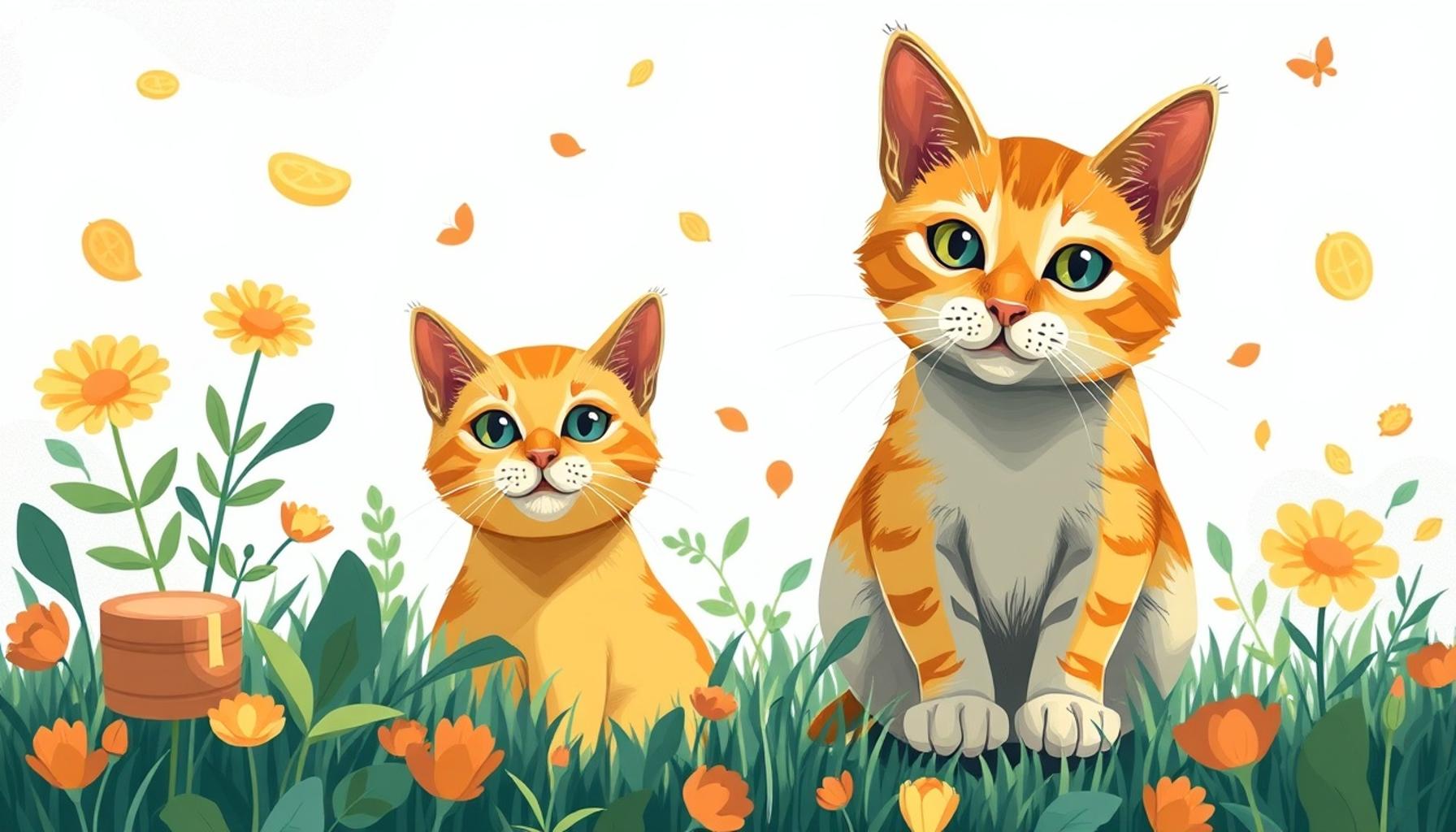
Unlocking the Potential of Cat Training
Many cat owners believe that training is a concept limited to dogs. However, cats are equally capable of learning tricks and developing desirable behaviors. With the right techniques, you can help your feline friend thrive and enrich your relationship. Training your cat not only fosters a sense of teamwork but can also address innate behaviors that may be bothersome.
Training your cat can lead to several benefits that enhance both your pet’s quality of life and your own. For instance:
- Enhanced bonding: Shared activities, such as playing fetch or teaching a cat to come on command, create stronger connections and mutual respect.
- Behavior modification: Training helps address unwanted habits. With the right approach, you can teach your cat to avoid scratching furniture or excessive meowing for attention.
- Mental stimulation: Engaging your cat in learning keeps them mentally stimulated, reducing the likelihood of destructive behaviors born out of boredom, such as knocking items off shelves or excessive grooming.
So, what are the best approaches to training your cat? Here are a few key principles:
- Consistency: Using the same commands and rewards each time helps your cat relate specific actions to outcomes, solidifying their understanding.
- Patience: Cats may need time to process commands. Jumping to frustration may hinder progress; understanding that your furry friend absorbs information at their own pace is crucial.
- Positive reinforcement: Rewarding desired behaviors with treats, toys, or enthusiastic praise not only encourages repetition but also helps create a positive association with learning.
Consider starting with simple tricks like “sit” or “high five.” You can use a clicker to mark the desired behavior, followed immediately by a treat. This technique, known as clicker training, is effective because it helps the cat associate the sound of the clicker with positive results. Gradually, you can progress to more complex behaviors, such as using a litter box or walking on a leash, which some adventurous cats may find exciting.
By understanding feline psychology and employing effective training methods, you can transform your cat into a well-mannered companion. This not only enhances your life together but also fosters a happier, more fulfilling experience for your feline friend. With training, cats can develop skills that make them not just pets but interactive partners in your everyday life.
DISCOVER MORE: Click here to learn how to keep your pet active</
Effective Techniques for Training Your Feline Companion
When it comes to training cats, understanding their unique behavioral traits is essential. Unlike dogs, which are pack animals eager to please their owners, cats are more independent and often see themselves as the rulers of their domains. This rich tapestry of feline nature can be embraced with the right training methods that cater to their instincts and personalities.
To begin, it’s essential to create a training environment that is both fun and rewarding for your cat. One of the most effective methods of cat training is through the use of clicker training. This technique involves using a small handheld device that makes a distinct sound when pressed, helping to mark the exact moment your cat performs the desired behavior. Here’s how to get started:
- Choose the right time: Find a quiet space free from distractions and select a time when your cat is alert and willing to engage.
- Introduce the clicker: Start by clicking the device and immediately offering a treat. Repeat this several times until your cat begins to associate the clicker sound with a reward.
- Begin with simple commands: Use straightforward commands like “sit” or “come.” When your cat performs the action, click the clicker and reward them immediately.
Another key principle is the use of positive reinforcement to promote good behavior. Instead of scolding your cat for unwanted actions, such as scratching furniture, redirect their attention to an appropriate scratching post, rewarding them when they use it. Consistently rewarding positive behavior reinforces the behavior pattern you wish to encourage. Here are some tips for successful positive reinforcement:
- Use high-value treats: Select treats your cat particularly enjoys. This can include small pieces of their favorite wet food or a special cat treat that they only receive during training.
- Timing is key: Always deliver the reward within a few seconds of the desired behavior to strengthen the association.
- Maintain enthusiasm: Your energy can significantly influence your cat’s engagement. Keeping your tone upbeat and encouraging makes the training feel like a game.
It is also important to recognize that each cat is unique, with different personality traits and learning speeds. For instance, some cats may take to training quickly and eagerly, while others may be more cautious or disinterested. If your cat doesn’t seem to be grasping a command right away, it is crucial to exercise patience. Modify your approach if necessary, and remember, the goal is to build a trusting relationship through shared experiences.
Setting Realistic Goals in Cat Training
When embarking on this training adventure, setting realistic goals for your cat is vital. Start small and celebrate minor victories. Training can sometimes take weeks or even months to yield visible results, especially depending on the complexity of the behavior you are trying to instill. For example, advanced tricks like “roll over” may require a more prolonged commitment than simpler tasks like “sit.” Each success, no matter how small, is a step toward a more trained and well-behaved cat.
Ultimately, understanding your cat’s unique needs and behaviors lays the foundation for effective training. With these insights, you can approach feline training with confidence, turning your aspirations into achievable milestones.
| Training Technique | Advantages |
|---|---|
| Clicker Training | Utilizes positive reinforcement to encourage desired behaviors, making the learning process enjoyable. |
| Lure and Reward | Allows owners to visibly guide their kittens through the process of learning, leading to faster comprehension of tricks. |
As you explore the art of cat training, it’s essential to understand the various techniques that can help nurture your furry friend’s abilities. One popular method, clicker training, employs a clicker to mark the moment your cat performs a desired behavior, followed by a reward. This technique builds a clear communication channel, allowing your cat to associate the click sound with positive reinforcement, thus making the experience more engaging and less frustrating. Another effective approach is the lure and reward strategy, where treats guide your cat through the motions of performing tricks. This allows cats not only to grasp new commands efficiently but also fosters a deeper bond between the pet and owner, as they engage in a shared activity. Understanding these training methods can unlock a treasure trove of possibilities, turning your feline friend into a captivating performer. As you delve deeper, you’ll uncover additional insights into maintaining a positive learning environment, reinforcing desired behaviors, and even overcoming common behavioral challenges among cats. Interested in exploring more specialized techniques? The journey of cat training can lead to a wonderfully enriched life for both you and your pet.
LEARN MORE: Click here to discover the signs of common diseases in pets
Understanding Common Challenges in Cat Training
As rewarding as cat training may be, it’s not without its hurdles. Recognizing common challenges can prepare you for success in teaching your feline friend. Cats may appear disinterested, distracted, or even stubborn during training sessions, leaving many owners feeling frustrated. However, approaching these challenges with a tailored strategy can lead to breakthroughs in behavior modification.
Distractions are a frequent obstacle. Cats are naturally curious creatures, and their attention can easily be diverted by movement, sounds, or other stimuli in their environment. To combat this, choose a quiet room free of distractions for training sessions. Tuning out background noise and keeping the door closed can significantly enhance your cat’s focus. Additionally, consider employing a favorite toy as a prop during training to maintain their interest.
The Role of Consistency and Routine
Another critical element of successful cat training is establishing a consistent routine. Cats thrive on predictability, and incorporating training into their daily schedule can be highly beneficial. Aim to train your cat at the same time each day, making it a regular part of their routine, similar to feeding or playtime. Consistency not only solidifies learning but also signals to your cat that training is an expected and enjoyable activity.
Consider using a specific location for training sessions or a particular cue word when training begins. This helps form an association between the environment and the training task, aiding the cat’s understanding and responsiveness. For instance, if you always train them in a cozy corner with the same toys, they’ll begin to anticipate learning when they see that setup.
Another important point is understanding your cat’s motivation. Each cat can have different motivational triggers, which can be key in shaping their training experience. Some cats may respond vigorously to treat rewards, while others may be more engaged with interactive play or verbal praise. Pay close attention to what excites your cat the most and use it as a tool in your training sessions.
Addressing Behavioral Issues
If your feline friend exhibits unwanted behaviors, addressing them promptly can prevent the establishment of bad habits. Certain issues, such as litter box aversion or excessive meowing, can often be managed through training techniques. For litter box challenges, ensure that the box is kept clean and placed in a quiet, accessible location. If your cat refuses to use the box, consider experimenting with different types of litter or boxes. Once you identify a solution, reinforce your cat’s positive behavior with treats or praise when they use the litter box correctly.
Additionally, enriching your cat’s environment can alleviate boredom-related behaviors, such as scratching furniture or excessive vocalization. Providing interactive toys, climbing structures, and engaging activities can channel their energy productively. Activities like puzzle feeders not only stimulate their minds but can also be a rewarding challenge when teaching tricks or desired behaviors.
Lastly, be mindful of your cat’s emotional state. Stress or anxiety can hinder training progress. Ensure that your cat feels safe and secure within their environment. Introducing new experiences gradually and ensuring they have their “safe spaces” can help ease any apprehension, creating a more conducive atmosphere for learning.
DISCOVER MORE: Click here to dive deeper
Conclusion: Embracing the Journey of Cat Training
In conclusion, cat training is not merely a set of tricks or commands but a fulfilling journey that strengthens the bond between you and your feline companion. Understanding that each cat is unique allows for a personalized approach, making the training process both effective and enjoyable. By implementing strategies such as maintaining a consistent routine, minimizing distractions, and catering to your cat’s motivation, you can create an enriching environment conducive to learning.
Moreover, addressing behavioral issues promptly can prevent the establishment of bad habits, ensuring a harmonious living situation. Enriching your cat’s surroundings with stimulating activities and safe spaces provides an outlet for their natural instincts, channeling their energies into desirable behaviors. Always remember that patience and empathy are key; recognizing your cat’s emotional state can significantly enhance their training experience.
As you embark on this training journey, consider further exploring resources like books, online courses, and local workshops dedicated to cat behavior and training techniques. Engaging with fellow cat owners can open up a world of tips and shared experiences that make the process less daunting. Ultimately, the goal is to nurture a well-behaved, happy cat that not only performs tricks for treats but also thrives in a loving and enriching environment. This approach transforms training from a challenge into an exciting adventure, benefiting both your pet and yourself.