Healthy Eating for Pets: How Nutrition Affects Animal Health
Understanding Pet Nutrition
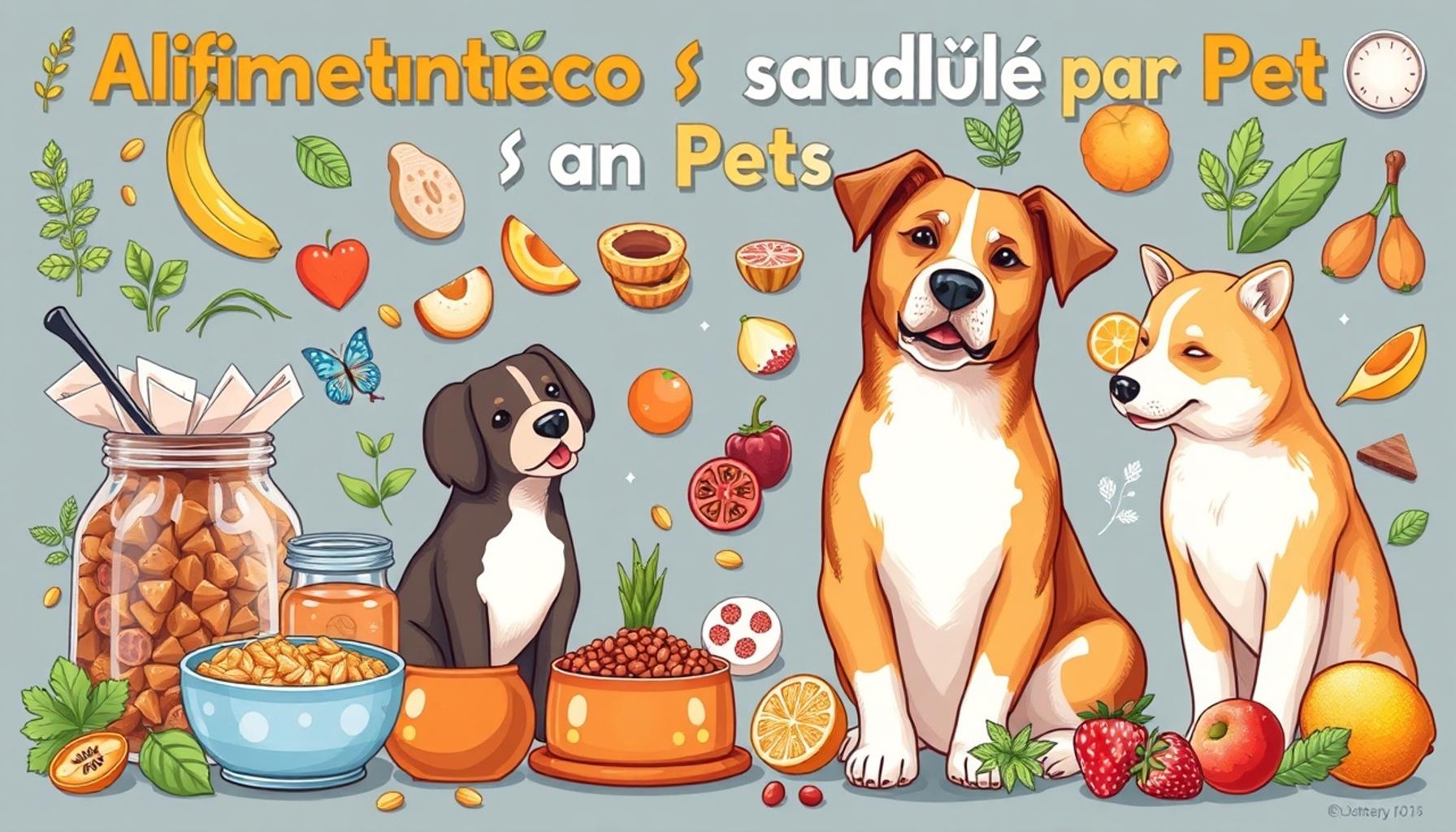
When it comes to our furry friends, healthy eating is not just beneficial; it’s essential for their overall well-being. The right nutrition can enhance their energy, longevity, and quality of life. Conversely, an improper diet may lead to various health issues. As pet owners, understanding what constitutes a balanced diet is crucial for fostering a thriving environment for our companion animals.
Why Nutrition Matters
Proper nutrition plays a pivotal role in your pet’s health. Here are key factors to consider that underline its importance:
- Weight Management: Obesity can lead to serious conditions like diabetes and heart disease. For instance, certain breeds like Labrador Retrievers are more prone to obesity, which can drastically reduce their lifespan if left unchecked.
- Disease Prevention: A balanced diet can help stave off illnesses and infections. For example, antioxidants found in fruits and vegetables can strengthen the immune system, reducing the risk of chronic diseases.
- Healthy Skin and Coat: Essential fatty acids can improve your pet’s skin health and appearance. Ingredients such as omega-3 and omega-6 fatty acids can mitigate issues like dry skin and excessive shedding, thus ensuring your pet has a shiny coat.
It’s also worth noting that different pets require different dietary considerations. For instance, dogs and cats have unique nutritional needs, affecting how their bodies process food. Additionally, the pet’s age, breed, and activity level should all inform your pet’s diet. Senior pets may require diets with fewer calories but higher fiber content to aid digestion, whereas puppies need a nutrient-rich diet to support their growth.
Choices and Consequences
With numerous pet food options available today, making informed decisions is critical. Read labels carefully to identify key components of your pet’s food choices:
- Protein Sources: High-quality proteins are crucial for growth and maintenance. Look for identifiable meat sources like chicken or beef as the first ingredient instead of vague terms like “meat meal.”
- Additives: Avoid foods with artificial colors and preservatives. Many pet owners are now opting for natural or organic brands that do not utilize harmful chemicals and instead incorporate whole food ingredients.
- Nutrient Balance: Ensure a well-rounded mix of vitamins and minerals. The Association of American Feed Control Officials (AAFCO) provides nutritional guidelines that pet food should meet, which is a good reference for pet owners.
As you delve deeper into pet nutrition, you’ll discover that healthy eating contributes significantly to your pet’s happiness and health. Understanding these fundamentals will not only enhance their quality of life but will also enrich your shared experiences. Stay tuned to learn more about how a proper diet can transform your pet’s life and empower you as a responsible pet owner.
DIVE DEEPER: Click here to learn more about pet vaccinations
Navigating Pet Food Options
In today’s market, pet owners are faced with an overwhelming array of food choices for their furry companions. The rise of premium and specialty pet foods has made it essential for pet owners to navigate these options intelligently. Understanding which ingredients benefit your pet’s health requires knowledge and careful consideration.
The Importance of Ingredient Quality
When selecting food for your pet, the quality of the ingredients should be a primary concern. Whole food components such as real meats, grains, and vegetables should top the ingredient list. Ingredients are often listed by weight, which means that the first few items are the most significant. Therefore, a good rule of thumb is to ensure that a recognizable protein, such as “chicken” or “salmon,” is prioritized. Ingredients like “meat by-products” or “animal meal” can signify lower quality.
Understanding Nutritional Requirements
Each pet has specific nutritional needs that depend on various factors. Here’s a breakdown of essential components to consider:
- Proteins: Vital for growth, development, and maintaining muscle mass, proteins should constitute a substantial portion of your pet’s diet.
- Carbohydrates: While pets primarily thrive on protein, carbohydrates are important too, providing energy. Whole grains and vegetables can serve as excellent sources.
- Fats: Healthy fats are crucial for maintaining skin health, providing energy, and aiding in nutrient absorption. Omega-3 and Omega-6 fatty acids often found in fish oils are especially beneficial.
- Vitamins and Minerals: These are necessary for metabolic processes and overall health. Look for pet foods that are fortified with essential vitamins like A, C, D, and minerals like calcium and phosphorus.
Homemade vs. Commercial Diets
Another consideration pet owners encounter is whether to opt for homemade meals or commercially prepared diets. While creating your own pet food can ensure specific dietary preferences and needs are met, it is critical to do so under the guidance of a veterinary nutritionist to avoid nutritional deficiencies. That said, many commercial brands have made considerable strides in producing nutritionally complete meals tailored for various life stages and health conditions. Researching the best options can save you time and ensure your pet receives the nutrients they need.
The topic of healthy eating for pets does not merely concern their current state of health, but also their future well-being. Choosing the right diet will not only support your pet’s health today but will also have long-lasting benefits as they age. Staying informed about pet nutrition can greatly enhance your understanding and connection with your furry friend, leading to a more fulfilling life for both you and your pet.
Exploring the Nutritional Needs of Pets
Nutrition plays a pivotal role in ensuring that our furry friends live long, healthy lives. One aspect often overlooked is the specific dietary requirements of different animal species. For instance, dogs are omnivores, requiring a balanced intake of proteins, carbohydrates, and fats, while cats are obligate carnivores that thrive on a protein-rich diet. Understanding these differences is crucial for pet owners looking to optimize their pets’ diets.In addition, the impact of high-quality ingredients cannot be understated. Ingredients that are rich in nutrients not only support the immune system but also enhance coat health and boost energy levels. It’s essential to choose pet foods that list real meat as the primary ingredient rather than fillers or by-products, as these can lead to various health issues, including obesity and digestive problems.Moreover, the timing and frequency of feedings significantly influence pets’ health. Regular feeding schedules combined with appropriate portion sizes can help maintain a healthy weight and promote optimal digestion. For some pets, including certain breeds or those with health issues, specialized diets may be beneficial. These diets can include therapeutic foods designed to address ailments such as food allergies or kidney disease.Overall, the way we approach our pets’ nutrition speaks volumes about their health and well-being. Access to fresh water, balanced meals, and knowledge of specific dietary needs are essential components of a holistic pet care regimen. For pet owners eager to delve deeper into these nutritional considerations, numerous resources and dietary guidelines are available today that can pave the way to healthier eating for pets.
| Nutritional Aspect | Importance |
|---|---|
| Protein Quality | Essential for muscle health, energy, and immune function. |
| Digestive Health | Aids in nutrient absorption and overall health maintenance. |
| Weight Management | Reduces the risk of chronic diseases linked to obesity. |
A closer look at these factors will equip pet owners with the knowledge to make informed dietary choices that not only improve their pets’ health but enhance their overall quality of life.
DISCOVER MORE: Click here to enhance your pet’s adventure
Supplementing Your Pet’s Diet
As pet owners become increasingly educated about what constitutes a balanced diet, many are turning to supplements to optimize their pet’s nutrition further. Dietary supplements, such as fish oil, probiotics, and vitamins, can support specific health concerns, from joint health to digestive balance. However, it’s crucial to consult with a veterinarian before introducing any supplements, as improper use could result in imbalances or adverse effects.
Common Supplements and Their Benefits
- Fish Oil: Rich in Omega-3 fatty acids, fish oil can enhance brain function, promote a healthy heart, and improve skin and coat quality. This is particularly beneficial for dogs and cats with allergies or inflammatory conditions.
- Probiotics: These live microorganisms can aid digestive health and improve nutrient absorption. Probiotics are particularly useful for pets experiencing digestive disturbances or transitioning to a new diet.
- Glucosamine and Chondroitin: Often recommended for aging pets, these supplements may support joint health by helping to maintain cartilage integrity, thus alleviating discomfort and improving mobility.
- Antioxidants: Ingredients like vitamin E, vitamin C, and beta-carotene can combat oxidative stress and support the immune system, specifically important for older pets or those recovering from illness.
Recognizing Food Allergies and Sensitivities
Another critical aspect of healthy eating for pets is recognizing and addressing food allergies or sensitivities. Symptoms can range from gastrointestinal upset, such as vomiting and diarrhea, to skin issues like itching or excessive shedding.
Common allergens in pet food include beef, dairy, chicken, wheat, and soy. If you suspect that your pet may be experiencing a food allergy, consider an elimination diet, which involves removing potential allergens and gradually reintroducing them to identify the culprit. Always conduct such dietary changes under veterinary supervision to ensure your pet receives adequate nutrition during the process.
Feeding Guidelines by Life Stage
Your pet’s age can significantly influence their dietary requirements. Puppies and kittens have higher energy needs due to their rapid growth and development compared to adult and senior pets. Specialized formulas are available, offering higher protein levels and balanced nutrients. Conversely, senior pets may benefit from diets lower in calories but enriched with fiber and joint-supporting elements.
Ensuring that your pet is fed appropriately according to their life stage can not only aid their current health but impact their future wellness. It’s advisable to consult with veterinary professionals who can provide tailored advice based on your pet’s specific needs and lifestyle factors.
Maintaining a Balanced Diet
While it is tempting for pet owners to treat their pets with human food, it is essential to maintain a balanced diet that meets all nutritional requirements. Some human foods, such as chocolate, onions, and grapes, can be toxic to animals and should always be avoided. Instead, focus on providing fresh fruits and vegetables, such as carrots, blueberries, and apples, as healthy snacks that can enhance the variety within their diet.
Staying informed about your pet’s dietary needs is paramount for their health and longevity. By prioritizing high-quality ingredients, understanding supplementation, recognizing allergies, adjusting for life stages, and maintaining a balanced diet, pet owners can create a nurturing environment that leads to healthier, happier lives for their beloved companions.
DISCOVER MORE: Click here for tips on feeding your pet the best
Conclusion
In conclusion, healthy eating for pets is not just a trend; it is a crucial aspect of ensuring their overall wellbeing and longevity. As pet owners, it is our responsibility to understand how nutrition affects animal health at every stage of their lives. By choosing high-quality, balanced diets tailored to their age, lifestyle, and specific health needs, we can help prevent diseases and promote vitality in our furry companions. The inclusion of dietary supplements can further enhance their diet, addressing specific health concerns, but always under the guidance of a veterinarian to avoid potential risks.
Additionally, recognizing food allergies and sensitivities is essential for preventing discomfort and health issues. Carefully observing your pet’s reactions to different foods can lead to timely interventions that support their health journey. A well-rounded diet that prioritizes natural ingredients while avoiding harmful human foods contributes to their happiness and fitness.
As we delve deeper into the relationship between pet nutrition and health, we uncover not just the importance of appropriate feeding practices but also the bond we share with our pets. Through informed choices and a commitment to their dietary needs, we can cultivate enriched lives for our animals that resonate with energy and joy. Let us embrace the transformative power of healthy eating, paving the way for a happier, healthier future for our beloved pets.