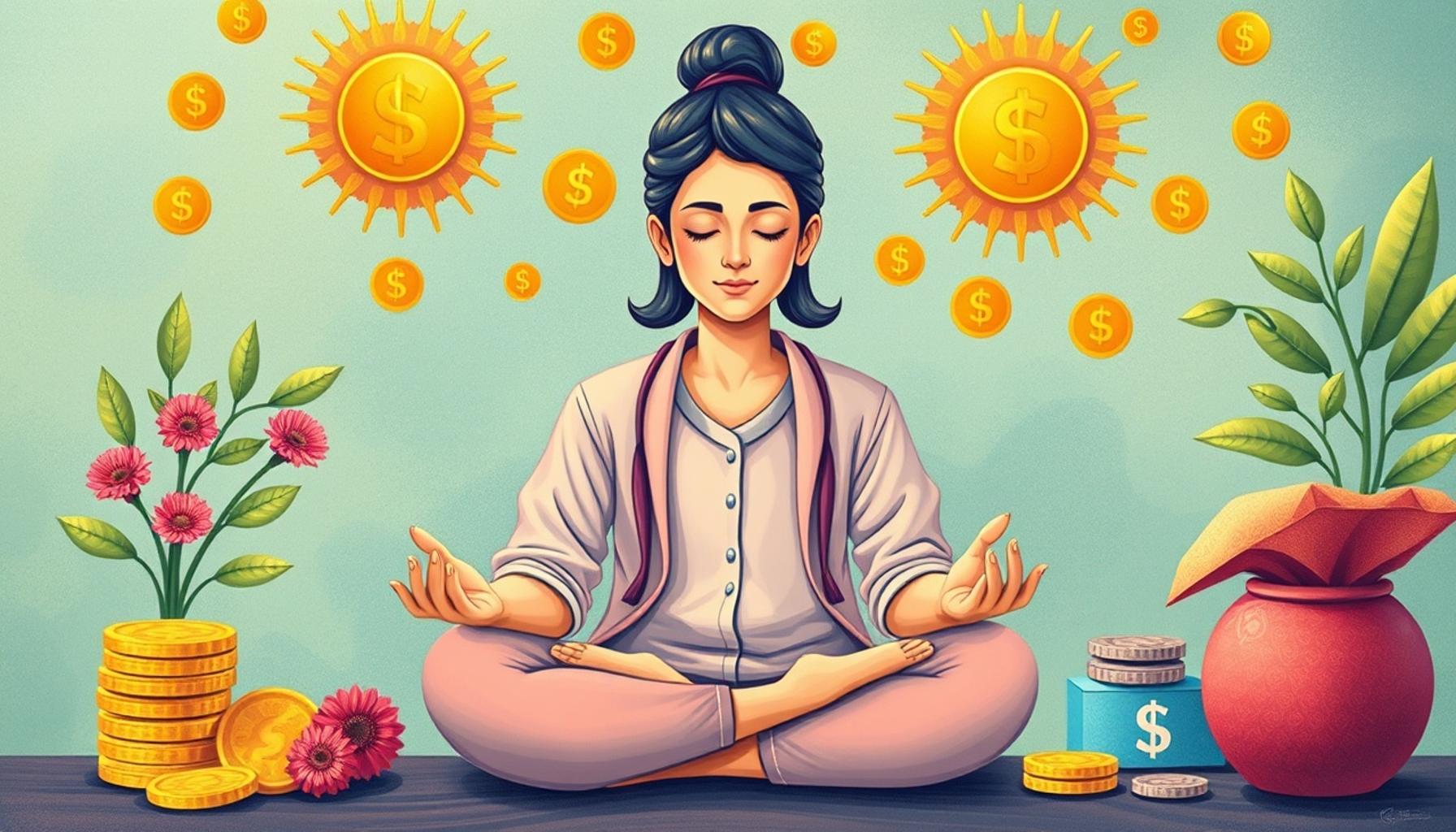
The practice of mindfulness meditation as a tool to reduce daily stress

Understanding Mindfulness Meditation
In today’s fast-paced world, daily stress has become a common experience for many. It can stem from various sources, including work pressures, family responsibilities, and social expectations. However, mindfulness meditation offers a powerful solution to help manage stress effectively. The practice is becoming increasingly popular as individuals seek methods to cultivate inner peace amidst daily chaos.
What is Mindfulness Meditation?
Mindfulness meditation is a practice that encourages individuals to focus on the present moment. It involves observing thoughts, feelings, and bodily sensations without judgment. This practice dates back to ancient traditions, particularly within Buddhism, but has gained traction in the West as a valuable tool for modern mental wellness. Some key aspects include:
- Awareness: Cultivating an acute awareness of your surroundings, which helps to enhance one’s sensory experience—such as noticing the sound of leaves rustling or the fragrance of blooming flowers.
- Breath Control: Utilizing breathing techniques to center the mind. Deep, deliberate breathing promotes relaxation by triggering the body’s parasympathetic response, which calms stress levels.
- Focus: Redirecting thoughts to minimize distractions. This involves gently guiding the mind back to a focal point—often the breath—when it wanders, fostering resilience against intrusive thoughts.
Benefits of Mindfulness Meditation
Research shows that this practice can lead to significant reductions in stress. A growing number of studies highlight the positive effects of mindfulness meditation on mental health and overall well-being. Here are some notable benefits:
- Lower Anxiety: Numerous studies indicate that mindfulness meditation reduces symptoms of anxiety disorders. For instance, a meta-analysis published in the journal “Psychological Bulletin” found that mindfulness-based interventions can significantly reduce anxiety, leading to improved quality of life.
- Improved Focus: By enhancing concentration and productivity, mindfulness practices allow individuals to perform better at tasks that require sustained attention, such as studying, working, or even simple household chores.
- Emotional Balance: Mindfulness meditation aids in managing difficult emotions, enabling individuals to process feelings like anger or sadness without being overwhelmed by them, which can improve personal relationships and interpersonal communication.
As more individuals in the United States explore mindfulness meditation, it’s essential to discover how this ancient practice seamlessly fits into modern life. With compelling data supporting its efficacy, mindfulness meditation stands out as a vital tool for combatting daily stress. Programs, workshops, and even smartphone apps tailored to mindfulness are widely available, making it accessible to anyone interested in improving their mental health. By integrating mindfulness practices into daily routines, individuals can foster not only a state of tranquility but also a more profound understanding of themselves, leading to a richer, more fulfilling life. This simple yet powerful approach might just be the key to cultivating resilience in an increasingly demanding world.
Incorporating Mindfulness Meditation into Daily Life
For many individuals seeking relief from the overwhelming pressure of daily life, incorporating mindfulness meditation into their routines could be transformative. The beauty of mindfulness is its versatility; it can be practiced in various settings, whether at home, in the office, or even during a commute. The key is to create a consistent practice that aligns with one’s lifestyle. Here are some practical strategies to incorporate mindfulness meditation seamlessly into daily activities:
- Start Small: Initiating a mindfulness practice doesn’t require lengthy sessions. Beginning with as little as five minutes a day can significantly impact stress levels. Gradually increasing the duration can help solidify the habit.
- Mindful Breathing: Set aside a few moments each day to focus on your breath. Inhale deeply through the nose, hold for a few seconds, and exhale slowly through the mouth. This simple exercise can effectively ground you amidst stressors.
- Incorporate Mindfulness into Routine Activities: Whether it’s eating, walking, or even washing dishes, try to be fully present during these tasks. Concentrating on the sensations, such as the taste of food or the warmth of water, enhances mindfulness and reduces distractions.
- Utilize Guided Meditations: Many apps and online resources offer guided mindfulness meditations tailored to specific needs, such as stress relief or improved focus. These can be particularly beneficial for beginners.
The Neuroscience Behind Mindfulness Meditation
Understanding the science behind mindfulness can provide reassuring evidence for those skeptical of its benefits. Research indicates that regular mindfulness practice can induce physiological changes in the brain, resulting in a more resilient individual. Neuroimaging studies show that areas of the brain associated with stress response and emotional regulation, such as the amygdala, become less reactive with consistent mindfulness practice. Moreover, the prefrontal cortex, responsible for executive functions like decision-making and impulse control, often shows increased activity in practitioners.
Additionally, a study conducted by Harvard University found that just eight weeks of mindfulness meditation can lead to measurable changes in brain structure, highlighting significant increases in gray matter in areas associated with memory, sense of self, and emotional regulation. This underscores how mindfulness meditation is not merely a trend but a scientifically-backed method to reduce stress.
As mindfulness meditation continues to gain traction across the United States, the integration of these practices into personal and professional landscapes becomes increasingly vital. By approaching life with heightened awareness and acceptance, individuals can transform their relationship with stress, leading to improved mental health and overall well-being. The journey toward mindfulness not only fosters serenity but also equips individuals with the resilience needed to navigate the complexities of modern life.
The Transformative Effects of Mindfulness Meditation
The practice of mindfulness meditation has gained significant attention for its profound ability to reduce daily stress and foster mental well-being. By encouraging individuals to focus on the present moment, mindfulness meditation serves as a powerful antidote to the overwhelming pressures of modern life. This practice not only aids in stress reduction but also enhances emotional resilience, making it a valuable tool for anyone seeking a greater sense of calm.Through consistent practice, individuals often report improved concentration and a heightened awareness of their thoughts and feelings. This self-awareness allows them to identify stress triggers more effectively, empowering them to respond to anxiety with greater clarity and purpose. As a result, mindfulness meditation cultivates a sense of emotional freedom, enabling practitioners to navigate life’s challenges with poise.Incorporating mindfulness into daily routines doesn’t require significant time investments. Even short sessions of guided meditation or mindful breathing can yield noticeable benefits. Research indicates that just a few minutes of meditation can lead to reductions in physiological stress markers, such as cortisol levels, which is essential for maintaining overall health. Enhanced focus and productivity are additional advantages, creating a ripple effect in both personal and professional spheres.Consider the real-life examples of individuals who have transformed their daily lives through mindfulness. Professionals report increased job satisfaction and better communication skills, while parents find that mindfulness enables them to connect more deeply with their children. Such benefits extend beyond individual experiences, impacting relationships and communities.In summary, integrating mindfulness meditation into everyday life stands as a transformative practice that not only alleviates daily stress but also enhances overall well-being. This conscious approach to living paves the way for a healthier, more balanced lifestyle, inviting individuals to embark on a journey of self-discovery and peace. To further explore the advantages of mindfulness meditation, delving into the existing literature and attending workshops can provide additional insights and techniques for incorporating this practice into your life.
Benefits of Mindfulness Meditation on Mental Well-being
The myriad benefits of mindfulness meditation extend far beyond mere stress reduction. As practitioners delve into the art of being present, they often uncover a cascade of advantages that contribute to enhanced mental well-being. Scientific studies and anecdotal evidence alike highlight the multi-faceted effects of mindfulness on our psychological state:
- Enhanced Emotional Regulation: Mindfulness meditation allows individuals to observe their thoughts and emotions without judgment. This observation fosters a more nuanced understanding of emotional triggers, enabling better management of responses to stressors. Emotional regulation is not just about improving mood; it significantly reduces the risk of anxiety and depression, making life’s challenges feel more manageable.
- Increased Resilience: A regular meditation practice cultivates resilience by strengthening the brain’s capacity to cope with stress. Research suggests that the more individuals practice mindfulness, the more adept they become at navigating difficult situations. This newfound resilience means that even when life’s pressures mount, a mindful individual is more likely to maintain a sense of calm and clarity.
- Improved Focus and Concentration: Mindfulness meditation enhances cognitive functions, particularly attention span and concentration. This improvement can be especially beneficial in a fast-paced work environment, allowing individuals to be more productive and less frazzled by daily demands. A study by the University of Washington revealed that mindfulness training led to notable enhancements in attention control among practitioners.
- Stronger Interpersonal Relationships: Practicing mindfulness can positively influence personal and professional relationships. By encouraging active listening and empathy, mindfulness fosters a deeper connection with others. Studies have shown that couples who practice mindfulness together report higher levels of satisfaction and effective communication.
Common Misconceptions About Mindfulness Meditation
Despite its growing popularity, mindfulness meditation still faces a range of misconceptions. Addressing these misunderstandings can further encourage people to embrace it as a reliable tool for stress management. For instance, many believe that mindfulness requires hours of solitude or an empty mind. In reality, mindfulness can be practiced in short bursts, and it does not necessitate complete mental silence. The essence of mindfulness lies in acknowledging thoughts rather than eliminating them.
Another common myth is that mindfulness meditation is solely for the spiritually inclined. In fact, secular mindfulness practices have gained recognition in various settings, including schools, workplaces, and healthcare systems. In the United States, mindfulness programs are now being integrated into public health initiatives to combat rising levels of stress and anxiety across various demographics, from school-aged children to corporate professionals.
Mindfulness Meditation in Action: Real-Life Examples
The practical applications of mindfulness meditation in daily life can be inspiring. Take, for instance, the growing trend among tech companies in Silicon Valley, where mindfulness programs are embedded into the corporate culture. High-pressure environments are encouraging employees to partake in regular mindfulness sessions, resulting in increased job satisfaction and reduced burnout rates.
Moreover, stories from individuals who have embraced mindfulness highlight transformative experiences. From a healthcare worker finding peace amid life-or-death situations to a parent learning to navigate daily challenges with patience, the positive ramifications of mindfulness meditation resonate across diverse fields and life situations.
Such examples illustrate the profound impact that mindfulness meditation can have, not just in alleviating stress but also in enriching the emotional and psychological resilience of practitioners. As awareness spreads, more individuals are likely to uncover the treasures hiding within their own ability to live mindfully.
Conclusion: Embracing Mindfulness for Stress Reduction
In today’s fast-paced world, the importance of finding effective strategies to manage daily stress cannot be overstated. The practice of mindfulness meditation emerges as a powerful tool that not only assists in stress reduction but also enriches overall mental well-being. Through a deeper understanding of one’s emotions and thoughts, individuals can enhance their emotional regulation, build resilience, and improve essential cognitive functions like focus and concentration.
Moreover, the positive impacts of mindfulness extend far beyond self-indulgence; they foster stronger interpersonal relationships, promoting empathy and effective communication within both personal and professional spheres. As so many success stories highlight, incorporating mindfulness into everyday life paves the way for profound transformations that resonate throughout one’s experiences—from navigating work pressures to enhancing family dynamics.
As misconceptions about mindfulness meditation continue to be dispelled, it becomes increasingly clear that this practice is both accessible and valuable for individuals from all walks of life. The integration of mindfulness programs into schools, workplaces, and community health initiatives in the United States signals a burgeoning movement towards collective mental wellness. This growing awareness not only normalizes the discussion around stress management but also beckons others to explore the benefits of being present.
Ultimately, embracing mindfulness meditation as a daily practice offers individuals an opportunity—not just to reduce stress, but to live a fuller, more engaged life. As people continue to uncover the treasure trove of mindfulness, they will not only enhance their own experiences but also inspire those around them to seek a calmer, more centered existence amidst the chaos of modern life.