Balanced Nutrition Key to Long-Term Health for Dogs Cats
The well-being of our furry companions relies heavily on the choices we make regarding their nutrition. A balanced diet is essential not only for maintaining a healthy weight but also for supporting their energy levels, immunity, and overall vitality. Understanding the fundamentals of canine and feline nutrition equips pet owners with the knowledge needed to ensure their pets thrive throughout their lives.
With the rise in pet ownership, the importance of providing the right nutrients has gained significant attention. As pets age, their dietary needs change, making it crucial to adapt their meals accordingly. Here are some key reasons why balanced nutrition is indispensable for your dog’s and cat’s long-term health:
- Prevention of chronic diseases
- Improved coat condition and skin health
- Enhanced digestion and gut health
- Increased energy and activity levels
- Better weight management
In this article, we will explore the Top 5 essential components of a balanced diet for pets, helping you make informed decisions that can lead to a healthier, happier life for your beloved animals.
Top 5: The Importance of Balanced Nutrition for the Long-Term Health of Dogs and Cats
The love and care we dedicate to our pets often reflect in their health and happiness. Just as humans require balanced nutrition to lead healthy lives, our furry friends depend heavily on the quality and balance of their diets. In this article, we will explore the top five reasons why balanced nutrition is crucial for the long-term health and well-being of dogs and cats.
5. Weight Management
Maintaining a healthy weight is essential for overall health and longevity in pets. In the United States, approximately 56% of dogs and 60% of cats are classified as overweight or obese. This growing epidemic mirrors similar trends in human populations and can lead to numerous health issues, such as diabetes, arthritis, and heart disease.
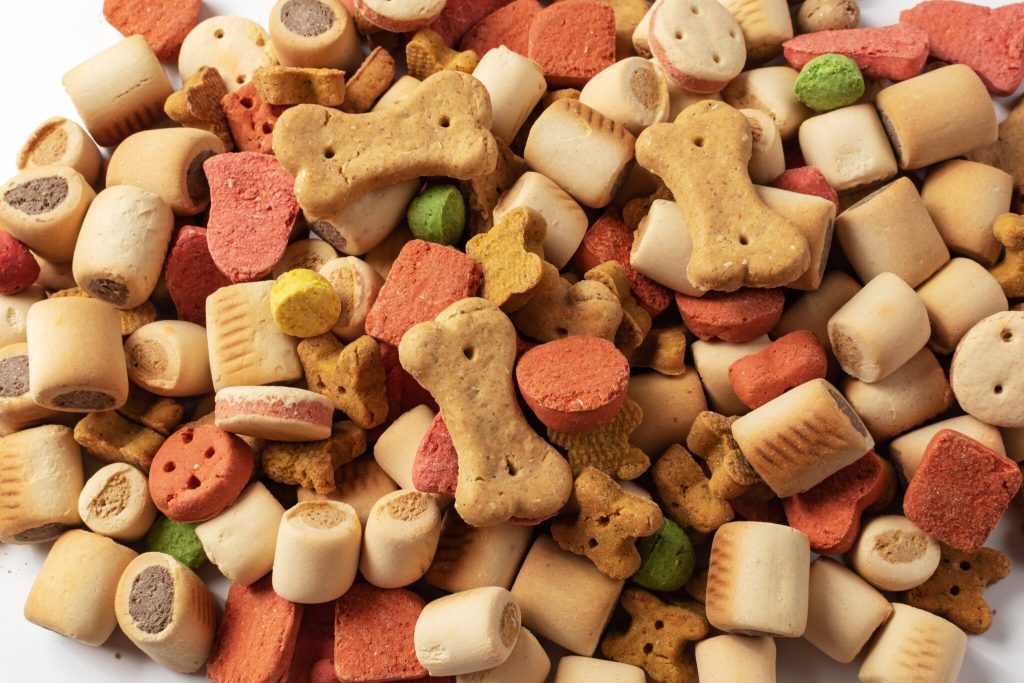
A balanced diet plays a key role in managing weight effectively by ensuring pets receive the necessary nutrients without the excess calories. Specific formulations cater to different ages, breeds, and activity levels, making it easier to provide the right amount of food for optimal weight management. Considerations for maintaining a healthy weight include:
- Choosing appropriate pet food: Factors such as age, breed, and lifestyle determine the most suitable diet.
- Monitoring portion sizes: Proper portion control is vital, as overfeeding can quickly lead to obesity.
- Limiting treats: While tempting, excessive treats contribute to unnecessary calorie intake.
4. Skin and Coat Health
The health of a pet’s skin and coat is often a mirror of their nutritional status. A well-balanced diet enriched with essential fatty acids, vitamins, and minerals can significantly enhance skin and coat conditions. Omega-3 and Omega-6 fatty acids, commonly found in sources such as fish oil and flaxseed, contribute to a shiny and healthy coat while offering anti-inflammatory properties that can help reduce skin irritations and allergies.
Hydration is another crucial element for maintaining healthy skin. Fresh water availability is imperative, and certain foods can also aid in hydration. To foster optimal skin and coat health, consider the following:
- Incorporating high-quality protein: Essential for hair growth and maintenance, proteins should be a staple in their diet.
- Consulting a veterinarian before adding supplements: Professional guidance ensures the correct supplements are utilized effectively.
- Implementing regular grooming: Brushing aids in the removal of dead hair and distribution of natural oils, keeping the coat healthy.
3. Digestive Health
Digestive health is another critical aspect of a pet’s overall well-being. A diet rich in fiber supports efficient digestion and facilitates the prevention of gastrointestinal complications. Ingredients such as pumpkin, sweet potatoes, and brown rice are fantastic sources of fiber that can aid in normalizing bowel movements and improving digestive function.
Moreover, probiotics and prebiotics are important for maintaining a healthy balance of gut flora, further enhancing digestive health. To ensure optimal digestive function, consider these tips:
- Opt for food with high-quality ingredients: Nutrient-dense foods with probiotics can significantly improve gut health.
- Transition gradually to new diets: Sudden changes in diet can upset a pet’s stomach; a slow transition can prevent discomfort.
- Control meal frequency: Feeding smaller, more frequent meals can aid digestion and prevent issues like bloating or vomiting.
2. Energy Levels and Activity
A pet’s energy levels are a direct reflection of their dietary intake. An appropriately balanced diet provides the necessary fuel for daily activities, ensuring that pets remain engaged and enthusiastic. Dogs, which are inherently active, require an adequate mix of proteins, carbohydrates, and fats to sustain their energy levels, while cats, being obligate carnivores, benefit from protein-rich diets.
A nutritious diet not only supports physical energy but also contributes to mental well-being, decreasing stress and fostering happiness. To maximize energy levels, consider:
- Adapting to breed-specific dietary needs: Tailored diets cater to the unique requirements of various breeds.
- Timing meals around activity: Properly scheduling meals before and after exercise optimizes energy utilization.
- Introducing dietary variety: A varied diet prevents boredom and maintains interest in meals.
1. Longevity and Quality of Life
Ultimately, the most significant advantage of a balanced diet is the improvement in longevity and quality of life for pets. A comprehensive diet can mitigate the risk of developing chronic diseases, support mental acuity, and enhance overall life satisfaction. Pets receiving ample nutrition generally exhibit better immune function, cardiovascular health, and joint mobility.
Numerous studies underscore the vital connection between balanced nutrition and the extended lifespan and cognitive function of pets. Implementing a diet with high-quality ingredients, appropriate portion sizes, and regular veterinary evaluations ensures a fulfilling life for your pets. Key considerations for promoting longevity include:
- Tailoring diets to life stages: Puppies, adult dogs, kittens, and senior pets have distinct nutritional needs.
- Scheduling regular veterinary check-ups: These visits are vital for evaluating health and adjusting dietary needs.
- Staying informed on pet nutrition trends: Understanding advances and updates in pet nutrition helps in making educated feeding choices.
In conclusion, the role of a balanced diet in the health of dogs and cats cannot be underestimated. By focusing on weight management, skin and coat health, digestive function, energy levels, and overall longevity, pet owners can foster healthier, happier lives for their cherished companions.
| Category | Details |
|---|---|
| Balanced Macronutrients | A balanced diet ensures optimal amounts of proteins, carbohydrates, and fats, promoting energy levels and muscle maintenance. |
| Vitamins and Minerals | Vital for immunity and overall health, specific vitamins like A, C, and E, along with minerals such as calcium and phosphorus, prevent deficiencies and disease. |
| Digestive Health | High-quality diets promote gut health with sufficient fiber, reducing issues like constipation and improving nutrient absorption. |
| Weight Management | A well-planned diet helps in maintaining healthy body weight, preventing obesity, and associated health problems such as diabetes and heart disease. |
A balanced diet is foundational for the long-term health of dogs and cats, particularly concerning their nutritional needs. A primary aspect revolves around balanced macronutrients, which enable optimal energy levels. Proteins are crucial for muscle building, while carbohydrates provide necessary energy throughout the day. Fats serve as essential fatty acids crucial for skin, fur, and brain health.Additionally, the role of vitamins and minerals cannot be overstated. Essential nutrients like Vitamin A promote healthy vision and skin, while Vitamin C acts as an antioxidant, protecting the body from oxidative stress. Minerals such as calcium and phosphorus play a critical role in the development and maintenance of strong bones, and a lack of these can lead to serious health consequences.Furthermore, focus should be placed on digestive health. A diet rich in fiber promotes a healthy gut and prevents constipation, which is particularly important for maintaining overall digestive function. Good digestive health means better nutrient absorption, which directly translates to improved vitality and immunity.Lastly, weight management is a significant concern for pet owners, especially in an era where obesity rates in pets are rising. A carefully formulated diet not only assists in maintaining a healthy weight but also prevents the onset of conditions such as diabetes and heart disease, which pose severe threats to the lifespan and quality of life of dogs and cats alike. The importance of tailored nutrition extends beyond mere sustenance; it is a vital component of a pet’s overall well-being.
Frequently Asked Questions about Balanced Nutrition for Long-term Health of Dogs and Cats
What constitutes a balanced diet for dogs and cats?
A balanced diet for dogs and cats includes the appropriate proportions of proteins, fats, carbohydrates, vitamins, and minerals that are essential for their health. The needs vary depending on the pet’s age, breed, size, and health condition. Proteins are crucial for muscle development and energy, while fats contribute to a healthy skin and coat. Carbohydrates provide energy, and specific vitamins and minerals support various bodily functions. Consultation with a veterinarian can help tailor a diet specific to your pet’s needs.
How does poor nutrition affect a pet’s health over time?
Poor nutrition can significantly impact a pet’s health in the long term, leading to various health issues such as obesity, diabetes, heart disease, and kidney problems. Inadequate nutrition can also weaken the immune system, making pets more susceptible to infections and diseases. Prolonged deficiencies in vital nutrients can result in developmental issues in younger pets and a diminished quality of life as they age.
Are there specific food items that should be avoided in a pet’s diet?
Yes, there are several food items that should be avoided as they can be harmful to pets. Dogs and cats should not consume foods like chocolate, onions, garlic, grapes, and certain artificial sweeteners like xylitol. These can be toxic and result in severe health disturbances. Additionally, feeding pets with a high proportion of table scraps or fatty foods can disrupt their nutritional balance and lead to obesity. Always ensure that the pet food meets the necessary nutritional standards.
How can I ensure that my pet receives the proper nutrients?
Ensuring that your pet receives the proper nutrients involves selecting high-quality pet foods that are formulated according to the standards recommended by veterinary health organizations. Look for food labels that specify a complete and balanced diet. Regular veterinarian check-ups are important to assess your pet’s health and make any necessary dietary adjustments. Supplementing with the right amounts of essential nutrients can also be considered, but it should always be done under veterinary guidance.
Conclusion
In today’s fast-paced world, pet owners are realizing the critical role that balanced nutrition plays in the long-term health of dogs and cats. Throughout this article, we’ve delved into the essential elements that make up a complete diet for pets, focusing on how these contribute to their overall well-being, longevity, and quality of life.
Firstly, the importance of incorporating a variety of nutrients in pet diets cannot be overstated. From proteins that build and repair tissues to vitamins and minerals that support crucial bodily functions, a comprehensive diet is the foundation of pet health. Proper nutrition aids in preventing diseases and can even mitigate the effects of aging in pets, keeping them active and joyful companions for many years.
Key Takeaways
- The significance of balanced meals in providing essential vitamins and minerals.
- The role of proteins in maintaining muscle mass and overall vitality.
- How nutrition impacts long-term health outcomes in pets.
- The risks associated with inadequate or imbalanced diets, leading to health issues.
- The necessity of tailoring diets to the specific needs of different breeds and life stages.
Recognizing the necessity of balanced nutrition opens doors to new understandings and responsibilities for pet owners. Being proactive about dietary choices ensures that our furry friends receive the nourishment they need, ultimately enriching both their lives and ours. As science continues to reveal more about the intricacies of animal nutrition, there will be even more insights into optimizing pet health through diet. For pet owners eager to delve deeper, consulting with veterinary nutritionists can offer personalized guidance tailored to their pet’s unique needs.