Creating a Safe Enriching Home Environment for Pets
Ensuring a Safe and Enriching Environment for Pets
In today’s society, the bond between humans and their pets has grown stronger, transforming pets into integral family members. As such, ensuring a comfortable and secure environment for our furry companions is not just a passing trend—it’s a necessity. More people are inviting pets into their homes, making it essential to understand how to create a safe and enriching environment that supports their well-being.
Understanding Potential Hazards
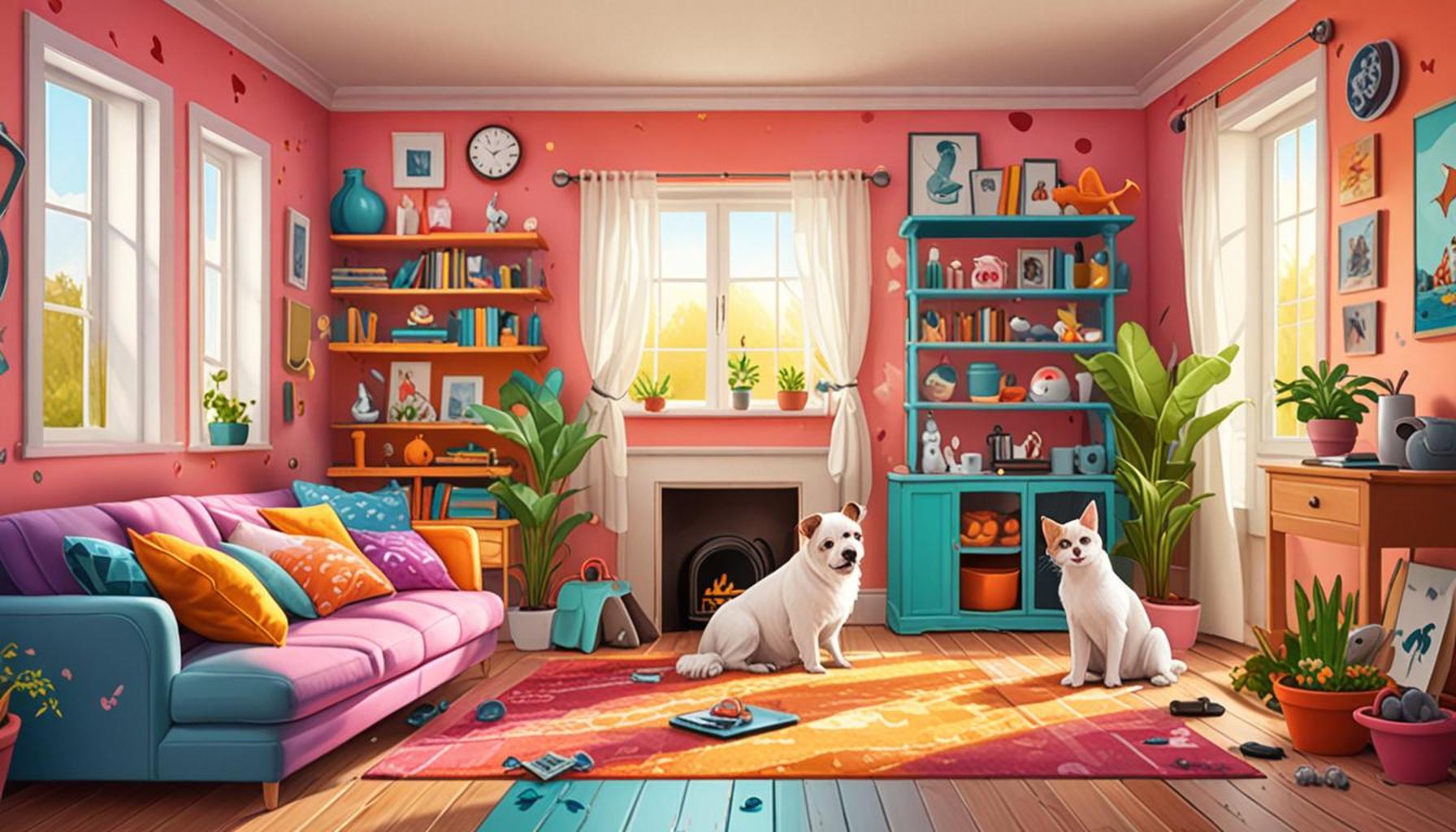
Pets, like young children, are naturally curious and can find themselves in unsafe situations without realizing it. Thus, it’s crucial to implement safety features in the home. Consider potential hazards such as toxic plants, household chemicals, and small objects that could be ingested. Installing safety gates, securing loose wires, and storing harmful items out of reach can significantly mitigate these risks.
Stimulation: A Key to Development
Beyond safety, providing stimulation opportunities is vital for a pet’s physical and mental development. Toys that encourage problem-solving, such as puzzle feeders or interactive games, can keep pets active and engaged. Regular playtime and varied activities ensure they get the necessary exercise and mental stimulation, reducing the likelihood of behavioral issues.
Creating Comfort Zones
Just as humans need a place to unwind, pets benefit from having comfort zones where they can retreat and relax. Designate a quiet area, perhaps with a comfortable bed or a cozy nook away from household bustle, where your pet can decompress. This safe haven is crucial for reducing stress and promoting a sense of security.
Our guide will delve into the Top 5 tips for crafting a nurturing home environment that balances safety and stimulation, ensuring your pet remains not only safe but also happy and healthy. Stay with us as we explore each aspect of this essential area of pet care in detail.
Top 5 Ways to Create a Safe and Stimulating Environment for Pets at Home
Creating an engaging environment for your pets isn’t just about aesthetics; it’s essential for their overall well-being. Just like humans, pets thrive in spaces that are both secure and mentally stimulating. This article unfolds the top five methods to create such an environment in your home. By focusing on key aspects such as physical safety and sensory stimulation, you’ll contribute significantly to your pet’s happiness and health.
5. Establish Pet-Safe Zones
To transform your home into a safe haven for your beloved pets, it is crucial to establish pet-safe zones. Such areas are specifically designed to eliminate potential hazards and ensure pets can explore freely and securely. Start by carefully examining your home for objects that could harm your pets:
- Sharp edges of furniture that could cause injury during play
- Small objects that pose a choking hazard or can be inadvertently swallowed
- Potentially toxic plants or chemicals that are common household hazards
- Cords and wires that pets may chew on or get entangled in
Using baby gates to restrict access to certain rooms, like those containing cleaning products or electronic gadgets, is a sound strategy. You can also create a designated play area filled with toys suitable for your pet’s size, age, and activity level. Such strategic arrangements ensure not only a secure environment but encourage exploratory behavior crucial for stimulation.
4. Provide Interactive Toys
Interactive toys are a fantastic way to mentally engage pets, particularly dogs and cats. These toys are designed to pique their curiosity, encouraging them to solve problems for rewards like treats or interactive playtime. Consider these types of interactive toys:
- Puzzle feeders: These require pets to manipulate parts to access food, providing mental and physical exercise
- Treat-dispensing balls: Promotes fun and movement as pets chase the rolling treat-laden ball around the room
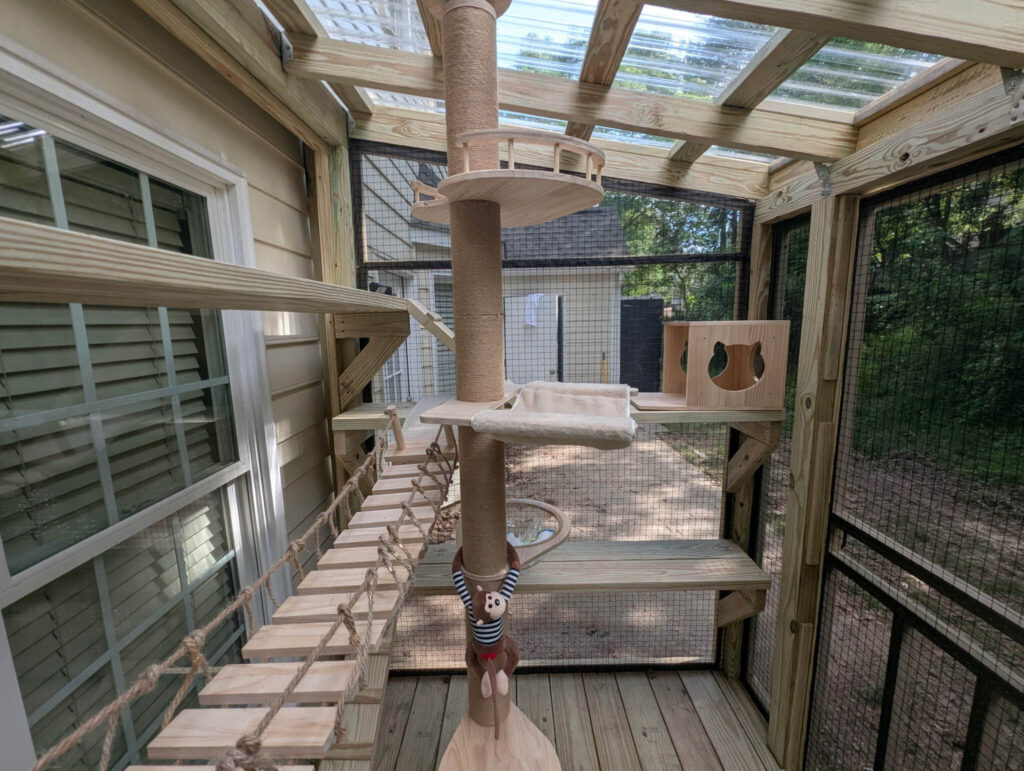
- Cat trees with play features: Offer climbing opportunities, batting toys, and sleeping platforms, engaging multiple senses
These toys can significantly reduce boredom and alleviate anxiety, which often leads to undesirable behavior such as destruction of property. Moreover, they offer mental exercise that taps into pets’ natural instincts, helping them feel more fulfilled and contented in their surroundings.
3. Implement a Routine
Cultivating a routine is another critical aspect of creating a safe and stimulating environment. Pets are inherently creatures of habit, and a set routine helps them feel secure and stable in their daily lives. A well-structured daily schedule should include time for feeding, play, and exercise. For example:
- Establish fixed feeding times to help regulate digestion and expectations
- Allocate time blocks for playful interaction, such as morning fetch sessions or evening cuddles
- Anchor bedtime routines to specific signals like putting away toys or dimming lights
Such consistency not only meets your pet’s physical and nutritional needs but also provides the mental framework necessary for behavior management and bonding. Regular playtimes are an excellent opportunity to enhance their social skills and deepen your connection. Simple activities like walking your dog or engaging your cat with toys transform these routines into moments of mutual joy.
2. Design for Comfort
Similar to humans, pets benefit from environments that cater to their comfort and emotional needs. Begin by assessing the spaces your pets frequently inhabit and make adaptations where necessary. Consider these enhancements:
- Quality bedding to support restful sleep and prevent joint issues
- Cozy hiding spots like covered beds or pet caves for stress-free relaxation
- Calm, quiet areas to shield pets from household noise, offering them peace during rest or naps
Investing in small but thoughtful items like pet stairs can significantly improve accessibility and independence, particularly for older pets or those with mobility issues. These upgrades greatly enhance their daily comfort and contribute to an overall improvement in quality of life.
1. Ensure Safe Outdoor Access
Providing secure and monitored access to the outdoors is paramount when creating a stimulating environment for your pets. The outdoor world offers a plethora of natural stimuli that are important for their psychological well-being. If you have a garden or yard, consider these steps:
- Ensure it is securely fenced to protect from external threats and prevent your pets from wandering off
- Set up a designated play area with safe pet toys and activities
- Organize regular puppy playdates in secure parks to facilitate socialization
For pet owners lacking a personal outdoor space, taking regular walks along predetermined, safe routes or visiting local dog parks are excellent alternatives. Such excursions provide essential fresh air and physical exercises while offering a unique chance for pets to interact with their environment. Outdoor experiences engage their senses in ways indoor spaces cannot, fulfilling their need for exploration and activity.
By employing these five strategies, you’ll be well-equipped to create a nurturing environment that ensures your pet’s physical and mental well-being. Remember, a happy pet is more likely to contribute positively to the harmony of your home!
Creating a secure and stimulating environment for pets at home goes beyond basic safety measures. It encompasses a holistic approach to animal welfare, considering their mental, physical, and emotional needs. When setting up such an environment, several factors come into play, including enrichment activities, safe spaces, and hygiene practices. It is crucial to analyze each component thoroughly.One key aspect is ensuring pets have access to a variety of enrichment activities. Providing toys that challenge their cognitive skills not only keeps them engaged but also helps prevent behavioral issues caused by boredom. Interactive toys, puzzle feeders, and even DIY games can stimulate their minds and provide an outlet for their energy. For example, something as simple as hiding treats around the house can encourage natural foraging behaviors, leading to a happier pet.Additionally, the layout and design of your home should prioritize safe spaces for pets. Designated areas where pets can retreat and feel secure contribute significantly to their well-being. This might include cozy bedding in quiet corners or creating a separate room where pets can go during stressful occasions, such as thunderstorms or loud gatherings. Using barriers or baby gates can help manage their movement, ensuring they stay within safe zones while still having a sense of freedom.Another significant factor is maintaining a clean environment. Regular grooming reduces shedding and dander, which is crucial for both the pet’s health and owner comfort. Ensuring that living areas are free of hazards – such as toxic plants, exposed wires, and small objects that could pose choke risks – creates a safe haven. Setting up a schedule for routine cleaning and organizing pet supplies not only prevents clutter but also promotes hygiene.Moreover, considering the social dynamics in the household is essential. Socialization with other pets, as well as humans, can enhance a pet’s experience at home. This involves not only interactions but also supervised playdates with other friendly animals, which can provide valuable experiences and reduce anxiety. Ensuring that every family member understands how to engage positively with the pet can lead to well-adjusted animals that feel secure and loved.Ultimately, creating a secure and stimulating environment for pets is a multifaceted endeavor. It requires continual observation and adaptation to meet the evolving needs of our beloved companions. By prioritizing their mental well-being, designing safe living spaces, maintaining cleanliness, and fostering healthy social interactions, we pave the way for a life that enriches both our pets’ lives and our own.
Frequently Asked Questions
How can I ensure my home is safe for pets?
Creating a safe environment for your pets involves several essential steps. Begin by securing **potentially hazardous areas**, such as the kitchen and bathroom, with childproof locks on cabinets and doors. Ensure that electrical cords are hidden or properly secured to prevent chewing. Keep **toxic plants, chemicals, and foods** out of reach, as many common household items can be dangerous to pets. Additionally, provide pet-friendly alternatives to satisfy their natural behaviors, such as scratching posts for cats or chew toys for dogs.
What are some ways to stimulate my pet’s mind at home?
To keep your pet mentally stimulated, incorporate a variety of activities into their daily routine. Puzzle toys and interactive feeders are excellent for engaging their natural problem-solving instincts. Consider rotating toys regularly to maintain interest and offer **new challenges**. Training sessions that teach new tricks or reinforce obedience are both mentally stimulating and a great bonding opportunity. Finally, environmental enrichment, such as building vertical space or creating hiding spots, can mimic natural habitats and keep your pet curious.
Is it important to have a designated space for my pet, and why?
Yes, having a designated space is crucial for your pet’s sense of security and belonging. This area should be comfortable, with a bed or crate, and is a safe zone where they can retreat if feeling stressed. Establishing a **consistent routine** of feeding, playtime, and rest in this space helps reduce anxiety, especially in multi-pet households. Personalizing the area with toys and beloved items encourages positive associations and reinforces this space as a haven for your pet.
How does social interaction play a role in my pet’s environment?
Social interaction is a key component of a healthy pet environment. Regular play and affection help strengthen the bond between you and your pet, **promoting overall well-being**. Pets are social creatures and thrive on interaction, whether it’s with other pets or humans. Organizing playdates or visits to pet-friendly areas can provide **valuable social experiences**. Even solitary animals, like cats, enjoy interactive play sessions and time with their owners.
What should I consider when choosing toys for my pet?
When selecting toys, consider the size, durability, and appropriateness for your pet’s breed and chewing habits. Toys should be **non-toxic and robust enough** to withstand play without breaking into small, hazardous pieces. Understand your pet’s preferences; some may enjoy squeaky toys, while others prefer chasing balls. Offering a variety of textures and types of toys can keep them entertained and engaged, preventing boredom and destructive behavior.
Creating a Safe and Stimulating Environment for Pets at Home
In essence, establishing a safe and stimulating environment for pets at home is both a commitment and a rewarding experience. Pets thrive in environments that cater to their innate behaviors and instincts, ensuring both their physical and psychological well-being. By focusing on a few key aspects, pet owners can create a haven for their beloved companions.
Firstly, space is a fundamental aspect to consider. A pet-friendly home is organized in a way that provides ample room for movement while eliminating potential hazards. This includes securing loose cords, removing toxic plants, and ensuring windows and doors are secure yet allow for natural light and fresh air.
Moreover, enrichment activities play a crucial role in enhancing a pet’s life experience. These can include interactive toys, puzzle feeders, and opportunities for exploration and play. Engaging a pet’s senses and providing mental stimulation can prevent boredom and behavioral issues.
The importance of social interaction cannot be overstated. Whether it’s regular playtime, walks, or simply spending quality time with your pet, these interactions bolster emotional well-being and strengthen the human-animal bond.
Diverse environments, such as different textures, scents, and sounds, contribute to a stimulating home environment. Introducing variety in these elements can pique a pet’s interest and satisfy their curiosity, providing a more enriched life.
Lastly, always consider routine veterinary care as part of maintaining a safe environment. Regular check-ups ensure your pet is healthy and help prevent health issues that might arise from environmental factors.
Ultimately, creating a nurturing environment for pets requires ongoing attention and adaptation to their changing needs. As understanding and technology evolve, pet owners are encouraged to explore new possibilities that could further enrich their pets’ lives. For those passionate about enhancing their pets’ living conditions, the path forward is filled with discovery and mutual growth.