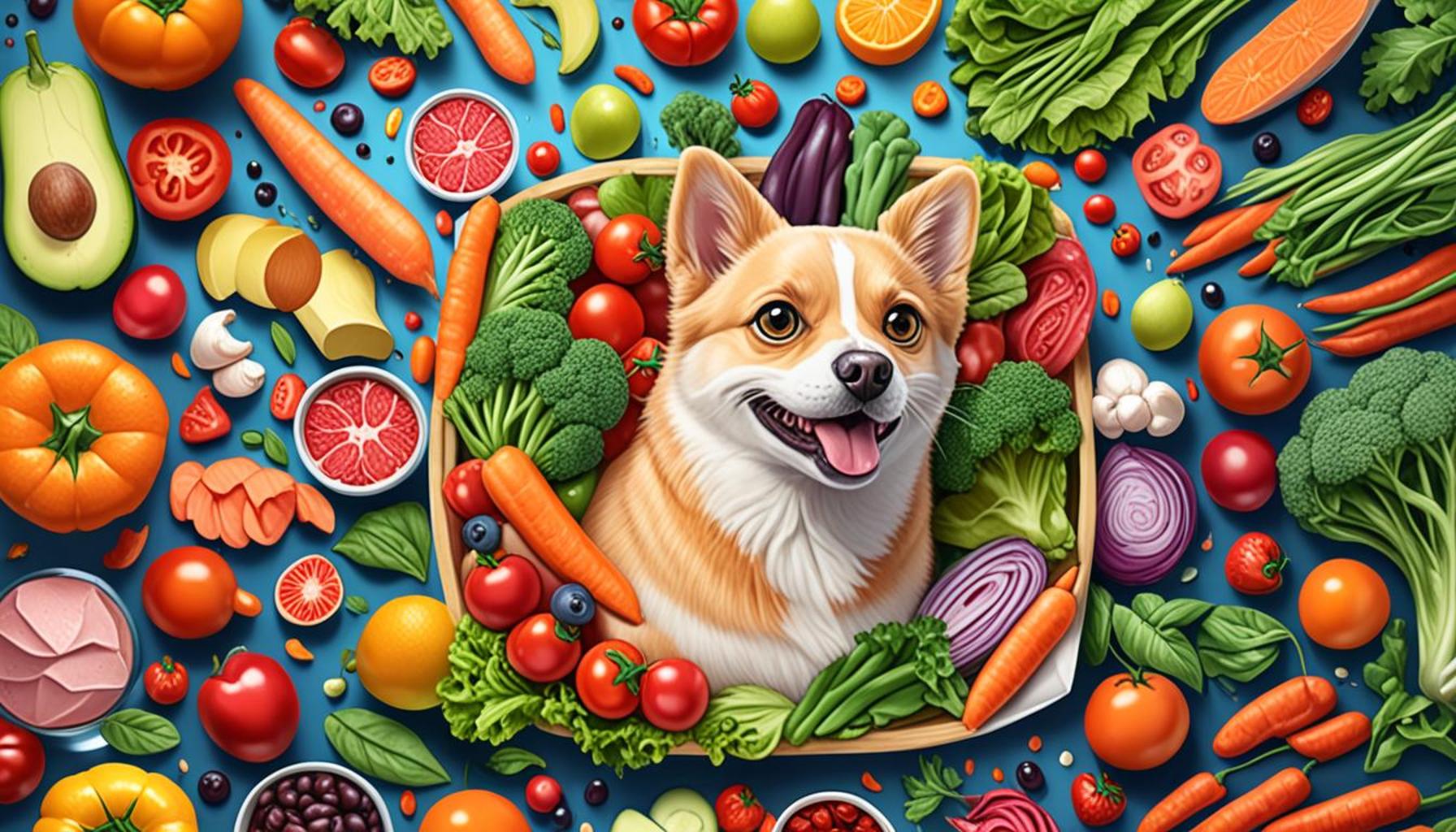
The importance of a balanced diet for the long-term health of dogs and cats

The Importance of Nutrition in Pet Care
Providing a balanced diet for your dog or cat is one of the most critical aspects of pet ownership. Just like humans, our furry companions require a variety of nutrients to maintain their health and vitality over the years. Understanding what constitutes a healthy diet can make all the difference between a thriving pet and one that struggles with illness or lethargy.
The benefits of a nutritionally balanced diet are profound and multifaceted. When pets receive the right mix of vitamins, minerals, fats, proteins, and carbohydrates, they exhibit:
- Improved overall health: A nutritious diet helps in the prevention of chronic diseases such as heart disease and arthritis.
- Stronger immune system: Proper nutrition enhances the body’s defense mechanisms, making pets less susceptible to infections and illnesses.
- Enhanced energy levels: Diets rich in essential nutrients lead to increased energy, enabling pets to engage in playfulness and activity.
- Better coat condition: Well-nourished pets often sport shiny, healthy coats, while poor nutrition can lead to skin issues and dull fur.
- Longer lifespan: Research shows that pets on a balanced diet live longer, healthier lives, reducing the chances of obesity-related conditions.
As responsible pet owners, remaining attentive to the specific dietary needs of our animals is crucial. For instance, the dietary requirements of a dog considerably differ from that of a cat, rooted in their unique evolutionary adaptations. Here are some critical factors to consider:
- Age: Puppies and kittens have different nutritional requirements compared to adult or senior pets. Growing pets typically need higher protein and fat to support their rapid development, while older pets may benefit from diets lower in calories but enriched with fiber and antioxidants to combat age-related issues.
- Breed: Individual breeds may require specialized diets. For example, large breeds like Great Danes can be prone to bloat and may do better with specific formulations that help mitigate that risk, while small breed dogs may need more calorie-dense foods to maintain their energy levels.
- Activity Level: Active pets, whether they are training for agility competitions or simply enjoy long walks, should have diets rich in protein to support muscle repair and overall vitality.
Furthermore, it’s essential to avoid common pitfalls associated with poor nutrition. Many pet owners might not realize that overfeeding can lead to serious health issues such as obesity and diabetes. It’s vital to monitor portion sizes, choosing food brands with transparent ingredient lists and guidelines suited to your pet’s specific requirements.
Ultimately, investing time in understanding the importance of a balanced diet will allow your beloved pets to enjoy longer, happier lives. By doing so, you’re not just feeding them but nourishing their bodies and spirits, ensuring they remain vibrant members of your family.

DIVE DEEPER: Click here to discover effective training techniques
Understanding Nutrient Requirements for Pets
When considering the importance of a balanced diet for dogs and cats, it’s essential to evaluate the specific nutrient requirements unique to each species. Dogs are omnivores, capable of digesting a mix of animal and plant-based foods, while cats are obligate carnivores, relying primarily on meat to fulfill their nutritional needs. This fundamental difference informs the type of diets each should be fed to maintain optimal health.
For dogs, a well-rounded diet includes:
- Proteins: Essential for growth, muscle development, and tissue repair. Sources include lean meats, fish, and eggs.
- Fats: Provide energy and support cell growth. Healthy fat sources include fish oil and chicken fat, which also support a shiny coat and healthy skin.
- Carbohydrates: While not essential, they are useful for energy and digestion. Ingredients like sweet potatoes and whole grains can be beneficial.
- Vitamins and Minerals: Vital for numerous bodily functions, these micronutrients support everything from the immune system to bone health.
On the other hand, feline companions thrive on diets that are higher in protein and fat yet lower in carbohydrates. Cats require specific nutrients, such as:
- Taurine: An amino acid necessary for heart health and vision, which is found predominantly in animal tissues.
- Arachidonic Acid: A fatty acid that cats cannot synthesize themselves, found in animal fats, crucial for skin, coat health, and various bodily functions.
- Vitamin A: Unlike dogs, cats cannot convert beta-carotene from plants into Vitamin A, making a meat-based diet essential for their health.
- Niacin: Another critical nutrient, cats need directly from their diet, primarily obtained through meat sources.
With these differing requirements in mind, pet owners must read food labels carefully and select brands that meet the specific nutritional needs of their pets. The Association of American Feed Control Officials (AAFCO) provides guidelines to help ensure that pet foods are nutritionally balanced and appropriate for different life stages, including puppy, adult, and senior formulas.
Moreover, pet owners should remain wary of misleading marketing claims that can complicate dietary choices. Phrases like “natural” or “premium” do not guarantee a healthy diet. Understanding ingredient lists and nutrient profiles aligns with the growing movement towards transparency in pet food manufacturing, aiding owners in making educated dietary decisions.
In unison with a balanced diet, regular veterinary check-ups are instrumental in monitoring your pet’s health. Such check-ups can assist in identifying dietary deficiencies any changes in weight, or even the onset of health issues linked to poor nutrition, thereby allowing for timely intervention.
Providing your dog or cat with a properly balanced diet not only enhances their immediate well-being but sets the foundation for a longer, healthier life. Prioritizing their nutritional needs is one of the most loving and responsible choices you can make as a pet owner. By actively engaging in understanding their requirements, you’ll contribute significantly to their overall quality of life.
The Importance of Proper Nutrition
A balanced diet is essential for the long-term health of dogs and cats, impacting their overall wellness, vitality, and longevity. The right mix of nutrients including proteins, fats, vitamins, and minerals not only supports normal physiological functions but also fortifies the immune system, making pets less susceptible to diseases. Moreover, adequate nutrition can significantly enhance the quality of life, ensuring that our furry companions remain active and playful throughout their lives.
Preventing Common Health Issues
Providing a balanced diet can serve as a preventative measure against common health conditions. For instance, obesity—an increasing concern among pets—can be effectively managed through appropriate portion sizes and nutrient-dense foods. Similarly, diseases such as diabetes and kidney dysfunction can often be mitigated with nutritious diets tailored to the specific needs of dogs and cats. Understanding the nutritional requirements of your pet, based on their age, breed, and activity level, is crucial for maintaining their health.
Long-term Benefits
Investing in a quality diet pays dividends over time. Pets that consume balanced meals tend to have healthier skin, shinier coats, and cleaner teeth. Furthermore, good nutrition can enhance cognitive function in older pets, helping them to remain alert and engaged. Owners are encouraged to consult with veterinarians to ensure their pets receive food tailored to their unique health profiles, ensuring every pet thrives with nutritional balance.
| Category | Description |
|---|---|
| Essential Nutrients | Key components such as proteins, fats, vitamins, and minerals foster optimal health. |
| Disease Prevention | A healthy diet can prevent obesity, diabetes, and other common ailments. |
In sum, the significance of a balanced diet in the long-term health of our beloved dogs and cats cannot be overstated. As pet owners, we must take an active role in understanding and implementing nutritional requirements to ensure a healthy and vibrant life for our companions.
DISCOVER MORE: Click here to learn about balanced nutrition for your pets
Common Dietary Missteps to Avoid
Despite a general understanding of the importance of a balanced diet for the long-term health of dogs and cats, pet owners often make nutritional missteps that can lead to serious health issues. Recognizing these pitfalls can provide a clearer path toward optimal pet nutrition.
One common mistake is the excessive feeding of carbohydrates, which, while not inherently harmful in moderate amounts, can lead to obesity in pets. Many commercial dog and cat foods are high in grain fillers, leading to unnecessary weight gain. This is particularly concerning in dogs, where obesity has been directly linked to joint problems, diabetes, and cardiovascular issues. A 2021 study by the Association for Pet Obesity Prevention found that over 50% of dogs in the United States were classified as overweight or obese, illustrating the urgent need for balanced diets rather than calorie-dense, carbohydrate-heavy foods.
Equally critical is the often-overlooked aspect of homemade diets. While crafting meals at home may seem like a natural and wholesome alternative, many pet owners inadvertently create unbalanced meals lacking essential nutrients. For example, a common homemade dog food might inadvertently lack adequate calcium or specific vitamins required for growth and overall health. Consulting with a veterinarian or a pet nutritionist is crucial when considering home-prepared meals to ensure that they meet the comprehensive dietary needs of pets.
Another area of concern is the overreliance on treats. While it’s tempting to reward pets with snacks, many commercial treats are laden with sugars, fillers, and preservatives, which can exacerbate weight gain and lead to gastrointestinal issues. Setting clear treat guidelines and ensuring that they make up no more than 10% of daily caloric intake helps maintain a healthy balance. Utilizing healthier options like fresh fruits and vegetables can also not only delight your pet but contribute beneficial nutrients to their diet.
In addition to these common dietary missteps, it is essential to remain informed about food allergies and intolerances. Symptoms of allergies can include vomiting, diarrhea, itching, and skin irritations. Many times, these reactions stem from the protein sources or additives in commercial pet foods. For example, chicken and beef are frequent culprits of food allergies in dogs. If a pet displays such symptoms, a vet’s guidance is paramount to identify potential allergens and adjust their diet accordingly.
Another significant factor to consider is the role of life stage adjustments in a pet’s diet. Puppies and kittens have different nutritional requirements than adult or senior pets due to their growth and development stages. For instance, a growing puppy needs a diet rich in protein and calories to support its rapid growth, while senior pets may require lower calorie options to prevent obesity, along with higher fiber to aid digestion. Following specific guidelines can help keep pets in prime health throughout their lives.
Ultimately, understanding and addressing these dietary nuances is a critical step toward ensuring the health and longevity of your pets. A well-informed approach to pet nutrition not only extends their lives but significantly enhances their quality of life, creating more joyful moments for you and your furry friends.
DISCOVER MORE: Click here to learn about your pet’s nutrition
Final Thoughts on Pet Nutrition
In conclusion, the importance of a balanced diet for the long-term health of dogs and cats cannot be overstated. Not only does proper nutrition play a vital role in preventing obesity and promoting a healthy lifestyle, but it also contributes significantly to the prevention of chronic diseases that can plague our beloved pets as they age. Understanding the specific dietary needs based on various factors such as age, breed, and individual health conditions is essential for providing a well-rounded meal plan that keeps pets thriving.
With the alarming statistics regarding pet obesity and diet-related health issues, pet owners must take a proactive approach. This includes being vigilant about ingredient labels, avoiding unnecessary fillers, and ensuring a variety of nutrients are included in commercial dog and cat foods. Furthermore, when venturing into homemade diets, consultations with veterinarians or pet nutritionists are critical to avoid the common pitfalls that can lead to nutritional deficiencies.
Additionally, fostering a culture of healthy treats and recognizing food allergies or intolerances can go a long way in promoting better health outcomes. By keeping track of your pet’s weight and nutritional intake, you can create a customized feeding regimen that ensures they receive the best care possible.
Ultimately, investing time and effort into understanding the dietary requirements of your furry companions will not only extend their lifespan but also enrich the quality of your shared moments. As responsible pet owners, we have the opportunity to support the long-term well-being of our dogs and cats through informed dietary choices, paving the way for happier, healthier lives for our pets.