The Importance of Positive Reinforcement in Dog Behavior Training

Unlocking Your Dog’s Potential
The journey of dog training often leads us to a fundamental truth: dogs thrive on positive reinforcement. This method not only shapes behavior but also strengthens the bond between humans and their canine companions. Understanding its significance is crucial for effective training.
Why Positive Reinforcement Matters
Implementing positive reinforcement in dog training offers numerous benefits that extend beyond mere obedience. Here are some essential points regarding the value of this technique:
- Encourages Good Behavior: Rewarding desired actions, such as sitting on command or not jumping on guests, motivates dogs to repeat those actions. For instance, a simple “good boy” said in an enthusiastic tone, paired with a treat, can significantly enhance a dog’s willingness to comply.
- Enhances Learning: Research has shown that dogs learn faster when they receive positive feedback. A study conducted by the University of Pennsylvania highlighted that dogs trained with reward-based methods were able to master commands up to 30% faster than those trained using aversive techniques.
- Reduces Anxiety: A stress-free environment fosters better learning experiences. Dogs trained with positive reinforcement are generally more relaxed and confident, leading to a happier pet and a more harmonious home. This is particularly valuable in American households where dogs often inhabit spaces filled with various stimuli.
Effective Training Techniques
Using positive reinforcement can include various methods, each tailored to fit your dog’s personality and preferences. Some effective techniques are as follows:
- Praise: Simple verbal affirmations like “great job” or “who’s a good boy?” can boost a dog’s confidence. For many dogs, the tone of your voice can be as rewarding as food.
- Treats: Small, tasty rewards—such as cut-up pieces of hot dogs or special dog treats—encourage quick responses to commands. The key is to use these rewards wisely, ensuring they are small enough not to overfeed your pet.
- Toys: Incorporating play into training can make the experience enjoyable. For example, a game of tug-of-war following a successful command reinforces the positive experience of following directions.
By embracing the principles of positive reinforcement, you’re not just training a dog but also nurturing a happy, well-adjusted pet. The ripple effects of this training are profound, potentially leading to a more peaceful household and enhancing the relationship with your furry friend. With patience and consistency, positive reinforcement can transform your dog’s behavior, making them not just well-behaved but also a cherished member of the family. Explore how this method can illuminate new paths in your dog’s learning journey and enrich your life together!
DISCOVER MORE: Click here to learn effective training tips
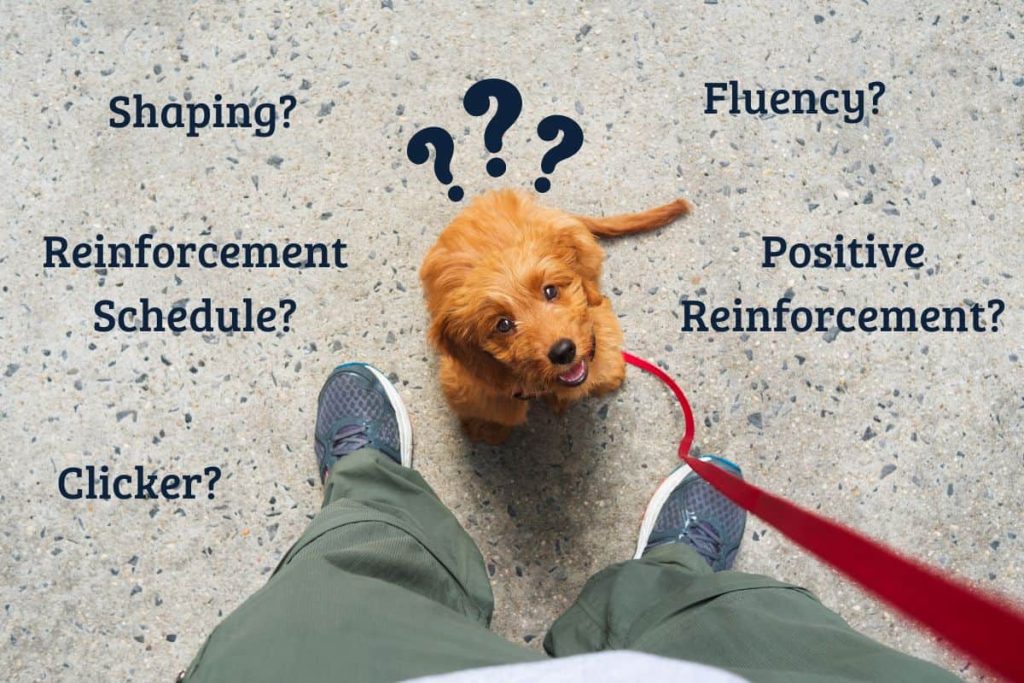
Building a Trusting Relationship
When it comes to dog behavior training, establishing a trusting relationship between the owner and the dog is key. Positive reinforcement allows for this nurturing bond to flourish, creating a channel of communication that enhances understanding and respect. Dogs are social creatures, naturally inclined to seek approval from their human companions, and using this to our advantage leads to more successful training sessions.
Understanding How Dogs Learn
To appreciate the significance of positive reinforcement, we must first delve into the cognitive processes involved in canine learning. Dogs primarily learn through association, which means that they connect specific actions with outcomes. By using positive reinforcement strategies, owners can effectively shape behaviors over time. Here are some insights into how this works:
- Reward Timing: Timing is crucial in dog training. Delivering a reward immediately after a desired behavior reinforces the action in the dog’s mind, making it more likely for them to replicate it in the future. For instance, if your dog sits on command, ensuring they receive a treat or praise the moment they comply will reinforce that behavior.
- Consistency is Key: Dogs thrive in structured environments, and consistency plays a vital role in their training. By utilizing the same commands and rewards, dogs can better understand what is expected of them. For example, consistently rewarding your dog when they come when called will strengthen that behavior over time.
- Gradual Challenges: Positive reinforcement also allows for gradual progression in training. Start with simple commands and gradually introduce more complex tasks as your dog becomes proficient. This incremental approach prevents discouragement and keeps the learning experience enjoyable.
Beyond merely teaching commands, positive reinforcement fosters an environment of encouragement and support. When your dog feels secure and rewarded for their efforts, they are more likely to approach training with enthusiasm. This sense of joy transforms training into a fun activity rather than a chore, bridging the gap between you and your furry friend.
The Benefits of Positive Reinforcement
The benefits of employing positive reinforcement in dog training cannot be overstated. Dogs that respond well to positive reinforcement display less aggression and anxiety, creating a more peaceful household dynamic. Not only does this method contribute to better behavior, but it also promotes emotional well-being for both the dog and its owner.
Furthermore, positive reinforcement aligns closely with the modern philosophy of animal training, which prioritizes humane treatment and the psychological health of pets. This method is also more effective for puppies, who are exceptionally receptive to rewards and encouragement, making early training a perfect opportunity to shape a well-mannered adult dog. As dog owners in the United States increasingly lean towards gentle training methods, understanding the merits of positive reinforcement becomes essential for fostering well-behaved, happy companions.
When approaching dog behavior training, employing positive reinforcement techniques yields remarkable benefits that influence both the dog’s temperament and the owner’s experience. Understanding the core aspects of this method allows handlers to cultivate a harmonious relationship with their canine companions.
This approach focuses on rewarding desirable behaviors rather than punishing undesired ones, which fosters a learning environment based on trust and motivation. Dogs trained with positive reinforcement are more likely to engage and perform consistently, driven by the anticipation of rewards, such as treats, praise, or playtime. This technique not only promotes effective learning but also enhances the dog’s confidence, which is crucial in building a stable and happy canine disposition.
Moreover, research shows that using positive reinforcement can accelerate the training process. Dogs tend to remember rewarded behaviors, making them more inclined to repeat those actions in the future. This form of training reduces anxiety and fear in dogs, significantly lowering the risk of behavioral issues stemming from stress or punishment. As a result, owners experience less frustration, leading to a more enjoyable training journey.
Incorporating positive reinforcement in dog training opens up a realm of possibilities for owners. With this method, dogs are equipped not only to learn commands but also to develop essential life skills that enhance their social interactions and well-being. Observing the bond between a dog and its owner strengthen through mutual respect and reward becomes a rewarding experience in itself.
| Category 1 | Category 2 |
|---|---|
| Building Trust | Creates a secure environment for dogs |
| Effective Learning | Dogs remember rewarded behaviors, improving retention |
| Reduced Stress | Lower risk of behavioral issues linked to anxiety |
By embracing positive reinforcement, dog owners set the stage for a training experience that nurtures development, understanding, and mutual respect, leading to a deeply rewarding companionship with their furry friends. A well-trained dog not only exhibits improved behavior in various settings but also enriches the lives of everyone around them, reflecting the essence of why positive reinforcement is pivotal in dog behavior training.
DON’T MISS OUT: Click here to enhance your dog training skills
The Long-Term Impact of Positive Reinforcement
Employing positive reinforcement not only proves advantageous in the immediacy of training but also has long-lasting effects on a dog’s behavior and overall temperament. Understanding this prolonged impact can help dog owners invest in the future of their pet’s behavior, shaping well-adjusted companions for years to come.
Encouraging Lifelong Good Behavior
One of the most compelling reasons to utilize positive reinforcement is its ability to cultivate long-term good behavior. Unlike punitive training methods, which may only suppress undesirable behaviors, positive reinforcement actively promotes desirable ones. For instance, a dog trained to associate coming when called with a reward is more likely to respond positively throughout its life, regardless of distractions. This benefit manifests not only in training scenarios but also in daily routines. A dog that understands the rewards of good behavior—such as being calm during mealtime or staying by its owner’s side on walks—tends to exhibit these behaviors consistently.
Enhancing Problem-Solving Skills
Positive reinforcement is also instrumental in developing a dog’s cognitive abilities. When owners reward their pets for problem-solving—such as figuring out how to navigate obstacles or executing a command under difficult circumstances—they encourage critical thinking. This cognitive training can lead to improved decision-making in everyday situations. According to a study published in the Journal of Veterinary Behavior, dogs trained with positive reinforcement have shown significant improvements in their ability to learn new tasks compared to those trained with aversive methods.
Promoting Socialization and Reducing Behavioral Issues
Proper socialization is a cornerstone in the development of any dog. By utilizing positive reinforcement, owners can equip their pets with the skills necessary for pleasant interactions with people, other dogs, and varied environments. When dogs are rewarded for calm behavior around new stimuli—be it unfamiliar dogs at the park or strangers walking by—they become more adaptable and confident. This confidence often translates into a decline in fearful or aggressive reactions, significantly reducing behavioral issues and leading to a more harmonious existence with humans and other animals.
A Preventive Approach to Behavioral Problems
Many pet owners may not realize that positive reinforcement can serve as a preventive measure against behavioral problems down the line. By focusing on rewarding positive behaviors and addressing potential issues before they arise, owners can minimize concerns associated with separation anxiety, destructive chewing, or excessive barking. For instance, rewarding a puppy for exploring new areas instead of reprimanding it for unwanted behaviors that stem from fear can foster curiosity rather than anxiety. Research indicates that early and consistent training can prevent many behavioral issues before they develop into problematic habits.
Furthermore, as more dog trainers and behaviorists in the United States recognize the benefits of positive reinforcement, the training community actively shifts toward this humane approach. This growing trend speaks volumes, indicating not only a change in training philosophy but also a broader societal shift towards understanding our pets better and wanting the best for their well-being.
DIVE DEEPER: Click here to discover the latest in veterinary innovations
Conclusion: Embracing Positive Reinforcement for a Better Future
In the evolving landscape of dog behavior training, the shift towards positive reinforcement underscores its significance in creating strong, trusting bonds between pets and their owners. Not only does this approach yield immediate benefits, such as enhanced obedience and socialization, but it also fosters lasting behavioral improvements that can transform a dog’s life. By focusing on rewarding desired behaviors, owners invariably nurture intelligent, confident, and well-adjusted companions who thrive in varied environments.
The long-term effects of positive reinforcement further extend to preventing behavioral issues, providing pet owners with invaluable tools to address potential challenges before they manifest. With proper training, the likelihood of detrimental behaviors like anxiety or aggression diminishes, paving the way for peaceful coexistence.
Moreover, as the dog training community increasingly embraces positive reinforcement techniques, it highlights a growing understanding of our furry friends’ emotional and psychological needs. This paradigm shift towards humane training is not just a trend; it reflects a fundamental change in how we perceive and relate to our pets.
In summary, the benefits of positive reinforcement in dog behavior training are indisputable and far-reaching. For current and prospective dog owners, adopting this methodology is not merely a training choice; it is an investment in a harmonious future with a beloved pet. As more individuals commit to these rewarding practices, the result is a community of dogs who not only behave well but also lead enriched, fulfilling lives.