Tips for Creating a Safe and Comfortable Environment for Pets
Creating a Safe Haven for Your Pets
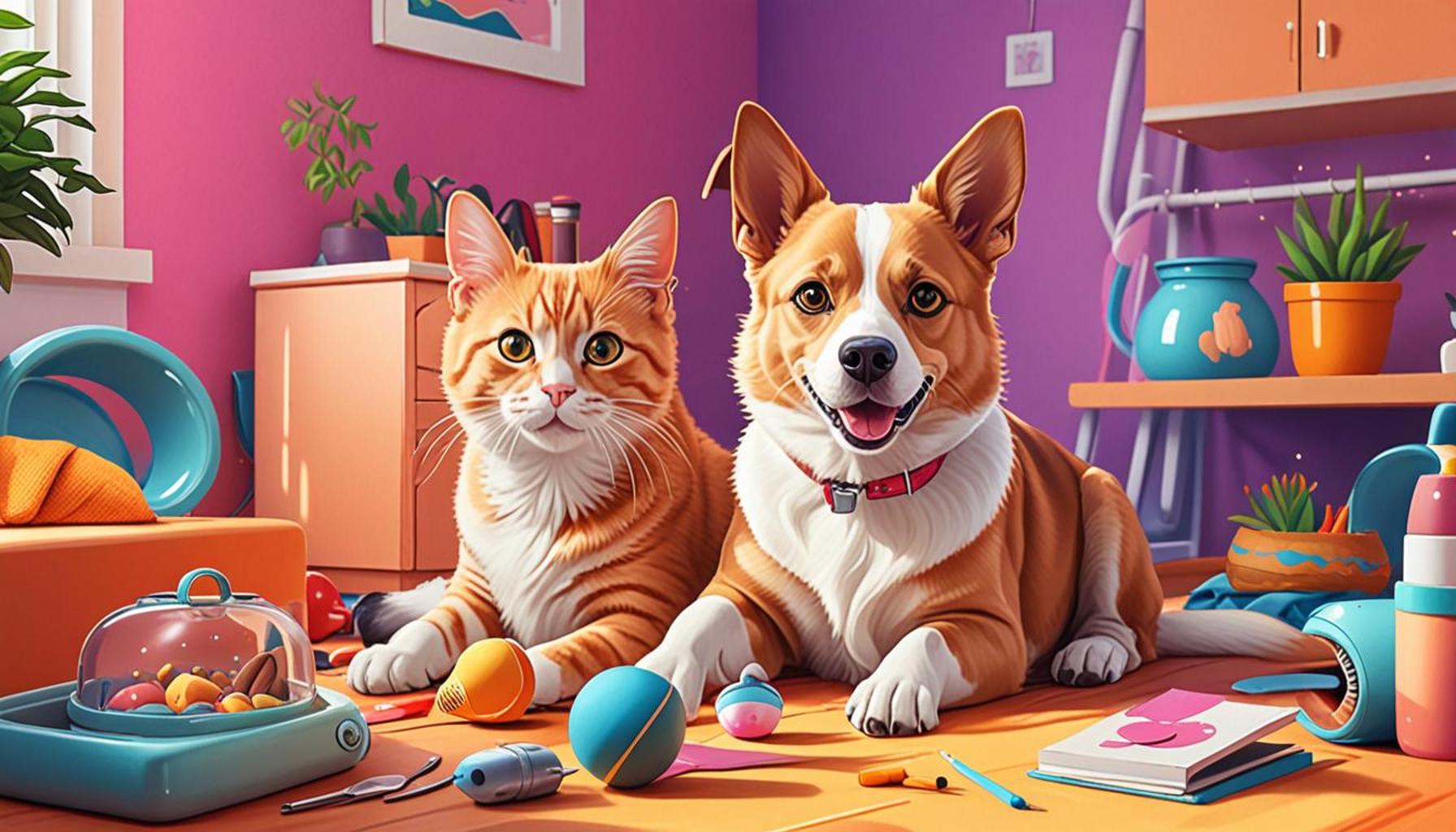
For pet owners, the emotional connection with their furry companions is unbreakable, and this relationship calls for an environment that promotes safety and comfort. A harmonious living space not only fosters their physical and mental well-being but also deepens the bond with their owners. Below, we explore essential tips and considerations to transform your home into a secure and nurturing sanctuary for your pets.
Essential Features for a Pet-Friendly Home
- Safe Spaces: It is important to create designated areas specifically for your pets. This can be a quiet corner with a bed or a cozy crate in a low-traffic room where they can retreat for relaxation. Having these safe havens allows pets to unwind and feel secure in a bustling household.
- Health Precautions: Pet owners must be vigilant about potential dangers lurking in their homes. Many common household items, such as certain houseplants like lilies and azaleas, can be toxic to cats and dogs. Moreover, cleaning supplies and chemicals should be stored out of reach or replaced with pet-safe alternatives. Regularly checking your home for hazards can dramatically reduce the risk of accidents.
- Comfort Items: Providing a range of comfort items is crucial. Plush bedding allows pets to enjoy restful sleep, while interactive toys engage them mentally and keep boredom at bay. Pet-approved puzzles can stimulate your pet’s mind and help to mitigate destructive behavior that arises from anxiety or excess energy.
Continuously assessing your pet’s behavior is a proactive approach to ensuring they feel secure. For instance, if your dog often seeks out a quiet spot during thunderstorms, consider creating a safe zone in that area. Understanding and accommodating their individual needs contributes significantly to a pet’s sense of contentment.
Additional Considerations
- Temperature Control: Your pet’s comfort level is greatly influenced by temperature. During sweltering summer months or frigid winter days, providing a climate-controlled environment can help maintain their comfort. Air conditioning or heating systems should be adjusted to accommodate pets, and considerations for appropriate bedding can also play a pivotal role.
- Exercise Opportunities: Regular physical activity is essential for your pet’s health. Create a secure outdoor space with proper fencing to allow them to roam freely while being safeguarded from any potential hazards. Consider including features like paths for jogging or play areas stocked with toys to encourage active lifestyles.
- Routine and Consistency: Establishing a daily routine significantly benefits pets, particularly during transitions like moving to a new home or the addition of a new family member. Predictability in feeding times, walks, and play sessions can greatly alleviate anxiety, helping your pet feel more anchored.
By implementing these strategies, you can create a nurturing environment that significantly enhances your pet’s quality of life. Remember, simple adjustments such as ensuring safe spaces or providing adequate stimulation can lead to a happier and healthier companion. Follow along as we delve deeper into each of these topics, uncovering additional ways to create the perfect haven for your beloved pets.
DISCOVER MORE: Click here for expert tips on pet nutrition
Designing a Thoughtful Pet Environment
Creating a safe and comfortable home for your pets involves more than just providing food and water; it encompasses a holistic approach to their living conditions. This means being mindful of your pet’s unique personality, preferences, and needs. When setting up a nurturing environment, consider the following key dimensions that contribute to their well-being:
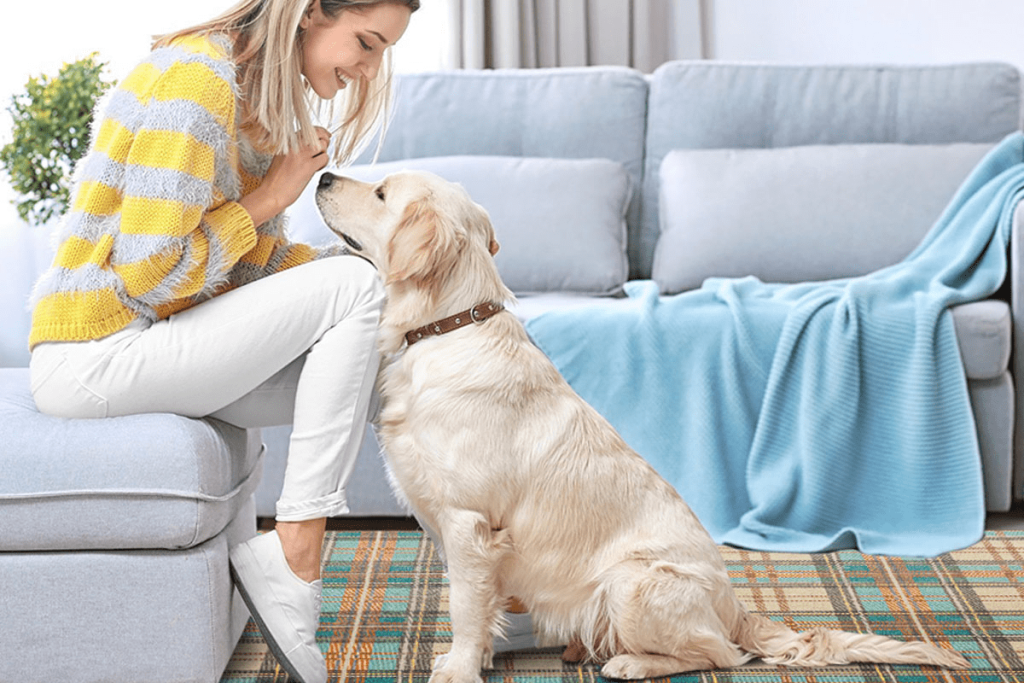
- Safe Toys: The importance of having the right toys cannot be overstated. Look for toys that are made from non-toxic materials and are appropriate for your pet’s size and chewing strength. Regularly inspect toys for wear and tear, as damaged toys can pose choking hazards or risks of ingestion. By providing a variety of engaging options, you can help alleviate boredom and promote mental stimulation, making playtime enjoyable and safe.
- Secure Space: Pet-proofing your home is crucial. This includes anchoring heavy furniture to the wall to prevent toppling, securing electrical cords, and ensuring windows and balconies are screened. If your pets have access to a yard, make sure it is securely fenced and free of gaps. Creating a secure area empowers pets to explore safely while minimizing their chances of escaping or getting into trouble.
- Sanctuaries for Different Needs: Each pet has distinct preferences for personal space. While some pets enjoy interacting with family members, others may prefer solitude. Respecting these differences by setting up multiple comfy spots throughout your home can cater to varying needs. Consider designating a sunlit area for cats to lounge or a quiet nook filled with blankets for dogs who value rest. These personal retreats can promote feelings of safety and security.
Another crucial aspect of creating a safe environment is being aware of your pet’s behavioral cues. For instance, if you notice your dog becoming anxious during loud noises like thunder, investing in noise-canceling blankets or familiar toys can provide comfort during such stressful times. Recognizing when a pet seems overwhelmed allows you to adjust their environment to better suit their emotional state.
The Role of Hygiene and Cleanliness
A clean home is a happy home, and this applies to your pet’s living quarters as well. Regular cleaning not only maintains hygiene but also promotes a healthier environment. Ensure that food and water bowls are cleaned daily, and that litter boxes or pet bedding are maintained. In addition, a well-kept environment reduces allergens and the buildup of odors, creating a more pleasant atmosphere for both pets and humans.
Investing in high-quality cleaning supplies that are safe for pets plays a significant role in maintaining a clean home. As you declutter your space, consider how pet-friendly your cleaning products are, as some traditional cleaners may be harmful. Opt for pet-safe, biodegradable, and non-toxic products whenever possible to ensure that your living space remains welcoming for your beloved companions.
Ultimately, by being proactive about safety, comfort, and cleanliness, pet owners can create a secure environment that fosters healthy and fulfilling lifestyles. Stay tuned as we delve deeper into specific strategies to enrich your pet’s surroundings, further enhancing their emotional and physical health.
Tips for Creating a Safe and Comfortable Environment for Pets
Creating a safe and comfortable environment for your pets is essential to ensure their well-being. This encompasses everything from the physical layout of your home to the emotional needs of your furry friends. Here are some detailed insights on enhancing your living space for the comfort and safety of your pets.
Preventing Hazards
Identify potential dangers within your home such as harmful plants, electrical cords, and choking hazards. Keep cleaning supplies and medications securely stored away. Use pet-proof locks on cabinets to prevent curious pets from accessing dangerous items. Taking these precautions can significantly reduce the risk of accidents.
Creating Comfortable Spaces
Designate specific areas in your home for pets to relax and feel secure. This may involve providing a cozy bed in a quiet corner or creating an appealing play area. Ensure that spaces are warm, with soft bedding and accessible toys to promote comfortable rest and activity. Consider pet furniture that integrates seamlessly with your home decor while catering to your pet’s needs.
Ensuring Good Ventilation and Temperature Control
Maintain proper ventilation and an optimal temperature throughout your home. Pets are sensitive to heat, and providing a cool, well-ventilated area in summer can prevent overheating. Use air conditioning, ceiling fans, or simply open windows to enhance air circulation. Additionally, avoid exposing pets to cold drafts during winter months.
Regular Exercise
Physical activity is crucial for pets’ health and happiness. Designate safe outdoor areas for them to play and explore. Regular walks and engaging with toys not only help keep pets fit but also allow them to expend energy positively. Explore local parks that designate pet-friendly zones for socialization and fun.
| Category 1 | Category 2 |
|---|---|
| Safety Precautions | Use pet-friendly chemicals and secure toxic substances. |
| Comfortable Spaces | Create designated relaxation areas with comfort in mind. |
By implementing these tips, you can foster an environment that nurtures your pet’s physical and emotional health. In doing so, you’ll contribute to a happier, healthier life for your beloved companions.
DISCOVER MORE: Click here to learn how adoption matters
Creating a Structured Routine
Animals thrive on routine as it provides them with a sense of stability and predictability. Establishing a structured schedule for feeding, playtime, and rest can significantly impact your pet’s well-being. This not only helps in reinforcing good behaviors but also creates an interactive environment where pets know what to expect, reducing anxiety and uncertainty.
- Feeding Schedule: Stick to specific feeding times according to your pet’s dietary needs. For instance, dogs may require two meals a day, while cats often benefit from smaller, more frequent meals. Consistency in their feeding routine helps maintain proper digestion and prevents obesity.
- Exercise Routine: Incorporating regular exercise into your pet’s daily routine is vital for their physical health. Dogs, in particular, require sufficient physical activity to expend energy and prevent boredom. Consider daily walks, playdates with other dogs, or fun activities like agility training. Cats also benefit from interactive play sessions that encourage jumping and hunting behaviors.
A well-rounded routine can also foster mental enrichment. Introducing puzzle toys, treat-dispensing feeders, or training sessions can challenge your pet cognitively and keep them engaged.
Temperature Control and Comfort
Comfortable temperatures play a pivotal role in the safety and comfort of your pets. Different species have varying tolerance levels to heat and cold. For instance, brachycephalic breeds like Bulldogs or Pugs are particularly susceptible to overheating, while short-haired cats might need additional warmth during winter.
- Climate Control: Make sure your home maintains an optimal temperature. During summer months, ensure your pets have access to air conditioning or shaded areas. On chilly nights, consider providing cozy beds or blankets to help them stay warm. Investing in pet-safe heating pads can also offer added comfort during colder seasons.
- Resting Areas: Create comfortable sleeping arrangements tailored to your pet’s needs. Dogs may prefer soft beds or crates, while cats often enjoy a high perch in a sunny window. Providing these distinct options allows pets to choose where they feel most secure.
Additionally, monitor their body language to assess if they seem uncomfortable or restless, and make adjustments as needed to maintain their comfort level.
Socialization Opportunities
Just as humans benefit from social interaction, pets do too. Regular socialization helps reduce behavioral problems and promotes happiness. Introducing pets to new experiences, environments, or other animals allows them to develop essential social skills.
- Controlled Playdates: Organize play sessions with other pets in a safe and familiar environment. Supervise these interactions to ensure positive experiences. Gradually exposing pets to new animals can foster friendly relationships and reduce fear-based behaviors.
- Community Engagement: Consider enrolling your pet in classes or group activities, such as obedience training or dog parks. These settings not only provide valuable socialization but also keep pets physically active and mentally stimulated.
A well-rounded approach to socialization not only encourages positive interactions but also helps in building a confident and secure pet. By incorporating structured routines, temperature control, comfort measures, and social opportunities into your pet’s environment, you are actively promoting a safe and comfortable lifestyle that is essential for their overall happiness and health. Explore various ideas tailored to your pet’s specific needs and see the difference in their behavior and well-being.
LEARN MORE: Click here to discover the significance of balanced nutrition for your pet’s health
Conclusion
In summary, creating a safe and comfortable environment for pets is a multifaceted approach that significantly contributes to their overall well-being and happiness. By focusing on structured routines, you can enhance your pet’s sense of stability. A consistent feeding schedule and regular exercise not only promote physical health but also instill a sense of predictability that helps reduce anxiety.
Additionally, ensuring adequate temperature control is crucial, as pets can be sensitive to extreme temperatures. Providing them with cozy resting areas and safe spaces to retreat to encourages comfort and security. Socialization, too, plays a pivotal role in a pet’s emotional health. Engaging them in controlled playdates and community activities fosters confidence and reduces fear-based behaviors, paving the way for a joyful and harmonious companionship.
Ultimately, the key lies in being observant and responsive to your pet’s individual needs. Take the time to assess their behavior and comfort levels, making necessary adjustments to their environment and routines. By doing so, you not only create a nurturing atmosphere but also strengthen the bond between you and your pet, enriching both your lives. For further insights and practical tips on this topic, consider exploring local pet resources or connecting with a veterinarian for tailored advice.