The Relevance of Mental Stimulation for Pets: Toys and Creative Activities
The Vital Role of Mental Stimulation in Pet Care
Mental stimulation plays a pivotal role in ensuring that pets lead balanced and fulfilling lives. Just as human beings benefit from engaging in activities that challenge their cognitive abilities, our furry friends also flourish in environments that encourage their intellectual growth. By incorporating mental enrichment practices into their daily routines, owners can significantly improve their pets’ happiness and overall health.
Why is Mental Stimulation Necessary?
- Preventing Boredom: Pets that are not adequately stimulated may suffer from boredom, resulting in destructive behaviors such as chewing furniture, digging holes, or excessive barking. Dogs and cats, in particular, require engaging activities to combat this ennui. A bored dog might tear apart cushions, while an under-stimulated cat may turn its attention to knocking over priceless decorations.
- Enhancing Bonding: Engaging in interactive playtime offers much more than mere entertainment—it fosters deeper connections between pets and their owners. For example, playing tug-of-war with your dog or engaging in a game of fetch not only strengthens your bond but also increases trust and affection. Such experiences contribute to a pet’s emotional security, making them feel loved and valued.
- Cognitive Development: Just like us, pets need mental challenges to grow cognitively. Engaging activities stimulate your pet’s mind and encourage them to learn new skills. For instance, teaching your dog a new trick, like rolling over or playing dead, not only showcases their intelligence but also reinforces training in an enjoyable manner.
Effective Toys and Activities
- Puzzle Toys: These innovative toys are designed specifically to challenge and entertain pets, often featuring treat-dispensing mechanisms that encourage problem-solving. Brands like Nina Ottosson™ offer a variety of puzzle toys that can keep dogs and cats engaged for extended periods.
- Hide-and-Seek Games: Playing hide-and-seek with your pet is a fun way to stimulate problem-solving skills and encourages them to use their noses. By hiding yourself or their favorite toy and having them seek it out, you promote not only mental engagement but also physical activity.
- Training Sessions: Utilizing training sessions as a form of mental stimulation is particularly effective. These sessions not only help reinforce good behavior but also provide a vital outlet for a pet’s energy. Teaching commands or tricks can range from simple “sit” and “stay” to more complex tasks like agility training, which can engage both the mind and body.
Exploring a variety of toys and creative activities can dramatically elevate the mental engagement of your pet. Engaging their minds is crucial—not merely a method for passing time, but a vital aspect of their emotional and physical health. As responsible pet owners, prioritizing mental stimulation should be an integral part of our care routines, ensuring our furry friends remain happy, well-adjusted, and healthy.
DISCOVER MORE: Click here to learn how to prepare your home for a new furry friend
Unlocking Your Pet’s Potential Through Engaging Activities
Providing mental stimulation is essential for the holistic well-being of pets, much like we humans thrive on challenges and creative endeavors. The need for pets to engage their minds has gained increasing recognition among pet owners, veterinarians, and animal behaviorists alike. Not only does mental enrichment keep pets entertained, but it also enhances their overall quality of life, promoting healthy behaviors and reducing stress levels.
Understanding Mental Enrichment
Mental enrichment can be defined as activities and experiences that challenge a pet’s thinking and problem-solving capabilities. These activities stimulate their senses and enhance emotional satisfaction. For instance, a dog that engages in playtime interactive games will learn more than just fetching a ball; it hones its instincts, develops its social skills, and strengthens its bond with its owner. Likewise, for cats, puzzle feeders not only offer nutrition but also an opportunity to mimic natural hunting behaviors, satisfying their innate instincts.
The Benefits of Mental Stimulation for Pets
- Behavioral Improvement: High levels of mental stimulation can lead to improved behavior in pets. When pets are actively engaged, they are less likely to display negative behaviors resulting from boredom, such as excess barking or furniture destruction. A well-stimulated pet is generally more composed and content.
- Cognitive Health: Just like humans, pets need to exercise their minds to stave off cognitive decline. Engaging them in challenging activities can help in maintaining sharpness in their thinking skills, preventing conditions such as cognitive dysfunction in older pets.
- Emotional Well-being: Mental stimulation contributes to emotional health by alleviating anxiety and stress. Pets that regularly participate in engaging activities are more likely to exhibit calm and well-adjusted temperaments, making them happier companions in the long run.
The discussion of mental stimulation leads us to explore the myriad of toys and creative activities that can enrich the lives of our furry companions. The market is flooded with options, from interactive puzzle toys designed to challenge pets to DIY activities that promote creative thinking. By carefully selecting appropriate toys and activities tailored to an individual pet’s preferences and abilities, owners can create a stimulating environment that supports their pets’ mental agility and happiness.
With the understanding of mental enrichment now established, pet owners are encouraged to delve deeper into the world of engaging toys and activities specifically designed to provide the mental stimulation that pets crave. The right combination of these elements serves not just as an outlet for play but as a powerful tool to unlock the full potential of our beloved pets.
| Category | Advantages |
|---|---|
| Cognitive Development | Stimulating toys encourage pets to solve problems and think critically. |
| Physical Health | Active play helps pets maintain a healthy weight and prevents obesity. |
Mental stimulation is vital for pets, as it can significantly enhance their overall well-being. Engaging pets with toys leads to cognitive development, where they learn to navigate challenges and decipher new tasks, aiding their intelligence. Various stimulating activities such as puzzle feeders and interactive toys push them to use their instincts and engage their curiosity, making learning a fun process.Moreover, physical health is another crucial advantage that pet owners should consider. Organized playtime doesn’t just fill time; it combats sedentary lifestyles, promoting exercise and mobility. This is increasingly vital in today’s world, where pets can often lead less active lives due to indoor living. Hence, pets that are mentally and physically engaged are usually healthier, happier, and exhibit fewer behavioral issues, providing a more harmonious living environment for both pets and owners.
DISCOVER MORE: Click here for essential tips on pet nutrition
Exploring Engaging Toys and Creative Activities
When considering mental stimulation for pets, it’s essential to explore a variety of toys and activities suited to their unique needs and instincts. The right combination not only enhances engagement but can also transform playtime into an enriching experience that sharpens a pet’s cognitive abilities.
Types of Toys for Mental Stimulation
Interactive toys are a stellar option for offering pets the mental challenges they crave. For dogs, toys like KONGs stuffed with treats or peanut butter can keep them occupied for hours, inviting them to problem-solve as they work to access the goodies inside. Similarly, for cats, feather wands and laser pointers not only promote physical activity but stimulate their hunting instincts, fulfilling their need for both exercise and mental engagement.
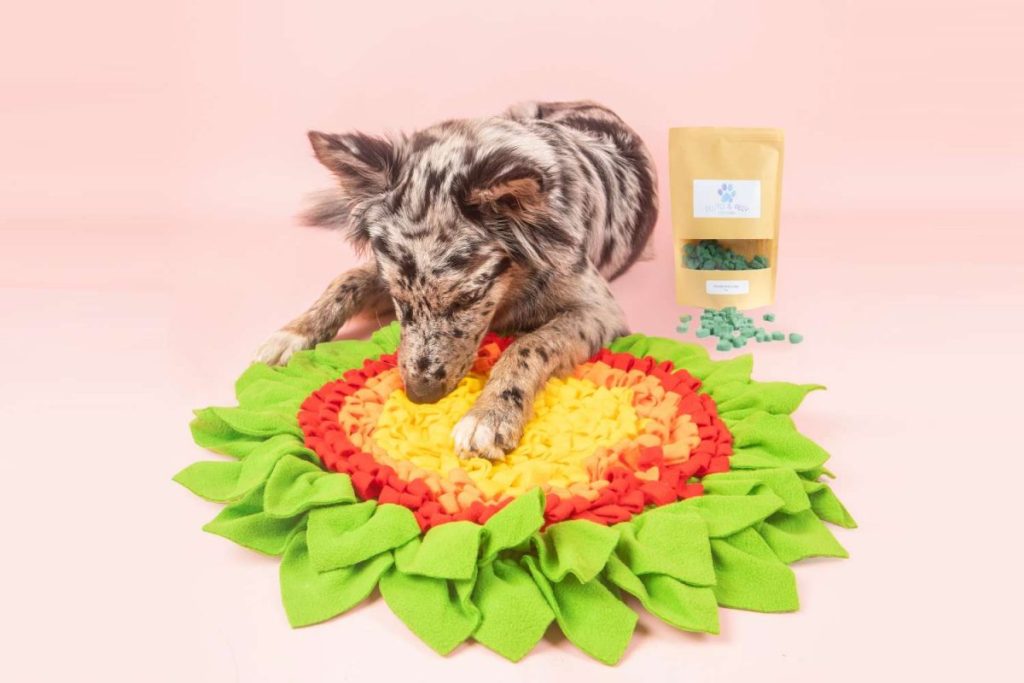
Another category of toys to consider are puzzle feeders. These devices require pets to manipulate their way to the food, honing their problem-solving skills while rewarding their efforts with tasty treats. Brands such as *Outward Hound* and *PetSafe* offer a range of puzzle toys that can adapt in difficulty, allowing owners to increase the challenge as their pet’s skills improve.
DIY Activities to Enhance Engagement
While store-bought toys provide excellent options for mental stimulation, DIY activities are equally effective and can be tailored to the individual pet. Simple household items can be transformed into engaging toys; for instance, a muffin tin filled with tennis balls can create a fun game for dogs or cats. By hiding treats under some of the balls, pets must discover where the rewards are hidden, promoting both exploration and mental sharpness.
For those with more crafty tendencies, creating scent trails using their favorite treats can engage pets’ powerful noses. This activity not only enhances their olfactory skills but encourages them to use their cognitive functions to follow the scent trail. Starting with basic trails and gradually increasing complexity can keep the activity challenging and rewarding.
The Importance of Varied Enrichment
Variety is key when it comes to mental stimulation. Pets, just like humans, can become bored with the same routine. By regularly introducing new toys, puzzles, or activities, owners can keep their pets engaged and excited. For instance, setting up an obstacle course in the backyard or rearranging existing toys can reignite interest and curiosity.
Moreover, engaging in regular training sessions helps foster a strong bond between pets and their owners. Incorporating tricks and commands not only sharpens a pet’s focus and obedience but also stimulates their brains. Utilizing positive reinforcement techniques can transform potential behavioral issues into opportunities for growth and learning.
Given the myriad of options available, it’s crucial for pet owners to consider their pet’s individual preferences and cognitive abilities. By providing a diverse range of stimulating toys and creative activities, owners can unleash their pets’ full potential, ensuring they lead happier, healthier, and more fulfilling lives. The positive impacts of these enrichment techniques extend far beyond mere entertainment; they enrich the human-animal bond, paving the way for happier homes.
DISCOVER MORE: Click here for effective training tips at home
Conclusion: Unlocking the Potential of Our Pets
In conclusion, the significance of mental stimulation for pets cannot be overstated. Engaging toys and creative activities serve not only as sources of entertainment but also as crucial tools for enhancing cognitive function and emotional well-being. By exploring various types of toys, such as interactive items and puzzle feeders, pet owners can offer their animals the mental challenges that cater to their instincts and intelligence.
Furthermore, the introduction of DIY activities highlights the balance between creativity and pet care, demonstrating that mental stimulation can be both affordable and accessible. Simple household items can become extraordinary sources of engagement, allowing pet owners to create enriching experiences tailored to their pets’ preferences. Regularly varying these activities prevents monotony, keeping pets enthusiastic and eager to explore.
Ultimately, the effort invested in providing mental enrichment reaps substantial rewards, strengthening the bond between pets and their owners. Not only do these activities promote happier and healthier animals, but they also foster mutual understanding and companionship. As we strive to enhance our pets’ lives, acknowledging the importance of mental stimulation offers the chance for us to cultivate an environment where they can thrive. Seeking out new toys, activities, and training methods may unlock previously untapped potential in our furry friends. The journey to greater enjoyment and fulfillment for both pets and their humans begins with this realization—let’s embrace the adventure of mental stimulation together.