Nutritional Supplements: When and How to Use for Cats

The Importance of a Balanced Diet for Cats
As a cat owner, ensuring your feline friend has a balanced diet is essential for their health and vitality. The significance of a well-rounded diet cannot be overstated. Cats, being obligate carnivores, require certain nutrients that are naturally found in animal tissues. However, even the best natural food may not provide all the necessary nutrients your cat requires. This is where nutritional supplements come into play.
Identifying the Need for Supplements
Knowing when and how to incorporate these supplements can be confusing, but several factors can help guide your decisions. Understanding your cat’s specific needs is crucial for promoting their well-being.
- Age and Life Stage: Kittens, adults, and senior cats have different nutritional requirements. For example, kittens need additional protein and calories to support their rapid growth and development. Conversely, senior cats may benefit from joint support supplements that help maintain mobility.
- Health Conditions: If your cat suffers from specific health issues, supplementation may be necessary. For instance, cats with kidney disease might need phosphorus binders, while those that are overweight could benefit from supplements that support metabolism and weight management.
- Dietary Gaps: Picky eaters often reject a variety of foods, leading to potential nutritional deficiencies. If your cat is on a restricted diet due to allergies or sensitivities, supplements can help fill in the gaps and ensure they receive optimal nutrition.
Types of Nutritional Supplements
Using the right supplements at the right times can make a significant difference in your cat’s overall health. Here are some of the most common types of supplements:
- Vitamins and Minerals: These are essential for various bodily functions, including immune system support and energy metabolism. For example, Vitamin A is vital for vision, while B vitamins play a role in maintaining a healthy metabolism.
- Probiotics: Similar to those used in human health, probiotics are beneficial bacteria that support gut health and digestion. This can be especially helpful for cats that experience gastrointestinal issues or are recovering from antibiotic treatment.
- Fatty Acids: Omega-3 and Omega-6 fatty acids, commonly found in fish oils, promote healthy skin and coat, reducing issues like dryness and shedding. Not only do they contribute to a lustrous fur coat, but they also support heart and brain health.
Enhancing Feline Health Through Supplements
By understanding the specific needs of your cat, you can effectively enhance their diet with appropriate supplements. Careful consideration and consultation with a veterinarian can lead to informed decisions that keep your furry companion thriving. Whether you are looking to support a kitten’s growth, manage a senior cat’s health, or fill dietary gaps, there is a supplement available tailored to your cat’s unique requirements. Dive deeper into the world of nutritional supplements for cats to discover how they can benefit your furry friend and ensure their continued vitality.
DISCOVER MORE: Click here for the latest trends
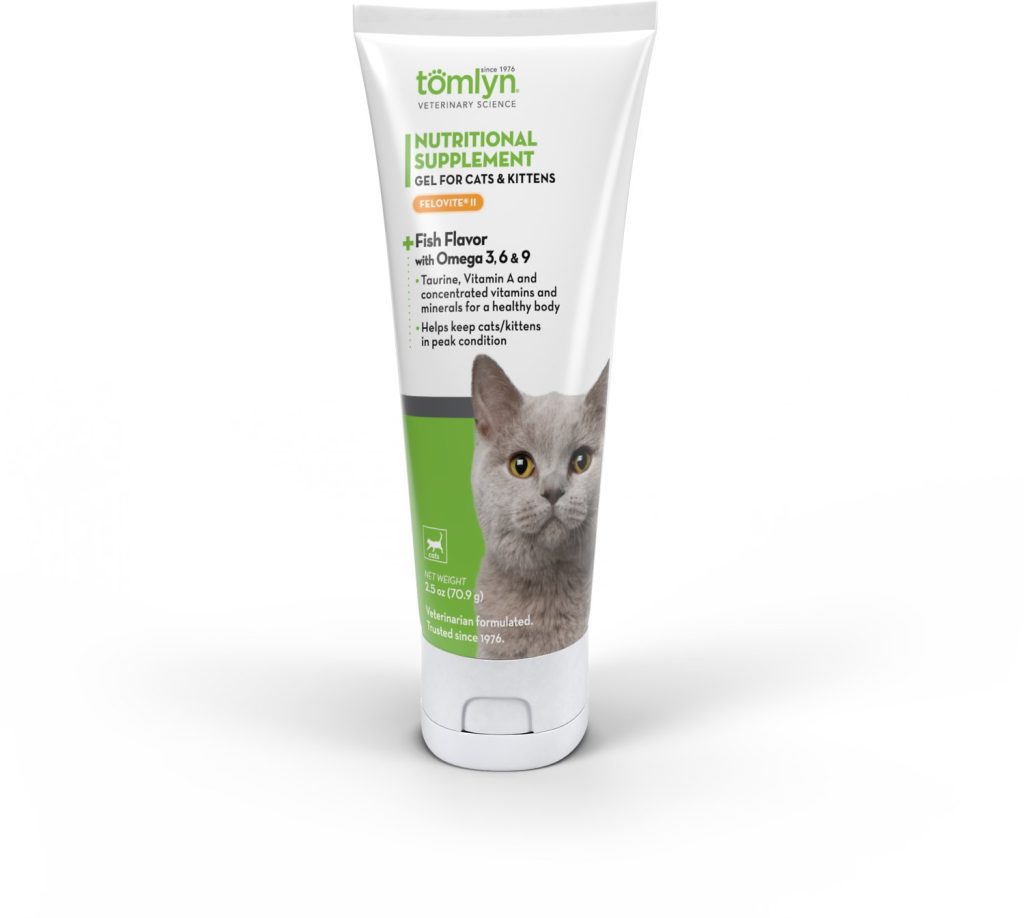
Understanding Your Cat’s Nutritional Needs
To make informed decisions regarding nutritional supplements for cats, it’s important to first understand the unique dietary needs of your feline friend. Just like humans, each cat has its own set of requirements based on various factors, including age, lifestyle, and health status. Here’s a closer look at how these elements impact your cat’s nutrition and the potential need for supplements.
Age as a Factor
Age plays a crucial role in determining your cat’s nutritional needs. Kittens require a diet high in protein and calories to support their rapid growth and playfulness. Just like toddlers, they benefit from a nutrient-dense formula that caters to their developmental stages. In contrast, adult cats demand a balanced, routine diet to maintain their energy levels and overall health. As cats transition into their senior years, their nutritional needs often shift again. Senior cats may need supplements focused on joint support, digestive health, and cardiovascular function to help them remain active as they age.
Health Conditions and Nutritional Gaps
Another significant aspect to consider is your cat’s health conditions. Certain medical issues can affect dietary requirements. For instance, a cat diagnosed with diabetes may benefit from a supplement that aids in blood sugar regulation. Similarly, cats with kidney disease may require phosphorus binders to manage mineral levels in their diet. On the other hand, if your cat is unable to eat a variety of foods due to food allergies or sensitivities, you may need to implement nutritional supplements to ensure they receive adequate nutrition.
Identifying Dietary Gaps
Many cats can be somewhat picky eaters, rejecting foods that are vital to their well-being. This can result in nutritional deficiencies if not addressed effectively. If you notice your cat is selective about their meals, introducing supplements could help bridge those gaps. A veterinarian can guide you in determining which nutrients may be lacking, ensuring your feline friend receives optimal care. Common deficiencies may include essential fatty acids, vitamins, or amino acids, so it’s worthwhile to explore targeted supplements that can enhance their diet.
The Role of Supplements
As you navigate the landscape of nutritional supplements for cats, remember that these products are designed to complement—not replace—a balanced diet. Providing your cat with the right supplements can significantly improve their health and well-being, making them more active and vibrant. Just like humans, as their bodies encounter various changes, your cat’s nutritional needs may evolve as well. Your proactive approach in discussing these aspects with your veterinarian will help you tailor their diet appropriately.
| Category | Description |
|---|---|
| Vitamins | Essential for metabolic processes and immune function. Vitamin E supports skin health, while Vitamin B boosts energy levels. |
| Minerals | Key for bone health and enzyme functions. Calcium strengthens bones, while potassium aids in muscle function. |
| Fatty Acids | Promotes a shiny coat and healthy skin. Omega-3 has anti-inflammatory properties that assist with joint health. |
| Probiotics | Supports digestive health and boosts the immune system. Prebiotics can enhance nutrient absorption. |
Nutritional supplements play a crucial role in the overall health of your cat. To decide when and how to use these supplements, consider factors such as age, health condition, and specific dietary needs. For instance, senior cats may benefit from joint supplements rich in glucosamine and fatty acids to maintain agility and comfort. When introducing new nutritional supplements, it is essential to monitor your cat’s response to avoid any adverse effects.Consulting a veterinarian is advisable before integrating supplements into your cat’s diet. This ensures that you select products tailored to your pet’s unique needs. Educating yourself on the nutritional profiles of various supplements can lead you to informed choices that enhance your cat’s well-being and longevity. This proactive approach empowers pet owners with the tools necessary to make mindful decisions about their furry companions’ health.
DISCOVER MORE: Click here to learn how to prepare your home for a furry friend
Assessing the Need for Nutritional Supplements
Determining when and how to use nutritional supplements for cats requires a thoughtful evaluation of your cat’s overall health, lifestyle, and specific nutritional needs. It’s crucial to analyze their daily diet, consider their activity levels, and consult with a veterinarian to make informed choices. Here are key considerations to help you assess your cat’s need for supplements.
Understanding Ingredient Quality
Not all supplements are created equal, and the quality of ingredients is paramount. When selecting a supplement, look for those that are marked as AAFCO (Association of American Feed Control Officials) approved, which indicates they meet certain regulatory standards. Additionally, consider supplements that contain natural, bioavailable forms of nutrients. For example, omega-3 fatty acids should ideally come from sources such as fish oil or flaxseed oil, providing maximum benefit to your cat’s coat and skin health.
Recognizing Signs of Nutritional Deficiencies
Being observant of your cat’s behavior and physical condition can offer insights into potential nutritional deficiencies. For instance, if your cat exhibits lethargy, poor coat quality, or digestive issues, these could be signs that their diet lacks essential nutrients. Keep an eye out for symptoms such as:
- Unexplained weight loss or gain: A sudden change in weight can indicate metabolic changes or dietary imbalances.
- Frequent vomiting or diarrhea: Digestive irregularities may result from poor nutrition, leading to further deficiencies.
- Dull or brittle fur: A lack of proper fatty acids or proteins can affect your cat’s coat health.
If you notice these symptoms, it’s time to consult with a veterinarian who can recommend appropriate supplements to restore balance.
Different Types of Supplements
Before starting your cat on any supplement, familiarize yourself with the various types available and their specific purposes. Some common categories include:
- Vitamins and Minerals: Essential for overall health and longevity, these can include B vitamins for energy metabolism or calcium for bone health.
- Fatty Acids: Omega-3 and omega-6 fatty acids help promote a healthy coat, skin, and joint health.
- Probiotics: These can enhance digestive health and support the immune system, particularly beneficial for cats with sensitive stomachs.
- Amino Acids: Important for muscle maintenance and overall body function, taurine is a crucial amino acid that many commercial diets may lack.
Understanding which category fits your cat’s specific needs can guide you in selecting the right product.
Timing and Dosage
When introducing supplements to your cat’s diet, timing and dosage are essential. Gradually introduce any new product, monitoring your cat’s reaction. For instance, if a probiotic supplement is being added, start with small doses to prevent digestive upset. Always adhere to the recommended dosage on the label or as prescribed by your veterinarian. Remember, more isn’t always better; excessive supplementation can lead to toxicity or health complications.
Consultation with Your Veterinarian
Your veterinarian is a valuable resource in guiding you through the process of selecting and implementing nutritional supplements for your cat. They will help you evaluate your cat’s diet, health status, and any specific needs for supplementation. Regular vet check-ups can also provide updates on your cat’s progress and inform potential adjustments to their nutritional strategy over time.
DISCOVER MORE: Click here to learn about pet nutrition supplements
Conclusion
In summary, nutritional supplements for cats can play a significant role in enhancing your feline friend’s health and well-being when used appropriately. Understanding your cat’s unique dietary requirements, lifestyle, and any potential deficiencies is crucial in determining the necessity and type of supplements that may be beneficial. Through careful assessment, you can ensure that the products you choose not only meet the quality standards set by organizations like AAFCO but also address your cat’s specific health concerns.
Moreover, it is essential to be vigilant in observing any signs of nutritional deficiencies—such as weight changes, digestive irregularities, or coat deterioration—that may indicate the need for supplementation. Remember, different types of supplements serve various functions, and understanding the roles of vitamins, fatty acids, probiotics, and amino acids will equip you with the knowledge to make informed decisions.
Timing and dosage should also be strategically managed under veterinary guidance, ensuring that any new supplement regime transitions smoothly without overwhelming your cat’s system. Regular consultations with your veterinarian will not only provide expert recommendations tailored to your pet’s evolving health needs but also offer valuable insights into tracking their progress over time.
With this comprehensive understanding, you can confidently navigate the world of nutritional supplements for cats, paving the way for a healthier, happier life for your beloved companion. Always prioritize your cat’s unique needs and consult with veterinary professionals to optimize their nutritional strategy—a small investment in quality supplementation can lead to significant improvements in their quality of life.