The Relationship between Nutrition and Dental Health in Pets
The Impact of Nutrition on Your Pet’s Dental Health
While many pet owners focus on providing their furry friends with high-quality food and regular meals, the relationship between nutrition and dental health is often overlooked. A well-rounded diet serves not only to nourish pets but can also substantially influence their oral hygiene and health. In fact, proper nutrition plays a pivotal role in preventing dental issues that can lead to serious health problems down the line.
Preventing Plaque Buildup
One primary way nutrition affects dental health is by preventing plaque buildup. Certain dental-specific kibble has been designed to be larger or have a unique texture, encouraging pets to chew more thoroughly. This chewing action naturally helps scrub away soft plaque. Ingredients such as whole grains and fibrous vegetables can also play a role by providing a natural scrubbing effect on the teeth. Moreover, some pet owners have begun to incorporate dental chews into their pets’ diets, which are formulated to reduce tartar and plaque while satisfying the dog’s instinct to chew.
Improving Gum Health
The health of a pet’s gums is equally crucial, as unhealthy gums can lead to a range of dental diseases. Nutrients such as vitamins C and E are essential in supporting healthy gum tissues and preventing inflammation. For example, fruits and vegetables rich in these vitamins, such as carrots and blueberries, not only appeal to pets’ tastes but also protect their gums. Additionally, Omega-3 fatty acids, often found in fish oils, can help reduce gum inflammation, providing a multi-faceted approach to maintaining oral health.
Strengthening Teeth
The structure and strength of your pet’s teeth depend on adequate mineral intake. Essential minerals like calcium and phosphorus are vital for maintaining strong teeth. Foods such as yogurt or commercial pet foods fortified with these minerals can reinforce tooth strength. Regularly including dairy products in moderation can also be beneficial, although it’s crucial to ensure your pet is not lactose intolerant.
It’s startling to note that about 80% of dogs and 70% of cats exhibit signs of oral disease by the tender age of three. This statistic highlights how common dental diseases can be, often leading to pain and other health complications. Neglecting the connection between diet and dental hygiene could mean overlooking an integral part of your pet’s health strategy.
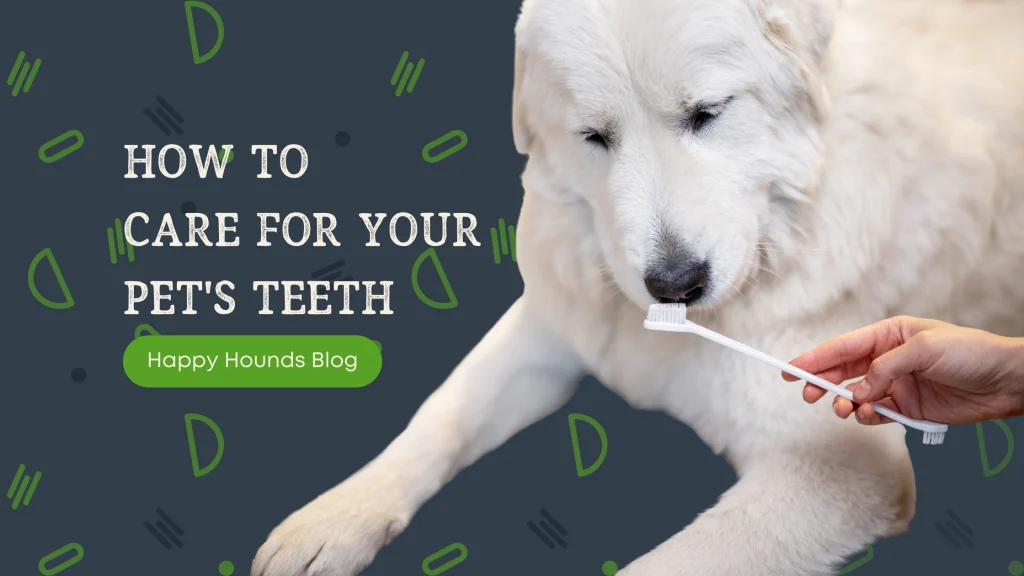
Understanding the vital link between nutrition and dental hygiene encourages pet owners to be proactive in their pet’s diet. By enriching your pet’s food with the right sources of nutrition, you not only support their dental health but also promote their overall well-being. Explore foods that enhance their dental cleanliness, and consider frequent vet check-ups for professional dental cleaning and advice. With a thoughtful approach to nutrition, you can significantly contribute to a happier, healthier life for your cherished companion.
DISCOVER: Click here to learn more about your pet’s nutrition
Nourishment: The Foundation of Oral Health
Understanding the intricate relationship between nutrition and dental health in pets is essential for every responsible pet owner. Just as a balanced diet influences our health, it also impacts our furry friends in significant ways. Providing nutrition tailored to their needs can mitigate various dental issues and promote a lasting healthy smile.
The Role of Quality Ingredients
At the forefront of nutritional choices for maintaining dental health is the quality of ingredients. Pet foods that boast high-protein sources, such as real meat, have been shown to support oral health effectively. Older or cheaper products that rely heavily on filler ingredients like corn or wheat may lack the necessary nutrients to maintain dental hygiene. It’s crucial to read labels and opt for pet foods rich in:
- High-quality proteins that promote muscle health and, in turn, can impact teeth and gum strength.
- Fibrous ingredients like vegetables, which can provide a natural cleaning mechanism for teeth when chewed.
- Essential nutrients such as vitamins A, C, and D, crucial for overall oral health.
Moreover, providing treats formulated specifically for dental care can bridge the gap in daily routines. These products often include ingredients that promote remineralization and help to combat plaque and tartar formation effectively.
The Influence of Diet on Bad Breath
Bad breath, or halitosis, can be one of the most common indicators of poor dental hygiene in pets. Nutrition plays a significant role in this aspect too. Diets high in carbohydrates, especially those containing simple sugars, can exacerbate bad breath. These carbohydrates can ferment in the pet’s mouth, leading to bacteria growth and foul odors. Thus, a diet rich in:
- Complex carbohydrates that digest slowly, reducing the risk of fermentation.
- Probiotics that encourage good bacteria growth in the gut, which can also influence oral health.
- Fresh fruits and vegetables that help to naturally clean teeth and maintain freshness in the mouth.
Not only will these dietary choices aid in combating bad breath, but they also contribute to the overall well-being of pets by promoting better digestive health. A holistic approach to pet nutrition, particularly focused on reducing dental issues, can enhance the animal’s vitality and quality of life.
By prioritizing nutritional choices, pet owners can play an instrumental role in their pets’ dental health. The fascinating correlation between what our pets consume and their ability to maintain a healthy mouth can lead to an increase in their happiness and longevity. In the next sections, we will delve deeper into specific dietary recommendations and essential routines to further safeguard your pet’s dental health.
The importance of maintaining optimal dental health in pets cannot be overstated, as it directly correlates with their overall well-being. Nutrition plays a pivotal role in preventing dental diseases, which are quite prevalent among dogs and cats. The foods that we choose for our furry friends can either contribute to plaque buildup or help in its prevention. High-quality commercial pet foods are often formulated to reduce tartar accumulation and promote oral health through their texture and ingredients.
Additionally, certain nutritional components, such as crunchy kibble, can offer mechanical benefits by cleaning the teeth as pets chew. Ingredients like fish oil or omega fatty acids can also help reduce inflammation and support healthy gums. Furthermore, adding dental treats designed specifically for pets can aid in oral hygiene, making dental care a dual-purpose endeavor that combines nutrition with dental benefits.
Let’s delve deeper into the relationship between nutrition and dental health in pets by examining this informative table below.
| Category | Description |
|---|---|
| Dental-Friendly Foods | Foods that reduce tartar buildup and promote clean teeth. |
| Nutritional Supplements | Ingredients that enhance gum health and fight inflammation. |
The integration of nutritious diets designed to support dental health can lead to a significant reduction in oral disease, enhancing the quality of life for pets across the globe. Understanding this vital connection empowers pet owners to make informed decisions about their pets’ diets, leading to healthier, happier companions.
EXPLORE MORE: Click here to learn how to prepare your home for your new furry friend
The Connection Between Nutrition and Dental Disease Prevention
A remarkable aspect of the relationship between nutrition and dental health in pets is its direct influence on preventing dental diseases. Just like humans, pets are susceptible to dental diseases like gingivitis and periodontal disease, which can lead to severe health complications if left unchecked. Understanding how certain nutrition can prevent these issues is crucial for pet owners who want to promote long-term oral health.
The Impact of Omega-3 Fatty Acids
Recent studies have highlighted the role of omega-3 fatty acids in maintaining oral health in pets. Found in fish oils, these fatty acids can help reduce inflammation in the gums, contributing to overall gum health. Conditions such as periodontal disease often result from chronic inflammation, making omega-3s a beneficial component of a pet’s diet. Including these healthy fats not only supports dental health but also offers a myriad of other health benefits, including improved joint and skin health.
Texture Matters: Hard vs. Soft Food
The texture of pet food can also greatly influence dental health. Crunchy kibble may help scrape off plaque as pets chew, promoting cleaner teeth as they eat. However, soft food often lacks this mechanical cleaning effect. For pets who primarily consume moist diets, it essential to incorporate dental chews or crunchy treats designed for oral health. These alternatives can effectively supplement their routine, contributing to decreased tartar buildup over time.
Pitfalls of Homemade Diets
While there is a growing trend of feeding pets homemade diets, many owners may fall into the trap of neglecting essential nutrients essential for dental health. Homemade meals often lack the fortified vitamins and minerals included in commercial pet foods. Additionally, the unbalanced ratios of ingredients may inadvertently lead to a deficiency of crucial components that guard against dental diseases. It is vital for pet owners considering homemade diets to consult with a veterinary nutritionist to ensure their pets are not missing out on key nutrients for maintaining strong teeth and healthy gums.
The Importance of Regular Dental Check-Ups
No matter how careful pet owners are with nutrition, regular dental check-ups are an essential part of maintaining dental health. Even the best diets can’t replace professional veterinary dental cleanings. A veterinarian can spot early signs of dental disease that may go unnoticed at home, enabling timely interventions. Combining good nutrition with regular dental care ensures a holistic approach to oral health, maintaining pets’ smiles for years to come.
In summary, the link between nutrition and dental health in pets is undeniable. By focusing on quality ingredients, incorporating omega-3 fatty acids, and ensuring a balanced diet, pet owners can significantly diminish the risk of dental diseases. The attention given to dietary choices influences not only the mouth but the entire health of our beloved companions. Exploring more about specific nutrients and dietary practices can further empower pet owners to provide their pets with healthier, fuller lives.
DISCOVER MORE: Click here for helpful tips on correcting cat behavior
Final Thoughts on Nutrition and Pet Dental Health
In conclusion, the relationship between nutrition and dental health in pets is a critical aspect that pet owners must prioritize for their furry companions’ overall well-being. By recognizing that a well-rounded diet rich in essential nutrients, particularly omega-3 fatty acids, plays a pivotal role in preventing dental diseases, owners can contribute positively to their pet’s oral hygiene. The choice of food texture—favoring crunchy kibble over soft varieties—also directly impacts plaque removal and gum health.
However, the journey doesn’t stop at diet. It is equally essential for pet owners to be aware of the pitfalls of homemade diets, which often lack critical nutrients needed to maintain dental health, and the necessity of regular dental check-ups. Such visits not only help in early detection of dental problems but reinforce the importance of preventive care in maintaining a healthy mouth. With these components combined, pet owners can forge a comprehensive strategy to support their pets’ dental well-being.
The implications of good nutrition extend beyond just dental health, influencing the quality of life our beloved pets experience daily. As modern pet ownership evolves, taking the time to explore and implement informed dietary practices will not only ensure healthier teeth and gums but also enrich the pet-owner bond. With continuous education on effective nutrition and diligent veterinary support, we are empowered to provide our pets with long, happy, and healthy lives.