The Adoption of Animals and Sustainability: How Adopting Can Help the Environment
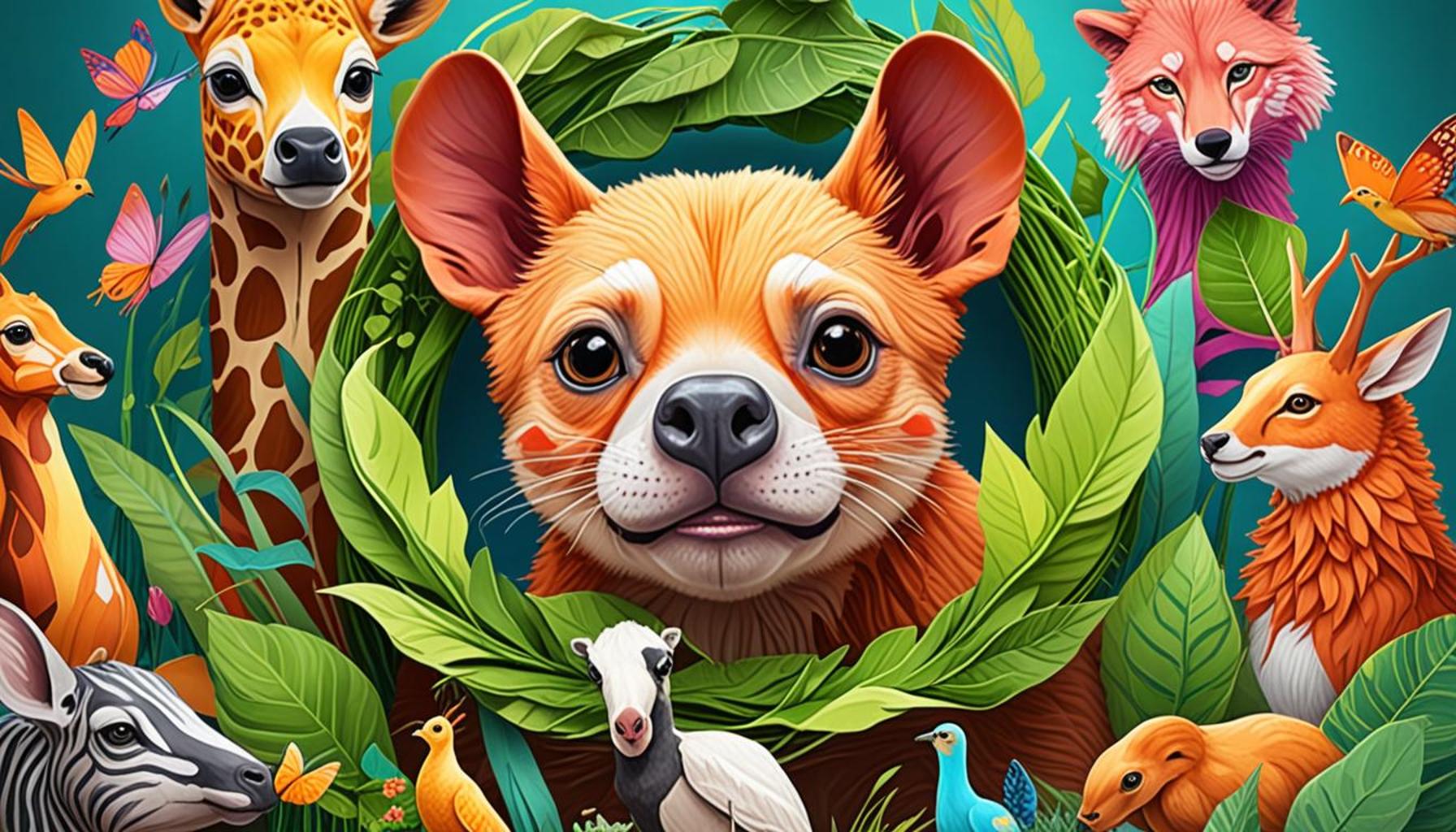
The Impact of Pet Adoption on Environmental Sustainability
The choices we make regarding pet ownership can have a profound impact on the environment. Adopting an animal not only transforms the life of a shelter pet but also contributes significantly to environmental sustainability. Here’s how:
- Reduces Overpopulation: Pet adoption plays a crucial role in addressing the problem of overpopulation in shelters. Each year, millions of animals enter shelters across the United States, many of whom face euthanasia due to lack of space and resources. By adopting, individuals directly decrease the number of homeless animals, effectively alleviating the pressure on these facilities. For instance, organizations like the ASPCA emphasize that adopting just one animal helps make room for another who is in desperate need of a home.
- Minimizes Carbon Footprint: When individuals choose to adopt instead of purchasing pets from breeders, they inadvertently contribute to reduced carbon emissions. The breeding process involves significant resource allocation, including energy used in breeding facilities and transportation needs. In contrast, the adoption process often requires fewer resources. For example, local shelters typically house and care for animals without the extensive logistics involved in breeding operations. This streamlined approach helps support environmental sustainability.
- Promotes Responsible Ownership: Adopting a pet encourages awareness about animal welfare and responsible breeding practices. It fosters a sense of stewardship among pet owners who understand the importance of not just adopting but advocating for ethical treatment of animals. Adopters often become more informed about the realities of animal homelessness, leading them to support initiatives that promote spaying and neutering, further reducing future overpopulation and its environmental toll.
As eco-consciousness grows in the United States, many are exploring the role of animal adoption in creating a sustainable future. By choosing to adopt, individuals make a statement about their commitment to both animal welfare and environmental care. Not only does this choice alleviate the burden on rescue organizations, but it also can lead to reduced environmental impacts. Programs like “Adopt, Don’t Shop” have sparked conversations that highlight how these choices resonate throughout communities.
For example, in many urban areas, local shelters have begun partnerships with environmental groups to host community events. These events raise awareness about the importance of adoption while also educating pet owners on sustainable practices, such as eco-friendly pet supplies and waste reduction. This collaborative approach creates a larger movement that taps into community resources, showcasing the significant impact that animal adoption has on fostering a greener world.
In the following sections, we will delve deeper into the ways that adopting animals contributes to sustainability. Furthermore, you will discover inspiring examples from across the country of how these choices can resonate within communities, portraying a more sustainable and compassionate narrative. Prepare to uncover the impactful intersection of animal adoption and environmental stewardship. Together, we can make choices that benefit not only our furry friends but also the planet we share.
DISCOVER MORE: Click here for tips on creating a pet-friendly home

The Ripple Effect of Animal Adoption on the Environment
Animal adoption transcends the joy of providing a loving home to a pet; it is an essential strategy in combating various environmental issues. As communities increasingly recognize the connection between animal welfare and ecological health, more individuals are seeing their adoption choices as avenues to promote sustainability.
One of the primary environmental advantages of adopting pets is the reduction of shelter waste. Shelters are often overwhelmed with animals, leading to excessive resource use, including food, medical care, and cleaning supplies. Each pet adopted is a step towards lessening these demands. According to the Humane Society, shelter euthanasia significantly decreases when adoptions increase, which not only saves lives but also reduces the environmental resources expended on animal care. This cycle encourages more efficient use of shelter resources and minimizes waste management issues, making adoption a more sustainable choice.
Moreover, adopting pets fosters a community-oriented approach to sustainability. Many shelters are now intersecting with local environmental initiatives. For instance, some facilities have started offering educational workshops that highlight the benefits of eco-friendly pet care. These sessions educate pet owners about sustainable products, like biodegradable waste bags, organic pet food, and even environmentally conscious grooming supplies. By aligning goals with local environmental groups, shelters create a collaborative network that empowers community members to make sustainable choices for their pets and the planet.
In addition, adopting pets can result in significant financial savings for individuals and families. When people adopt from shelters, the costs of initial vaccinations, microchipping, and even spaying or neutering are usually included in the adoption fee. This economical approach can lead more people to take the plunge into responsible pet ownership, further promoting an eco-friendly mindset as they are less burdened by initial costs. Additionally, adopting fosters a mindset of value for life and responsibility, nurturing a community that is more engaged in sustainable practices overall.
Considering these benefits, here are some impactful ways pet adoption contributes to environmental sustainability:
- Encourages Ethical Choices: Adopters become advocates for animal welfare and responsible breeding, influencing others in their community to think about pet ownership more critically.
- Generates Community Engagement: Collaborative events between shelters and environmental organizations amplify community awareness, creating a husbandry of resources available to all.
- Contributes to Biodiversity: Adopting mixed-breed pets from shelters helps improve genetic diversity, which can be beneficial to animal populations.
- Strengthens Local Economies: Shelter adoptions can stimulate local economies by encouraging more businesses to participate in providing services and products that cater to pet owners.
As we delve deeper into the relationship between animal adoption and environmental sustainability, it becomes evident that one simple act can create a wave of positive change. The outreach and initiatives borne from animal shelters play a crucial role in fostering a culture that values both animal welfare and environmental stewardship.
The Adoption of Animals and Sustainability: How Adopting Can Help the Environment
Adopting animals not only provides them with a loving home but also plays a significant role in promoting sustainability. By choosing to adopt rather than purchase pets, individuals contribute to reducing the number of animals in shelters. This practice directly correlates with diminished overpopulation, which can strain local ecosystems and resources.
Moreover, by adopting, you are recognizing the importance of biodiversity. Each animal possesses unique traits that contribute to the natural balance of their environment. When pets are adopted, it fosters a deeper connection between humans and nature, driving environmental awareness and stewardship.
| Category | Description |
|---|---|
| Environmental Impact | Adoption decreases the demand for breeding, which helps reduce carbon footprints and minimizes resource use. |
| Biodiversity Preservation | Adopting diverse breeds protects genetic diversity and supports healthy ecosystems. |
Additionally, adopted animals often require less care in terms of medical expenses and food because shelters provide initial vaccinations and spaying/neutering. This not only supports the animals’ health but also reduces waste associated with excess supply of animals in overcrowded facilities.
Ultimately, animal adoption serves as an effective way for individuals to contribute to sustainability efforts and create a positive ripple effect in their communities.
DISCOVER MORE: Click here to learn about the benefits of pet adoption for mental well-being
The Intersection of Animal Adoption, Climate Change, and Resource Conservation
The impact of animal adoption on sustainability deepens when we address pressing issues like climate change and resource conservation. Every year, the U.S. shelters care for millions of dogs and cats, and the adoption of these animals not only saves lives but also plays a role in combatting the environmental challenges that plague our planet.
One of the significant contributors to climate change is the agricultural industry, particularly the production of animal-based foods. As pet ownership rises, so does the demand for pet food, but adopting pets instead of buying from breeders fosters more sustainable consumption patterns. Many adopters turn towards plant-based or sustainably sourced pet foods, which can decrease the carbon footprint associated with traditional meat production. Moreover, when pet adoption rates increase, there tends to be a corresponding decrease in the demand for breeding facilities that contribute to overpopulation and unsustainable practices.
The ripple effects extend to resource conservation, especially water and land use. The production of pet food typically requires vast amounts of water and land, similar to the livestock industry. As consumers opt for adoption and corresponding eco-conscious pet products, they are inherently supporting practices that prioritize resource conservation. A 2022 study by the American Pet Products Association indicated that around 70% of adopters report selecting more sustainable brands for their pets, hinting at a shift towards an environmentally aware culture among pet owners.
Creating Opportunities for Green Spaces
Another often-overlooked advantage of pet adoption is its potential to enhance urban green spaces. As shelters encourage outdoor activities through pet adoption events, community members are motivated to advocate for the development of parks and walking paths suitable for pets and their human companions. These green spaces play a dual role; they not only provide a home for adopted pets but also contribute to improving air quality, reducing urban heat, and fostering biodiversity in city environments.
Collaboration between animal shelters and local governments can lead to public initiatives that encourage adopting pets through the creation of animal-friendly green zones. Programs promoting the planting of native flora in these spaces support habitat restoration, emphasizing how adopting pets can stimulate broader ecological care within communities.
Shifting Societal Norms through Adoption Advocacy
An integral part of promoting sustainability through animal adoption is the ability to influence societal norms. When influencers and celebrities advocate for pet adoption, they often intersect their messaging with themes of environmental sustainability. This increased visibility highlights the importance of making ethical choices that benefit the planet, not just highlighting pet ownership but also addressing major environmental issues.
- Building a Culture of Advocacy: The rising tide of adoption stories on social media platforms prompts more individuals to reflect on their consumer habits, drawing parallels between adopting pets and making sustainable choices.
- Reinforcing the Concept of Lifelong Responsibility: Adoption promotes long-term commitment to caring for animals, which can translate to greater awareness and responsibility toward other areas impacting the environment.
- Encouraging Lifelong Learning: Educational campaigns surrounding adoption often teach the importance of waste reduction practices, veterinary care that accounts for the environmental impact, and the significance of adopting rather than purchasing.
Through these avenues, animal adoption plays a critical role in crafting a society where responsible choices lead to a more sustainable future. As pet adoption continues to flourish, the intermingling of its impact on environmental issues becomes clearer, forging avenues for improved ecological health. The resulting shift in societal consciousness is pivotal in nurturing a future grounded in both compassion for animals and stewardship for the planet.
DISCOVER MORE: Click here to learn how adopting pets can make a difference
Conclusion: The Transformative Power of Animal Adoption
The symbiotic relationship between animal adoption and sustainability has never been more critical. As we explored throughout this article, adopting pets not only provides a loving home to animals in need but also contributes significantly to environmental well-being. By choosing to adopt, individuals take a stand against the industrial breeding practices that perpetuate overpopulation and resource depletion. In doing so, they foster a culture of responsibility that aligns pet ownership with sustainable consumption patterns.
Furthermore, the trend toward utilizing sustainable pet food options among adopters echoes the growing awareness of our ecological footprint. This shift towards environmentally friendly choices minimizes the demand for resource-intensive pet products, allowing us to conserve precious natural resources like water and land. As communities embrace the creation of green spaces and advocate for sustainable practices, the community’s fabric grows richer with biodiversity and resilience against climate challenges.
Perhaps most inspiring is the potential for change in societal norms. As every pet adoption story shared resonates across platforms, it encourages a cultural shift where ethical and sustainable decisions become the norm. This momentum propels us toward a future where compassion for animals and stewardship of the planet are intertwined. The journey forward lies in recognizing that every adoption is a step toward a more sustainable world—one that showcases our dedication to both our furry friends and the environmental health of our communities.
As we reflect on the mutually beneficial intersection of animal welfare and sustainability, let us consider the profound impact each of us can make through our choices. By embracing the adoption movement, we can collectively steer our society towards a more compassionate and environmentally responsible future.