The Impact of Pet Adoption on the Reduction of Abandoned Animals

Understanding the Ripple Effect of Pet Adoption
Each year, millions of animals find themselves abandoned. Reasons range from financial hardships to inadequate pet care knowledge, leading to a tragic rise in homeless pets. However, pet adoption emerges as a powerful solution in combating this pressing issue.
The numbers are staggering:
- Approximately 3.3 million dogs and 3.2 million cats enter U.S. shelters annually.
- Only about 1.6 million of these animals are adopted each year.
- Every adoption reduces the strain on local shelters and promotes animal welfare.
Adopting a pet not only saves a life but also plays a crucial role in:
- Reducing the overall population of abandoned animals.
- Encouraging responsible pet ownership.
- Fostering community awareness and engagement in animal care.
When individuals choose to adopt, they actively participate in breaking the cycle of abandonment. Each adoption directly reduces the number of animals in local shelters, which often operate at capacity. This alleviation can lead to fewer euthanizations, thereby giving hope to those remaining animals waiting for a second chance.
Moreover, pet adoption fosters responsible pet ownership. When one adopts, they often learn about the responsibilities involved in caring for a pet, including regular veterinary visits, proper dietary needs, and socialization requirements. Educational programs from shelters and community organizations help new pet owners understand that their commitment goes beyond just providing food and shelter. For instance, programs like “Adopt-A-Pet” not only focus on connecting families with pets but also educate them on training, grooming, and behavioral needs, which can significantly improve the quality of life for both the pet and the owner.
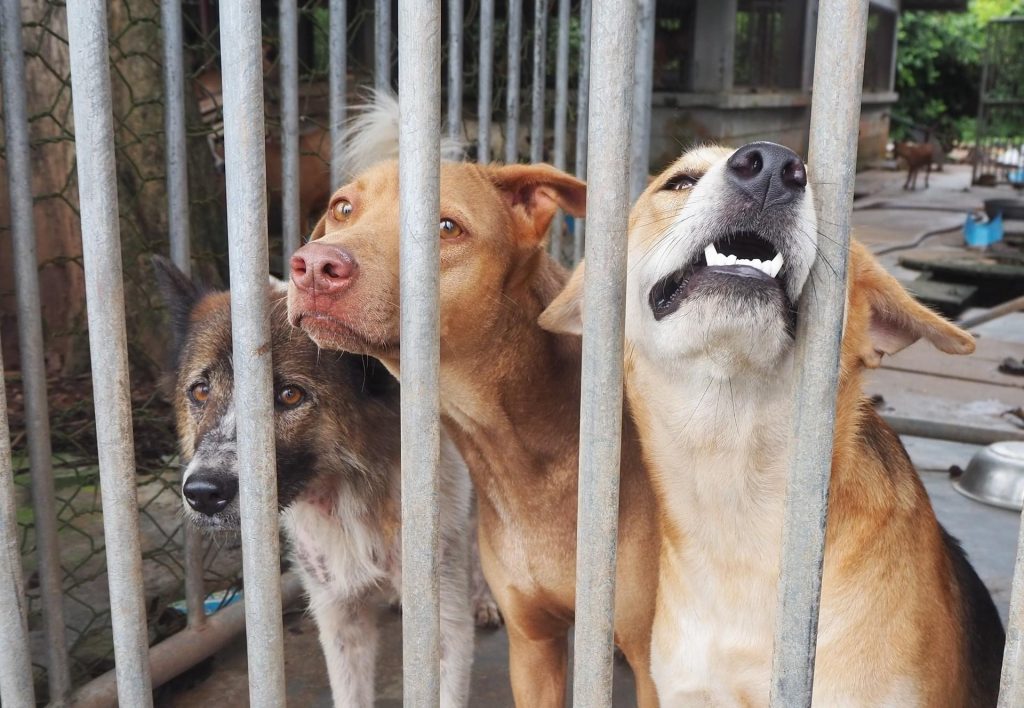
Furthermore, the ripple effect of pet adoption extends into community engagement. As more people adopt, it encourages conversations about pet care, responsible breeding, and the consequences of neglect. Events such as adoption drives or community pet fairs create platforms for sharing information and connecting with local animal welfare groups, reinforcing a community ethos centered on compassion and responsibility.
Significantly, adopting pets impacts attitudes towards abandonment. With each heartwarming story of a rescue animal finding a loving home, awareness is heightened about the plight of these abandoned pets. This awareness drives initiatives and policy changes at local and national levels, sparking conversations about stricter animal welfare laws and funding for shelter programs.
Understanding the profound impact of pet adoption highlights its importance in addressing the issue of animal abandonment. Each person who adopts is contributing not only to the well-being of an animal but also nurturing a more informed and compassionate community towards our furry friends.
DISCOVER MORE: Click here to learn about nutritional supplements for your pet
The Role of Adoption in Overcoming Animal Abandonment
Pet adoption transcends mere transactions; it embodies a profound commitment to saving lives and fostering a community that values animal welfare. The correlation between pet adoption and the reduction of abandoned animals is increasingly evident. As countless stories of rescued pets finding loving homes circulate, they not only reflect individual victories but also highlight a significant societal shift towards recognizing the responsibilities tied to pet ownership.
One critical avenue through which pet adoption influences the reduction of abandoned animals is by directly impacting shelter statistics. Every adoption can have a cascading effect, leading to:
- A decrease in the number of animals on shelter premises.
- A reduction in the financially taxing daily operations of shelters.
- Lessening the emotional strain on shelter staff who face the heart-wrenching reality of euthanization due to overcrowding.
For instance, in an average U.S. shelter, the annual intake of dogs and cats is a staggering 6.5 million. Of these, approximately 1.5 million are not likely to find their way out alive due to space and resource limitations. However, data show that for every animal adopted, an average of approximately 1.5 lives can potentially be saved, stemming from a successive decrease in the population needing homes. This value reinforces the idea that every adoption counts.
Moreover, when communities actively participate in adoption drives, the ripple effect manifests through increased visibility of animal welfare issues. Campaigns like “Adopt, Don’t Shop” encourage potential pet owners to consider adoption as the first option rather than purchasing from breeders or pet stores. This approach not only helps in directly lowering the rates of abandonment but also combats the ongoing problem of puppy mills and irresponsible breeding practices, which contribute significantly to the number of unwanted litters.
Additionally, the shared stories and testimonials of happy adopters elevate public consciousness about issues surrounding abandoned pets. Social media platforms amplify these messages, creating a network of advocacy that can challenge the norms of pet ownership. Some studies reveal that communities engaging in adoption events see a notable increase in positive attitudes toward stray and abandoned animals, which can lead to more people willing to adopt or foster pets in need.
Another important aspect of this phenomenon is the role of educational programs run by shelters and community organizations. These initiatives emphasize the importance of humane treatment and responsible ownership, thereby aiming to reduce future abandonment cases. New pet parents are often educated about the long-term commitment required by their furry companions and the services available—such as low-cost spaying and neutering—which help manage and prevent overcrowding in shelters.
In summary, it is clear that pet adoption significantly influences the reduction of abandoned animals, intertwining personal responsibility with community engagement. Each adopted pet represents a beacon of hope, not just for the individual animal, but as part of a larger movement toward greater awareness and responsible ownership in the U.S.
| Advantages of Pet Adoption | Impacts on Abandoned Animals |
|---|---|
| Reduction of Stray Population | Adopting pets directly decreases the number of animals left homeless. |
| Community Awareness | Increased public engagement leads to higher support for adoption initiatives. |
| Enhanced Animal Welfare | Adopted animals receive care and attention, improving overall health. |
| Cost-effective Solution | Adoption fees are often lower than purchasing pets from breeders, making it accessible. |
| Support for Local Shelters | Adoption fees fund shelter operations, further enabling rescue efforts. |
Understanding the substantial benefits of pet adoption can significantly help in tackling the critical issue of abandoned animals. As more people consider adoption as a viable option, they inadvertently contribute to a shift toward a more compassionate community. By shedding light on the positive impact of pet adoption, it becomes clear how each decision to adopt can echo into the larger picture of animal welfare and society’s responsibility towards our furry companions. The ongoing journey towards reducing the number of abandoned animals hinges not only on adopting but also on educating others about these notable advantages.
DISCOVER MORE: Click here for tips on creating a pet-friendly home
Community Initiatives and the Role of Legislation
At the grassroots level, community initiatives play a pivotal role in enhancing the impact of pet adoption on reducing abandoned animals. Local shelters frequently collaborate with schools, businesses, and civic organizations to host awareness campaigns and adoption fairs. These events not only provide a platform for showcasing animals in need of homes but also encourage community members to engage directly. For instance, many shelters have reported experiencing a surge in adoption rates during such collaborative events, highlighting the effectiveness of communal support in addressing the pet overpopulation crisis.
These community programs often incorporate fun activities, like petting zoos, educational booths, and engaging games that serve to inform attendees about responsible pet ownership practices. By transforming the adoption process into an enjoyable experience, organizations tap into a wide audience spectrum, allowing them to reach potential adopters who may have never considered bringing a pet into their lives.
Moreover, legislative efforts also play a crucial role in curtailing the cycle of animal abandonment. States are increasingly enacting laws aimed at promoting adoption and discouraging irresponsible breeding practices. For example, many regions are implementing mandatory spaying and neutering laws, particularly for those pets that are not adopted within a certain timeframe. Such measures aim to prevent unwanted litters that invariably contribute to the overpopulation problem in shelters.
Another noteworthy legislative approach includes tax incentives for pet owners who adopt from shelters. Programs designed to subsidize the costs associated with adoption, such as spay/neuter services, vaccinations, and basic training courses, have proven successful in certain states by easing the financial burden on new pet owners and therefore encouraging more individuals to adopt. These initiatives contribute to a cultural shift where adopting a pet becomes not only a charitable act but also a financially viable option for many families.
Partnerships between local governments and animal welfare organizations further enhance the effectiveness of these legislative efforts. For example, in recent years, cities like Los Angeles have adopted comprehensive animal welfare initiatives that encompass everything from promoting adoption events to implementing strict regulations on breeding practices. These collaborative approaches foster environments where abandoned animals are seen as treasures in need of homes rather than burdensome problems.
Statistics indicate that communities with robust legislative frameworks and active involvement from local organizations experience a marked decrease in abandonment rates. Studies have shown that in regions with comprehensive spaying and neutering laws, shelters can operate with fewer overcrowding issues, leading to better outcomes for the animals. The U.S. has seen a downward trend in euthanasia rates in several states due to effective advocacy, education, and legislation combined with consistent community support for adopting pets.
Furthermore, consumer behavior is shifting as well. Pet owners are becoming increasingly aware of the importance of shelter adoption as a viable option. Recent surveys indicate that 70% of new pet owners in the U.S. believe that adopting from a shelter is the most humane choice. This evolving perspective not only indicates growing compassion towards animals but also presents a powerful narrative that elevates pet adoption to be seen as the first choice in pet ownership.
Thus, through innovative community engagement and proactive legislative frameworks, the collective efforts surrounding pet adoption are instrumental in significantly reducing the instances of abandoned animals. Each adoption story, fueled by community spirit and legislative support, weaves together a future where fewer pets face uncertainty and more animals find their forever homes.
DISCOVER MORE: Click here to learn effective training strategies
Conclusion
In summary, the burgeoning movement toward pet adoption plays a critical role in the ongoing fight against the abandonment crisis faced by countless animals across the United States. The collaboration between community initiatives and legislative measures not only highlights the importance of giving animals in shelters a second chance but also illustrates the transformative impact of collective action. By fostering awareness and facilitating adoption events, communities are actively engaged in reshaping the narrative surrounding animal ownership, making adoption a desirable and socially responsible choice.
The statistics tell a compelling story: as more people embrace the idea of adopting from shelters, we see a steady decline in abandonment rates and euthanasia numbers nationwide. The combination of grassroots efforts, such as educational campaigns, and legislation that encourages responsible pet ownership creates a symbiotic relationship that benefits both animals and communities. Moreover, as society becomes increasingly aware of the dire effects of pet overpopulation, more individuals are viewing adoption as not just a compassionate act, but also a practical and fulfilling solution.
As we look to the future, it is imperative to continue supporting these initiatives, advocating for effective policies, and fostering an empathetic culture towards all animals. Each adoption story symbolizes hope, demonstrating that when individuals come together for a common purpose, change is possible. By nurturing this momentum, we can pave the way for a world where abandoned animals find loving homes, ultimately leading to healthier, happier communities and a brighter future for all.