The Importance of Adopting Shelter Animals in the Community

Understanding the Impact of Shelter Animal Adoption
In recent years, the surge in animal shelters across the United States has brought to light a significant issue: the plight of shelter animals. Every year, millions of pets find themselves in shelters due to various circumstances, including abandonment, financial difficulties of their previous owners, or changes in family dynamics. Unfortunately, only a fraction of these animals manage to secure loving homes. This situation not only affects the animals but also impacts our communities in profound and multifaceted ways.
- Community Benefits: Adopting shelter animals plays a pivotal role in alleviating the problem of overcrowding in these facilities. For instance, when families choose to adopt rather than buy from breeders or pet stores, they help clear space for other animals in need, facilitating more rescues. This chain effect can significantly increase adoption rates, ultimately fostering a healthier community.
- Health Improvements: Numerous studies indicate that pet ownership can lead to lower stress levels and improved mental health. Interacting with animals has been shown to release endorphins, which contribute to enhanced feelings of happiness and reduced anxiety. Moreover, having a pet can encourage a more active lifestyle, as dog owners often engage in regular walks or playtime.
- Fostering Compassion: Engaging with animals teaches invaluable lessons of empathy and responsibility, especially for children. When kids help care for a pet, they learn the importance of nurturing and the impact of kindness, lessons that can translate into their relationships with other people.
Furthermore, adopting a shelter animal contributes to the local economy in several ways that may not be immediately apparent:
- Adopting pets promotes local pet shops that supply necessities—like food, toys, and grooming products—for adopted animals. This creates a positive economic cycle that benefits nearby businesses.
- Increased demand for veterinary services is another direct effect; adopting animals leads to more citizens seeking veterinary care for vaccinations, check-ups, and spay/neuter surgeries.
- Encouraging local shelters to enhance programs focused on responsible pet ownership not only benefits the pets but also cultivates a more informed community that values animal welfare and advocacy.
As we delve deeper into the importance of adopting shelter animals, it becomes increasingly evident that each adoption story uniquely reshapes the lives of these animals. This process also strengthens the fabric of our communities, as it promotes social responsibility and compassion. With every pet saved from a shelter, we foster a sense of community spirit that reverberates throughout society. Each adoption represents a new beginning not only for the animal but also for the family that welcomes them into their home. So, the question remains: Are you ready to see how your decision to adopt can create lasting change, both in the life of a shelter animal and in your own community?
DON’T MISS: Click here to learn how to prepare your home for your new furry friend
The Ripple Effect of Shelter Animal Adoption
Every adoption story holds the potential to create a significant ripple effect, extending beyond the immediate joy it brings to both the pet and the new owner. When individuals and families choose to adopt shelter animals, they actively participate in a larger movement that fosters compassion and responsibility throughout their communities. This impact can be seen in several key areas, including the well-being of the animals, the emotional health of adopters, and the overall vitality of the local environment.
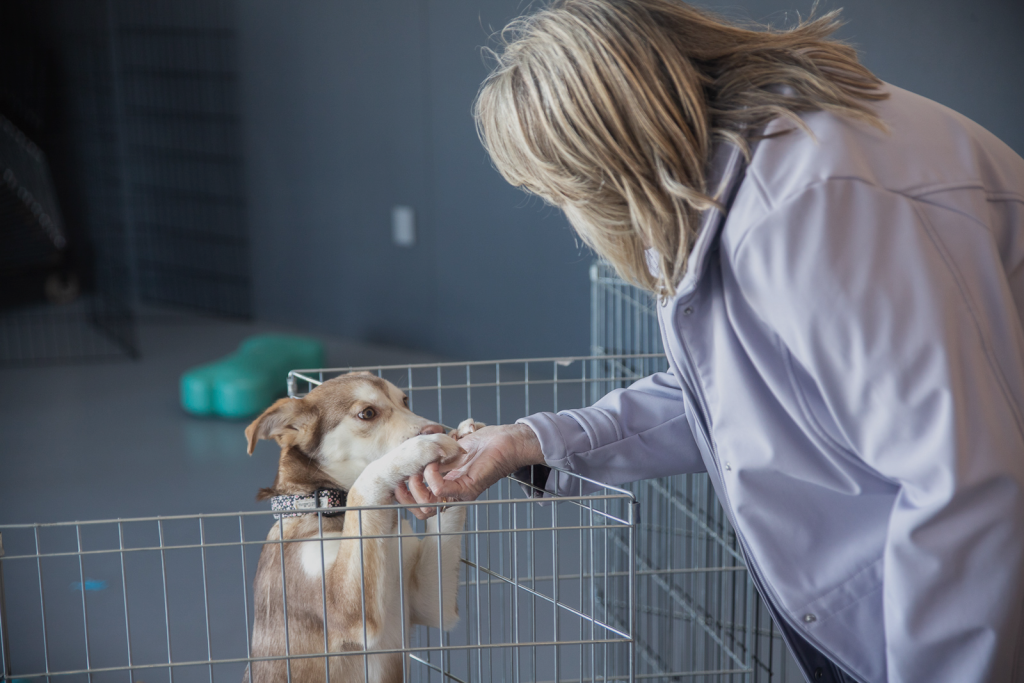
- Reducing Euthanasia Rates: One of the most pressing issues within animal shelters is the high rate of euthanasia, often due to overwhelming intake numbers. According to the ASPCA, an estimated 670,000 dogs and cats are euthanized every year in U.S. shelters simply because there is not enough space or resources. By choosing to adopt a shelter animal, families directly contribute to decreasing these alarming statistics.
- Promoting Volunteerism: Adoption also inspires community involvement. Many shelters are reliant on volunteers to help care for the animals and maintain operations. When community members adopt, they often become passionate advocates, leading to increased volunteerism and support for local shelters. This creates a cycle that not only benefits the animals but enhances community engagement and ownership of animal welfare issues.
- Building Awareness: Adoption stories spread like wildfire, thanks to social media and community events. When a family adopts a shelter animal, they often share their experiences with friends and family, raising awareness about the challenges faced by shelter animals. This can lead to increased adoption rates and donations to shelters, further amplifying the community’s commitment to rescuing animals in need.
The benefits of shelter animal adoption extend beyond individual stories, weaving a rich tapestry of community spirit and support. With every pet adopted, there is a shift in public perception that encourages responsible pet ownership and spurs discussions around animal welfare. Furthermore, when families adopt animals, they forge meaningful connections that enhance their quality of life.
Adopting shelter animals promotes not only the mental and emotional health of the adopters but also nurtures a sense of fulfillment derived from saving an animal’s life. Studies have shown that individuals who adopt pets report higher levels of happiness and lower levels of loneliness. In fact, a recent survey indicated that nearly 74% of pet owners believe their pets contribute substantially to their happiness.
Through the simple act of adoption, individuals can play a significant role in transforming their communities. Each adopted animal serves as a catalyst for compassion, illustrating the profound bonds that can form between humans and their pets. As we continue to explore the importance of adopting shelter animals, it becomes increasingly evident that these actions contribute to a more humane society, one that values life in all its forms.
The Importance of Community Engagement in Animal Adoption
Community involvement plays a crucial role in the success of animal adoption initiatives. When local communities come together to support shelters, the impact on both animals and residents can be profoundly positive. Many people are unaware of the true benefits of adopting a shelter animal, including the opportunity to find a loyal companion, alleviate loneliness, and provide a second chance for animals in need. By fostering an environment of compassion, communities can drive the message of responsible pet ownership and the significance of adoption.
Moreover, volunteering at animal shelters opens pathways for community members to engage with animals directly. This interaction not only increases the chances of adoption but also promotes understanding and respect for all living beings. Hosting adoption events can also serve as a platform for education on animal rights and responsible pet care. These gatherings further encourage community members to reflect on their own capacities for empathy and active participation in rescuing and nurturing animals that deserve love and shelter.
Data from various animal welfare organizations reveal a stark reality: millions of animals enter shelters each year, with many of those not finding homes. However, communities that engage in awareness campaigns see increased adoption rates, leading to lower euthanasia numbers. Sharing success stories of adopted pets can inspire others and dispel misconceptions about shelter animals, fostering a sense of hope and urgency in the community.
| Category 1 | Category 2 |
|---|---|
| Community Benefits | Promotes social responsibility and empathy |
| Educational Opportunities | Raises awareness about animal welfare and responsibility |
In light of these factors, it’s clear that animal adoption is not merely about giving pets a home; it’s about enriching community life and reinforcing the bonds between people and animals. Prioritizing the ideal match between animals and families can lead to long-lasting relationships that are beneficial for both parties.
LEARN MORE: Click here for insights on positive reinforcement
Economic Benefits of Shelter Animal Adoption
While the emotional and social aspects of adopting shelter animals are often celebrated, the economic advantages that accompany this practice shouldn’t be overlooked. Adopting pets from shelters not only saves lives but also promotes fiscal responsibility within communities.
- Lowering Care Costs: In contrast to buying animals from breeders or pet stores, adopting from a shelter is typically more budget-friendly. Adoption fees, which generally range from $50 to $200, cover essential vaccinations, spaying or neutering, and microchipping. This initial investment often translates to significant savings compared to the costs of breeding and the ongoing health issues that might arise from such practices. Furthermore, local governments and shelters frequently run promotions that make the initial adoption fee even more accessible.
- Boosting Local Economy: When individuals adopt shelter animals, they frequently find themselves investing in other local services, such as veterinarians, groomers, and pet supply stores. This ripple effect stimulates the economy by creating demand for goods and services. In fact, studies have shown that pet owners spend an average of $1,200 annually on their pets, including food, veterinary care, and supplies. These expenditures support local businesses and can lead to job creation within the community.
- Reducing Expenditures on Stray Animals: Communities that support shelter animal adoptions can experience a decrease in costs related to managing feral and stray populations. Municipalities often allocate substantial funds to control stray animal populations through traps, relocation, or euthanasia. By encouraging adoption and responsible pet ownership, communities can reduce the number of stray animals on the streets, ultimately leading to lower taxpayer expenditures in animal control.
In addition to financial savings and contributions to the local economy, adopting shelter animals creates a profound impact on public health. Pets can encourage owners to engage in a more active lifestyle through daily walks and playtime, leading to a healthier population overall. Furthermore, research suggests that pets play a significant role in reducing stress, anxiety, and depression—all of which can have cascading effects on healthcare costs and community well-being.
Moreover, the presence of animals in communities has been linked to improved neighborhood dynamics and cohesion. Areas with higher pet ownership tend to foster stronger social ties, as pets often serve as conversation starters propelling community interactions. Events centered around pet adoptions, such as “Meet Your Match” days at local shelters, not only highlight the importance of adopting shelter animals but also motivate community bonding through shared experiences.
As we delve deeper into the significance of adopting shelter animals, it’s vital to recognize their role in fostering community responsibility, enhancing economic health, and promoting an overall uplifting society. With every pet adopted, a new chapter unfolds—one that intertwines personal happiness with universal good.
DISCOVER MORE: Click here for insights on telemedicine in animal health
Conclusion: Enriching Lives Through Adoption
The journey toward understanding the importance of adopting shelter animals in the community unveils a tapestry of benefits that are both profound and far-reaching. From emotional fulfillment and enhanced social connections to significant economic advantages and improved public health, the act of welcoming a shelter animal into one’s life cultivates a more vibrant and compassionate community. With studies indicating that more than 6.5 million companion animals enter shelters annually in the United States alone, each adoption not only saves a life but also inspires a movement towards responsible pet ownership and community solidarity.
Moreover, the ripple effects of supporting local shelters—be it through adoption, volunteering, or community events—highlight a shared responsibility that binds residents together. Communities thrive when they recognize the significance of their furry members, not simply as pets, but as active participants in daily life that bolster mental health, encourage physical activity, and foster social interactions. Thus, embracing shelter animals can lead to a healthier, more engaged society.
As we contemplate the alignment of personal happiness with broader societal well-being, the narrative surrounding shelter adoption beckons for action. Consider visiting your local shelter, attending adoption events, or advocating for awareness—every effort contributes to a brighter future for both animals and the communities that embrace them. Reimagining the relationship between humans and their animal companions, we can elevate standards for care and compassion that profoundly shape our neighborhoods for generations to come.