The Evolution of Animal Adoption Policies in the United States
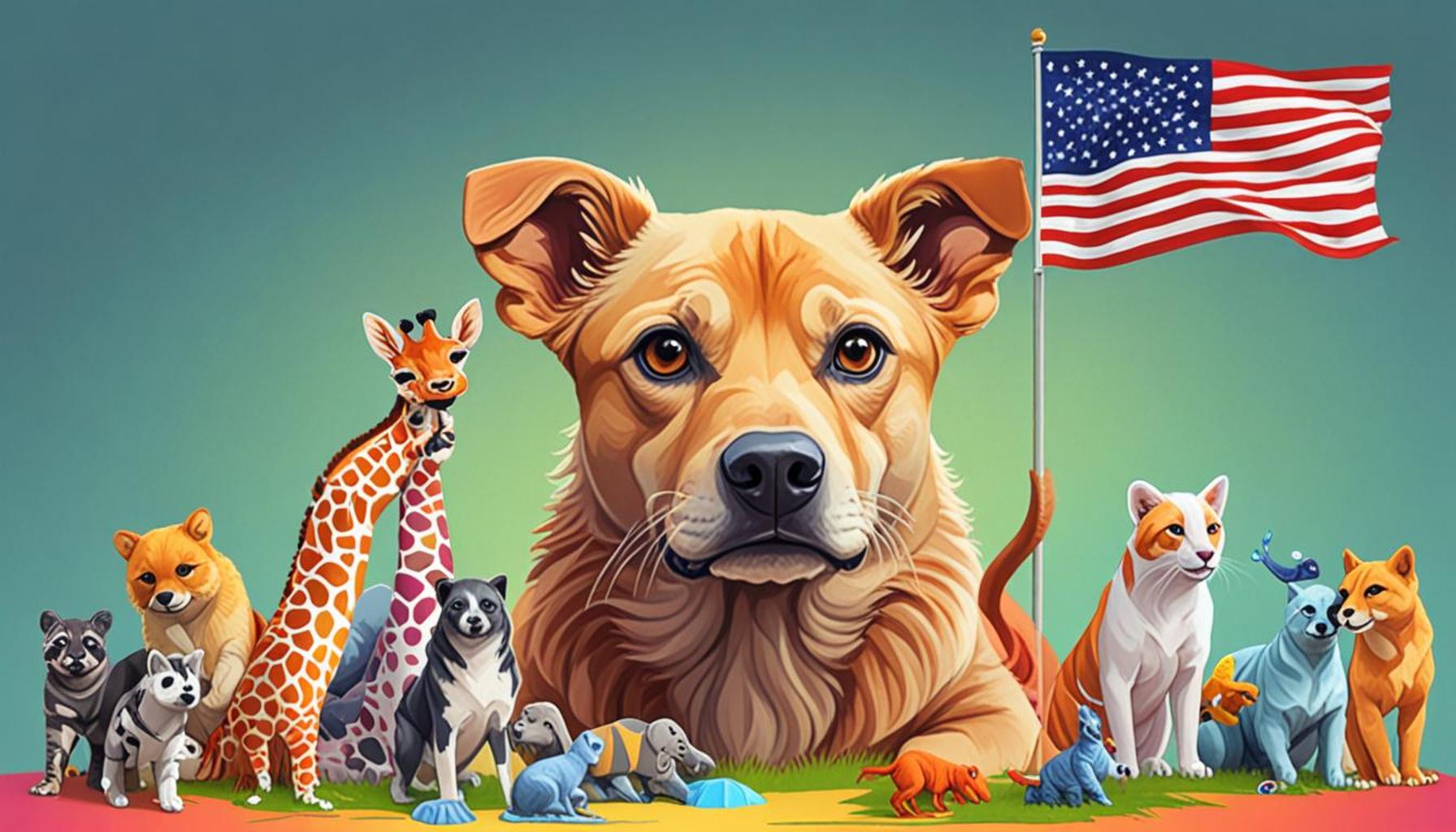
The Transformation and Impact of Animal Adoption Practices
In recent decades, the animal adoption landscape in the United States has undergone a remarkable transformation. From archaic practices to modern, humane policies, this evolution reflects changing attitudes toward animals and their welfare. The significance of this shift is profound for both potential adopters and sanctuary organizations, fostering a more compassionate approach to animal care.
Key milestones in this evolution include:
- Early Adoption Practices: Historically, animal adoption often favored purebred pets due to societal perceptions of desirability linked to pedigree. Limited outreach initiatives meant that many mixed-breed animals, often found in shelters, received little attention. Consequently, countless animals were left abandoned or euthanized due to overcrowding in shelters.
- No-Kill Shelters: The introduction of no-kill shelters marked a revolutionary shift in response to the issue of abandoned pets. Unlike traditional shelters that euthanized animals to control population, these facilities focused on rehabilitation and adoption, which empowered communities to engage in animal welfare initiatives. Organizations like the Best Friends Animal Society have played crucial roles in popularizing no-kill policies across the country, encouraging a change in public perception.
- Legislation Impact: Legislative efforts aimed at regulating breeding practices have significantly transformed animal adoption. Laws mandating spaying and neutering, along with regulations against puppy mills, have contributed to a decline in pet overpopulation. States such as California and New York have enacted strict legislation that fosters humane treatment and responsible breeding, demonstrating a progressive stance toward animal welfare.
Today, adoption policies are markedly more inclusive, promoting a culture where responsible pet ownership is a priority. Societal norms have shifted significantly, emphasizing the importance of adopting over buying pets, which has been passionately championed by organizations like the ASPCA. Campaigns such as “Adopt, Don’t Shop” have effectively communicated the message that there are millions of loving and deserving pets waiting for homes in shelters across the country.
As communities work tirelessly to combat pet overpopulation and advance animal welfare, understanding the factors influencing these policies becomes essential. Education plays a pivotal role, with initiatives aimed at enlightening the public about the responsibilities of pet ownership, and the benefits of adopting rather than purchasing from breeders. The ripple effect of these advancements is substantial, enhancing the bond between animals and their human companions and fostering environments where both can thrive together.
DISCOVER MORE: Click here for insights on veterinary telemedicine
Historical Context and Early Adoption Practices
To fully appreciate the evolution of animal adoption policies in the United States, it is essential to look back at the historical context from which these changes emerged. In the early to mid-20th century, the majority of adoption practices revolved around a very different set of priorities than those of today. Pets were often considered possessions rather than family members, resulting in a widespread preference for purebred animals. This status-driven attitude led to the stigmatization of mixed-breed animals, which were often unfairly categorized as less desirable or ‘inferior’.
The lack of outreach initiatives meant that these mixed-breed animals, prevalent in shelters, struggled to find homes. A deeply ingrained cycle of neglect and abandonment ensued, with shelters becoming overcrowded and forced to euthanize animals at alarming rates. For instance, estimates suggest that as many as 3.7 million animals enter shelters annually, highlighting the scale of the challenge faced in the earlier decades.
The Rise of No-Kill Shelters and Community Involvement
The landscape began to shift with the emergence of no-kill shelters in the late 20th century. These compassionate facilities were designed to provide safe havens for abandoned animals without the threat of euthanasia. Focused on rehabilitation and adoption, no-kill shelters not only saved lives but also empowered communities to engage in animal welfare initiatives. Organizations such as the Best Friends Animal Society have been pivotal in advocating for no-kill policies, leading the charge to alter public perception regarding shelter animals. This shift in mindset has given rise to a culture that embraces the notion that all animals deserve a second chance.
As no-kill shelters gained traction, they implemented strategies aimed at increasing adoption rates, such as community events, educational programs, and partnerships with local businesses. One notable example is the “Clear the Shelters” initiative, which encourages animal lovers to adopt rather than shop, ultimately leading to significant increases in adoption rates across various regions.
Legislative Changes and Their Implications
The transition towards more humane treatment of animals in the U.S. has also been significantly influenced by legislative efforts. Laws aimed at regulating breeding practices and promoting responsible ownership have been enacted at state and local levels, contributing to a downward trend in pet overpopulation. Such legislation includes mandatory spay and neuter laws, which have been adopted in numerous states including California and New York. These laws not only help control the pet population but also serve as a reminder that responsible breeding and pet ownership remains a crucial aspect of animal welfare.
An often-overlooked aspect of these legislative changes is their role in shaping public consciousness. By establishing stringent regulations against irresponsible breeding practices, lawmakers are educating the public about the importance of adopting rather than purchasing pets. This cultural shift helps to dismantle long-held beliefs that purebreds are superior, reinforcing the notion that there are countless deserving animals of all breeds waiting for loving homes.
In summary, the evolution of animal adoption policies in the United States has been characterized by a gradual yet profound transformation. From early adoption practices that favored purebred animals to the rise of no-kill shelters and robust legislative measures, these developments have fostered a more compassionate approach to animal welfare. By understanding these historical milestones, we can better appreciate the progress made and the ongoing efforts necessary to improve the lives of countless animals across the nation.
| Key Policies | Advantages |
|---|---|
| Open Admission Policies | Increases shelter intake rates and saves more lives. |
| Foster Care Programs | Allows animals to thrive in a home environment, improving adoptability. |
| Adoption Fee Waivers | Encourages more families to adopt by reducing financial barriers. |
| Pre-Adoption Screening | Ensures compatible placements, enhancing the pet’s chance of a forever home. |
The gradual evolution of animal adoption policies in the United States signifies a monumental shift in how society perceives and treats companion animals. These policies, many developed over the last few decades, echo a growing awareness and commitment to animal welfare. For instance, Open Admission Policies have become a cornerstone for numerous shelters, allowing them to accept all animals regardless of breed or health status, vastly improving shelter intake rates and ultimately saving countless lives.Furthermore, Foster Care Programs offer animals the crucial benefit of living in a home environment, vastly increasing their chances of overcoming behavioral issues and becoming more sociable. These initiatives not only enhance adoptability but also build community engagement as volunteers step up to provide care.Adoption fee waivers have also proven effective, particularly within low-income communities, reducing financial barriers and making it easier for families to welcome a pet into their lives. This, coupled with Pre-Adoption Screening, ensures a suitable match between potential adopters and animals, significantly enhancing the chances of a successful and lasting companionship.The synergy of these evolving policies fosters a culture of empathy and responsibility towards animals and showcases the North American shift towards more humane treatment of pets. The evolution of these policies is a testament to the power of community and societal change in response to the needs of vulnerable animals.
FOR MORE INSIGHT: Click here to learn more
Innovative Programs and Technology in Adoption Efforts
As the landscape of animal adoption policies continues to evolve, innovative programs and technological advancements have emerged, revolutionizing the way shelters operate and how potential adopters connect with animals. The introduction of digital platforms and mobile applications has made searching for a pet more accessible than ever. Websites such as Adopt-a-Pet and Petfinder feature extensive databases of adoptable animals from shelters and rescue groups throughout the United States, providing users with comprehensive filtering options based on breed, size, age, and location.
In addition to online platforms, social media has become a powerful tool for animal advocacy. Organizations and shelters leverage platforms like Instagram and Facebook to showcase their animals, share success stories, and educate the public about responsible pet ownership and adoption. Viral campaigns, such as the popular hashtag #AdoptDontShop, have created a sense of urgency and awareness around the issue of animal adoption, resulting in thousands of animals finding forever homes through online exposure.
Collaborative Efforts with Corporations and Nonprofits
Collaboration between animal welfare organizations and corporations has also played a pivotal role in evolving adoption policies. Pet supply companies and large retailers have increasingly partnered with shelters to sponsor adoption events and provide free supplies for new pet owners. An example of this can be seen during nationwide events like National Adopt a Shelter Pet Day, where corporate sponsorship amplifies efforts to promote pet adoption and responsible pet ownership.
Moreover, the introduction of “foster to adopt” programs has significantly transformed the adoption process. Foster families can take home pets that need care and evaluation, allowing them to determine whether the animal is a good fit for their household. This initiative not only alleviates stress on shelters by reducing overcrowding but also fosters positive relationships between animals and potential adopters. In fact, research shows that animals in foster care often have higher adoption rates, as they are socialized and evaluated in a home environment.
Community Engagement and Education
Another critical component of the evolution in animal adoption policies has been increased community engagement. Local shelters are hosting educational workshops that guide prospective pet owners on the responsibilities of pet ownership, behavioral training, and understanding animal needs. Empowering the public with knowledge enhances the likelihood of successful adoptions and long-term commitments from new pet owners.
Furthermore, initiatives aimed at addressing the unique challenges faced by marginalized communities, where pet ownership can be a luxury or animal care resources are limited, have gained traction. Programs offering subsidized or free spay and neuter services, vaccinations, and food assistance demonstrate a commitment to enhancing the welfare of animals and reducing overpopulation. By targeting outreach efforts to these communities, animal welfare advocates are striving to create a more inclusive environment for adoption efforts.
These innovative measures signify a notable shift in how animal shelters approach adoption practices, fostering a culture that encourages empathy, responsibility, and commitment. As technology advances and community involvement surges, it is undoubtedly reshaping the future of animal adoption and the lives of countless animals across the United States.
EXPLORE MORE: Click here for effective training tips
Conclusion
The journey of animal adoption policies in the United States reflects a significant transformation over the years, driven by a deeper understanding of animal welfare and the evolving needs of communities. From the early establishment of shelters to the contemporary focus on innovative programs, technology, and community engagement, the landscape of animal adoption has changed remarkably. Initiatives such as digital platforms, social media campaigns, and collaborative efforts with corporations have made it easier for potential adopters to connect with animals in need, fostering a more humane approach to pet ownership.
Moreover, the incorporation of educational programs, particularly in underserved communities, underscores a commitment to enhancing public awareness about responsible pet ownership. By addressing systemic barriers and providing resources such as subsidized veterinary care, advocates have significantly improved the prospects for both animals and families considering adoption. This forward-thinking approach not only reduces shelter populations but also ensures a higher likelihood of successful adoptions and lasting bonds between pets and their new owners.
As we look to the future of animal adoption in the United States, it is essential to continue this momentum through ongoing innovation and community collaboration. The integration of new technologies and structures will undoubtedly contribute to greater efficiency and outreach, ensuring that fewer animals spend their days in shelters. By remaining committed to capturing public interest and encouraging responsible ownership behaviors, we can collectively create a more compassionate society where every animal has an opportunity to find a loving home. The evolution of animal adoption policies is not just a reflection of past successes but a catalyst for future endeavors that promise to shape the lives of countless animals and the families that love them.