Behavioral Training Boosting Pets Mental Health and Well-being

Understanding the mental health of our pets has gained significant attention in recent years. Just like humans, animals experience emotions and can suffer from stress, anxiety, and behavioral issues. As pet owners, it’s crucial to recognize the impact that behavioral training can have on enhancing our furry friends’ well-being.
Behavioral training not only helps in correcting undesirable behaviors but also plays a vital role in promoting emotional stability. Here are some key points illustrating this importance:
- Reduces Anxiety: Proper training can alleviate fears and phobias in pets.
- Enhances Bonding: Training strengthens the relationship between pet and owner.
- Fosters Social Skills: Well-trained pets are often more sociable and less aggressive.
This article will delve into the top five benefits of behavioral training, shedding light on why it’s essential for your pet’s mental well-being. Stay with us to discover the invaluable insights that will help you nurture a healthier, happier companion.
The Importance of Behavioral Training for Pets’ Mental Health
When we think of pet training, obedience often comes to mind—training our dogs to sit, stay, or fetch. However, the scope of behavioral training goes much deeper and affects more than just the physical actions of our furry friends. It significantly impacts their mental well-being, shaping their happiness, behavior, and overall quality of life. In this article, we’ll delve into five key reasons why behavioral training is critical for pets’ mental health. By understanding these aspects, pet owners can foster a more harmonious coexistence with their beloved animals, ensuring a fulfilling life for both.
5. Enhances Socialization Skills
One of the fundamental goals of behavioral training is to improve socialization skills. Just like humans, pets benefit immensely from interacting with others. Effective training enables pets to engage with people and other animals positively. This not only contributes to their mental wellness but also boosts their comfort levels in diverse scenarios.
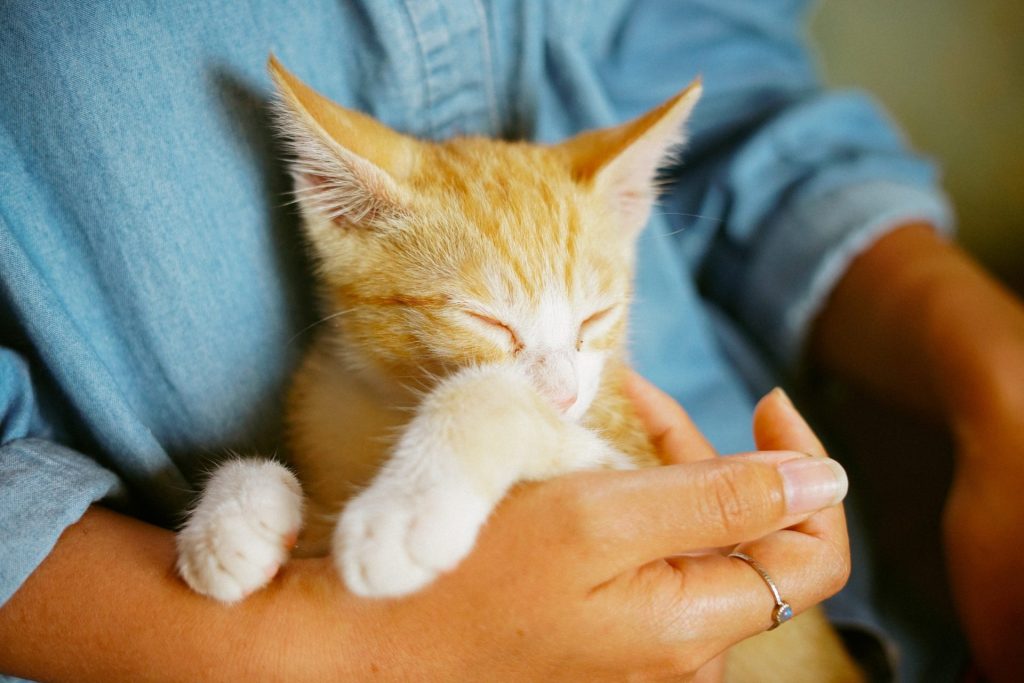
- Exposure to Different Environments: Training sessions conducted in various locations help pets become accustomed to different surroundings. This acclimatization is crucial as it curbs anxiety and fear in new environments, making them more sociable.
- Positive Reinforcement: By rewarding desirable behavior, pets learn to associate new and challenging situations with positive outcomes. This motivates them to approach new experiences with enthusiasm and reduces their propensity for fear-based reactions.
- Reduction of Aggression: Well-trained pets are less likely to display aggressive behavior, facilitating peaceful interactions within the community. This transformation is crucial for public spaces where encounters are frequent and varied.
Improving social skills through training alleviates stress for pets and their owners, ensuring smoother and more enjoyable social encounters.
4. Reduces Behavioral Issues
Behavioral problems are a significant concern among pet owners and can strain the human-pet relationship. Often, these issues arise from a lack of structure or guidance. Regular and structured training can mitigate these problems effectively.
Through consistent training, pets learn which behaviors are appropriate, leading to a decline in issues like excessive barking, destructive chewing, and aggression. Establishing a routine fosters a sense of security and confidence in pets. This is crucial as it helps them manage their instincts and reduces anxiety and stress, creating a more conducive environment in the household.
Additionally, a structured routine helps pets predict what comes next, reducing their stress and promoting mental stability. This predictability aids pets in understanding their boundaries, crucial for their psychological comfort and balance.
3. Mental Stimulation through Learning
Pets need mental stimulation just as much as physical exercise. Engaging in behavioral training provides the cognitive challenges that help keep a pet’s mind sharp and engaged, preventing boredom.
- Engagement with Commands: Training involving commands such as “sit,” “stay,” and “come” requires pets to think critically and remember tasks, enhancing their cognitive abilities.
- Problem-Solving Skills: Learning complex tricks stimulates the brain, fostering creativity and developing problem-solving skills. For instance, teaching a dog to navigate an agility course demands forethought and response to changing scenarios.
- Focused Attention: Training sessions require pets to focus and concentrate, which enhances their attention spans and ability to learn future commands more effectively.
These intellectual challenges not only entertain pets but also significantly contribute to their overall mental well-being, leading to a happier and healthier existence.
2. Strengthens the Human-Animal Bond
Behavioral training plays a pivotal role in strengthening the bond between pets and their owners. This relationship relies heavily on mutual trust and understanding, both of which are nurtured through training experiences.
When owners participate actively in their pet’s training, they guide their pets through challenges, which builds confidence in pets and reinforces their attachment to their humans. This interaction creates a sense of achievement and partnership that strengthens the human-animal bond.
Moreover, as this rapport deepens, owners become more attuned to their pets’ needs and behaviors, enabling them to respond appropriately to their cues, leading to a more harmonious and responsive household atmosphere.
1. Promotes Healthier Living Conditions
A pet’s environment plays a critical role in its mental health. Training establishes a routine that fosters security and predictability, minimizing confusion and anxiety.
By providing structured behavioral training, pet owners can create a safe and stimulating environment that addresses their pet’s mental and physical needs. This comprehensive approach results in:
- Improved Mood: Pets that are happy and confident due to consistent training are less likely to experience stress or anxiety, leading to better overall mood and behavior.
- Better Behavioral Patterns: A structured environment helps pets adjust better, understanding their roles and responsibilities within the household.
- Enhanced Physical Health: An engaged and active pet is more likely to maintain a healthy lifestyle, which is closely linked with better mental health.
In conclusion, behavioral training is an essential element in fostering the mental health of pets. It provides the structure and environment where both pets and humans can thrive together. By investing in training, pet owners lay the foundation for lasting pet well-being, contributing to happier, healthier, and more balanced lives for everyone involved.
| Category | Details |
|---|---|
| Socialization | Training enhances pets’ interaction with others, preventing behavioral issues that arise from isolation. |
| Stress Reduction | Behavioral training helps manage anxiety in pets, leading to calmer and more balanced emotional states. |
| Bonding Opportunities | Engaging in training strengthens the bond between pets and their owners, creating a trusting and enjoyable relationship. |
| Mental Stimulation | Training provides essential mental challenges, helping to keep pets engaged, sharp, and less prone to unwanted behaviors. |
Understanding the advantages provided by behavioral training can significantly alter the mental health landscape for pets, ensuring they remain not only happy but also healthy throughout their lives. This training calls for commitment and consistency, but the fruits of such efforts are manifold.
Frequently Asked Questions About Behavioral Training for Pets’ Mental Health
How does behavioral training benefit my pet’s mental health?
Behavioral training is crucial in providing mental stimulation and building a sense of security for pets. It helps them understand their environment better, which reduces anxiety and stress. Consistent training programs can improve a pet’s emotional well-being by fostering predictable routines, thereby enhancing their overall quality of life.
Is behavioral training suitable for pets of all ages?
Yes, behavioral training is beneficial for pets at any stage of life. While younger animals can greatly benefit from early intervention, older pets can also learn new behaviors with patience and the right approach. Training is a continuous process and can be tailored to meet the specific needs of your pet, regardless of age.
What are some common methods used in behavioral training for pets?
Some common methods include positive reinforcement, where pets are rewarded for desired behaviors, and clicker training, which uses a sound to mark correct behaviors. Another technique is behavior adjustment training (BAT), which focuses on helping pets cope with stressful situations. Each method should be tailored to the individual pet’s temperament and learning style.
Can behavioral training address aggressive behavior in pets?
Behavioral training can be highly effective in addressing aggressive behavior in pets. By identifying triggers and implementing management techniques, a professional trainer can help modify aggressive responses. Consistency and patience are key, and in some cases, consulting with a veterinary behaviorist may be recommended to tailor a specific plan for severe cases.
Conclusion: A Holistic Approach to Pet Well-Being
The benefits of behavioral training for pets extend far beyond simple obedience. As we explored throughout this article, it plays a critical role in ensuring the mental health and overall well-being of our animal companions. By fostering environments that encourage mental stimulation, emotional stability, and social harmony, behavioral training stands out as a fundamental investment in the life of any pet.
Our deep dive into this topic revealed several crucial insights:
- Behavioral training enhances mental stimulation, which is vital for keeping pets not only obedient but also happy and psychologically healthy.
- Training sessions can significantly alleviate anxiety and stress, common afflictions among pets that are often overlooked.
- Behavioral training promotes social skills, aiding pets in better interacting with humans and other animals, thus reducing tendencies toward aggression or fear.
- When structured and consistent, training bolsters discipline and routine, providing pets with a sense of structure that contributes positively to their mental framework.
- Finally, by investing in quality behavioral training, pet owners can forge stronger bonds with their animals, leading to enriched and fulfilling companionships.
As research and anecdotes alike illuminate, the integration of behavioral training into a pet’s life is indispensable for promoting comprehensive mental health. For animal lovers and pet owners, taking proactive steps towards behavioral training is not just a service to their furry friends, but an endeavor that enriches the human-animal bond. This enriching journey holds the promise of a harmonious, balanced life for our beloved pets, inviting a deeper discovery into the intricate tapestry of animal emotions and behaviors.