Functional Nutrition: Foods That Help in Disease Prevention in Pets
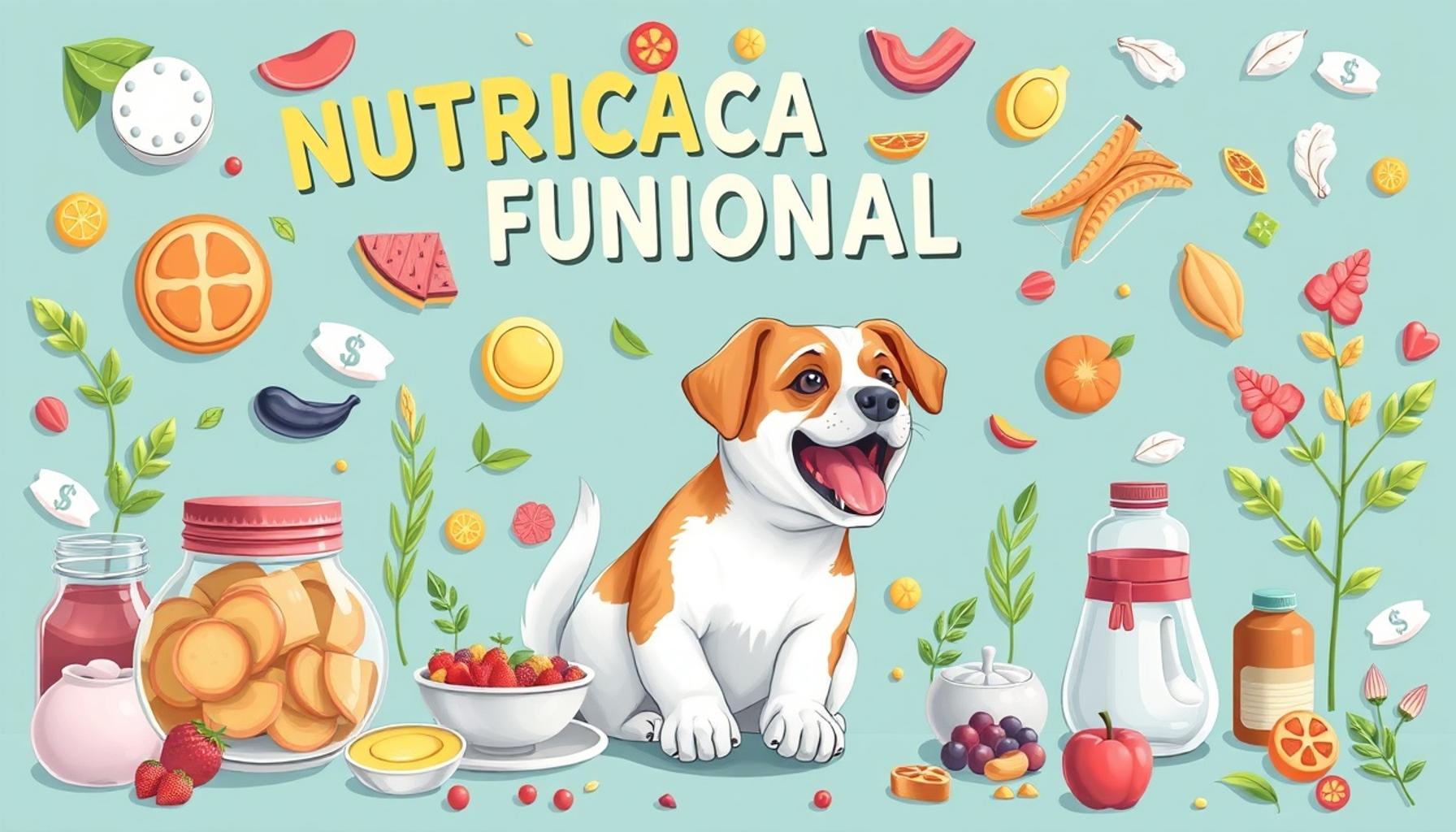
Exploring the Benefits of Functional Nutrition in Pet Health
As pet ownership evolves, so does our understanding of how diet impacts the health and well-being of our companions. With an increasing number of studies connecting nutrition to longevity and quality of life, the concept of functional nutrition has gained significant traction among pet owners. This approach emphasizes the use of specific foods to not just meet basic nutritional needs, but to actively prevent diseases and promote optimal health.
Whole foods form the cornerstone of functional nutrition. These are minimally processed items like fresh fruits, vegetables, and lean meats, rich in vitamins, minerals, and antioxidants. For instance, carrots are not only a crunchy treat; they are loaded with beta-carotene, which supports vision and immune function in pets. Similarly, sweet potatoes are another excellent example, abundant in fiber and vitamins A and C, which can enhance digestive health.
Superfoods such as blueberries, spinach, and quinoa play a pivotal role in a nutrient-dense diet. Blueberries, often heralded for their potent antioxidant properties, can help combat oxidative stress in pets, potentially lowering the risk of degenerative diseases. Spinach is a versatile green that adds a punch of iron and calcium, promoting healthy bones and muscle function. Quinoa, a protein-rich grain, offers amino acids that are essential for overall health, making it a fantastic addition to a pet’s meals.
Healthy fats are crucial for maintaining optimal health in pets. Omega-3 fatty acids found in fish oils are renowned for their anti-inflammatory properties, making them beneficial for conditions like arthritis and skin allergies. These essential fats can promote a shiny coat and healthy skin, enhancing your pet’s overall well-being. Specific fish oils, such as cod liver oil, are particularly rich in vitamins A and D, further supporting pet health.
Probiotics deserve a spotlight for their role in gut health, which is increasingly recognized as vital for the overall health of pets. These beneficial bacteria help to maintain a balance in the microbiome, aiding digestion and potentially enhancing the immune response. Many pet foods now come fortified with probiotics, or you can opt for natural sources such as plain yogurt or fermented vegetables.
Research underscores the profound impact that a diet rich in functional components can have on our pets’ lives. Studies reveal that such diets can significantly lower risks of chronic conditions, ranging from obesity to diabetes and heart disease. Furthermore, the right blend of nutrients may enhance mental acuity and boost energy levels, leading to more playful and vibrant pets.
As you navigate your pet’s dietary needs, consider integrating these functional elements into their meals. The journey towards better health for your furry friends starts with informed choices at the food bowl. By embracing a well-rounded diet rich in whole foods, superfoods, healthy fats, and probiotics, you may just unlock the secret to a longer, healthier life for your beloved animals. Exploring these options presents an opportunity not only to nourish but also to enhance the quality of life for our pets, proving that what they eat truly matters.
Nutrient-Packed Staples for Your Pet’s Diet
When it comes to functional nutrition, understanding the role of various food categories can help pet owners curate a diet that not only meets basic needs but actively contributes to disease prevention. By incorporating nutrient-dense foods into their pets’ meals, owners can foster long-term health and stave off potential health issues.
To start, consider fruits and vegetables. These natural powerhouses are loaded with vitamins, minerals, and fiber that can significantly benefit your pet’s health. Here are some standout choices:
- Blueberries: Not just a tasty treat, but these berries are packed with antioxidants that help reduce oxidative stress and may decrease the risk of chronic diseases.
- Carrots: A great low-calorie snack, carrots can aid in dental health and are rich in beta-carotene, promoting better vision.
- Spinach: This leafy green provides essential nutrients like iron and calcium, supporting strong bones and a healthy immune system.
- Sweet Potatoes: A fantastic source of fiber and vitamins A and C, sweet potatoes can enhance digestive health while providing energy.
Beyond fruits and vegetables, lean meats should also be a foundational element in your pet’s diet. Protein sources such as chicken, turkey, and fish not only provide essential amino acids for muscle development but also play a significant role in maintaining overall metabolic functions. Foods like salmon are especially beneficial, as they are rich in omega-3 fatty acids that promote a shiny coat while combating inflammation.
Another critical component of functional nutrition is whole grains such as brown rice and oats. Contrary to popular belief, grains can be a beneficial part of your pet’s diet when chosen wisely. Whole grains provide complex carbohydrates that help sustain energy levels and improve digestive health due to their fiber content. Not only do these elements support robust gastrointestinal function, but they can also help reduce the risk of obesity—an increasing concern in pets across the United States.
Additionally, incorporating healthy fats cannot be overlooked. Fats are a necessary source of energy and are instrumental in the absorption of fat-soluble vitamins. Incorporating sources of omega-3 and omega-6 fatty acids, such as flaxseed and chia seeds, can contribute to improved skin and coat health, benefiting pets that suffer from skin allergies or dryness.
To sum it up, a proactive approach to your pet’s functional nutrition can be the key to preventing many common health issues. By focusing on whole foods—integrating fruits, vegetables, lean meats, whole grains, and healthy fats—pet parents can enhance their furry friends’ diets substantially. Exploring these food options can yield not just an improved quality of life but also increased vigor and longevity, proving that the right choices at the food bowl can make all the difference in your pet’s life.
| Category | Description |
|---|---|
| Whole Grains | Whole grains such as brown rice and quinoa are rich in fiber and antioxidants, which support digestion and help in maintaining a healthy weight. |
| Antioxidant-Rich Foods | Including berries and leafy greens can protect pets from oxidative stress and lower the risk of chronic diseases by boosting their immune system. |
| Healthy Fats | Sources like salmon oil provide omega-3 fatty acids which can reduce inflammation and promote shiny coats, enhancing overall pet health. |
| Protein Sources | High-quality proteins from lean meats and legumes help maintain muscle mass while supporting healing and growth functions in pets. |
Expanding on functional nutrition, it is vital to recognize how vital the correct diet can be for disease prevention in pets. Whole grains, for instance, help regulate blood sugar levels and provide sustained energy. Antioxidant-rich foods not only combat aging but also contribute to a more robust immune system. Healthy fats are essential for brain health and help in maintaining a glossy coat, reflecting overall well-being. Lastly, an appropriate intake of protein is crucial for recovery and development, ensuring that pets remain active and healthy at all stages of life. Each of these components plays a unique role in the fight against diseases, making them an integral part of pet nutrition.
The Role of Supplements and Herbs in Disease Prevention
In addition to whole foods, supplements and herbs can play a vital role in enhancing your pet’s health and supporting disease prevention. While a balanced diet forms the foundation of functional nutrition, certain supplements can provide targeted aid in combating specific health concerns.
For instance, probiotics are becoming increasingly recognized for their role in gut health. These live microorganisms help maintain a healthy digestive system and can prevent gastrointestinal diseases that are all too common in pets. Studies indicate that a healthy gut flora can enhance immune function and decrease instances of chronic conditions such as allergies or inflammatory bowel disease. Before incorporating probiotics, make sure to consult with your veterinarian for the appropriate strains and dosages for your pet.
Another powerful contender in the realm of functional nutrition is glucosamine. This supplement is well-known for its potential to support joint health, making it an excellent choice for older pets or those at risk of developing arthritis. A growing body of evidence suggests that glucosamine can help reduce inflammation, ease pain, and improve mobility—all essential for maintaining a high quality of life in aging pets.
Herbs also possess remarkable health benefits worth exploring. Turmeric, for example, contains curcumin, a compound known for its potent anti-inflammatory properties. This makes it particularly useful for pets suffering from joint issues or chronic pain. Adding turmeric to your pet’s meals can help manage these conditions effectively.
Another herb to consider is milk thistle, which has been shown to support liver health. Given the role the liver plays in detoxifying toxins and processing nutrients, ensuring its health is critical for your pet’s overall well-being. Milk thistle assists in liver regeneration, making it an excellent option for pets exposed to various environmental toxins or those on long-term medications.
Furthermore, omega-3 fatty acids are not just a component of the food we discussed earlier; they can also be found in supplement form. These fatty acids are particularly influential in reducing inflammation throughout the body, which is significant for pets prone to skin conditions, allergies, or heart disease. In fact, veterinary research highlights that omega-3s can lower the risk of various diseases and enhance cognitive function in older pets.
Finally, antioxidant supplements, which often include vitamins C and E, can provide robust protection against oxidative stress—one of the leading contributors to aging and disease in pets. By including these antioxidants in your pet’s diet, you may not only help stave off degenerative diseases but also boost their energy levels and enhance overall vitality.
Incorporating these supplements and herbs into your pet’s functional nutrition plan represents an opportunity to address their specific health needs proactively. However, it’s essential to closely monitor how these additions affect your pet and consult a veterinarian to ensure the right approach. The complexity and uniqueness of each pet’s health suggest that personalized dietary strategies can pave the way for healthier, happier lives.
Conclusion: Elevating Pet Health Through Functional Nutrition
As we have explored throughout this article, functional nutrition plays a pivotal role in promoting health and preventing diseases in our beloved pets. By focusing on whole foods rich in essential nutrients, pet owners can significantly impact their animal companions’ well-being. The inclusion of items like antioxidant-rich berries, fiber-packed vegetables, and omega-3 fatty acids are key components that contribute not only to physical health but also to overall vitality.
Moreover, the integration of supplements and herbs can further enhance the effectiveness of a nutritious diet. With products like probiotics for gut health and glucosamine for joints, pet parents can tailor their pet’s nutrition to their specific needs, addressing issues before they escalate into serious health concerns. More than just a trend, the emphasis on preventative care through nutrition speaks to a growing understanding of the intricate relationship between diet and disease management in pets.
Ultimately, the journey to optimal pet health starts with informed dietary choices. A holistic understanding of functional nutrition not only fosters disease prevention but also supports a longer, happier life for our pets. As advocates for their health, it is our responsibility to delve deeper into the world of functional nutrition, embrace its principles, and consult with veterinary professionals to ensure our pets receive the tailored nutrition they deserve. So embark on this journey, and let the power of food pave the way to a healthier future for your cherished companions.