Homemade Food: Nutritious Recipes for Dogs and Cats
Why Homemade Food Matters
In a world where pet owners are increasingly concerned about their furry friends’ health, homemade food has emerged as a popular choice among pet owners. This trend is largely due to the desire for better control over their pets’ diets. With homemade meals, pet owners can ensure their pets receive nutritious recipes that cater specifically to their individual needs, be it age, size, or health condition. By investing a bit of time and effort into meal preparation, you can turn mealtime into a delightful experience for your beloved companion.
Benefits of Homemade Pet Food
- Quality Control: One of the standout advantages of homemade pet food is the ability to select high-quality ingredients. Many commercial pet foods can contain fillers and preservatives that may not be beneficial for your pet’s health. It allows you as a pet owner to opt for natural and organic ingredients, ensuring that every bite your pet takes is both wholesome and nourishing.
- Customization: Another compelling reason for making your own pet food is the potential for customization. Every pet is unique; their dietary needs can vary significantly based on factors like age, weight, breed, and any preexisting health issues. For instance, adding fish oil can be excellent for older dogs with joint issues, or incorporating more fiber for cats can aid in digestion.
- Cost Effectiveness: While purchasing high-quality commercial pet food can be expensive, homemade meals can actually be more budget-friendly in the long run. Bulk buying ingredients like rice, chicken, and vegetables often proves cheaper, and preparing meals at home allows you to avoid spending on overpriced brands while still ensuring your pet maintains a healthy diet.
Many pet owners may be surprised to discover that numerous everyday ingredients in their kitchens can be repurposed into nutritious recipes. For example, ingredients such as chicken, pumpkin, sweet potatoes, and carrots can be combined to create various delicious dishes tailored to your pet’s preferences. Sweet potatoes, packed with vitamins and minerals, can be blended with boiled chicken for a tasty yet nutritious meal that many dogs love. Cats, especially those who may be finicky eaters, can benefit from a mix of cooked fish combined with pumpkin, which aids in digestion.
As you embark on this culinary journey, it’s vital to consult with a veterinarian or a pet nutritionist to ensure that the recipes you create are nutritionally balanced and meet your pet’s specific needs. The potential to enhance your pet’s well-being through homemade meals not only nourishes their bodies but also strengthens the emotional bond between you and your beloved companion. Engaging in cooking together can lead to a deeper understanding and appreciation of each other, nurturing a stronger relationship that goes beyond routine feeding.
DISCOVER MORE: Click here to learn about balanced nutrition for your pet
Nutritional Ingredients for Homestyle Pet Meals
When crafting homemade food for your pets, selecting the right ingredients is crucial for ensuring their health and happiness. Understanding which nutrients are vital for dogs and cats can empower pet owners to create meals that are not only satisfying but also beneficial for their overall well-being. Below, we explore some essential ingredients that can be incorporated into your homemade recipes.
Proteins: The Building Blocks
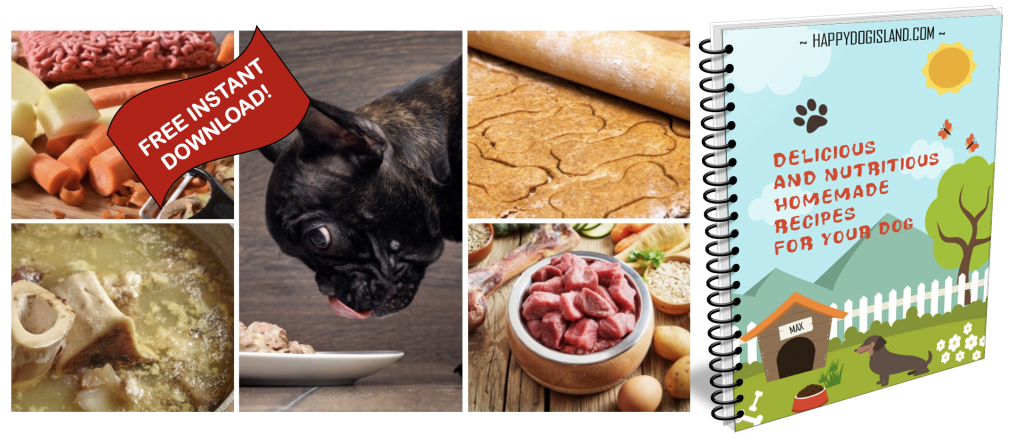
Proteins are a fundamental component of your pet’s diet, playing a key role in muscle development and overall health. Quality protein sources such as:
- Chicken: A popular choice, chicken is rich in essential amino acids and can be easily cooked and added to various recipes.
- Turkey: Leaner than chicken, turkey can provide a different flavor and is often suitable for pets with food sensitivities.
- Fish: Salmon and sardines offer omega-3 fatty acids that promote a healthy coat and skin. Just be sure to remove any bones before serving.
- Eggs: Cooked eggs are a fantastic source of protein that most pets enjoy. They can be scrambled or boiled and mixed into meals.
These protein sources not only sustain your pet’s energy levels but can also contribute to a shiny coat and robust immune system.
Carbohydrates: The Energy Source
In addition to proteins, carbohydrates provide energy, especially for active dogs. Some great sources of carbohydrates include:
- Brown Rice: A gentle carbohydrate that supports digestion, brown rice can be combined with proteins in various dishes.
- Oats: Rich in fiber, oats can be beneficial to both dogs and cats, enhancing digestion and providing steady energy.
- Sweet Potatoes: Packed with antioxidants and vitamins, sweet potatoes are a nutritious addition to homemade meals and are often loved by dogs.
- Quinoa: This gluten-free grain is high in protein and can be used as a base for various recipes.
These ingredients not only provide energy but also help regulate blood sugar levels, keeping your pets energized throughout the day.
Fruits and Vegetables: Nature’s Vitamins
Incorporating fresh fruits and vegetables into your pet’s meals is another way to ensure they receive essential vitamins and minerals. Some pet-friendly options include:
- Carrots: These crunchy treats are excellent for dental health and are low in calories, making them a great snack.
- Blueberries: Packed with antioxidants, blueberries can be a delicious addition to meals or served as treats.
- Spinach: Rich in iron and vitamins, spinach can be included in meals but should be used in moderation.
- Pumpkin: Great for digestion, plain canned pumpkin (not the spiced pie filling) can be added to meals for a tasty boost.
Fruits and vegetables not only contribute to your pet’s immune health but also add flavor and variety to their diet. Whether they’re cooked, pureed or served raw, these ingredients can tantalize your pet’s taste buds.
By carefully selecting these ingredients, pet owners can create a variety of nutritious recipes that their dogs and cats will adore. As you explore the world of homemade pet food, remember to keep your pet’s specific needs in mind and consult a veterinary professional when necessary. Balancing flavors and nutrients can create a delightful dining experience that fosters a strong bond between you and your beloved companion.
| Advantage | Description |
|---|---|
| Control Over Ingredients | Homemade pet food allows owners to select fresh and high-quality ingredients, ensuring that their pets consume nutritious meals without any harmful additives. |
| Tailored Nutrition | Every pet has unique dietary needs, and with homemade food, pet owners can customize recipes to suit specific health requirements and preferences, whether it’s for weight management or allergies. |
Engaging in the preparation of homemade meals for your furry companions can significantly enhance their health. Many pet owners are embracing the idea of creating nutritious recipes that align with their pets’ lifestyles, offering a diverse range of flavors and nutrients. This not only fosters a stronger bond between pets and their owners but also encourages the exploration of various ingredients that can lead to better overall well-being. By including whole grains, lean proteins, vegetables, and healthy fats, pet owners can maximize the health benefits their pets receive. Furthermore, making homemade pet meals may also allow for the avoidance of certain fillers commonly found in commercial foods. As interest in homemade pet diets continues to grow, resources are becoming readily available, providing recipes and tips for those eager to take this rewarding journey into the kitchen.
LEARN MORE: Click here for more information
Creating Balanced Meals: Essential Additives and Supplements
While focusing on fresh ingredients is key to crafting nutritious homemade food for your pets, it’s just as important to ensure these meals are well-rounded and meet specific dietary needs. Some additives and supplements can enhance your pet’s diet and contribute to their overall health. Here’s what you need to know about incorporating these essential elements into your pet’s meals.
Healthy Fats: For a Shiny Coat and Energy
Fats are a crucial part of a balanced diet, providing necessary energy while promoting healthy skin and a shiny coat. Some beneficial sources of healthy fats include:
- Flaxseed Oil: An excellent source of omega-3 fatty acids, flaxseed oil can be drizzled over meals or mixed into recipes to support skin health and reduce inflammation.
- Fish Oil: Rich in EPA and DHA, fish oil supplements not only enhance the metabolic process but also support joint health in both dogs and cats.
- Coconut Oil: Often praised for its numerous benefits, coconut oil can support a pet’s immune system and help with digestion. However, it should be used in moderation due to its high-calorie density.
By adding these healthy fats to your pet’s meals, you can bolster their energy levels while enhancing their coat condition.
Herbs and Spices: Flavors with Benefits
Introducing herbs and spices into your pet’s diet is another way to offer health benefits without compromising taste. Some safe options include:
- Parsley: A fresh addition that can aid in digestion and freshen your pet’s breath. It’s especially beneficial for dogs.
- Turmeric: Known for its anti-inflammatory properties, turmeric can benefit your pet’s joint health and overall well-being. Just a tiny pinch in meals can make a difference.
- Ginger: Helpful for nausea and digestion, small amounts of ginger can support your pet’s tummy and can be included in various recipes.
These ingredients not only boost flavor but also offer a range of health benefits, making every meal both delightful and nutritious.
Probiotics and Digestive Aids: Supporting Gut Health
A healthy gut is essential for your pet’s overall health. Probiotics can help improve digestion and strengthen the immune system. Here’s how you can integrate them:
- Plain Yogurt: A great source of probiotics, plain yogurt can be added to meals in small amounts. Ensure it’s free from artificial sweeteners like xylitol, which is toxic to pets.
- Pumpkin Puree: As mentioned earlier, pumpkin not only helps with digestion but also adds fiber, aiding in overall gut health.
- Fermented Foods: Ingredients like kefir or plain sauerkraut (in moderation) can support digestive health due to their high probiotic content.
By incorporating these digestive aids into your recipes, you can encourage a healthy gut flora, which is vital for nutrient absorption and general health.
Portion Control and Meal Frequency: Creating a Routine
Making homemade food for your pets is not just about the ingredients; it’s also about how you serve them. Proper portion control tailored to your pet’s size, weight, and activity level ensures they are getting the right nutritional balance. Here are some guidelines:
- Consider Size and Breed: Consult with your veterinarian for specific dietary requirements based on your pet’s breed or size, as portions will vary significantly.
- Age Matters: Puppies and kittens generally require different nutrient ratios than adult or senior pets. Adjust recipes accordingly.
- Meal Frequency: Establishing a consistent feeding schedule can aid in digestion and help maintain a healthy weight. Generally, adult dogs may need two meals a day, while kittens might require up to four smaller meals.
By diligently monitoring portion sizes and establishing a consistent routine, you can promote a healthy lifestyle for your furry friends.
In summary, while creating homemade food for dogs and cats, it’s essential not only to select nourishing ingredients but also to consider additives, supplements, and portion sizes that cater to the unique needs of your pets. This holistic approach will not only enhance their meals but will also improve their quality of life.
DIVE DEEPER: Click here to learn more
Final Thoughts on Homemade Pet Nutrition
As pet owners, providing nutritious homemade food for your dogs and cats is not just a trend, but a rewarding commitment to their health and happiness. By focusing on high-quality ingredients, understanding essential dietary needs, and incorporating appropriate additives, you can create meals that not only delight their taste buds but also promote their overall well-being. From the incorporation of healthy fats for shiny coats to probiotics that support digestion, the options for enhancing your pet’s meals are abundant.
Furthermore, being mindful of portion control and establishing a consistent feeding routine can significantly impact their health. Each pet is unique, so tailoring their diet to their specific age, breed, and health conditions is paramount. Engaging with your veterinarian for personalized recommendations can ensure that your homemade meals deliver the right balance of nutrition.
Ultimately, the act of preparing homemade food for your pets fosters a deeper bond and a greater understanding of their nutritional needs. As you embark on this culinary journey, take joy in the creativity involved while also advocating for your pet’s health. With the vast array of recipes and ideas available, there’s no better time to start cooking wholesome, loving meals for your furry companions. They deserve the best, and with a little effort, you can provide them with the nourishing sustenance that translates into a happier, healthier life.