How Behavioral Training Can Increase Confidence and Security in Shy Dogs

The Nature of Shy Dogs
For many dog owners, having a shy or anxious dog can be a perplexing experience. These dogs may show a variety of behaviors such as trembling, hiding in corners, or showing reluctance to engage in social interactions with other pets or people. Understanding that shyness in dogs is often rooted in fear—whether from previous trauma, lack of socialization, or even genetic predisposition—is crucial for their owners. It’s essential to recognize that this shyness does not define their potential for happiness and friendship. With an effective approach, these dogs can flourish and evolve into more confident members of their households.
The Importance of Behavioral Training
Behavioral training is fundamental for helping shy dogs build their confidence and feel secure in their environments. This training can facilitate their journey from fearful to friendly, utilizing various methods to create positive experiences. Some key components of this training include:
- Positive reinforcement techniques: Rewarding desired behaviors with treats, praise, or playtime reinforces the idea that social interactions are safe and enjoyable. For instance, if a dog approaches a new friend, providing a treat or affectionate praise reinforces that behavior positively.
- Socialization with other dogs and people: Gradually exposing shy dogs to various social settings helps them learn how to interact appropriately. Visits to the dog park or participation in controlled playdates can significantly improve their social skills if done at a comfortable pace.
- Gradual exposure to new environments: Introducing dogs to unfamiliar settings slowly—such as different rooms in the house or new outdoor areas—can help them build confidence. Small, manageable outings enhance their comfort levels without overwhelming them.
Benefits of Increased Confidence
As shy dogs progress through behavioral training, the transformation can be profound. Owners often report noticeable improvements in behavior and emotional health. Some significant benefits include:
- Enhanced social skills: Shy dogs become more adept at interacting with other dogs and people, reducing anxiety-related behaviors.
- Improved overall well-being: With enhanced confidence, these dogs experience less stress, which can lead to better physical health outcomes, including lower incidences of anxiety-related illnesses.
- A more adventurous and playful spirit: Confidence can unlock a shy dog’s personality, allowing them to enjoy activities like fetch or agility courses that they previously shied away from.
This article only scratches the surface of how targeted behavioral strategies can significantly reshape the lives of shy dogs. By empowering them through training, we do not just foster confidence; we cultivate a deeper, more profound sense of security. The journey from anxious to adventurous is possible, and as dog owners engage in this transformative process, they pave the way for happier, healthier canine companions.
DISCOVER MORE: Click here to learn about the benefits of veterinary telemedicine
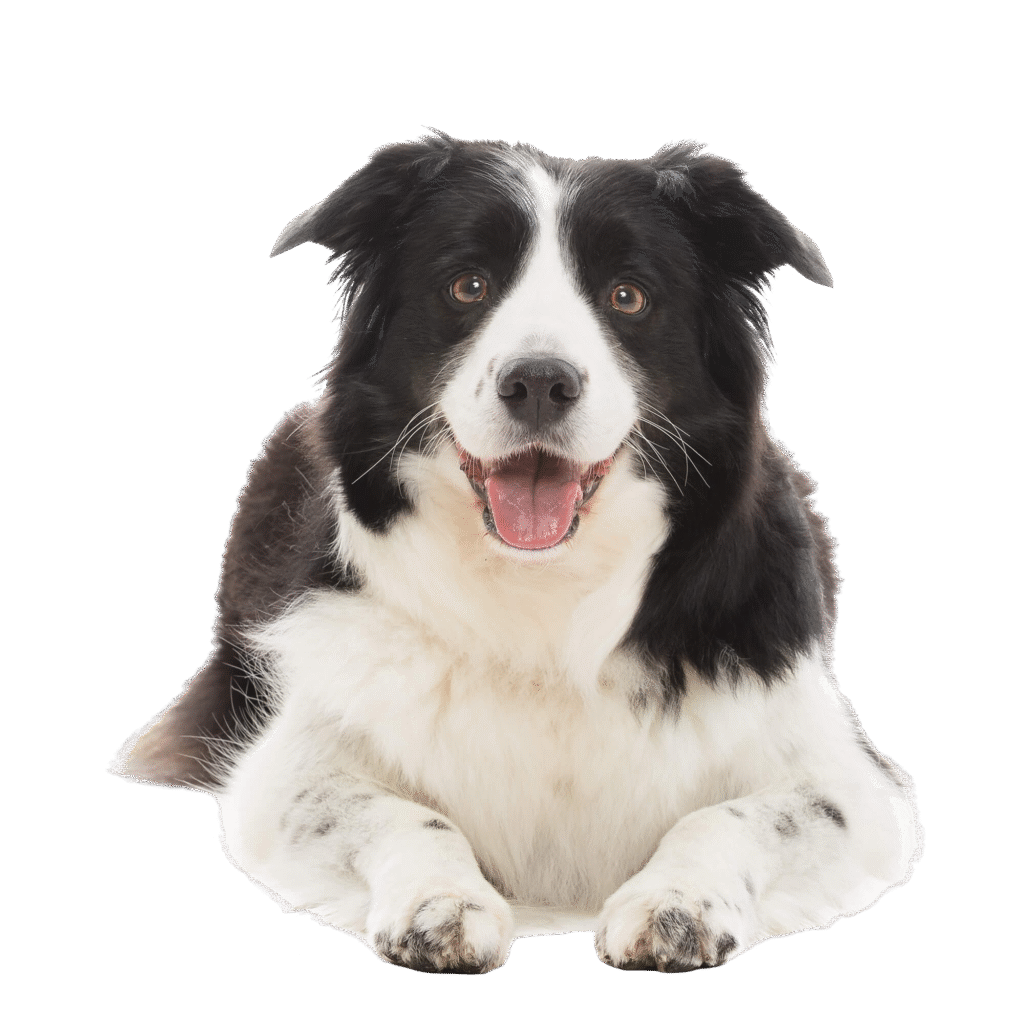
Building Trust through Behavioral Training
When working with shy dogs, the primary goal of behavioral training is to build trust—a critical foundation for increasing their confidence and sense of security. Similar to how children might feel safe when guided through new experiences, shy dogs can significantly benefit from structured and supportive training approaches. By establishing a reliable framework for learning, dog owners can help their pets recognize that the world around them is not as intimidating as it may seem.
One effective strategy is the use of a structured training regimen, which encourages consistency and predictability in a dog’s routine. Training sessions should be short and positive, ensuring that the dog associates the experience with good feelings. Each session can incorporate different skill sets, including basic commands like ‘sit,’ ‘stay,’ and ‘come,’ which not only teach obedience but also reinforce the dog’s ability to respond appropriately in various situations.
Implementing a staged approach to interactions further enhances their comfort zone. Here are some practical steps that can be utilized:
- Start with low-stress situations: Initially, practice commands and engage in play games in a quiet, familiar environment. This allows the dog to focus without the pressure of external distractions.
- Gradual acclimatization: Slowly introduce the dog to new environments or stimuli, such as different social settings or new people. The key is to do this in small increments, allowing time for the dog to adapt.
- Encourage independence: Give the dog opportunities to explore their surroundings at their own pace. Allow them to interact with environments or objects that pique their interest, which fosters a sense of control and curiosity.
Research indicates that dogs exposed to consistent, positive behavioral training often display improved social behavior and reduced anxiety levels. One study by the Journal of Veterinary Behavior found that dogs undergoing behavioral training experienced noticeable reductions in signs of stress, such as barking and aggression, compared to those that did not participate in structured training.
In addition to instilling confidence, behavioral training can create a deeper bond between owners and their dogs. The act of training itself becomes a shared experience, facilitating communication and understanding. For shy dogs, this friendship is invaluable, as it promotes the idea that their human companions are reliable sources of safety and affection.
Emphasizing Positive Reinforcement
Positive reinforcement is one of the most effective methods to instill confidence in shy dogs. Unlike punitive training techniques that can exacerbate fear-based behaviors, positive reinforcement focuses on rewarding desirable actions, thus encouraging the dog to repeat them. This encourages them to take risks in social scenarios, fostering a sense of accomplishment.
Using techniques such as clicker training, where a click sound marks favorable behavior followed by a reward, can dramatically boost a dog’s morale. This method provides immediate feedback, helping shy dogs connect actions with positive outcomes, paving the way for greater receptivity to future training. With time and commitment, owners can see visible changes in their dogs’ behavior—transitions from timid to tail-wagging enthusiasm.
By understanding and employing these principles of behavioral training, owners create an enriching environment that can transform the lives of shy dogs. This journey not only enhances compliance and socialization but promotes a brighter, more confident future for these lovable companions.
Understanding the Role of Behavioral Training
Behavioral training is essential for helping shy dogs become more confident and secure in their environment. Shy dogs often exhibit stress-related behaviors, such as excessive barking, hiding, or aggressive reactions to perceived threats. These reactions can stem from fear or anxiety, which can be alleviated through effective training techniques. By employing positive reinforcement methods, owners can guide their pets towards healthier behaviors while creating a trusting bond.One vital aspect of behavioral training is socialization. Introducing shy dogs to new experiences, people, and other dogs in a controlled manner can significantly boost their confidence. This process allows them to learn how to navigate different situations and understand that not all experiences are threatening. For example, enrolling a shy dog in a puppy class can expose them to a variety of stimuli in a safe environment, fostering social skills and reducing anxiety.Additionally, establishing a consistent routine is crucial for shy dogs. Predictable daily activities help create a sense of security, reducing stress levels. Consistent training sessions can also familiarize dogs with commands and behaviors expected from them, reinforcing their understanding of new challenges. Incorporating games and interactive exercises not only stimulates the dog mentally but also strengthens the dog-owner relationship, which can further enhance their confidence.Moreover, using calming techniques, such as specialized training equipment, can aid in reducing anxiety. Tools like anxiety wraps, calming collars, or pheromone diffusers can work hand-in-hand with behavioral training to create a holistic approach. When combined with positive social interactions, shy dogs can learn that they are safe and that their environment is not as daunting as they initially perceived.Understanding the unique needs of shy dogs is paramount. Tailoring training strategies to address their specific fears can lead to significant improvements in their behavior over time. Owners seeking to help their dogs thrive should remain patient and consistent, providing gentle encouragement while avoiding overwhelming situations. With the right approach, shy dogs can blossom into confident companions, living healthier and happier lives.
| Category | Advantages |
|---|---|
| Positive Reinforcement | Encourages desired behaviors through rewards, boosting confidence. |
| Socialization Opportunities | Exposure to new stimuli helps reduce fears and build social skills. |
LEARN MORE: Click here to discover the benefits of a balanced diet for your pets
Integrating Socialization Techniques
A crucial aspect of enhancing a shy dog’s confidence lies in effective socialization techniques. Introducing dogs to various environments, people, and other animals gradually and positively can help them develop comfort and security in social settings. It is imperative that these experiences are enjoyable and stress-free to counteract any existing anxiety.
One of the best ways to begin this process is through controlled exposure to social situations. For instance, participating in a small, manageable dog class can be an excellent platform for shy dogs to learn basic commands while interacting with other dogs and their owners. Such classes often provide a structured setting where the owner can observe how their dog reacts to new stimuli, thus ensuring interactions are positive and reinforcing.
The set and reward method can be particularly effective here. When introducing a shy dog to a new person or animal, encourage the dog to approach at their own pace. If they interact calmly, provide a treat or verbal praise. This method not only rewards confidence but also teaches the dog to associate new experiences with positive outcomes. Over time, these small steps can lead to greater levels of confidence as the dog learns that interactions are safe and rewarding.
In addition to direct interactions, group walks can be another beneficial practice. Organizing a small group of trusted friends with dogs that are well-socialized can create an inviting atmosphere where the shy dog can observe and engage without feeling overwhelmed. The added benefit of a group dynamic allows shy dogs to learn from their more confident peers, mirroring behaviors that encourage social interaction. This process promotes not only confidence, but also authenticity in behavioral learning, where dogs witness positive engagements unfold.
Real-Life Success Stories
Real-life success stories serve as a testament to the effectiveness of behavioral training and socialization techniques. Take, for instance, the case of Bella, a rescue dog from a shelter who was significantly timid around strangers. Her new owner implemented a routine that included daily behavioral training sessions focusing on basic commands, paired with frequent short social outings to parks during less crowded hours.
Within a few weeks, Bella grew less skittish. She responded positively to commands and even began approaching other calm dogs in the park. Bella’s journey illustrates how systematic exposure and commitment from the owner can lead to observable behavioral changes, fostering lasting impact on a shy dog’s confidence.
Moreover, the use of technology now offers expansive avenues for training support. Apps geared towards dog training often include feature sets that allow owners to document progress and share insightful tips from a community of trainers and fellow dog owners. Engaging with these platforms can provide encouragement and motivation to pursue ongoing behavioral training, enhancing the learning experience for both owner and dog.
Ultimately, understanding that each dog’s journey to increased confidence is unique is essential. Tailoring approaches to fit individual personalities and specific needs fosters an environment ripe for growth. Observations over time will guide owners in adjusting strategies, ensuring the shy dog thrives within a safe and secure framework.
DISCOVER MORE: Click here to learn about the latest veterinary innovations
Conclusion
In summary, the journey of transforming a shy dog into a more confident and secure companion is a multifaceted process that hinges on effective behavioral training and socialization techniques. Understanding the unique temperament and needs of shy dogs is critical for tailoring an approach that fosters positive experiences. By incorporating gradual exposure to diverse environments, people, and situations, dog owners can help their timid pets associate new experiences with positive outcomes.
The implementation of structured programs, such as small dog training classes, and the use of methods like the set and reward technique, serve as powerful tools in building confidence. Additionally, engaging in group walks with well-socialized dogs can provide invaluable learning opportunities, allowing shy dogs to observe and mimic the interactions of their peers. Through consistent effort and patience, owners can witness a profound transformation in their dog’s behavior.
Success stories, like that of Bella, illustrate the tangible benefits of effective training and socialization. Furthermore, leveraging technology such as dog training apps can enhance the training experience by allowing owners to track progress and seek support from communities of fellow dog lovers. This connectivity can provide ongoing motivation, reinforcing the shared goal of nurturing more confident dogs.
Ultimately, recognizing that each dog’s path to increased confidence is unique underscores the importance of a personalized approach. By remaining observant and flexible, dog owners can adjust their strategies over time, ensuring their shy companions evolve within a safe and supportive framework. The journey may take time, but with dedication and the right techniques, the outcome promises to be rewarding, leading both pet and owner to newfound confidence and joy.