How to Choose the Right Toys to Stimulate Pet Development
Understanding the Importance of Choosing Pet Toys
Selecting the right toys for your pet is not just a matter of keeping them busy; it plays a pivotal role in their overall development and happiness. Engaging in playtime can greatly influence a pet’s behavior, mental stimulation, and health. With countless options flooding the market, it can indeed be overwhelming to discern which toys would provide the most benefit to your furry friend. This understanding can transform playtime into a powerful tool for your pet’s growth.
Key Factors to Consider
When it comes to choosing the right toys, several pivotal elements should guide your decisions:
- Age and Size: Pet toys are not one-size-fits-all. For instance, a small rubber ball may be perfect for a kitten but pose a choking hazard for a large dog such as a Great Dane. Puppies often benefit from softer toys to comfort their teething, while adult dogs may require sturdier options to prevent destruction. Always assess your pet’s specific life stage and size before making a purchase.
- Durability: Durability is crucial, especially for pets that have a habit of aggressive chewing. Toys made from materials like sturdy rubber, reinforced fabric, or even rope can withstand the wear and tear of playtime much better than cheaply made counterparts. Brands like Kong or Nylabone are known for their durable products catering to even the most tenacious chewers.
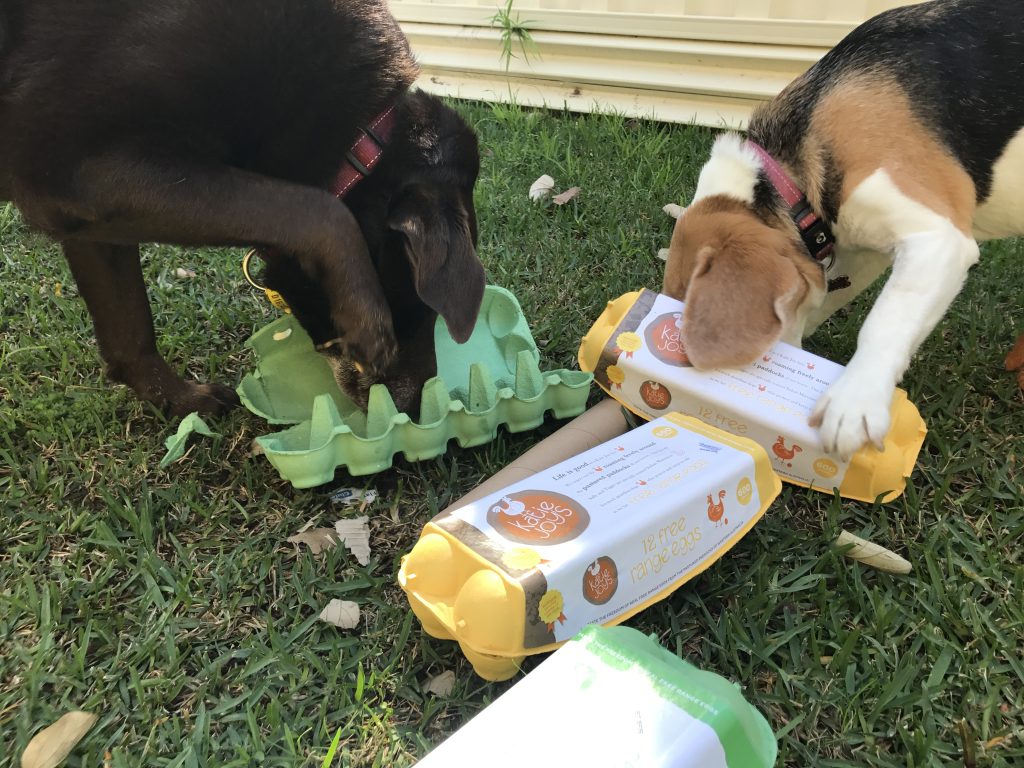
- Stimulation Type: Engaging your pet mentally and physically is essential. Toys like puzzle feeders or treat-dispensing toys encourage your pet to think critically and problem-solve. This not only keeps them entertained but helps reduce destructive behaviors stemming from boredom. For instance, hiding treats within a dog puzzle can keep your pet occupied for hours.
- Safety: Always prioritize safety when selecting toys for your pets. Check for certifications ensuring that materials are non-toxic. Avoid toys with small parts that could come loose and become choking hazards. Reading labels and product reviews can provide insight into the toy’s safety ratings.
Types of Toys to Enhance Playtime
Diverse toys offer multiple benefits that cater to various forms of stimulation, ensuring your pet remains engaged:
- Interactive toys: These toys, such as feather wands for cats or tug-of-war ropes for dogs, foster bonding and encourage playtime between you and your pet. They provide an excellent opportunity for exercise, helping to build a stronger relationship.
- Chew toys: Essential for dental health, chew toys help prevent plaque buildup and keep your pet’s teeth clean. Look for textures and materials designed specifically to promote oral hygiene.
- Fetch toys: Fetch toys, like frisbees or tennis balls, encourage physical activity. Regularly engaging in fetch not only allows for exercise but can help curb excess energy, leading to a calmer household.
By carefully selecting toys that align with your pet’s unique needs, you elevate their playtime experience, nurture their essential skills, and contribute to their overall well-being. This thoughtful approach not only cultivates a joyful environment for your pet but also enriches their daily life, leading to a happier, healthier companion.
DISCOVER MORE: Click here to learn about essential pet nutrition
Navigating the Toy Aisle: Strategies for Optimal Selection
With a myriad of pet toys available in stores and online, choosing the right one that effectively stimulates pet development can feel like a daunting task. However, understanding your pet’s needs, preferences, and personality can significantly streamline this process. To make informed decisions, it is crucial to evaluate toys based on their ability to engage your pet’s senses and promote positive behavior.
The Role of Play in Pet Development
Play is not just a pastime for pets; it is a fundamental component of their growth and emotional health. Engaging in playful activities helps pets develop crucial skills, from social interactions to physical coordination. Throughout their lives, pets use play to exercise their natural instincts, including hunting, chasing, and digging. As pet owners, we hold the responsibility to provide toys that satisfy these instincts while also fostering safe environments for exploration. Below are some guidelines to consider when selecting toys that can enhance playtime and contribute to your pet’s development.
Understanding Your Pet’s Preferences
Every pet has unique preferences that can significantly influence their interaction with toys. To ensure that your furry friend remains engaged and stimulated, take the time to observe their play habits. Do they prefer chewing, chasing, or interactive play with their human companions? Noting these tendencies can help you make choices that align with their natural behaviors. Here are some common categories of toys that cater to different preferences:
- Soft Toys: Ideal for pets that enjoy cuddling or fetch, soft toys provide comfort and can be a source of security for younger animals.
- Sound Toys: Toys that emit sounds, like squeakers or crinkly material, can intrigue pets and get them excited to play.
- Bulldog Board Toys: For those pups that enjoy a challenge, toys that require them to think critically, like tug-of-war or treat puzzles, can serve to enhance cognitive skills.
Furthermore, your pet’s breed can also dictate their toy preferences. Larger breeds may possess more strength and energy, requiring sturdier and more durable toys, while smaller breeds might enjoy smaller, lighter options that they can easily maneuver. Recognizing these distinctions will not only keep your pet entertained but will also promote their physical and mental well-being.
Choosing the Right Materials
The material of toys also plays a critical role in pet safety and development. It’s essential to select toys made from non-toxic, durable materials to withstand tough play sessions. Look for certifications or reviews that highlight a toy’s safety features. Some popular materials include:
- Rubber: Known for its durability, rubber is ideal for aggressive chewers and can be easily cleaned.
- Fabric: Soft fabric toys can provide comfort but should be carefully monitored for wear and tear.
- Natural Materials: Bamboo or organic cotton toys are safer alternatives that cater to eco-conscious pet owners.
By being aware of your pet’s individual tastes and the materials’ characteristics, you lay the groundwork for selecting toys that not only provide joy but also effectively stimulate pet development. Engaging thoughtfully with your pet’s playtime can make a world of difference in their health, happiness, and overall quality of life.
Choosing the right toys for your pet is essential for their development and overall well-being. Toys are not merely for entertainment; they play a crucial role in physical, mental, and emotional growth. The right toys can engage your pet, stimulate their senses, and even strengthen the bond between you and your furry friend. When selecting toys, consider your pet’s age, size, and breed. For instance, puppies and kittens benefit from soft, chewable toys that promote healthy dental development. As pets grow, they may require more complex toys that challenge their problem-solving skills and keep them active. Look for interactive toys that can boost cognitive function and prevent boredom. Additionally, safety should be a top priority in your selection process. Choose toys made from non-toxic, durable materials that can withstand aggressive chewing. Regular inspection of toys is also crucial to ensure they do not pose a choking hazard or risk of injury.Moreover, incorporating a variety of toys can enhance stimulation. Rotating toys to keep them fresh and engaging ensures that your pet remains interested and active. Consider toys that mimic prey, dispensers for treats, and puzzle toys that require your pet to think critically. To help you navigate the selection process, here’s a brief overview of advantages related to choosing the right toys for your pet:
| Category | Benefits |
|---|---|
| Physical Health | Promotes exercise and prevents obesity. |
| Mental Stimulation | Enhances problem-solving abilities and keeps boredom at bay. |
| Bonding Experience | Fosters a strong connection between pet and owner. |
| Behavior Management | Reduces destructive behavior through engagement. |
Investing time in *researching and choosing the right toys* can lead to a happier, healthier life for your pet. Engaging with your pet through toys not only enriches their lives but also boosts your connection with them. The world of pet toys is vast, and new products constantly emerge, making it an exciting journey to ensure your pet thrives.
DIVE DEEPER: Click here to learn about balanced nutrition
Encouraging Social Interaction and Stimulation
As much as pets enjoy solo play, the social aspect of playtime is equally important in fostering their development. Toys that encourage interaction with other pets or humans can significantly enhance their sociability. For example, consider toys designed for multiplayer engagement, such as frisbees and balls, which promote active play sessions that allow your pet to hone their agility and coordination.
Interactive and Puzzle Toys
In addition to physical activity, cognitive stimulation is essential for a pet’s overall wellbeing. Interactive toys and puzzle games can provide a perfect mix of challenge and entertainment. These types of toys often require pets to solve a problem to access a treat or another reward, effectively engaging their brain and nurturing their instincts. Many puzzle toys are designed to keep pets busy and challenge their ability to think critically, an excellent way to prevent boredom-induced behavior problems.
- Activity Centers: For cats, consider options like activity trees or centers that require climbing and exploration. Dogs can benefit from toys with hidden compartments for treats, seeing them sift through to uncover their hidden plunder.
- Training Tools: Toys designed for obedience training, such as agility kits or clickers paired with treats, reward good behavior while also stimulating mental activity.
Research suggests that providing a variety of stimulus through interactive play can lead to improved behavioral outcomes, reducing anxiety and fostering a sense of security in pets.
Considering Safety and Size
While the focus often lies on toys’ stimulating properties, pet safety should always be your primary concern. It is imperative to ensure that any toy you choose matches your pet’s size and breed to avoid choking hazards or other injuries. For instance, small toys may pose a risk to larger breeds if ingested, while oversized toys can overwhelm smaller pets and discourage play.
In addition to considering size, it’s wise to regularly assess the condition of toys. Worn-out toys can pose risks, such as sharp edges, ingestion of small parts, or harmful chemicals that may be released as materials degrade over time. You should also be vigilant about recalls and safety notices regarding pet toys, ensuring that your pet’s play equipment remains safe and effective for their developmental needs.
The Benefits of Rotating Toys
To keep playtime exciting and engaging, pet owners can benefit from rotating their pet’s toys. This strategy prevents puppies or kittens from becoming bored with a particular toy while also maintaining their curiosity about old favorites. Studies have shown that introducing “new” toys back into play after a period of absence can evoke excitement and renewed interest, enhancing their overall play experience. This act of rotation also allows you to better evaluate what types of toys yield the best engagement and foster the most significant developmental successes.
By thoughtfully curating and continuously assessing the toys you provide, your furry companions will not only remain happy and engaged but will also flourish through enriched play experiences that cater to their physical and mental health. Always keep your pet’s preferences, safety, and developmental needs at the forefront when selecting toys, and consider how each choice contributes to their growth and enjoyment of life.
DISCOVER MORE: Click here to learn about the role of telemedicine in veterinary care
Final Thoughts on Selecting Toys for Pet Development
Choosing the right toys to stimulate pet development is a multifaceted endeavor that goes beyond mere entertainment. As we’ve explored, balancing physical activity and cognitive stimulation is vital in nurturing well-rounded companions. Toys that promote social interaction and problem-solving not only keep pets engaged but also contribute to their emotional and behavioral health.
Consideration for safety and size is paramount; ensuring that toys are appropriate for your pet’s breed and size can prevent accidents and enhance their play experience. Additionally, regularly assessing the condition of their toys and staying informed on safety recalls ensures they remain safe playmates in your household.
Lastly, regularly rotating toys can reignite interest and prevent boredom, offering fresh experiences that cater to your pet’s natural instincts. By implementing these strategies, you can create an enriching environment that fosters curiosity and growth.
Ultimately, every pet is unique, and recognizing their individual preferences will guide you in selecting the perfect toys. Investing time and thought into this process will pay dividends in your pet’s happiness and development. Keep exploring new toy options, monitoring engagement, and adjusting your selections to provide a stimulating and joyful playtime that contributes significantly to your pet’s overall quality of life.