How to Create a Comfortable Living Space for Pets at Home
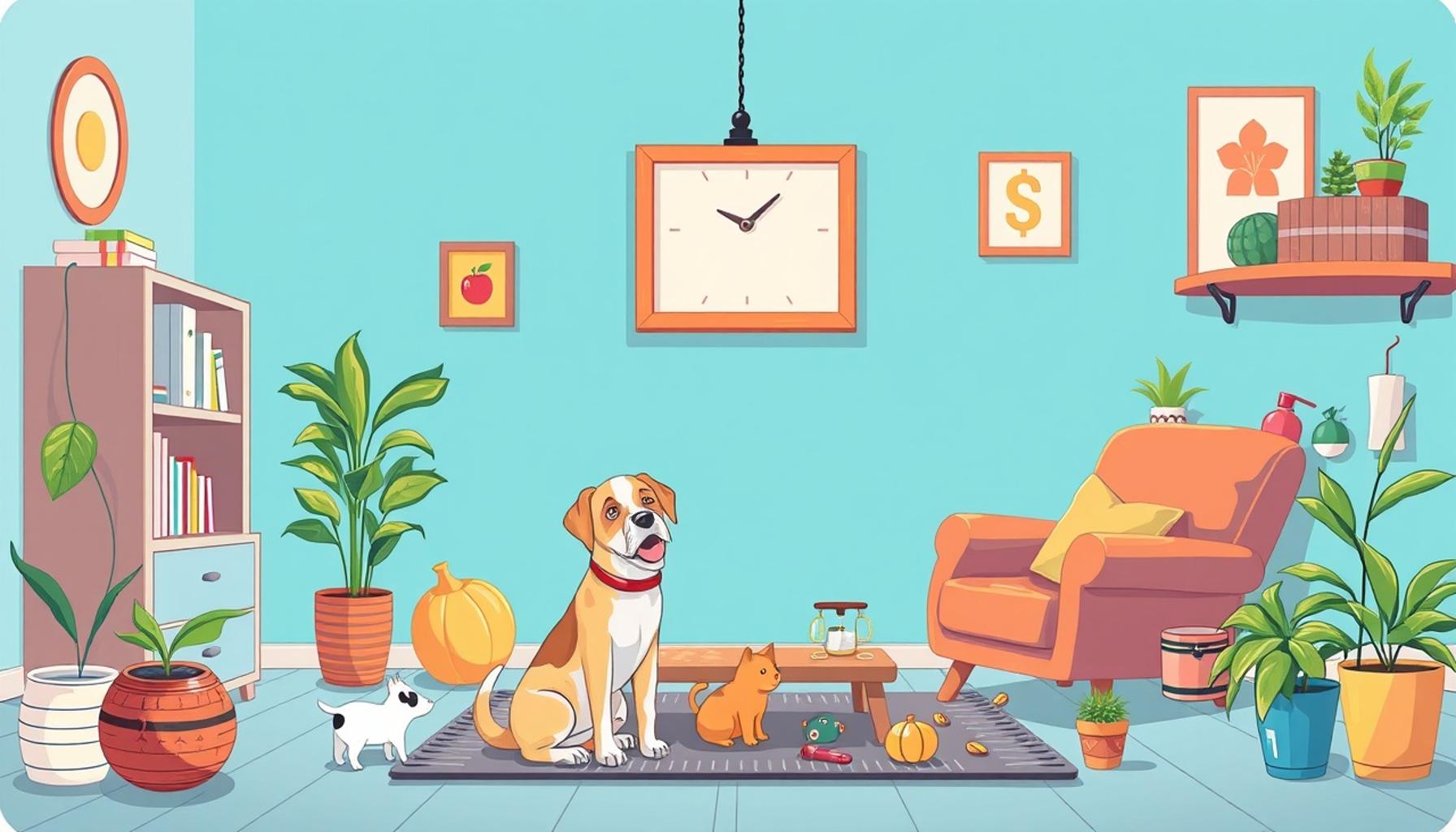
Creating a Cozy Haven for Your Furry Friends
Designing a living space that accommodates your pets can significantly enhance their well-being and happiness. In the United States, many pet owners are recognizing the importance of a pet-friendly environment. A comfortable space not only benefits your animals but also enriches your home life by fostering a nurturing and harmonious atmosphere that can be enjoyed by all family members.
Consider these key features when creating a haven for your pets:
- Safe Zones: Designate areas where pets can relax undisturbed. These could be quiet corners furnished with soft blankets or pet cushions, away from high-traffic areas. For instance, a small tent-like structure can serve as an ideal retreat for your timid cat, giving them a secure space while still being part of the household.
- Comfortable Bedding: Invest in quality pet beds that cater to your pets’ specific needs. For large dogs, orthopedic beds provide support for their joints, while small breeds might appreciate a cozy nest-style bed. You could also explore options like machine-washable covers to make maintenance a breeze.
- Cleanliness: Ensure easy-to-clean surfaces to manage pet hair and odors. Materials like microfiber or leather are not only stylish but also practical as they resist stains and can be wiped down effortlessly. Regularly washing pet bedding and using air purifiers can further enhance the environment.
- Interactive Elements: Incorporate toys and climbing structures for both cats and dogs. For example, cat trees offer a vertical escape, satisfying their natural instinct to climb. Similarly, interactive dog toys, like puzzle feeders, can stimulate their minds while keeping them entertained for hours.
Beyond these features, understanding your pet’s unique needs is essential. Not every animal is the same; different breeds and personalities require different approaches. For instance, while some dogs thrive on social interaction and require ample space to play, others may prefer a snug corner with a comforting blanket. By tailoring your space to accommodate these differences, you can create a sanctuary that caters to your pets’ individual preferences.
Transitioning your home into a comfortable living space for pets encourages a thriving atmosphere. Thoughtful adjustments, such as maintaining an appropriate temperature and providing access to natural light, can improve your pet’s mood and overall well-being. Incorporating your pet’s favorite activities into your home design, such as a mudroom space for cleaning up after outdoor adventures, exemplifies a balance between style and functionality.
With careful consideration and creativity, your house can be both stylish and pet-friendly. This endeavor not only deepens your bond with your furry companions but also creates an inviting space that emphasizes the joy of pet ownership. Dive into the details ahead and discover how to craft the perfect pet-friendly environment—where both you and your pets can thrive!
DISCOVER MORE: Click here to learn about choosing the right food for your pet’s life stage</
Understanding Your Pet’s Needs
Creating a comfortable living space for pets starts with a deep understanding of their unique needs and behaviors. Each pet, whether it’s a playful puppy, a regal cat, or even small animals like rabbits or guinea pigs, brings its own personality traits and preferences to the home. By recognizing what makes your pet feel safe, happy, and stimulated, you can tailor your environment to enhance their quality of life.
One fundamental aspect to consider is your pet’s activity level. High-energy dogs might require ample space for running and playing, whereas more sedentary breeds may enjoy a serene corner with cozy bedding. Similarly, cats are known for their curious nature; providing them with vertical spaces to explore or nooks to hide in can prevent boredom and stress.
Creating Designated Areas
Establishing designated areas within your home can make a significant impact on your pets’ feelings of security. Consider these tips for developing these zones:
- Feeding Station: Set up a specific place for feeding, with easy-to-clean mats to catch any spilled food or water. This helps in creating a routine for your pet, making meal times more enjoyable.
- Play Zone: Dedicate a space for playtime, perhaps equipped with pet toys, balls, and interactive games. This encourages regular exercise and contributes to a healthier lifestyle.
- Bathroom Area: For pet owners with dogs, ensuring easy access to outdoor spaces is vital for bathroom breaks. For indoor pets, consider litter boxes that are discreet yet accessible, maintaining cleanliness and comfort.
- Resting Spaces: As discussed, select several soft and comfortable spots where pets can retreat for relaxation. These resting areas should be quiet and away from daily noise, allowing pets to recharge.
Moreover, maintaining a consistent routine can greatly aid in your pet’s adaptation to their environment. Establishing regular feeding, play, and bathroom schedules reduces anxiety and creates a sense of security. Pets thrive on predictability; knowing when to expect food or playtime helps them feel more at home.
Incorporating Pet-Friendly Materials
When designing your living space, it’s crucial to choose materials that stand the test of pet activity. Look for durable fabrics that can withstand wear and tear, such as upholstery made of synthetic fibers or outdoor-grade materials. These are not only robust but also easier to clean. Furthermore, consider flooring options like laminate or tile, as they are easier to maintain compared to carpets, which can trap odors and pet hair.
In addition to physical comfort, think about the safety of your pets. Ensure that spaces are free from hazardous items such as toxic houseplants, exposed wiring, and small objects that could be ingested. By creating a safe environment, you will reduce anxiety for both your pets and yourself.
By prioritizing your pet’s needs, establishing dedicated spaces, and utilizing pet-friendly materials, you can create a harmonious and inviting home. As you continue to learn about the preferences and personalities of your furry or feathered companions, you will be better equipped to design an environment that is not only comfortable but also tailored to their specific behaviors and needs.
Creating a comfortable living space for pets at home involves several key elements that prioritize their well-being while also enhancing the overall aesthetic of your environment. Here are some essential aspects to consider:Firstly, designated pet areas are crucial. Consider setting up a specific spot in your home dedicated to your furry friends. This can be a cozy corner with a pet bed, toys, and easy access to water. Utilizing furniture like pet-friendly sofas or chairs with removable covers allows you to maintain style without compromising comfort. Furthermore, natural light and ventilation play significant roles in a pet-friendly living space. Ensure that your pets have access to windows where they can bask in sunlight or observe the outside world. Fresh air circulation is essential, so open windows or use air purifiers to keep the environment healthy. In addition, don’t overlook the importance of safety features. Ensure that the living space is free from hazardous materials, cables, or sharp objects. Using non-toxic plants and securing windows can protect your pets from potential injuries or health issues. Also, consider adding interactive elements to keep your pets engaged. Climbing structures, scratching posts for cats, or innovative toys can stimulate their minds and prevent boredom. On the practical side, investing in durable and easy-to-clean materials for flooring and upholstery can save time and effort in maintaining cleanliness. Waterproof rugs and stain-resistant fabrics are excellent options that can withstand the wear and tear of pet life.By combining these strategies, you can create an environment that is not only inviting for your pets but also aligns with modern home aesthetics. Now, let’s delve deeper into specific advantages and considerations in designing such spaces through a comparative table.
| Category | Description |
|---|---|
| Comfort | Creating cozy spots with beds and blankets enhances your pet’s relaxation. |
| Aesthetics | Integrating pet areas into your home design maintains both beauty and functionality. |
| Safety | Securing furniture and using non-toxic materials protect your pets from harm. |
| Engagement | Interactive elements keep pets entertained and mentally stimulated. |
| Maintenance | Choosing durable materials simplifies cleaning and upkeep. |
By implementing these suggestions, you can ensure that your pets thrive in a comfortable and inviting atmosphere.
DON’T MISS: Click here to discover the latest trends for your furry friends
Enriching Your Pet’s Environment
In addition to understanding your pet’s needs and creating designated areas, another crucial aspect of establishing a comfortable living space is to enrich your pet’s environment. This means catering not only to their physical comfort but also to their mental stimulation. Just like humans, pets can experience boredom, which can lead to anxiety or destructive behaviors. By incorporating engaging elements into your living space, you can foster a more fulfilling and stimulating environment for your furry friends.
Interactive Toys and Puzzles
One effective way to provide mental stimulation is through interactive toys and puzzle feeders. These toys generally require your pet to solve a challenge to be rewarded with treats or kibble. For example, dogs can enjoy toys that dispense food as they play, while cats may appreciate puzzle feeders that encourage foraging behavior. Not only do these items keep your pets occupied, but they also promote problem-solving skills. According to a study from the University of Western Australia, mentally stimulating play can significantly reduce boredom-related issues.
Outdoor Exploration
Creating a space where your pets feel comfortable exploring the outdoors is equally important. If you have a yard, consider implementing a secure fence to allow your dogs to roam freely without the risk of getting lost. For cats, you can create a catio or use leash training to ensure they can safely explore outside. Additionally, outdoor activities such as walks in parks, nature trails, or even hikes can provide excellent physical exercise and mental stimulation for dogs. American Veterinary Medical Association (AVMA) recommends at least 30 minutes of physical activity for dogs daily, so incorporating outdoor time can make a substantial difference in your pet’s overall happiness.
A Variety of Textures and Surfaces
Pets, especially cats, are known for their penchant for texture. When designing your living space, incorporate various textures and surfaces to enhance sensory experiences. For example, cat trees with scratching posts and fluffy blankets encourage climbing and scratching. Dogs might enjoy having different types of beds—like memory foam and orthopedic options—to find their preferred resting surface. The variety not only adds visual interest to your home but also supports your pets’ instinctual behaviors, making them feel more at ease.
Nooks and Crannies for Exploration
Another way to create an engaging environment is to utilize nooks and crannies. Pets love cozy hideaways where they can feel safe and secure. Be sure to include open boxes or tunnels for small animals, while dogs and cats might appreciate having access to a dark, quiet corner that is separate from the hustle and bustle of daily life. This can be as simple as creating a space under your staircase or behind a console table. The camouflage can provide a sense of security, allowing your pets to retreat when they feel stressed.
Moreover, consider rotating play items and toys regularly to keep the novelty alive. Just like humans, pets can become disinterested in the same toys over time. By introducing new items and scents, you can invigorate their play routine without needing to purchase new equipment constantly.
Ultimately, taking the time to enrich your pet’s living space can have lasting benefits on their mental and physical wellbeing. From interactive toys to outdoor explorations and varied textures, the right elements can transform your home into a true sanctuary for your beloved animals. With these thoughtful approaches, you’ll cultivate a happy and satisfying living environment for your pets, paving the way for a harmonious coexistence.
DISCOVER MORE: Click here to learn about positive training techniques
Conclusion: Building a Sanctuary for Your Pets
Creating a comfortable living space for pets goes beyond just having adequate bedding and food—it’s about fostering an environment that caters to their physical and mental wellbeing. As explored throughout this article, understanding your pet’s specific needs is essential for ensuring their happiness and comfort. By providing a variety of interactive toys, outdoor exploration opportunities, and diverse textures, you add layers of enrichment that can positively impact their lives.
Additionally, consider incorporating safe and cozy nooks and crannies that allow your pets to retreat and find solace when needed. The strategic placement of these spaces can offer a sense of security and peace, helping to reduce anxiety in stressful situations. Remember, animals thrive in environments that encourage joy and exploration; periodic rotation of toys can help keep their interest piqued and ensure they remain engaged.
Investing time and effort into these details can significantly enhance your pet’s quality of life, leading to a happier home for both you and your furry companions. As pet ownership continues to evolve, the importance of creating a dedicated sanctuary for pets becomes increasingly clear. Take the first steps today to transform your living space into a loving haven for your cherished animals, and watch how their happiness radiates back to you.
Ultimately, prioritizing your pet’s needs will not only contribute to their happiness but also cultivate a thriving and harmonious relationship within your household. By embracing these principles, you’re not just caring for an animal; you’re enhancing the life of a beloved family member.