How to create a pet-friendly environment at home
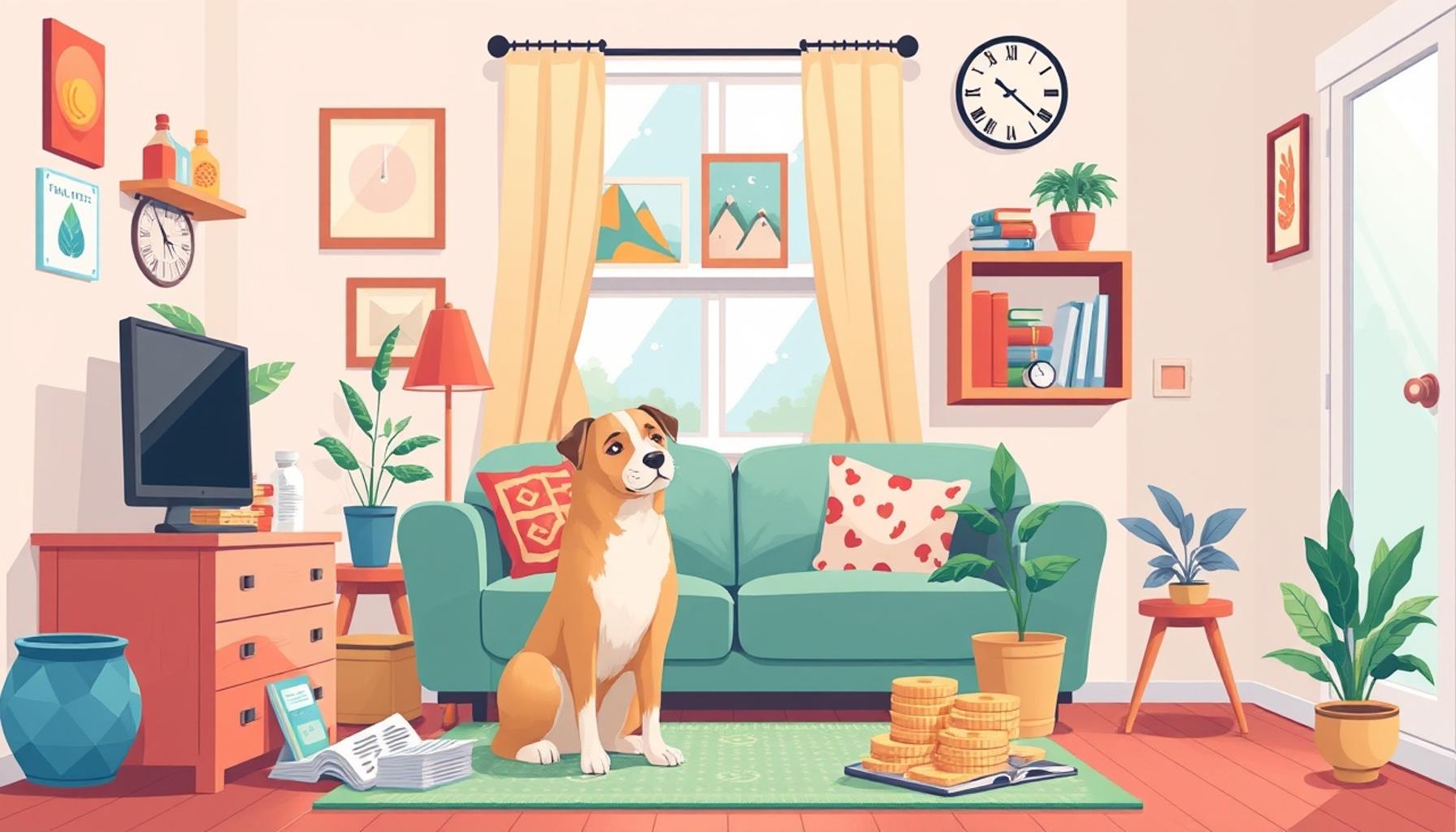
Creating a Welcoming Space for Your Furry Friends
Bringing a pet into your home is an exciting adventure, filled with joy and companionship. However, it’s essential to consider how your living space can support your four-legged family members. A pet-friendly environment can significantly enhance your pet’s well-being while ensuring your home remains comfortable and stylish. Achieving this balance requires thoughtful planning and some creative adjustments to your space.
As you design a home that’s safe and inviting for pets, it’s crucial to focus on several key aspects, starting with:
- Safety: Your first priority should be the safety of your pets. Ensure that all hazardous items, such as cleaning supplies, chemicals, and toxic plants (like lilies or azaleas), are securely stored out of reach. Installing baby gates can help restrict access to areas that could pose a danger. Additionally, be mindful of any small items that could be swallowed, such as coins or small batteries, which are common household dangers.
- Comfort: Providing cozy bedding is essential for your pets. Allocate a quiet corner with comfortable, washable cushions or blankets where they can relax undisturbed. Consider orthopedic beds for older pets, as they can help alleviate joint pain. Also, ensure that your pets’ resting areas are away from drafty windows and heavy foot traffic, creating a secure and tranquil retreat.
- Stimulation: Boredom can lead to destructive behaviors, so incorporating toys and interactive elements is vital for keeping your pets engaged. A variety of toys, including chewables for dogs or feather toys for cats, can provide entertainment. Additionally, consider interactive devices, such as treat-dispensing puzzles, which not only stimulate their minds but also reward them for their efforts.
Many pet owners often overlook the importance of design when creating a pet-friendly home. By integrating thoughtful solutions, such as durable, stain-resistant fabrics for your furniture and easy-to-clean surfaces like tile or laminate flooring, you can maintain an aesthetically pleasing environment while accommodating your pets’ needs. For example, opting for an outdoor rug that is designed to withstand weather elements can also be a stylish solution for indoor areas that see a lot of pet traffic.
As you navigate the journey of making your home pet-friendly, you’ll discover that it’s about more than just making adjustments—it’s about fostering a loving space where both humans and pets can thrive together. Many pet owners have found that by embracing their pets’ needs within their home’s design, their overall happiness and quality of life improve. From cat trees strategically placed by sunny windows to designated dog-walking gear stations, small changes can lead to a more inviting home for everyone.
Exploring these essential tips and strategies can transform your living area into a safe and enjoyable haven for your furry companions. After all, creating a welcoming environment for them not only enhances their lives but also strengthens the bond you share.
DIVE DEEPER: Click here for effective training techniques
Prioritizing Health and Hygiene
Creating a pet-friendly environment at home goes beyond simply providing comfort and safety; it also involves prioritizing health and hygiene. Pets can sometimes introduce various health concerns, such as allergies, parasites, and odors. Addressing these issues proactively will maintain a clean living space and foster a healthier atmosphere for all family members, both two-legged and four-legged.
One of the primary considerations is air quality. Poor air quality can impact your pet’s health and your own. Regularly changing air filters and using air purifiers with HEPA filters can help eliminate pet dander, hair, and other allergens. Additionally, keep your home well-ventilated by ensuring windows open easily and utilizing exhaust fans in kitchens and bathrooms. These small changes can drastically improve the air quality in your home.
Next on the list is maintaining clean surfaces. Pets are prone to shedding, and their fur can cling to various surfaces, contributing to allergens and odors. To combat this, invest in a high-quality vacuum cleaner that is specifically designed to handle pet hair and dander. Make a habit of vacuuming frequently, particularly in common areas where your pets spend the most time. Consider using area rugs as a solution; they can be easily washed or replaced, helping to keep floors clean and free from allergens.
Incorporating designated pet zones can also help maintain cleanliness. Set aside specific areas for feeding, playing, and resting to keep pet-related mess confined to manageable spots. Use mats under food and water dishes to catch spills and prevent stains on your flooring. Additionally, consider installing easy-to-clean surfaces like tile or vinyl in high-traffic areas frequented by pets, making it easier to wipe up any messes that occur.
Lastly, maintaining proper grooming routines is essential for both health and hygiene. Regular grooming can help reduce shedding and minimize allergens in your home. Depending on your pet’s coat type, you might need to brush them daily or weekly. Additionally, scheduling regular visits to a professional groomer can help keep your pet’s coat healthy and free from fleas and ticks, which can invade your living spaces.
By focusing on these health and hygiene essentials, you will create a more comfortable and safe environment for your pet. Not only will these measures contribute to a cleaner home, but they will also enhance the overall well-being of both pet and owner.
As you continue to implement changes, remember that a proactive approach establishes a foundation for a happy, healthy household, where both pets and humans enjoy a harmonious living environment.
| Pet Safety | Pet Comfort |
|---|---|
| Secure Environment | Cozy Spaces |
| Pet-proofing your home by removing hazardous items | Adding soft bedding or designated pet areas enhances relaxation |
| Using non-toxic plants and materials in décor | Creating a warm environment encourages positive behavior |
| Installing safety gates to prevent access to unsafe areas | Strategic placement of pet furniture improves living conditions |
In crafting a pet-friendly environment, one must prioritize pet safety alongside pet comfort. This dual focus ensures that your furry friends are not only protected but also feel at home within their living space. Start by securing your environment through means such as removing hazardous items that could endanger your pets. Incorporating non-toxic plants and materials will further enhance their safety while beautifying your home. Meanwhile, enhancing pet comfort is equally essential. Providing cozy spaces with soft bedding or dedicated areas where your pets can retreat will significantly improve their quality of life. Thoughtful placement of pet furniture can create inviting zones, fostering a warm and positive atmosphere for your pets. Emphasizing these elements not only shows your love for your pets but also contributes to a harmonious household where both pets and humans can thrive. Making informed decisions based on these guidelines can transform your home into a true sanctuary for your beloved companions.
DISCOVER MORE: Click here for effective training techniques
Creating a Safe and Engaging Space
In addition to health and hygiene, creating a pet-friendly environment involves establishing a safe and engaging space for your furry friends. Pets thrive in environments that cater to their natural instincts and behaviors, ultimately leading to happier and healthier lives. Consider the following ways to enhance your home for your pets.
First, think about safe zones. Designating areas in your home where pets are free to roam without the risk of injury is crucial. Use baby gates to keep dogs secured away from stairs or areas with valuable items, and consider creating a specific room or area with their toys, blankets, and privacy space. This allows pets to explore without supervision while keeping hazardous items out of reach.
Another key aspect is providing mental stimulation. Pets require mental exercise just as much as physical activity. Engage their minds through interactive toys, puzzle feeders, and treat-dispensing devices that ignite their curiosity and intelligence. These tools not only prevent boredom but also reduce destructive behaviors that can arise in a lack of stimulation. According to the American Kennel Club, engaging in such activities can lead to improved behavior and a stronger bond between pet and owner.
Outdoor spaces are equally important for a pet-friendly environment. If you have a yard, make it a secure enclosure for your pets to enjoy the outdoors safely. Install a sturdy fence and routinely check for gaps or weak spots that a determined pet might exploit. Incorporate elements like shaded areas, chew-proof toys, and pet-friendly plants to enhance the space, making it an enticing spot for your pets to relax and play. If you live in an apartment, identify nearby dog parks or pet-friendly areas where you can take them for their daily exercise and socialization.
Additionally, consider your home’s furnishings. Opt for durable and pet-friendly materials when selecting furniture, as pets can be tough on their surroundings. Fabrics like microfiber and canvas are easier to clean and resistant to damage compared to delicate materials. Look for scratch-resistant surfaces and avoid furniture with easily breakable components. This way, your decor can stand the test of time while catering to your pet’s needs.
Lastly, it’s essential to educate family members on how to interact with pets safely and affectionately. Teaching children how to approach and handle pets can prevent misunderstandings and harmful interactions. Encourage gentle petting, respect for personal space, and the importance of not startling them, especially during meals or playtime. Establishing these guidelines promotes a harmonious atmosphere where everyone feels secure and loved.
By thoughtfully considering safety and engagement, you can transform your home into a haven where both pets and humans can thrive. With an environment tailored to your pet’s needs, they will feel more at home and appreciated, fostering a wonderful bond that enhances your shared living experience.
FIND OUT MORE: Click here for tips on creating a perfect home for your pet
Conclusion
Creating a pet-friendly environment at home is not merely a trend but a commitment that enhances the quality of life for both pets and their owners. As you prioritize safety, engagement, and comfort for your beloved animals, consider the essential components that contribute to their well-being. From establishing safe zones that protect them from potential hazards to providing mental stimulation through interactive play, every step you take helps cultivate a nurturing space.
Remember that outdoor areas hold equal significance. Ensuring your yard is secure allows pets to enjoy their natural instincts freely, while also serving as a delightful space for exercise and social interaction. Even in apartment living, tapping into nearby parks can provide your pets with essential outlets for their energy and curiosity. When it comes to your home’s furnishings, selecting durable and easy-to-maintain materials will not only extend your decor’s lifespan but also make day-to-day living easier.
Additionally, fostering a sense of understanding and respect among all family members enhances this pet-friendly atmosphere. Teaching children safe and gentle interactions promotes a peaceful coexistence and nurtures empathy for animals. By integrating these practices, you can forge a harmonious environment where everyone flourishes.
In conclusion, the effort you invest in creating a harmonious home can yield immeasurable rewards. The bond between you and your pets can deepen, leading to a fulfilling partnership enriched with love and understanding. A carefully considered home environment is the foundation for a joyful life together, making every moment at home with your pets one to cherish.