How to create a safe and stimulating environment for pets at home
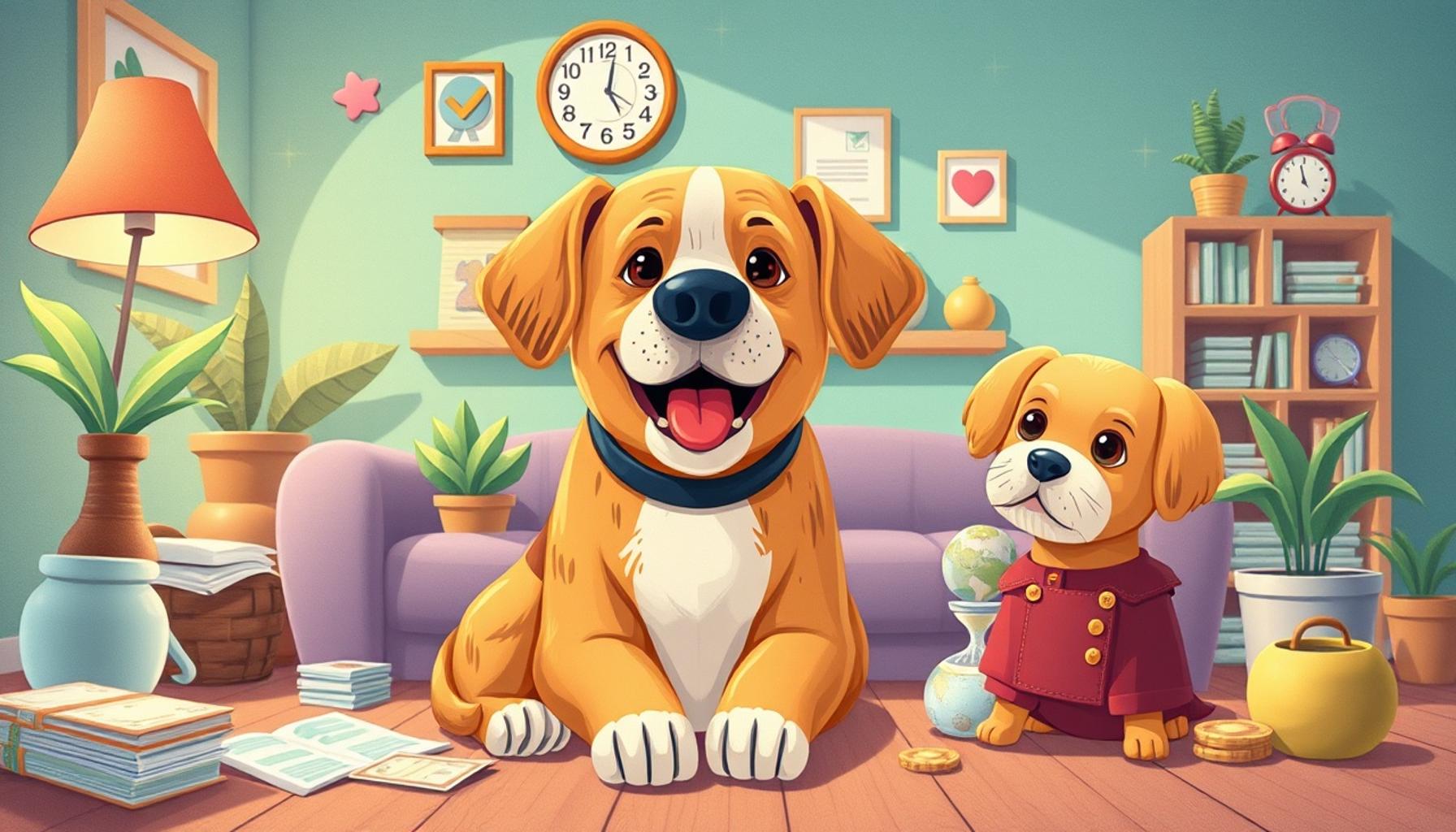
Creating a Safe Haven for Your Pets
Ensuring that your home is both safe and stimulating for your pets is crucial for their well-being. A well-designed environment can significantly enhance their quality of life. However, many pet owners overlook the necessary steps to create this ideal space.
Consider the following aspects to provide a nurturing habitat for your furry friends:
- Safety First: Examine your home for potential hazards that could harm your pets. For instance, secure heavy furniture or appliances to the wall to prevent tipping during a playful scuffle. Remove any poisonous plants, such as lilies for cats or azaleas for dogs, and keep toxic cleaning supplies out of reach. Regularly inspect areas like under the sink, where small pet toys or even pieces of food could become choking risks.
- Comfort Zones: Just as humans appreciate a cozy space, pets also thrive in comfort. Create designated resting areas outfitted with soft bedding. These zones should be thoughtfully positioned away from drafts and high-traffic areas to minimize disturbances. For example, you might consider placing a pet bed in a sunny corner for warmth, or using covered crates to provide a sense of safety and security for dogs who prefer semi-enclosed spaces.
- Interactive Spaces: Designate play areas filled with engaging toys such as puzzle feeders and scratch pads. Interactive toys not only keep pets entertained, but they also encourage mental stimulation. You might also include climbing structures for cats or agility equipment for dogs; this variety can provide hours of entertainment while promoting physical fitness.
In addition to safety, a stimulating environment plays a key role in keeping pets happy. Regular mental and physical exercise are just as essential as a secure home. This balance promotes overall health and strengthens the bond between you and your pet. For example, engaging in daily walks or safe leash-free play sessions can foster not just physical health but also behavioral well-being.
From enriching toys to designated play zones, incorporating various elements into your pet’s space is not just a luxury—it’s a necessity. Understanding what your pet needs can transform your living space into a haven of joy and security. Exploring the vast world of pet products—from smart toys that dispense treats to self-cleaning litter boxes—can enhance your pet’s life while simplifying caregiving for you.
Why an Engaging Environment Matters
Pets thrive in environments that challenge them physically and mentally. Just as children need stimulating play to develop their cognitive abilities, pets can benefit greatly from interactive experiences. By investing time into creating such spaces, you can prevent behavioral issues—such as excessive barking or furniture chewing—and promote a harmonious household. Engaging your dog or cat in mentally stimulating activities can reduce anxiety, which may otherwise lead to destructive behaviors.
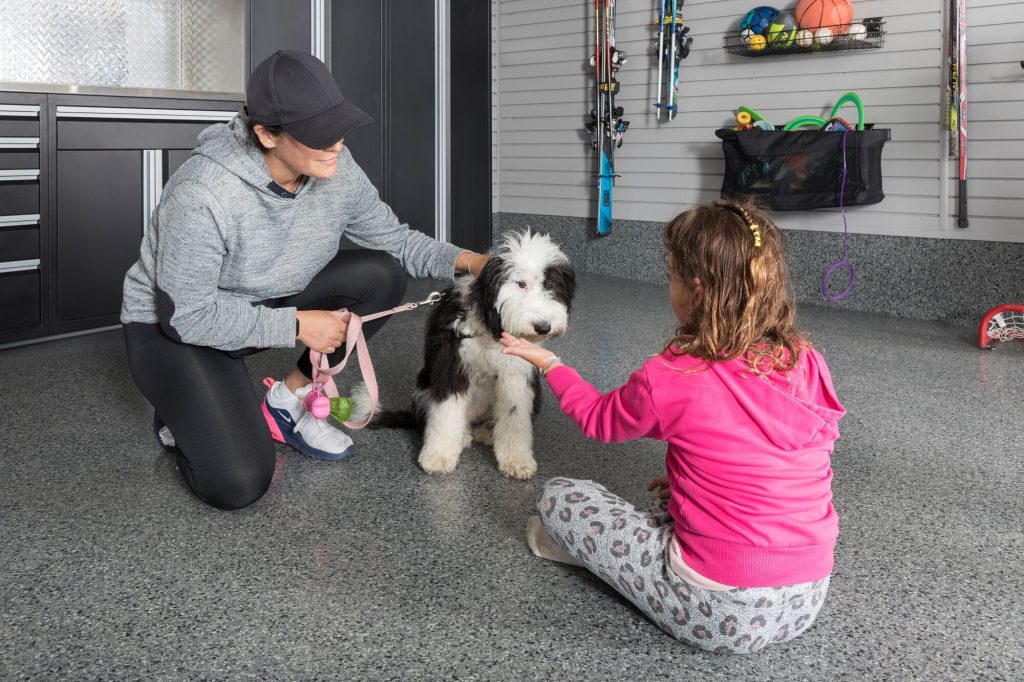
Consider hobbies that include your pets, like setting up a backyard obstacle course or participating in community pet sports. With the right environment and opportunities for interactions, both your and your pet’s lives can be joyful and fulfilling. Let’s uncover the essential steps to building this safe and stimulating environment for your beloved companions.
Key Elements to Foster a Pet-Friendly Home
Creating a safe and stimulating environment for your pets at home is an essential aspect of responsible pet ownership. Understanding the specific needs of your furry companions can help you craft a space that promotes both their safety and their well-being. Here’s a closer look at several key elements to consider when designing an ideal living area for your pets:
- Securing the Environment: One of the primary concerns for pet safety is ensuring that your home is free from hazards. Use baby gates to block off staircases and keep small pets from exploring unsafe areas. It is also wise to inspect window screens to prevent accidental falls, particularly in multi-story homes. Additionally, check for loose electrical cords, which can pose both a choking hazard and an attractive chew item for mischievous pets. Many pet owners may be unaware that some common household items, like chocolate or caffeine, can be toxic to pets, making it critical to keep these substances out of reach.
- Providing Safe Hiding Spots: Every pet needs a safe place to retreat when they feel overwhelmed. Create cozy hiding spots with blankets or cushions in quiet corners to give your pets a sense of security. Cats, in particular, enjoy enclosed spaces, so consider adding cat-friendly furniture such as cat trees or enclosed hideaways. For dogs, consider quality crates with sufficient ventilation, allowing them to feel both secure and comfortable while being part of the family environment.
- Environment Enrichment: An enriched living space for pets isn’t just about safety; it’s also about fostering curiosity and engagement. Simple additions like window perches for cats can satisfy their instinct to observe their surroundings, while chew toys and interactive games can keep dogs occupied and mentally stimulated. Frequent rotation of toys can also make old toys feel new again. Regularly changing the layout of pet spaces, such as bringing in new scratching posts or rearranging furniture, helps keep the environment fresh and interesting.
In addition to these fundamental safety measures, consider the significance of a consistent routine and training. Establishing a daily schedule for meal times, play, and exercise can help create a sense of security for your pets, ultimately leading to reduced anxiety and the promotion of good behavior. Incorporating basic commands into your routine can further enhance their engaging environment and instill a sense of discipline.
As you contemplate the various ways to create an enriching space for your pets, it is vital to keep their specific needs in mind. Each pet has its unique personality and preferences, which may dictate how you formulate the perfect habitat. By understanding these differences, you can curate an environment that not only prioritizes safety but also encourages exploration, play, and bonding, ultimately resulting in happier, healthier pets living in a secure home.
Creating a Safe Haven for Your Pet
Ensuring the safety of your pet starts with meticulous planning and simple modifications around the home. Begin by evaluating potential hazards such as exposed electrical cords, toxic plants, and small objects that could be swallowed. Implementing a pet-proofing checklist can help identify and eliminate these risks.
Consider the relevance of non-toxic cleaning supplies as standard household products can pose serious health risks. Always research pet-safe alternatives to ensure that your furry friends are safe from harmful residues. Secure trash bins or use cabinets with childproof locks to prevent scavenging – a common habit among curious pets.
Engagement and Stimulation
Intellectual and physical stimulation is crucial for a pet’s well-being. Interactive toys, puzzle feeders, and designated play areas can enhance mental engagement. Pets thrive in environments where they can explore and play, so setting aside time for daily exercise and interaction is more than an obligation; it’s a vital aspect of their health.
Additionally, consider creating a designated play area equipped with toys, tunnels, and other stimulating elements. This space should be safe and large enough for your pet to engage in activities that promote both physical exercise and mental sharpness. Don’t hesitate to rotate these play items regularly to maintain their interest!
| Category 1 | Category 2 |
|---|---|
| Safety Measures | Identifying and removing hazards in the home. |
| Toxicity Awareness | Using non-toxic products to promote well-being. |
| Physical Activity | Encouraging daily exercise and playtime routines. |
| Mental Stimulation | Utilizing toys and puzzles for cognitive growth. |
By prioritizing both safety and stimulation, pet owners can cultivate an environment where their beloved companions can thrive. Understanding their needs not only fosters a sense of security but also enhances their quality of life.
Enhancing Comfort and Engagement for Your Pets
In addition to securing the environment and providing enrichment, comfort plays a crucial role in creating a pet-friendly home. Recognizing your pet’s need for comfort can significantly contribute to their happiness and well-being. Here’s how you can enhance this aspect of your living space:
- Creating Cozy Sleeping Areas: Just like humans, pets need a comfortable place to sleep. Invest in quality beds that provide adequate support for their size and breed. Orthopedic beds are particularly beneficial for older pets, as they alleviate joint pain and provide warmth. Consider placing the bed in a quiet, low-traffic area where your pet can feel safe and undisturbed. Regularly washing your pet’s bedding not only keeps their sleeping environment clean but also reduces allergens and odors.
- Adequate Space to Roam: While small apartments or homes may limit physical space, it’s essential to optimize the area you have for your pet’s movement. Allowing your pets to navigate their surroundings freely can keep them active and engaged. For dogs, this may include space to run and play fetch, while for cats, accessing vertical spaces such as shelves or cat trees can fulfill their climbing instincts. If you are limited in space, consider outdoor alternatives like dog parks or catio enclosures, which provide ample room for physical activity.
- Regular Interaction and Bonding: Engaging with your pets is paramount in creating a stimulating environment. Regularly set aside time for play, training, and affectionate interaction. Interactive toys that require human involvement can foster not only physical exercise but also mental stimulation. For instance, playing with feather wands can appeal to cats’ hunting instincts, while puzzle feeders can challenge dogs to work for their treats, promoting perseverance and problem-solving skills.
Moreover, socialization is an essential aspect of a pet’s development. Introducing your pets to new people and environments when they are young helps them become well-adjusted adults. Organizing playdates with other dogs or socializing your cat with gentle, calm pets can expose them to different temperaments and encourage friendly behavior.
Furthermore, it’s vital to consider the sensory experience in your home. Pets experience the world differently than humans, so incorporating sounds, smells, and textures can heighten their engagement. For instance, soft music can create a soothing atmosphere, while pet-safe plants can offer interesting scents and visuals for both cats and dogs. You might also consider utilizing textured surfaces (like scratching posts for cats or different resting surfaces for dogs) that not only keep them entertained but also satisfy their natural instincts.
Finally, investing in technology can also contribute to a dynamic pet environment. Automated feeders can ensure your pets receive timely meals, while interactive cameras allow you to monitor and engage with them remotely. These innovations can ease owner anxiety while providing pets with a consistent structure.
Enhancing comfort and providing stimulating experiences are integral components of creating a safe and welcoming environment for your pets. By tailoring your approach to the specific needs of your furry friends, you can ensure they thrive within the comforts of home while staying engaged and happy. The goal is not only to keep them safe but also to nurture their physical and emotional well-being, leading to a balanced pet-owner relationship.
Conclusion: Cultivating a Nurturing Haven for Your Pets
Creating a safe and stimulating environment for your pets at home goes beyond merely providing shelter; it encompasses a holistic approach to their health, happiness, and well-being. By ensuring that your living space is safe and secure, you can safeguard your pets from potential hazards, allowing them to explore and engage within their surroundings confidently. Furthermore, incorporating elements that promote comfort—such as cozy sleeping areas and sufficient space to roam—enhances their overall quality of life, making them feel at home.
Engagement is equally crucial. Regular interaction through play, socialization, and sensory stimulation not only addresses your pets’ physical needs but also nurtures their mental health. With the rapidly advancing technology available today, consider utilizing interactive tools that foster deeper connections and provide a sense of routine and security in your pets’ lives.
Ultimately, it’s essential to recognize that each pet is unique, requiring tailored environmental adjustments that cater to their specific needs and personalities. By investing the time and effort to create such an enriching environment, you are not just enhancing their day-to-day experiences but are also contributing immeasurably to their long-term happiness and well-being. This proactive approach aligns with the overarching goal of fostering a deep bond with your furry companions, leading to a fulfilling and rewarding pet-owner relationship.
In this journey of creating a pet-friendly home, remain open to adaptations and observations, as cultivating a nurturing haven for your pets is an ongoing process that can evolve over time. With the right strategies in place, your home can transform into a vibrant sanctuary where both you and your pets can thrive together.