How to Deal with Separation Anxiety in Pets
Understanding Separation Anxiety in Pets
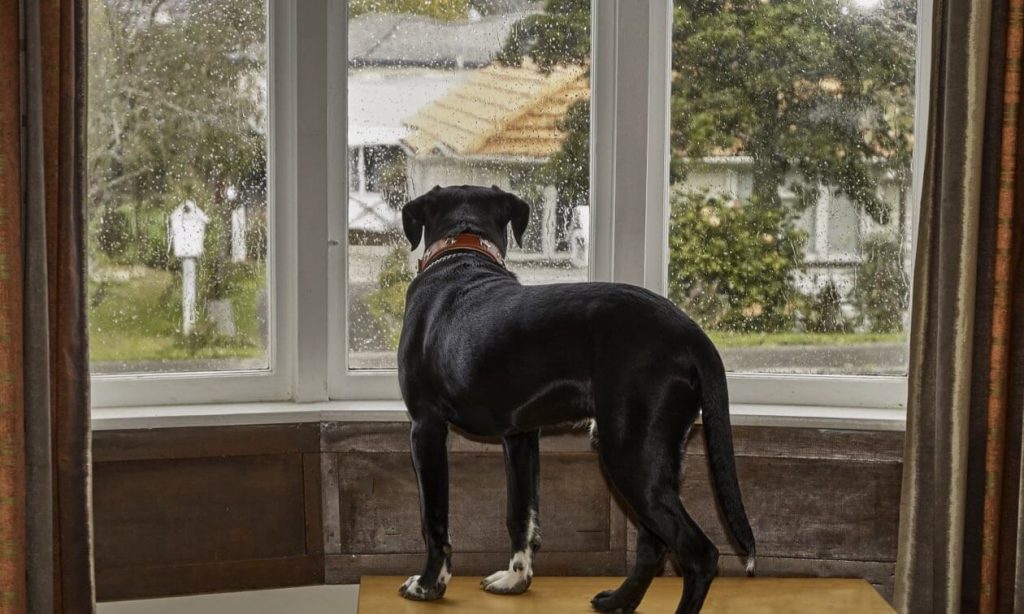
Separation anxiety is a pressing issue that affects numerous pets across the United States. From dogs to cats, many animals struggle with being alone, leading to both emotional turmoil for the pet and stress for their owners. This anxiety can significantly disrupt daily life, manifesting in a variety of distressing behaviors. Owners should be vigilant for signs such as:
- Excessive barking or howling when left alone, which can disturb neighbors and create tension in the household.
- Destructive behavior, including chewing on furniture or scratching doors, resulting in costly repairs and further frustration.
- Inappropriate elimination within the home, which can lead to hygiene issues and damage, as well as necessitating extensive cleaning.
- Pacing or showing signs of restlessness, indicating a state of heightened anxiety and discomfort.
- Self-harm through biting or excessive licking, which can lead to infections or other health complications.
Understanding the underlying causes of separation anxiety is crucial for effective management. Various factors can contribute to an animal’s distress, including:
- A recent change in routine, such as a family member moving away or a shift in the owner’s work schedule that may leave the pet feeling insecure.
- Loss of a family member or companion animal, which can deeply affect a pet’s emotional state and sense of stability.
- Previous abandonment or rehoming experiences, leading to a built-up trust issue that manifests as anxiety when left alone.
- Genetic predisposition to anxious behavior, as some breeds, particularly those known for their loyalty, may be more susceptible to developing separation anxiety.
Every pet is unique, and therefore the approach to alleviating their anxiety must be tailored to their individual needs. Owners can utilize a variety of strategies to help their canine and feline companions cope with their fears. One effective method is to create a comforting environment that helps reduce stress. This can include providing a cozy blanket, safe toys, or even using calming pheromone diffusers specifically designed for pets.
Another pivotal step is engaging in training exercises that gradually acclimate the pet to being alone. This could involve implementing short departures, gradually increasing the time spent away, and rewarding the pet for calm behavior during these intervals. Simple games or activities that stimulate their minds, such as puzzle toys, can also help distract them and reduce anxiety.
Additionally, consulting with a veterinarian or a certified animal behaviorist can provide insights into more tailored interventions, including potential medical treatment if the anxiety is severe. Understanding and addressing separation anxiety not only enhances your pet’s quality of life but also fosters a more harmonious relationship between pets and their owners. Discovering effective solutions can profoundly transform your pet’s experience during times of separation, leading to a happier, healthier companion.
DISCOVER MORE: Click here to learn about the importance of a balanced diet
Creating a Comforting Environment for Your Pet
One of the most effective strategies for alleviating separation anxiety in pets is to develop a comforting environment. A well-structured space can make a significant difference in how your pet copes with being alone. Here are some essential tips to help create a calming atmosphere:
- Designate a Safe Space: Choose a specific area in your home where your pet can feel secure. This space should be comfortable and familiar, decorated with their favorite blankets or toys that evoke a sense of safety.
- Introduce Background Noise: Playing soft music or keeping the television on can mask unsettling sounds from outside that may exacerbate anxiety. The white noise provides a sense of companionship and helps distract from their surroundings.
- Utilize Calming Products: Consider investing in calming pheromone diffusers or sprays designed for pets. These products can help to soothe anxiety in your pet by mimicking the natural pheromones that pets associate with feelings of safety.
- Provide Engaging Toys: Interactive toys such as puzzle feeders or treat-dispensing toys can keep your pet’s mind stimulated during your absence. Keeping your pet occupied can ease the emotional burden of loneliness.
- Ensure Physical Comfort: Ensure your pet’s resting areas are comfortable and inviting. A plush bed or a secured crate can provide them with a designated spot to retreat to whenever they feel uneasy.
In addition to creating a soothing environment, it’s crucial to implement training exercises that gradually acclimate your pet to being alone. Incorporating these methods into your routine can build confidence in both you and your pet, ensuring the process is as smooth as possible.
Gradual Acclimation to Alone Time
Start by practicing short departures to help your pet learn that being left alone is a normal part of life. Here’s how to effectively approach this:
- Begin with Brief Absences: Start by leaving your pet alone for just a few minutes. Gradually increase the duration as they become more comfortable. This process helps teach them that you will always return.
- Reward Calm Behavior: Whenever you leave your pet alone and return, reward them with verbal praise, treats, or playtime if they remain calm. Reinforcing positive behavior encourages your pet to associate your departures with good experiences.
- Practice Leaving and Returning: Create a routine where you “practice” leaving home by going outside for a few minutes, returning, and repeating this several times throughout the day. This mimics real-life scenarios and can help decrease anxiety.
While the process may require patience and consistency, using these techniques will not only help your pet manage their separation anxiety but will also contribute to a healthier and more rewarding relationship between you and your furry friend.
| Category | Description |
|---|---|
| Behavior Modification Techniques | Gradual desensitization and counter-conditioning are effective methods that help pets adapt to being alone. |
| Comfort Products | Using calming sprays and anxiety wraps can provide immediate comfort and make the pet feel secure while alone. |
When dealing with separation anxiety in pets, understanding the underlying reasons for their distress is crucial. Factors such as lack of socialization, changes in routine, or traumatic experiences can contribute to this behavior. It’s imperative to identify triggers and then systematically help your pet adjust to being alone.Incorporating behavior modification techniques into your routine can significantly ease your pet’s anxiety. For example, you can start by leaving your pet alone for short periods while gradually increasing the duration. Rewarding calm behavior during these intervals will positively reinforce their newfound independence.Additionally, comfort products such as calming sprays and anxiety wraps can create a soothing environment for your pet. These products harness the power of scent and pressure, which can mimic the reassuring presence of their owners, making it easier for them to cope.By combining these strategies, you can create an effective plan to mitigate your pet’s separation anxiety, ultimately leading to a happier and more secure companion.
DISCOVER MORE: Click here for effective training tips
Utilizing Professional Help When Necessary
While creating a comforting environment and gradual acclimation techniques are essential, there are instances where professional intervention becomes necessary. If your pet continues to struggle with severe separation anxiety, seeking help from a trained animal behaviorist or veterinarian is a wise step. Their expertise can provide tailored solutions that align with your pet’s unique needs.
Behavioral Therapy
One of the most effective methods to address separation anxiety is through behavioral therapy. An experienced animal behaviorist can work with you and your pet to develop a personalized training program that targets specific anxieties. This may involve techniques such as desensitization and counter-conditioning, designed to gradually expose your pet to being alone in a controlled and supportive manner.
- Desensitization: This technique involves exposing your pet to the triggers of their anxiety in a calm and gradual way. For example, you might start by simulating your departure routine by picking up your keys or putting on your shoes without actually leaving, helping them to become accustomed to these cues without the stress of separation.
- Counter-Conditioning: Counter-conditioning aims to change your pet’s emotional response to being alone. For example, rather than associating your departure with anxiety, you can create a new association by giving them a special toy or treat that they only receive when you leave the house.
Medication as a Last Resort
In some cases, medication may be recommended by a veterinarian as part of a comprehensive treatment plan for severe separation anxiety. This approach can help stabilize your pet’s mood, making it easier for them to learn to cope with being alone. Common medications can include anti-anxiety drugs or natural supplements designed to promote calmness.
It is crucial to remember that medication should never be viewed as a standalone solution; it is most effective when combined with behavioral techniques. A veterinarian will guide you in determining the best course of action for your pet’s specific condition and monitor any potential side effects.
Engaging in Enrichment Activities
Incorporating enrichment activities into your pet’s daily routine can also play a pivotal role in reducing separation anxiety. Keeping your pet mentally and physically stimulated can lessen their focus on the anxiety of separation. Here are some ideas:
- Daily Exercise: Regular physical activity helps expend your pet’s energy, promoting a calm demeanor while you’re away. A well-exercised pet is often more relaxed and less likely to exhibit anxiety when left alone.
- Interactive Challenges: Engaging your pet in training sessions or puzzle-like activities can provide mental stimulation that keeps them engrossed and distracted, making the absence of their owner less impactful.
- Socialization Opportunities: Arrange playdates or visits to dog parks where your pet can interact with other animals. This social stimulation can help lessen their reliance on you for emotional support, increasing their independence over time.
By exploring these professional and activity-based methods alongside the environment and acclimation techniques, pet owners can equip their furry friends with the necessary tools to cope with separation anxiety, fostering a more balanced and harmonious home life.
DISCOVER MORE: Click here for effective training tips
Conclusion
Addressing separation anxiety in pets is an ongoing journey that requires understanding, patience, and the right strategies. As we’ve explored, creating a nurturing environment, employing gradual desensitization techniques, and incorporating behavioral therapies are foundational steps in alleviating your pet’s distress during separations. Understanding your pet’s unique anxiety triggers paves the way for tailored approaches that can lead to effective management of their condition.
In some cases, professional guidance from a veterinarian or animal behaviorist may be necessary, especially when traditional methods fall short. Their expertise can introduce advanced strategies, including medication when appropriate, to support your pet’s emotional well-being. It’s vital to view medication as an adjunct to behavioral techniques, enhancing your pet’s ability to cope rather than standing alone as a solution.
Additionally, incorporating enrichment activities into your pet’s routine can significantly contribute to lessening anxiety by providing mental and physical stimulation. Engaging exercises, interactive challenges, and socialization opportunities help foster independence, making your pet feel more secure in your absence.
Ultimately, navigating separation anxiety is not just about reducing stress; it’s about enriching your pet’s life and reinforcing their confidence. By embracing a comprehensive approach—combining environmental adjustments, professional support, and engaging activities—pet owners can create a harmonious home, ensuring their furry companions thrive even in moments of separation. Continued research and adaptation to your pet’s evolving needs will be key in nurturing their health and happiness.