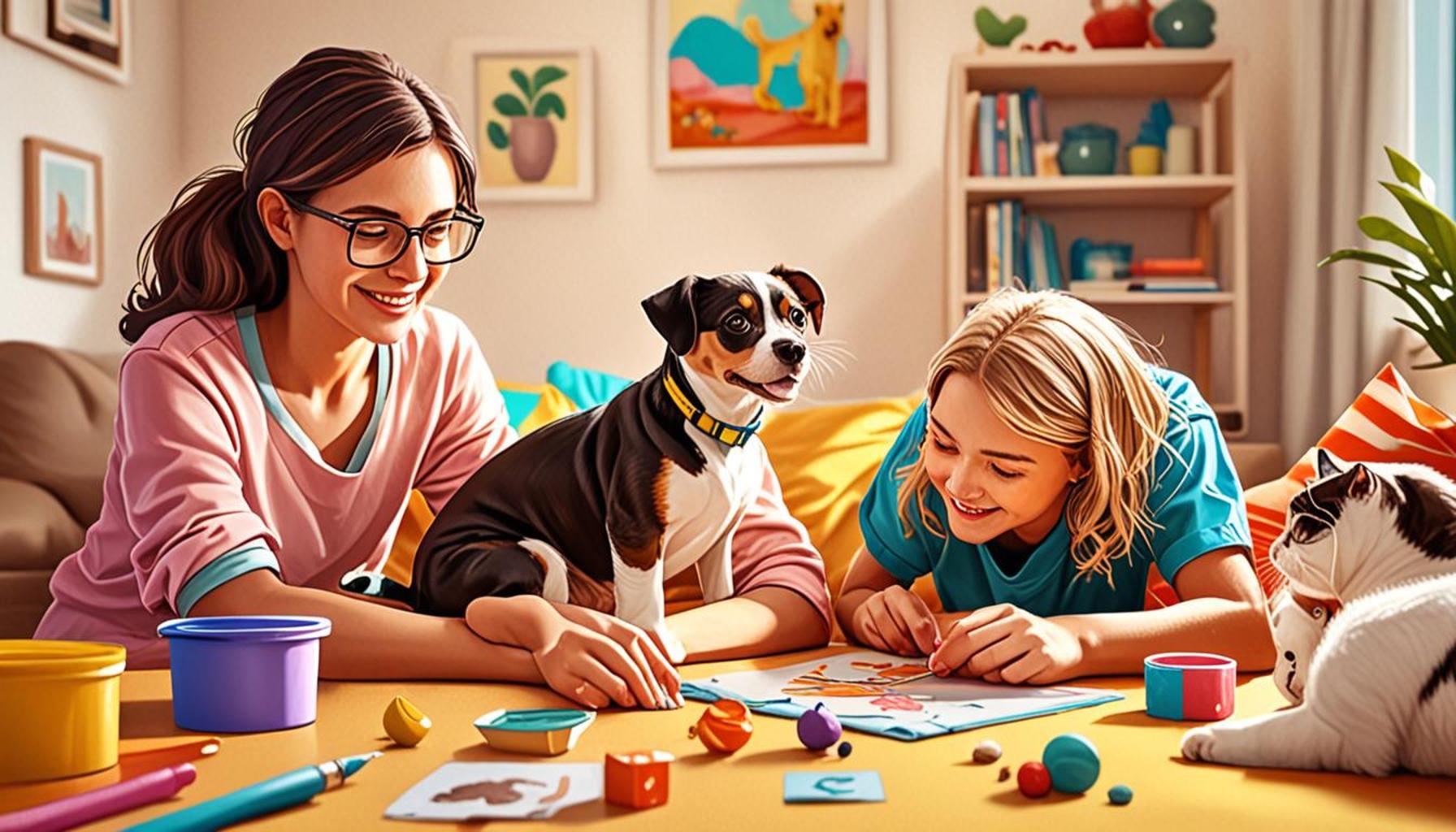
How to Prepare Your Home to Welcome an Adopted Pet
Bringing an adopted pet into your home is a decision that not only transforms the life of your new furry companion but also enriches your own life in countless ways. However, to foster a peaceful transition for both you and your adopted pet, careful planning and consideration of your living environment is essential. It’s important to understand that this adjustment period can take time, and creating a supportive atmosphere will help your new pet feel safe and welcomed.
Key Considerations for a Pet-Friendly Home
Before your new companion arrives, there are several critical factors to keep in mind:
- Safety: Pets, particularly puppies and kittens, are naturally curious and prone to exploring their surroundings. Take the time to remove any choking hazards—this includes small objects, strings, or anything they could swallow. Additionally, secure loose wires and cords that could pose a threat of electrocution, especially in high-traffic areas of your home.
- Comfort: Just like us, animals feel secure in familiar and comfortable spaces. Set up a cozy area with a soft bed, warm blankets, and a couple of their favorite toys. This will not only provide them with a sense of comfort but also help them establish a routine that fosters security.
- Supplies: Make sure to gather essential supplies ahead of time. This includes high-quality pet food appropriate for your pet’s age and size, feeding bowls, collars, leashes, grooming tools, and basic veterinary care items such as flea treatment or first-aid supplies. The right provisions ensure that your pet’s basic needs are met right from day one.
Creating a Pet-Positive Environment
Setting up your home for an adopted pet requires a bit of foresight, considering both their emotional and physical needs:
- Designated Area: Establish a specific area in your home where your pet can eat and relax. This could be a quiet corner in the living room or an enclosed space that ensures they feel secure. Make sure this area remains consistent, as routine helps animals acclimatize more quickly.
- Containment: For safety reasons, consider using baby gates or crates, particularly during the initial adjustment phase. These tools help you manage your pet’s exploration and keep them secure when you are unable to supervise them closely. Crates can also serve as a comforting den for your pet, reducing anxiety.
- Love and Attention: The emotional support you provide is crucial during this transition. Make it a priority to invest time in bonding with your pet. Engage in positive reinforcement training, which is effective for establishing good behavior. Regular playtime and gentle interactions can significantly enhance your relationship and help your new friend feel loved.
By approaching these preparations with thoughtfulness and enthusiasm, you’ll create an environment where your adopted pet can not only survive but thrive. Consider learning more about pet training resources, local veterinarians, and community pet services to ensure that your journey together begins on the right paw. The transition into pet parenthood is as rewarding as it is meaningful, filled with opportunities to grow alongside your new companion.
DISCOVER MORE: Click here to learn about the latest veterinary innovations

Essential Steps to Prepare Your Home for an Adopted Pet
Welcoming an adopted pet into your home is a joyful occasion, but it does require careful planning to ensure a smooth transition. Taking the right steps prior to your pet’s arrival can significantly ease their entry into your family. Here are several essential steps to help you prepare your home.
- Assess Your Space: Before your new pet comes home, evaluate your living space for potential hazards. Be aware of fragile items that could be knocked over and safely store any valuables out of reach. Consider the layout of your home and how your pet will access different areas. Ensure there are no steep stairs or slippery surfaces that could pose safety risks.
- Pet-Proofing: Take time to pet-proof your home meticulously. This involves securing cleaning supplies, medications, and any toxic plants that might harm your new friend. According to the American Society for the Prevention of Cruelty to Animals (ASPCA), certain common household items, such as chocolate, grapes, and certain essential oils, are toxic to pets, underscoring the importance of removing these dangers from their reach.
- Noise Control: Pets can be sensitive to loud noises, which might cause anxiety or fear. Consider creating a pet-friendly zone in a quieter part of your home where they can retreat during stressful situations, such as thunderstorms or fireworks. Soundproofing your living space with rugs, curtains, and even soft furniture can help create a more peaceful environment.
- Furnishing Choices: Opt for furniture made from stain-resistant materials, particularly if you are welcoming a cat or dog that might shed fur or have occasional accidents. Look into washable covers for couches or pet-friendly fabrics that are both durable and easy to clean. This foresight can save you from headaches down the road.
Creating a welcoming environment is not solely about eliminating hazards; it also involves enhancing the comfort and emotional well-being of your pet. Establishing a routine that includes regular feeding times, exercise, and downtime is critical to helping your new companion settle in.
Understanding Your Pet’s Behavior
Each pet comes with its unique personality and history, which are vital to consider. Researching common behaviors of the breed you are adopting can provide insight into their needs and preferences. For instance, dogs may require regular outdoor activities and socialization to thrive, whereas cats often prefer a serene, solitary area where they can explore and play at their own pace.
Moreover, investing in training classes can be incredibly beneficial. Not only will these classes enhance your pet’s behavior, but they can also strengthen the bond between you and your new companion. By understanding how to communicate effectively with your pet, you foster a more harmonious living situation.
In summary, preparing your home adequately requires assessing safety, comfort, and understanding. By taking these initial steps, you create an inviting sanctuary where your adopted pet can transition into their new life seamlessly, ultimately leading to a more fulfilling and happy relationship.
| Category | Advantages |
|---|---|
| Safety Measures | Implementing safety measures such as securing loose wires and removing harmful substances creates a safe environment for your new pet, minimizing risks of accidents or poisoning. |
| Comfort Space | Creating a designated comfort space with a cozy bed and familiar toys helps in easing the transition process, making your adopted pet feel more secure and less anxious in their new surroundings. |
| Routine Establishment | Establishing a daily routine for feeding, walks, and playtime fosters a sense of stability for your adopted pet, aiding in their adjustment and building a solid bond between you both. |
To successfully integrate a new adopted pet into your home, it’s essential to consider their needs actively. Begin by assessing your living space for potential hazards. Move any fragile items or objects that could hurt your pet during their exploratory phase. Invest time in creating a space tailored specifically for them, complete with toys, bedding, and their food and water stations. Ensuring your home is a comfort-filled sanctuary is critical for an easy transition.Additionally, adopting a consistent routine can profoundly impact your pet’s emotional well-being. Animals thrive on predictability, and knowing when to expect meals, walks and playtime will help alleviate anxiety. Even small changes, like setting specific feeding times, can make your pet feel more grounded. Effective preparation is not just about physical changes; it’s also about alerting family members about the new dynamics and responsibilities associated with pet ownership. Include everyone in the welcoming process, and watch how collectively, as a family, you dynamically adjust to your new household member.
DISCOVER MORE: Click here to learn how adoption changes lives
Creating a Comfortable Environment for Your Adopted Pet
Beyond the necessary safety measures and furnishings, it’s essential to focus on creating a comforting and enriching environment for your new pet. This process involves understanding their emotional needs, providing adequate stimulation, and ensuring that your home reflects a pet-friendly atmosphere.
Designating a Personal Space
When you bring an adopted pet into your home, it’s crucial to create a designated space where they can feel safe and secure. This spot should include a cozy bed, food, and water bowls, and toys that are within their reach. For dogs, consider a crate as it can provide a haven where they feel protected. For cats, a perch or a hidden nook can offer the privacy they often seek. This personal space becomes a sanctuary, especially during the first few days when your pet is adjusting to their new surroundings.
Incorporating Playtime Areas
Just like humans, pets thrive on play and interaction. Set up play areas that cater to your pet’s specific interests. For instance, cat trees and scratching posts can give cats the opportunity to climb and scratch, while dogs enjoy designated corners with balls, ropes, and chew toys. These areas foster physical activity, which is essential for maintaining a healthy weight and stimulating mental health. Engaging your pet through dedicated playtime will help build trust and companionship. Additionally, consider interactive toys that dispense treats to promote a sense of achievement and satisfaction.
Routine and Structure
Pets flourish under routine, so establishing a consistent schedule is imperative. This should include regular feeding times, walks, and play sessions. According to studies, having a structured routine helps pets adapt more easily to their new home and decreases anxiety. It also aids in house training, which can be particularly important for younger pets. Utilize tools like pet calendars or mobile apps to track their feeding and exercise routine, ensuring that you stay on top of their needs.
Getting Acquainted with the Neighborhood
For some pets, especially those that are more social, getting accustomed to the surrounding environment can be a transformative experience. Take your new dog on short walks around the neighborhood to familiarize them with sights, smells, and sounds. This can be a beneficial method to build confidence. For cats, consider safely introducing them to the outdoors using a harness, or create a safe outdoor enclosure so they can explore without the risks. Understanding the local wildlife or other pets in the neighborhood can also set expectations for social interactions.
Consulting Professionals
If you are unsure about evaluating your home or would prefer guidelines tailored to your specific pet’s needs, consulting with professionals, such as veterinarians and animal behaviorists, can provide valuable insights. They can offer advice on specific dietary needs and behavioral tendencies that might not be immediately evident. Additionally, training obedience classes not only aid in managing behavior but also serve as a great introduction to socialization for your pet. Expert guidance can set the foundation for a strong, trusting relationship between you and your new companion.
Incorporating these elements will transform your home into a welcoming haven for your adopted pet. The joy of seeing your new friend thrive is immeasurable, and your efforts toward preparation will ensure that they have the best possible start in their new life with you.
LEARN MORE: Click here to find out how you can make a difference
Conclusion: A Warm Welcome Awaits Your New Companion
Welcoming an adopted pet into your home is a fulfilling journey that requires thoughtful preparation and an open heart. As you’ve discovered, creating a pet-friendly atmosphere involves more than just providing food and shelter. It’s about establishing a nurturing environment where your new furry friend can thrive emotionally and physically. By designating a personal space, incorporating playtime areas, and maintaining a structured routine, you lay the groundwork for a harmonious coexistence.
Furthermore, becoming acquainted with your neighborhood and consulting professionals will elevate your pet’s adjustment experience. This knowledge helps you understand their unique needs and fosters a bond built on trust and respect. Remember that each pet comes with its history, and being patient as they acclimate to their new surroundings is key to a lasting relationship.
Ultimately, the time and effort spent preparing your home will yield immeasurable rewards. You’ll not only witness the joy your adopted pet brings into your life but also contribute to their well-being and happiness. So take these steps seriously, and create a home that radiates warmth and love. Your new companion is waiting, and with your careful planning, their journey to a loving forever home starts the moment they cross your threshold.