Mental Health of Pets: Recognizing and Treating Anxiety and Stress in Pets
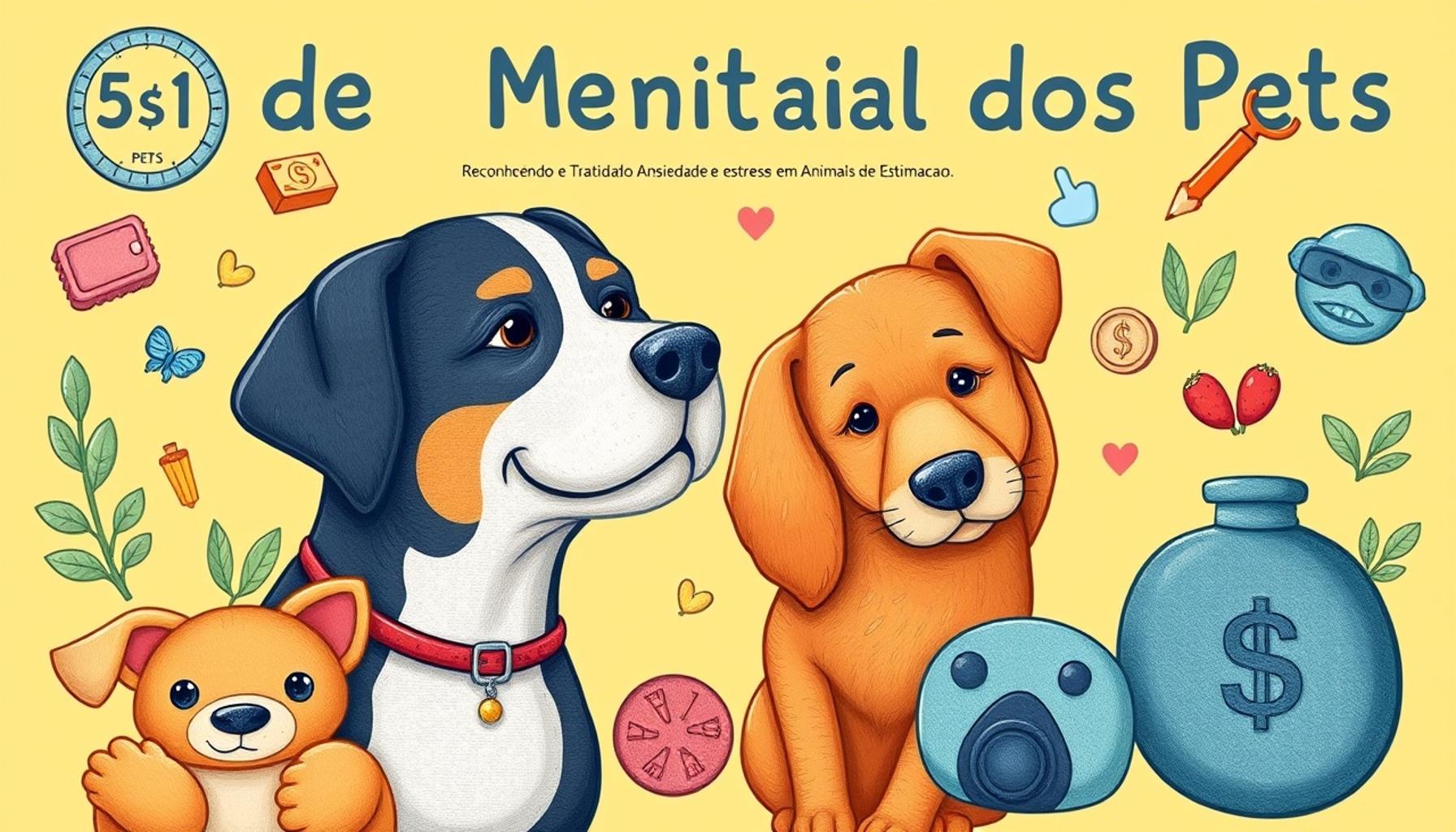
The Importance of Mental Health for Pets
Just like humans, pets experience anxiety and stress, which can significantly impact their quality of life. Understanding how to identify and manage these emotions in our furry friends is crucial for their overall well-being. Many pet owners may not realize the subtle signs of mental health issues, which can sometimes lead to detrimental effects on their pets’ health and behavior.
Recognizing the Symptoms of Anxiety in Pets
Pets communicate their distress in various ways, and being aware of these signs can help owners take prompt action. Some common symptoms of anxiety in pets include:
- Excessive barking or meowing – This vocalization can indicate that your pet is feeling uncomfortable or restless.
- Destructive behavior – Chewing, scratching furniture, or digging can be a manifestation of stress and anxiety, especially when pets feel isolated or bored.
- Over-grooming – Pets may spend excessive time grooming themselves to the point of causing skin irritations, a response to anxiety that often goes unnoticed.
- Changes in eating habits – A loss of appetite or sudden overeating can signal emotional distress.
Factors Contributing to Pet Anxiety
Understanding the underlying causes of anxiety is pivotal in creating a tailored approach to treatment. Various factors that can contribute to a pet’s mental health struggles include:
- Changing environments or routines – Moving to a new home or alterations in the daily schedule can unsettle pets, leading to anxiety.
- Separation from their owners – Pets often experience separation anxiety, particularly when they are left alone for extended periods.
- Past trauma or abuse – Rescue pets may carry psychological scars from previous situations, making them more susceptible to anxiety.
Addressing Mental Health Issues
As a responsible pet owner, it is essential to address these mental health concerns proactively. Creating a safe and nurturing environment can make a significant difference in a pet’s behavior and overall happiness. Early recognition of signs and seeking appropriate treatment can lead to substantial improvements in their quality of life.
Several effective treatment options exist, ranging from behavioral therapy to environmental adjustments. Behavioral therapy may involve working with a professional trainer to develop strategies that help your pet cope with their anxiety. Additionally, activities like regular exercise, mental stimulation through interactive toys, and establishing a comforting routine can work wonders.
In this article, we aim to delve deeper into practical measures you can take to recognize and treat anxiety and stress in pets. Understanding your pet’s emotional world not only strengthens the bond between you and your companion but ultimately leads to a healthier and happier life for both of you. Join us as we explore this vital aspect of pet care, ensuring that our beloved animals are not just cared for physically but also emotionally.
DON’T MISS OUT: Click here to learn more about pet vaccinations
Understanding Pet Anxiety: A Closer Look
Recognizing that our pets can experience mental health issues such as anxiety and stress is the first step toward enhancing their well-being. Understanding the nuances of pet anxiety is essential; it not only empowers owners to respond appropriately but also fosters a deeper connection between pets and their humans. Pet anxiety can manifest in a multitude of ways, each unique to the individual animal, often leading to behaviors that disrupt their daily life and that of their owners.
Common Forms of Anxiety in Pets
Pet anxiety is not a one-size-fits-all condition. Different animals may exhibit specific types of anxiety based on their personality, breed, and experiences. Some common forms of anxiety in pets include:
- Generalized Anxiety Disorder (GAD) – Some pets display a lifelong tendency toward anxiety regardless of environmental changes.
- Separation Anxiety – A prevalent issue among dogs, this occurs when pets become distressed being apart from their owners.
- Noise Anxiety – Many pets become frightened or anxious during thunderstorms or fireworks, leading to panic behavior.
- Post-Traumatic Stress Disorder (PTSD) – Animals that have suffered abuse or traumatic experiences may showcase symptoms long after the event has passed.
Identifying the type of anxiety affecting your pet is key for tailored treatment approaches. For example, while a fearful dog during thunderstorms might need a different strategy than one who reacts poorly to being left alone, understanding the unique triggers can lead to effective management.
The Impact of Anxiety on Pet Health
The ripple effects of anxiety can extend beyond mere behavior. Pets suffering from anxiety often experience physical symptoms, including:
- Digestive issues – Stress can lead to gastrointestinal problems, such as vomiting or diarrhea.
- Decreased immune function – Chronic anxiety can weaken a pet’s immune system, making them more susceptible to illness.
- Increased risk of accidents – An anxious pet may be more likely to engage in risky or destructive behaviors, leading to injury.
Given these potential health implications, it becomes clear that addressing a pet’s mental health should be a priority for every responsible pet owner.
Role of Environment in Pet Anxiety
The environment plays a pivotal role in either alleviating or exacerbating anxiety in pets. Factors such as living conditions, daily routines, and social interactions significantly influence a pet’s mental state. For instance:
- Stability and Routine – Consistent daily schedules help pets feel secure and prevent them from becoming anxious.
- Safe Spaces – Providing a designated safe area within the home can allow pets a retreat during moments of stress.
- Positive Social Interactions – Socializing with other pets and exposure to diverse environments can build confidence and mitigate fears.
By creating a well-structured, nurturing environment, pet owners can significantly reduce the stressors that lead to anxiety. In the following sections, we will explore specific strategies and interventions that can be implemented to manage pet anxiety effectively, ensuring that our beloved companions lead balanced, stress-free lives.
Mental Health of Pets: Understanding Anxiety in Pets
Understanding the mental health of pets is crucial to fostering a nurturing environment where pets can thrive. Pets experience anxiety and stress similarly to humans, displaying a range of behaviors that may indicate their discomfort. Common signs include excessive barking, destructive behavior, and changes in eating or grooming habits. Recognizing these symptoms is vital for prompt intervention.
Factors such as changes in the household, loss of a companion, or traumatic experiences can contribute to a pet’s anxiety. Moreover, certain breeds are inherently more prone to anxiety, making it essential for pet owners to be aware of their pet’s unique temperament. Educating oneself about the causes of pet anxiety allows for better management strategies.
Treatment Options for Anxiety in Pets
When it comes to addressing pet anxiety, various treatment options can be explored. Behavioral therapies, including training that focuses on desensitization and counter-conditioning, can significantly benefit anxious pets. Additionally, environmental modifications, such as creating a safe space and using calming products like pheromone diffusers, can provide relief.
In more severe cases, consulting with a veterinarian may lead to treatment with medications specifically designed to alleviate anxiety in pets. These medications should always be considered as part of a comprehensive treatment plan that incorporates behavioral modification techniques.
| Category | Details |
|---|---|
| Recognizing Symptoms | Key behaviors of stress include excessive barking and destructive habits. |
| Treatment Methods | Options include behavioral therapy, environmental modifications, and medication. |
As pet owners, recognizing the signs of anxiety and understanding treatment options is essential. With proper attention and care, pets can lead a healthier, more balanced life.
DISCOVER MORE: Click here to learn how to enhance your pet’s environment
Strategies for Recognizing and Treating Pet Anxiety
Understanding the signs of anxiety is critical for ensuring that pets receive the timely support they deserve. A pet owner’s ability to identify both overt and subtle cues can significantly impact treatment outcomes. Common signs include excessive barking, destructive behavior, pacing, or withdrawal from social interactions. In cats, signs can be less obvious but may present as hiding, inappropriate elimination, or even changes in grooming habits. Recognizing these behaviors as potential indicators of anxiety is vital.
Behavioral Interventions
Implementing behavioral interventions can transform an anxious pet into a more relaxed companion. Here are several proven methods:
- Desensitization – Gradually exposing your pet to the source of their anxiety in a controlled manner can decrease their sensitivity over time. For example, if your dog fears fireworks, playing recordings of fireworks at a low volume while providing positive reinforcement can help.
- Counter-Conditioning – Associating anxiety-inducing stimuli with positive experiences, such as treats or playtime, can also shift an animal’s emotional response. This technique is particularly effective for pets with separation anxiety.
- Training and Socialization – Regular obedience training and socialization can boost a pet’s confidence and reduce fear-based reactions to new situations.
For pet owners looking to address anxiety with training, consulting a certified animal behaviorist or dog trainer is advisable to tailor plans that suit individual needs and temperaments.
Environmental Enrichments
The enrichment of a pet’s environment can significantly curb anxiety levels. A stimulating space encourages natural behaviors, redirecting a pet’s energy and focus. Consider the following:
- Interactive Toys – Puzzle feeders and treat-dispensing toys promote mental engagement and can prevent boredom that often exacerbates anxiety.
- Regular Exercise – Physical activity is pivotal in reducing stress. Daily walks, play sessions, or even agility training can help dissipate nervous energy and improve overall well-being.
- Calming Products – A variety of products are available to help mitigate anxiety. This includes pheromone diffusers, calming collars, and anxiety wraps, all designed to provide comfort.
Professional Help
When behavioral modifications and environmental adjustments do not yield improvement, seeking professional help becomes essential. Veterinarians and veterinary behaviorists can evaluate a pet’s mental health and may recommend medication as a part of a comprehensive treatment plan. Antidepressants and anti-anxiety medications can be effective in managing severe anxiety cases, often in conjunction with behavioral therapy.
It is crucial to remember that any medical approach should be closely overseen by a veterinarian. Ensuring a wellness examination helps rule out any underlying health issues contributing to anxiety, as physical discomfort can exacerbate mental health problems.
Moreover, pet owners should educate themselves about the potential side effects and expected outcomes of any medications. Open communication with pets’ healthcare providers is essential to create a well-rounded treatment strategy that will ultimately lead to a healthier, happier pet.
By utilizing a combination of behavioral interventions, environmental enrichment, and professional guidance, pet owners are better equipped to address their furry friends’ anxiety and stress. The focus shifts from merely managing symptoms to fostering a supportive environment where every pet can thrive.
DISCOVER MORE: Click here to learn about the benefits and risks of DIY pet nutrition</
Conclusion
In an era where mental health is increasingly recognized as a vital aspect of overall well-being, the mental health of pets must not be overlooked. Just like humans, pets experience anxiety and stress that can adversely affect their quality of life. By learning to identify the signs of distress—such as excessive barking in dogs or hiding in cats—pet owners can take decisive actions to improve their furry companions’ mental well-being.
Employing effective behavioral interventions, enriching environments, and seeking professional help when needed can pave the way for a happier and healthier pet. Approaches like desensitization and counter-conditioning target specific fears, while environmental enhancements like interactive toys and frequent exercise can make a significant difference in a pet’s outlook on life. Moreover, when anxiety becomes severe, consulting a veterinarian can provide access to a broader range of solutions, including necessary medication.
The journey to managing pet anxiety and stress is not only a commitment to their physical health but also a profound act of love that nurtures their emotional needs. By fostering an understanding of their pets’ mental health, owners embark on a path toward creating a secure and supportive environment that cultivates joy and companionship. In doing so, they not only enhance their pets’ lives but also deepen the invaluable bond shared. Ultimately, recognizing and addressing anxiety and stress in pets is a crucial step toward ensuring that these cherished family members lead fulfilling lives.