Natural Nutrition vs. Commercial Feed: What is Better for Your Cat?
The Importance of Understanding Cat Nutrition
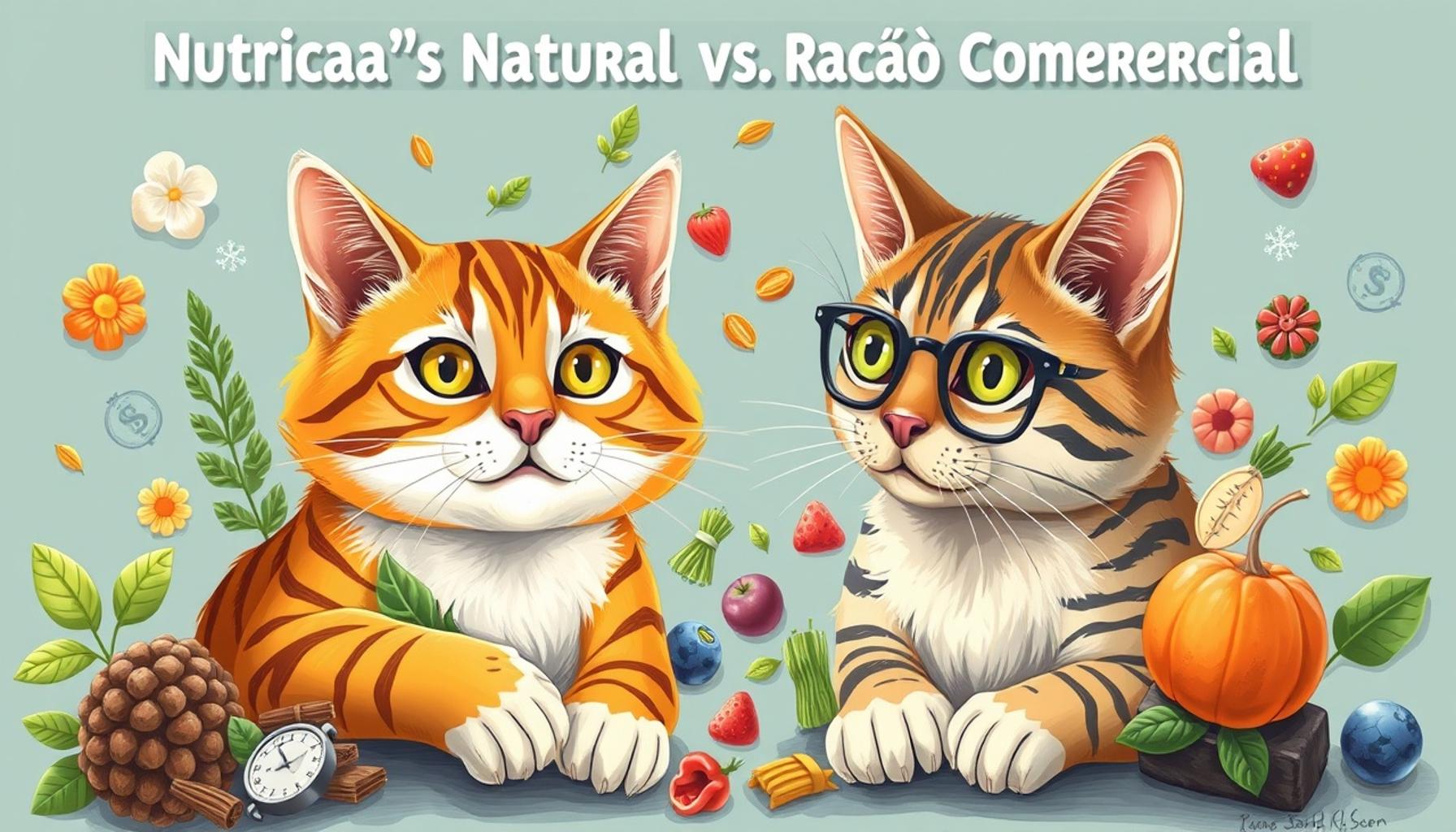
The debate surrounding natural nutrition versus commercial feed for cats has gained significant attention among pet owners. With an increasing array of options available on the market, it becomes essential to comprehend the fundamental differences and implications of each dietary choice. Cats are obligate carnivores, meaning their dietary needs are specific and greatly influence their overall health and well-being.
Many cat enthusiasts and veterinary experts have their distinct perspectives on what supports the best feline health. A cat’s diet can affect everything from energy levels to coat quality, making it crucial for pet owners to be informed. Here are some key considerations that highlight the differences between natural and commercial diets:
- Nutritional Quality: Natural diets often prioritize whole ingredients, including fresh meat, fruits, and vegetables, while many commercial feeds may contain fillers, artificial preservatives, and by-products. For instance, while a natural diet could consist of chicken, carrots, and flaxseed, a commercial option might include vague terms like “meat meal,” which may not provide the same level of nutrition.
- Digestibility: Some cats may struggle to process ingredients typically found in commercial products, which can lead to gastrointestinal issues such as vomiting or diarrhea. In contrast, a natural diet is often easier for sensitive stomachs to handle, leading to healthier digestion and nutrient absorption.
- Health Benefits: Many pet owners report enhanced coat quality, higher energy levels, and improved dental health when feeding their cats a natural diet. Ingredients rich in omega-3 fats, like fish oil often found in natural diets, can promote shiny fur and reduce shedding.
However, it’s important to note that commercial feeds often provide convenience and a formulated balance of essential nutrients tailored to cats’ needs. For busy cat owners, grabbing a bag of commercial kibble can be a practical solution, especially when it ensures that their cat is receiving a complete nutrient profile with minimal preparation time. But is it truly the best option for your feline friend?
Exploring both sides of this issue is crucial for making an informed decision. For example, trends such as raw feeding and home-cooked options have gained traction among pet owners looking to take control of their pets’ diets. Researching reputable brands and understanding ingredient labels can empower cat owners to select the most beneficial options available.
Ultimately, assessing your cat’s unique health needs, lifestyle, and any potential food sensitivities will guide you toward the best nutritional strategy. Consulting with a veterinarian can provide tailored advice, allowing for a balance between natural ingredients and the convenience of commercial feeds. So, as you ponder your options, consider not just what is marketed as “cat food,” but what your cat instinctively requires for optimal health.
LEARN MORE: Click here for insights on choosing the right food for pets with special needs
Understanding the Pros and Cons of Natural Nutrition and Commercial Feed
As pet owners dive into the world of feline nutrition, it’s essential to scrutinize the potential benefits and drawbacks of both natural nutrition and commercial feed. Making an informed choice is pivotal, as a cat’s diet is not just about filling their bowl; it profoundly affects their health, vitality, and happiness. Let’s explore the specific attributes of both dietary approaches, providing a comprehensive understanding that can guide your decision-making process.
Nutritional Integrity
One of the most obvious differences between natural and commercial diets lies in the quality of the ingredients. Natural nutrition often emphasizes whole, minimally processed foods. Ingredients such as real meat, fresh vegetables, and fruits form the foundation of these diets. In contrast, many commercial feeds may utilize animal by-products, fillers, and artificial additives that are less beneficial for cats. A diet high in whole ingredients has been linked to:
- Enhanced nutrient density: Whole foods tend to provide a richer array of nutrients compared to processed options that may be stripped of natural vitamins and minerals.
- Improved palatability: Cats are naturally attracted to fresh meat and vibrant vegetables, which can result in better meal acceptance and satisfaction.
- Lower allergenic potential: Natural diets often avoid common allergens found in commercial options, reducing the risk of food intolerances.
Digestive Health Considerations
The digestibility of a cat’s diet plays a crucial role in their overall health. Cats are notoriously sensitive creatures, and their digestion can easily be affected by the food they consume. A commercial feed may contain ingredients that some cats have difficulty processing, which can lead to gastrointestinal discomfort, including symptoms like diarrhea or vomiting. On the other hand, natural diets are frequently more easily digestible:
- Bioavailability of nutrients: The nutrients in natural foods are typically in forms that are easier for cats to absorb, enhancing their overall health and vitality.
- Fewer gastrointestinal disturbances: Many pet owners report fewer instances of digestive issues when switching to natural diets, a factor that contributes to a higher quality of life.
Long-Term Health Implications
It’s not just about the here and now; the long-term health effects of a cat’s diet are critical. While commercial feeds often boast formulations designed to provide essential nutrients, the sourcing and quality of these ingredients can vary widely. Some studies suggest that diets rich in natural components can lead to:
- Improved longevity: Cats fed natural diets may experience longer lifespans and fewer chronic health issues.
- Better weight management: Natural diets can help maintain a healthy weight as they are often lower in carbohydrates and fillers.
- Enhanced immune function: Whole foods rich in antioxidants may strengthen a cat’s immune system, potentially reducing the risk of diseases.
In conclusion, understanding the nutritional dynamics of natural versus commercial options allows pet owners to make informed decisions that align with their cats’ specific needs. Whether prioritizing ingredient integrity, digestibility, or long-term health implications, weighing these factors is fundamental to determining the most suitable feeding strategy for your feline companion. As this research continues, more pet owners are asked to consider not just what to feed their cats, but the quality and sourcing of that food.
Natural Nutrition vs. Commercial Feed: A Closer Look
When it comes to feeding your feline friend, the debate between natural nutrition and commercial feed encompasses more than just ingredients; it dives into the realm of health, sustainability, and overall wellbeing. Natural nutrition typically consists of whole foods, often including fresh meats, vegetables, and grains. In contrast, commercial feeds are usually formulated with specific percentages of nutrients and often contain preservatives and artificial additives.Natural diets are believed to promote better digestion and overall health. Cats, being obligate carnivores, thrive on a diet rich in protein, which is often more readily available in fresh, natural sources than in processed commercial products. Research indicates that fresh food diets can lead to improved coat condition, increased energy levels, and even better dental health due to the natural chewing action involved.On the other hand, commercial feeds have the advantage of convenience. They are widely available, easy to store, and can be more affordable. Most commercial cat foods are scientifically formulated to meet the dietary requirements established by the Association of American Feed Control Officials (AAFCO). This makes them a viable option for pet owners looking to ensure a balanced diet, although the quality can vary significantly among brands.Furthermore, as consumers become more informed about the ingredients in their pets’ food, a growing segment of the commercial feed market has shifted towards offering natural options, blending convenience with higher-quality ingredients. To make an educated choice for your cat, it’s essential to compare ingredients, nutrient profiles, and potential health impacts of both natural and commercial options.
| Category | Advantages |
|---|---|
| Natural Nutrition | Whole food ingredients, improved digestion, better coat condition |
| Commercial Feed | Convenient, affordable, scientifically formulated for balanced nutrients |
Exploring the various options available for your cat’s diet can ultimately lead to a more informed and responsible choice. Whether you lean towards the holistic approach of natural nutrition or the efficiency of commercial feeds, understanding both sides is essential for every diligent cat owner.
DISCOVER MORE: Click here for tips on creating a pet-friendly space at home
Exploring Real-World Impacts and Practical Considerations
When it comes to choosing between natural nutrition and commercial feed for cats, understanding the practical implications of each approach cannot be overlooked. While theoretical benefits paint a positive picture for natural diets, real-world experiences and logistical issues can significantly influence a pet owner’s choice. Let’s delve deeper into these factors, examining accessibility, cost, and the potential for a balanced diet.
Accessibility and Convenience
In an age where convenience often drives consumer choices, commercial cat food scores high marks for accessibility. Available in various forms from dry kibble to canned options, commercial feeds are widely distributed in grocery stores, pet shops, and online platforms. For busy pet owners, grabbing a bag of kibble can be more straightforward than preparing natural meals. However, it’s essential to consider whether this convenience might come at a cost to nutritional value:
- Standardization: Commercial feeds often adhere to strict nutritional guidelines set by organizations like the Association of American Feed Control Officials (AAFCO). This makes it easier for owners to select diets that meet their cat’s basic nutritional needs.
- Meal preparation: Conversely, natural diets may require more time and effort to prepare, including sourcing fresh ingredients, cooking, and balancing nutrients. For some owners, this can be daunting.
Cost Analysis
Pet owners must weigh the financial implications of their choices. While commercial feed may appear to be a more budget-friendly option on the surface, the long-term health savings associated with a natural diet can be compelling. The cost of disease management and veterinary visits due to health issues stemming from poor nutrition can skyrocket. Consider the following:
- Initial investment: High-quality natural foods can indeed be more expensive initially, but they may lead to fewer health problems and lower veterinary bills over time.
- Value of supplementation: Some commercial diets may require additional supplements to address deficiencies, further increasing overall spending without guaranteeing optimal health.
Creating a Balanced Diet
One significant concern with natural nutrition is ensuring a balanced diet that meets all of a cat’s specific nutritional needs. Cats require certain essential nutrients, including taurine and arachidonic acid, that must be included in adequate proportions. This can pose a challenge for pet owners who decide to create their cat’s meals:
- Consultation necessity: Many experts recommend consulting with a veterinarian or pet nutritionist if you opt for a natural diet to ensure the meals are balanced and tailored to your cat’s individual needs.
- Potential for DIY pitfalls: With the rise of DIY cat diets, there’s potential for unintentional nutritional imbalances that can lead to health issues over time. Online resources may not always provide sound guidance.
The world of feline nutrition presents a broad spectrum of choices influenced by various factors beyond just ingredients, such as lifestyle, budgetary constraints, accessibility, and the commitment to research and education. Pet owners should take time to assess their specific circumstances, alongside their cats’ unique needs, to navigate the decisions surrounding natural nutrition vs. commercial feed effectively. Ensuring a well-informed feeding strategy not only promotes feline well-being but also enriches the pet-owner relationship through a shared commitment to health and happiness.
LEARN MORE: Click here to learn about your pet’s nutrition
Conclusion: Finding the Best Path for Your Cat’s Nutrition
The debate of natural nutrition vs. commercial feed has sparked passionate conversations among pet owners, each holding valid points in support of their preferences. Ultimately, the choice lies in understanding your cat’s specific needs and your capabilities as a caregiver. While commercial feeds offer unparalleled convenience and assurance of balanced nutrition through regulated standards, natural diets present an opportunity for individualized meal planning that some owners find appealing.
Accessibility is undeniably a significant factor; busy lifestyles may favor pre-packaged solutions, yet the potential long-term savings on veterinary bills through better health can make the effort of meal preparation worthwhile. Consulting with a pet nutritionist or veterinarian can also assist owners confidently navigate the complexities of natural nutrition, ensuring that every meal is not only health-focused but also safe for feline consumption.
As pet owners, being armed with knowledge is paramount in making informed decisions that benefit our furry companions. Keep in mind that each cat is unique, and what works for one may not suit another. Explore the various options available, remain vigilant about ongoing research in feline nutrition, and tailor your approach to cater to your cat’s overall wellness. In this pursuit, transparency, education, and a nurtured bond with your pet will lead to a flourishing and healthy relationship.
In the end, whether you choose natural nutrition or commercial feed, prioritize understanding the effects of your choice on your cat’s health and happiness, creating a fulfilling life together.