Nutritional Supplements: When and How to Use Them in Cat Feeding
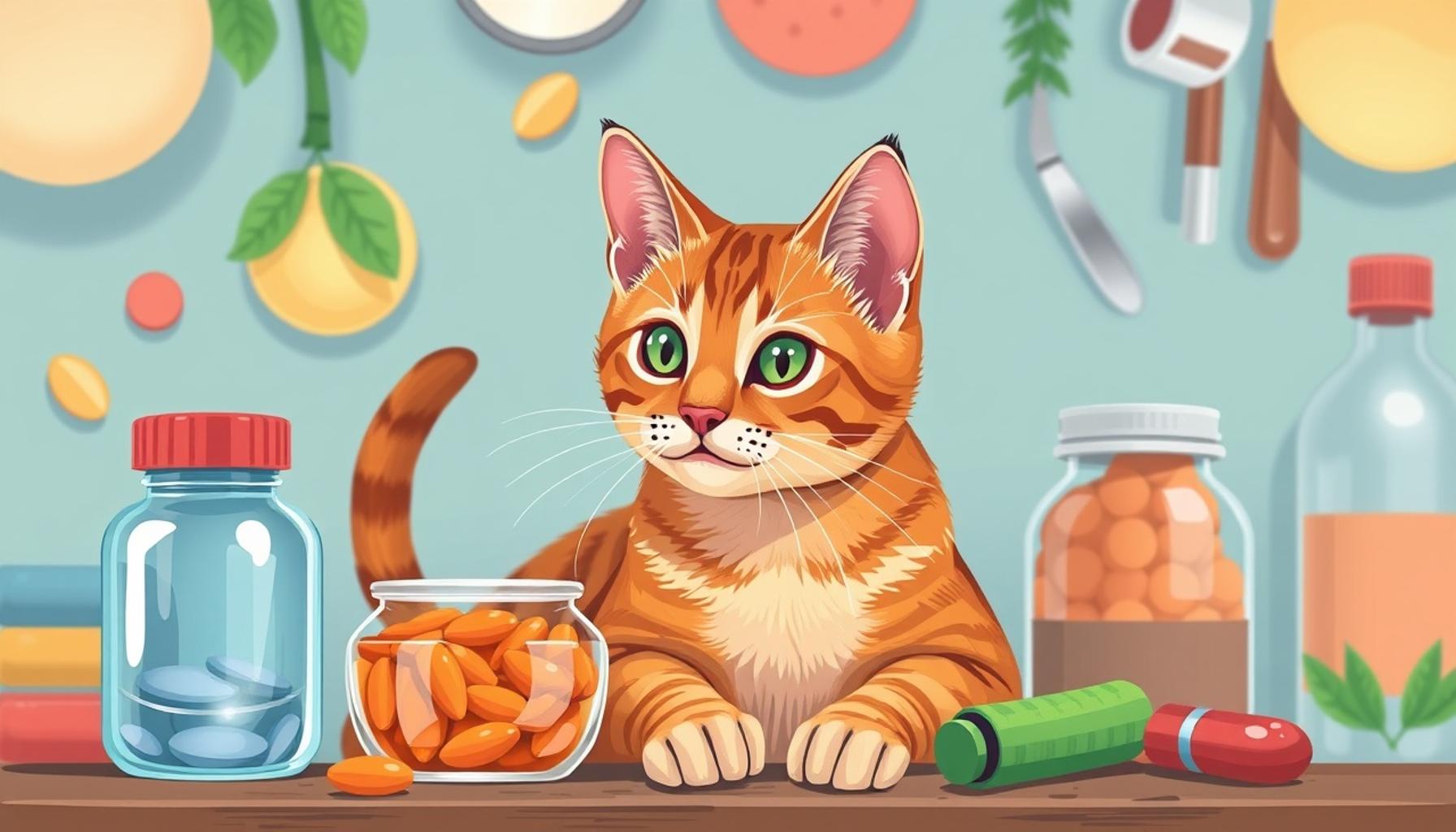
Nutritional Supplements for Cats: A Comprehensive Overview
Cats, like humans, can benefit from nutritional supplements to enhance their well-being. With an increasing number of pet owners seeking the best for their feline friends, the question arises: when and how should these supplements be incorporated into cat feeding? Understanding the right approach ensures that your cat receives balanced nutrition and optimal health throughout their lives.
Reasons to Consider Nutritional Supplements
There are various compelling reasons to consider nutritional supplements for your cat:
- Dietary Gaps: Not all commercial cat foods are created equal. Some may lack essential nutrients like taurine, omega-3 fatty acids, or vitamins A and E, which are crucial for a cat’s health. Incorporating a high-quality supplement can help bridge these dietary gaps, ensuring your cat receives complete nutrition.
- Health Conditions: As cats age, their nutritional needs evolve. Older cats often require additional support, such as joint supplements containing glucosamine and chondroitin, which can alleviate arthritis symptoms. Cats diagnosed with conditions like kidney disease may benefit from specific supplements designed to support their kidney function.
- Boosting Health: Regardless of age, all cats can benefit from supplements that enhance overall vitality and immune function. Probiotics, for instance, can promote a healthy gut microbiome, while antioxidants can combat oxidative stress and boost the immune system.
Guidelines for Selecting Nutritional Supplements
However, it’s crucial to approach this topic with knowledge and caution. Consider the following before selecting a supplement for your cat:
- Consult Your Veterinarian: Always seek professional advice tailored to your cat’s unique needs. A veterinarian can help determine if your cat requires supplements based on their health status and nutritional intake.
- Quality of Products: Not all supplements are created equal. Choose high-quality, veterinarian-recommended brands. Look for products that have undergone third-party testing for safety and efficacy; this ensures you’re giving your cat a quality supplement.
- Understand the Dosage: Follow guidelines closely to avoid over-supplementation. Too much of certain nutrients can be harmful. For example, excessive vitamin A can lead to toxicity in cats.
Exploring Supplement Types
In this article, we will explore the different types of nutritional supplements available, such as omega-3 fatty acids, probiotics, and vitamins, detailing their specific benefits and how they can be safely incorporated into your cat’s diet. Remember, informed supplementation can significantly impact your feline companion’s health and longevity.
By understanding how and when to use nutritional supplements, you can provide your cat with the best care possible, ensuring they live a happy, healthy, and vibrant life. Always make sure to remain proactive about your cat’s health, exploring new advancements and products that may benefit them along the way.
Understanding Various Nutritional Supplements
When it comes to enriching your cat’s diet, nutritional supplements can serve as an excellent avenue to address specific health needs. However, with a plethora of options available on the market, it is essential to understand the types of supplements, their purposes, and how to seamlessly incorporate them into your cat’s feeding regimen. Below are several common types of nutritional supplements and their key benefits:
- Omega-3 Fatty Acids: These essential fatty acids, often sourced from fish oil, are known to promote a healthy coat and skin, diminish inflammation, and support cognitive function. Particularly beneficial for older cats or those with skin allergies, omega-3 supplements can enhance your cat’s overall quality of life.
- Probiotics: These beneficial microorganisms play a crucial role in maintaining gut health. Probiotic supplements can help restore balance in the digestive tract, improving nutrient absorption and aiding in the prevention of gastrointestinal issues. These are especially recommended for cats who have undergone antibiotic treatments or experience irregular bowel movements.
- Vitamins and Minerals: Key vitamins, such as B vitamins, vitamin E, and minerals like zinc and selenium, are vital for a cat’s metabolic processes. Using a multivitamin designed for felines can help ensure your kitty receives necessary nutrients that may be deficient in their standard diet, especially if consuming primarily homemade meals.
- Joint Support Supplements: Cats are prone to various joint-related conditions as they age; hence, supplements containing glucosamine and chondroitin can provide the needed support for maintaining mobility and reducing discomfort associated with arthritis.
Assessing Your Cat’s Needs
Before diving into the world of nutritional supplements, it’s critical to assess your cat’s specific needs. Different ages, lifestyles, and health conditions can significantly affect what kind of supplements might be beneficial. Here are a few considerations to guide your decision:
- Age Factors: Kittens, adult cats, and seniors all have varying nutritional needs. For instance, growing kittens may benefit from higher protein levels and specific vitamins, while senior cats often require supplements that support joint health and cognitive function.
- Diet Evaluation: Analyze your cat’s current diet. If they are on a commercial diet, research the nutrient contents thoroughly. Home-cooked meals may need additional supplementation as they could lack essential nutrients.
- Existing Health Issues: Always take into account any pre-existing health conditions your cat may have. If your cat has been diagnosed with health issues such as diabetes, kidney disease, or obesity, consult your veterinarian for tailored supplement recommendations aligned with their unique health profile.
Your cat’s health is paramount, and incorporating the right nutritional supplements can ensure they thrive at every stage of life. By understanding the various types of supplements and assessing your cat’s individual needs, you can make informed decisions that lead to a happier and healthier feline companion.
| Category | Benefits |
|---|---|
| Vitamins and Minerals | Enhances overall health by supporting immune function and improving coat condition. |
| Omega Fatty Acids | Promotes skin and joint health, alleviating inflammation and enhancing mobility. |
| Probiotics | Supports digestive health, improving nutrient absorption and maintaining gut flora balance. |
| Amino Acids | Enhances muscle growth and recovery, especially important for active cats. |
When considering nutritional supplements for your cat, it’s crucial to recognize that each category serves specific purposes. For instance, vitamins and minerals can play a pivotal role in bolstering the immune system, whereas omega fatty acids are essential for maintaining healthy skin and joints, particularly in older felines. Probiotics are particularly noteworthy; they ensure that your cat’s digestive system functions optimally by helping maintain a balanced gut environment. Moreover, incorporating amino acids can greatly benefit cats engaged in regular physical activities, ensuring they can recover effectively after exercise.Navigating the world of supplements requires understanding when it’s appropriate to introduce these enhancements into your cat’s diet. Consulting with a veterinarian can provide tailored insights into the specific needs of your feline companion, ensuring that you maximize the benefits while minimizing risks associated with incorrect dosages or unsuitable products.
Proper Administration and Timing of Nutritional Supplements
Once you have determined the right nutritional supplements for your cat, understanding how to effectively incorporate them into their diet is equally important. Timing, dosage, and method of administration can significantly influence the efficacy of these supplements. Here are essential considerations for successful integration into your cat’s feeding routine:
Timing and Frequency
When it comes to timing, the best approach often hinges on the type of supplement you are using:
- Meal Enhancement: Many nutritional supplements are best absorbed when included during mealtime. For example, adding omega-3 fatty acids directly to your cat’s food can enhance flavor while providing vital nutrients. Probiotics may also work more effectively when taken alongside meals.
- Consistency is Key: Supplements usually require consistent administration to yield beneficial results. Be diligent in adhering to recommended doses and establish a routine to help your cat adjust to their new regimen. For instance, if you’re introducing joint support supplements, regular daily administration is pivotal for seeing positive changes in mobility.
- Specific Health Issues: If your cat is on medication for a particular health concern, it’s wise to speak with your veterinarian to optimize the timing of supplemental doses. For instance, certain vitamins should not be taken simultaneously with specific medications due to potential interactions.
Dosage Guidelines
Understanding the correct dosage of nutritional supplements is crucial to avoid any potential adverse effects or overdosing. Always refer to the product’s label and discuss any uncertainties with your veterinarian:
- Age and Weight Considerations: Dosage can vary based on your cat’s age, weight, and health status. Kittens may require different dosages than adult or senior cats. Supplements come in various forms—powders, capsules, or liquids—and each may have specific dosing instructions based on your feline companion’s unique profile.
- Monitor for Reactions: Upon introducing new supplements, keep a close eye on your cat’s behavior and physical condition. If you notice any adverse reactions, such as gastrointestinal disturbances or changes in coat quality, consult with your veterinarian immediately.
Consulting with Professionals
It is paramount to involve a veterinarian in the decision-making process when introducing nutritional supplements. They can provide insights tailored to your cat’s specific needs based on a thorough examination and potentially necessary testing:
- Evaluation of Diet: A vet can help assess whether your cat’s current diet is nutritionally complete or if supplementation is genuinely warranted. This is particularly crucial for during transitions from commercial feeds to homemade meals.
- Monitoring Health Conditions: Ongoing discussions with your veterinarian regarding any health conditions can inform necessary adjustments in supplementation as your cat ages or if their condition evolves.
In essence, the effectiveness of nutritional supplements in your cat’s feeding regimen relies heavily on proper timing, dosage, and professional guidance. By meticulously following these protocols, you can ensure your beloved companion receives the full benefits of the supplements, promoting optimal health and well-being. With the right approach, nutritional supplements can significantly enhance your cat’s quality of life while catering to their individual dietary needs.
Conclusion
In summary, nutritional supplements can play an essential role in enhancing your cat’s diet, but their utilization requires careful consideration and proper implementation. As highlighted throughout this article, identifying the right supplements based on your cat’s specific needs is fundamental to promoting overall health and addressing potential deficiencies. This can often mean the difference between a well-nourished pet and one that struggles with health challenges.
Understanding the nuances of timing and dosage cannot be overstated; these factors significantly impact the effectiveness of the supplements. By incorporating them into mealtimes and maintaining a consistent administration schedule, as well as consulting with a veterinarian, you amplify your chances of achieving positive outcomes. Regular veterinary check-ups are key in assessing not only the necessity of supplements but also in monitoring your cat’s response to them as they age or experience changes in health status.
Additionally, it’s crucial to remain vigilant and observant of any reactions your cat may have to new additions to their diet. As each feline is unique in its dietary requirements and health conditions, the journey of cat nutrition is an evolving one. In this quest to ensure your cat thrives, your proactive approach to incorporating nutritional supplements can transform their quality of life and longevity.
As you explore the vast landscape of feline nutrition, remember that informed decisions lead to happier, healthier lives for your beloved companions. Continue to educate yourself about the various options and consult professionals whenever in doubt. After all, a healthier cat means more joyful moments spent together.