Nutritional Supplements: When and How to Use Them in Pets

As pet owners navigate the complexities of ensuring their beloved companions lead healthy lives, the topic of nutritional supplements emerges as a key consideration. With myriad products claiming to enhance pet health, it can be both overwhelming and enlightening to dissect what benefits these supplements offer and how to incorporate them into your pet’s routine. In an age where preventive health care is prioritized, understanding the role of these supplements is vital.
Why Consider Nutritional Supplements?
The potential advantages of introducing supplements to a pet’s diet are diverse and significant, encompassing various aspects of health. Here are a few key benefits:
- Improved Joint Health: For pets, particularly senior dogs or those predisposed to musculoskeletal conditions, supplements containing glucosamine and chondroitin can provide much-needed support. These compounds help in repairing cartilage and can significantly reduce discomfort associated with arthritis, improving mobility and overall quality of life.
- Enhanced Coat Quality: A shiny, vibrant coat often reflects overall health. Supplements rich in omega fatty acids, such as fish oil, can nourish the skin and fur. Studies indicate that these fatty acids can mitigate issues like dry skin and excessive shedding, resulting in a more beautiful appearance and healthier skin barrier.
- Boosted Immune Function: Maintaining a robust immune system is crucial for pets, especially during seasonal changes. Probiotics and essential vitamins, particularly Vitamin C and E, can enhance immune responses while supporting digestive health, allowing pets to fend off illnesses more effectively.
Recognizing the Right Moments
Identifying the opportune moments to introduce nutritional supplements into your pet’s diet can make a considerable difference in their health journey. Here are some common scenarios:
- During recovery from illness or surgery, when pets are more vulnerable and require additional support to regain strength.
- For senior pets, who may experience more age-related health challenges such as cognitive decline or joint stiffness, targeted nutrition can play an essential role in management and care.
- When dietary gaps are identified in their regular food, particularly if a pet is on a homemade or limited-ingredient diet. Supplements can help bridge these nutritional deficits to ensure a balanced intake of vitamins and minerals.
Choosing to implement a supplement regimen is merely the initial step in a journey toward improved pet health. The next sections will delve into the multitude of supplement types available, delineating their specific purposes, benefits, and the best practices for integrating them seamlessly into your pet’s daily routine. This knowledge equips pet owners to foster a proactive approach to their pet’s well-being, ensuring they thrive at every stage of life.
Understanding the Types of Nutritional Supplements
As the market for nutritional supplements for pets continues to grow, it’s essential for pet owners to navigate through the various types available. Each supplement serves a unique purpose, and understanding these can guide owners in making informed choices that align with their pet’s specific needs. Here’s a closer look at some of the most common types of supplements:
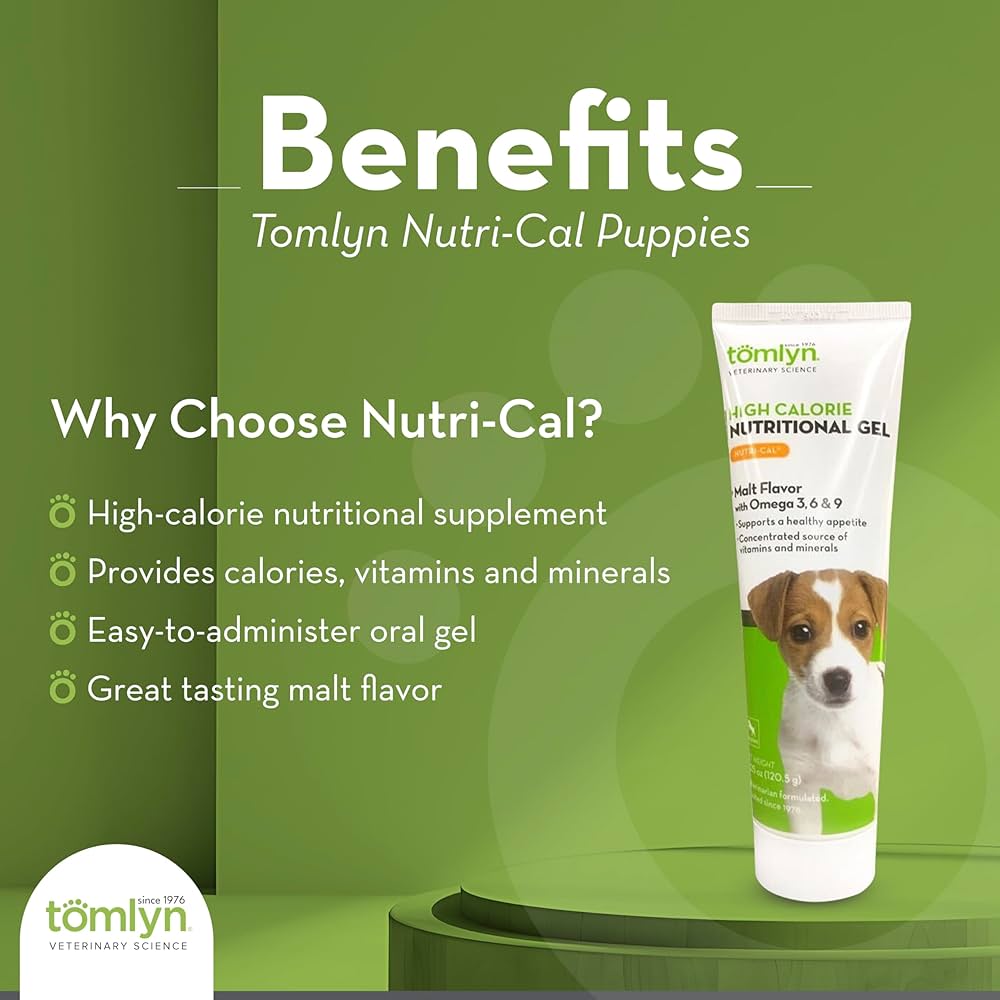
- Vitamins and Minerals: Just like humans, pets require essential vitamins and minerals for optimal health. Common supplements may include B vitamins for energy and immune support, calcium for bone health, and iron for blood health. Ensuring pets receive adequate nutrition can help prevent deficiencies, especially in animals that consume homemade diets or have specific health issues.
- Fatty Acids: Found in the popular category of omega fatty acids, these supplements are particularly beneficial for skin and coat health. Fatty acids help maintain a healthy coat, reduce inflammation, and can alleviate allergic reactions. For many pet owners, incorporating fish oil supplements can lead to noticeable improvements in coat shine and skin condition.
- Joint Supplements: Supplements like glucosamine and chondroitin are popular for pets suffering from arthritis or joint pain. These compounds are believed to help lubricate joints and reduce inflammation, leading to improved mobility and a better quality of life for aging pets or those with chronic joint issues.
- Probiotics: Just as in humans, gut health is vital for pets. Probiotic supplements contribute to a balanced gut microbiome and can aid in digestion, particularly after antibiotic treatments. They also support immune health, making them a wise addition to many pets’ diets.
With these diverse options available, pet owners must consider their individual pet’s health status, age, and lifestyle before selecting supplements. Consulting a veterinarian is always recommended to identify specific needs and suitable products. This proactive approach allows pet owners to provide tailored nutritional support, enhancing their furry friend’s overall well-being.
Safe Practices for Supplementation
As beneficial as nutritional supplements can be, caution is necessary when integrating them into a pet’s diet. Here are several best practices to ensure a safe and effective supplementation regimen:
- Consult a Veterinarian: Always consult a veterinarian before introducing any supplements. They can assess your pet’s specific needs and recommend appropriate dosages based on the pet’s health and lifestyle factors.
- Research Products: Not all supplements on the market are created equal. Look for reputable brands that provide transparency regarding their ingredients and undergo third-party testing for quality assurance.
- Start Slow: When introducing a new supplement, start with a lower dosage. Gradually increase as necessary while monitoring your pet for any adverse reactions. This allows for a smoother transition and ensures your pet can tolerate the new addition.
By adhering to these safe practices, pet owners can maximize the benefits of nutritional supplements while minimizing risks. The upcoming sections will delve deeper into specific product recommendations and expert tips for a successful supplementation journey, promoting long-lasting health and vitality in pets.
| Type of Supplements | Benefits and Applications |
|---|---|
| Vitamins and Minerals | Essential for overall health, they support bone health and immune function. |
| Omega Fatty Acids | Promote healthy skin and coat, and can help with joint inflammation and heart health. |
| Probiotics | Support digestive health and enhance nutrient absorption, improving gut flora balance. |
| Joint Supplements | Contain glucosamine and chondroitin to maintain joint health and mobility in aging pets. |
Properly introducing nutritional supplements to your pet’s diet can significantly enhance their wellbeing. Understanding when and how to use these supplements is crucial; for instance, vitamin deficiencies can lead to serious health issues, making early identification and intervention essential. Before adding any supplement, consultation with your veterinarian is necessary to tailor the approach to your pet’s specific needs. Keep in mind that quality matters—opting for reputable brands ensures you provide the best for your furry companions. Each pet is unique, so adjusting dosages based on breed, age, and health status is critical as well.The choice of a supplement should not merely be based on general trends but rather on scientific evidence and veterinarian recommendations. Recognizing signs of potential deficiencies can lead to timely interventions, vastly improving your pet’s quality of life. Remember, sometimes less is more; a balanced diet supplemented wisely is typically the most beneficial approach for your pet’s health.
Recognizing Signs for Supplementation
Determining when to introduce nutritional supplements to your pet’s diet requires keen observation and awareness of their health and well-being. Certain signs can indicate a need for additional nutritional support, guiding owners toward appropriate supplementation. Here’s what to watch for:
- Changes in Coat Quality: A dull, flaky, or thinning coat can be a signal that your pet may benefit from fatty acid supplements or specific vitamins that enhance skin and coat health. Pet owners often observe a marked improvement in coat condition after just a few weeks of incorporating omega fatty acids into their pet’s routine.
- Joint Stiffness: If you notice your pet struggling with mobility—like hesitating to jump onto furniture or showing signs of discomfort during playtime—joint supplements such as glucosamine and chondroitin may be essential. Regular monitoring of your pet’s activity levels can help identify these issues early, allowing for timely intervention.
- Frequent Digestive Upsets: A pet that experiences regular bouts of diarrhea, constipation, or gas could benefit from probiotic supplements. These can help restore gut flora balance and improve overall digestion. A study published in the *Journal of Veterinary Internal Medicine* highlighted that probiotics can reduce gastrointestinal issues in pets with long-term antibiotic use.
- Behavioral Changes: Increased anxiety, restlessness, or changes in appetite can signal underlying nutrient deficiencies or the need for calming supplements. Certain vitamins and minerals, such as omega-3 fatty acids and specific amino acids, can improve mood and behavior.
Pet owners should remain attuned to their furry companions’ behavioral and physical changes, as these can be critical indicators of when supplementation may be necessary. Furthermore, incorporating regular wellness checkups with a veterinarian can help assess your pet’s health status and develop a nutritional plan tailored to their needs.
Choosing the Right Supplements
With an abundance of products available, selecting the right nutritional supplements for your pet can feel overwhelming. Here are some criteria to consider when making your choice:
- Specific Needs: Always tailor your choice of supplements to your pet’s specific health challenges. For instance, senior pets may require different formulations than younger pets, especially concerning joint and cognitive support.
- Formulation Type: Nutritional supplements come in various forms, including powders, chews, and liquids. Some pets may have preferences that affect compliance, so experimenting with different formats can yield better results. For example, some pet parents find that their dogs respond more favorably to chewable treats compared to powders sprinkled on food.
- Ingredients: Look for products with high-quality, natural ingredients and minimal fillers. Research has found that certain synthetic additives can cause adverse reactions in sensitive pets. Checking labels for certification and endorsements from veterinary professionals can enhance your confidence in the product’s efficacy and safety.
- Manufacturer Reputation: Prioritize brands with a solid reputation within the veterinary community. Seek out products that undergo rigorous testing and meet established safety standards to guarantee you are providing your pet with beneficial supplements.
Arming yourself with knowledge about your pet’s nutritional needs and the array of available supplements can significantly impact their health and vitality. This calculated approach will help ensure your beloved companion enjoys a fuller, healthier life, enriched by well-chosen nutritional support.
Conclusion
Incorporating nutritional supplements into your pet’s diet may be a vital step toward enhancing their overall health and vitality. Modern pets lead increasingly active lifestyles, and just like humans, they can benefit from a boost in their nutritional intake. For instance, senior dogs may require supplements to support joint health, helping to alleviate joint stiffness that can result from arthritis. Similarly, cats might experience benefits from Omega-3 fatty acids, known to improve coat quality and diminish dryness. These subtle changes in behavior or appearance can serve as important indicators, guiding you toward when supplementation is necessary.
Addressing specific issues through supplementation can significantly improve your pet’s quality of life. For example, digestive troubles are common in pets, and probiotics can help restore gut health, improving overall digestion and nutrient absorption. Behavioral issues, such as anxiety during thunderstorms, might be alleviated with calming supplements containing ingredients like L-theanine or valerian root—natural alternatives gaining popularity among pet owners seeking holistic solutions.
Choosing the ideal supplements requires thoughtful consideration of your pet’s unique health needs, preferred formulation types, and the quality of ingredients. It’s essential to scrutinize labels for transparent sourcing and clinical backing. Always consult with a veterinary professional to create a tailored nutrition plan that focuses on your pet’s specific requirements and ensures the safety and efficacy of the supplements you select.
As the pet care industry continues to evolve, staying informed about the latest research and products is vital. Resources such as veterinarians, animal nutritionists, and reputable online platforms can provide valuable insight into effective supplementation practices. Engaging with communities of pet owners can also yield recommendations based on personal experiences, adding a layer of peer support to your decision-making process.
Ultimately, a proactive approach to your pet’s health—through careful observation, informed choices, and open communication with your vet—can lead to a happier, healthier companion that thrives, no matter their age or lifestyle. By investing time in understanding your pet’s needs and exploring the diverse range of supplementation options, you’re not just ensuring their health today but also setting the stage for longevity and vitality well into their golden years.