Oral Health Care for Pets: Tips and Importance
Understanding the Significance of Oral Health Care for Pets
Just as we prioritize our own dental hygiene, our pets also require consistent and quality oral health care to thrive. Unfortunately, a significant number of pet owners fail to recognize the importance of this aspect of pet care, often leading to severe health implications for their beloved companions. Neglecting dental hygiene can result in a range of problems, including painful conditions and expensive treatments, which not only diminish the quality of life but can also shorten their lifespan considerably.
So, why is it crucial to make oral health care a priority for your pets? Here are several compelling reasons:
- Prevention of dental disease: Regular veterinary check-ups and at-home dental care can help prevent common dental issues such as periodontal disease, which affects more than 80% of dogs and cats over the age of three. This condition can lead to tooth loss, as bacteria build up in the gums and eventually enter the bloodstream, affecting other organs.
- Bad breath: If your pet has persistent bad breath, it’s more than just an unpleasant odor—it often signals underlying dental problems. Conditions such as tartar buildup and gingivitis can cause significant discomfort and lead to serious health issues if not addressed.
- Systemic health: There is a well-established link between poor dental health and critical health issues affecting vital organs like the heart and kidneys. Bacteria from dental disease can travel through the bloodstream, leading to infections and other systemic problems that affect your pet’s overall well-being.
Engaging in oral health care for pets is more than a routine; it is an investment in your pet’s long-term health. Regular dental check-ups not only provide peace of mind for pet owners, but also help cultivate a deeper bond between you and your companion. Just like you might schedule a dental appointment for yourself, your pet deserves the same level of attention to their oral health.
Recognizing the signs of dental distress—such as difficulty eating, excessive drooling, or visible tartar buildup—can help you take proactive measures. These could include daily tooth brushing, providing dental treats, or using water additives specifically designed to promote oral health. Understanding and implementing these strategies can substantially enhance your pet’s quality of life.
We invite you to explore practical tips and essential information regarding maintaining your pet’s oral health. By doing so, you’ll be well-equipped to ensure your furry friend leads the happy and healthy life they truly deserve.
DIVE DEEPER: Click here to learn more
Essential Tips for Maintaining Your Pet’s Oral Health
Maintaining quality oral health care for your pet goes beyond the occasional vet visit—it requires diligence and a proactive approach at home. Just like humans, pets need a consistent routine to ensure their dental wellbeing. Here are some practical tips that every pet owner should consider integrating into their daily care regimen:
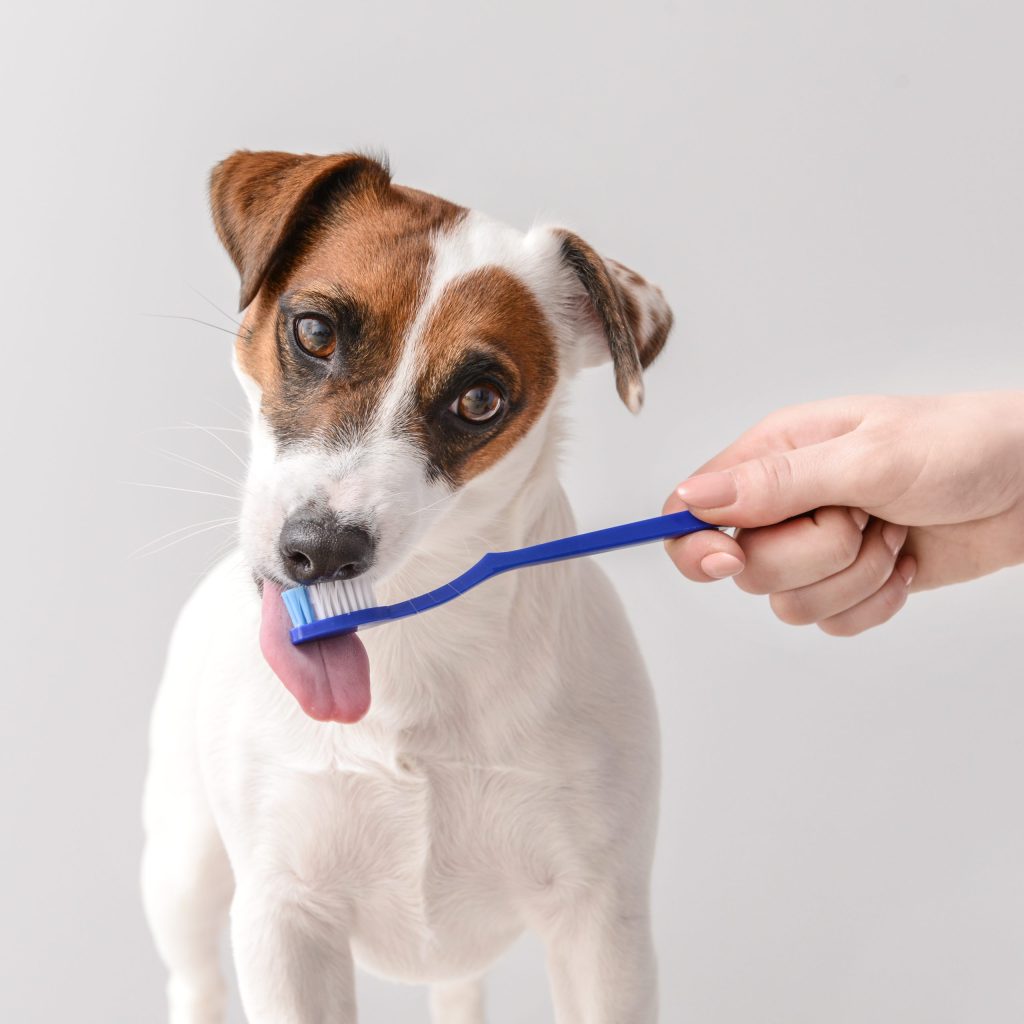
- Daily Tooth Brushing: The gold standard in pet oral care is daily tooth brushing. While it may seem daunting at first, with the right tools and techniques, it can become part of your pet’s grooming routine. Use a toothbrush designed for pets and toothpaste formulated specifically for them, as human toothpaste can be toxic to animals.
- Dental Chews and Treats: Incorporating dental chews into your pet’s diet can help reduce plaque and tartar buildup. Look for products approved by the Veterinary Oral Health Council (VOHC), as these have been shown to provide benefits for your pet’s teeth and gums.
- Regular Veterinary Dental Cleanings: Schedule professional dental cleanings with your veterinarian at least once a year. These cleanings can effectively remove tartar and plaque that brushing cannot, and they also allow for early detection of any potential dental issues.
- Water Additives: Using specially formulated water additives can promote oral health by reducing bacteria and freshening your pet’s breath. These additives can often be easily integrated into your pet’s drinking water without altering their daily routine.
- Monitoring Diet: Providing a balanced diet rich in nutrients can greatly influence your pet’s oral health. Foods that are specifically created to promote dental health can help reduce the risk of gum disease and other dental problems.
Recognizing the signs that your pet may require dental intervention is equally important. Some common indicators include swollen or bleeding gums, loose teeth, or significant changes in behavior such as a reluctance to eat or play. Early detection can be pivotal in preventing more severe health complications down the line.
Additionally, pet dental health is not just a matter of hygiene; it directly affects your furry friend’s overall quality of life. When dental problems go unchecked, they can lead to chronic pain and infections that ultimately impede a pet’s happiness and activity levels. Investing time and attention into your pet’s oral health is a crucial aspect of their general well-being.
As we move forward, it’s essential to not only understand the significance of dental care but also to take actionable steps toward ensuring your pet’s mouth is healthy and free of disease. Adopting these practices into your routine can serve as a foundation for a long and thriving relationship with your furry companion.
| Category | Description |
|---|---|
| Preventive Care | Regular dental check-ups can identify issues early, preventing serious problems later. |
| Healthy Gums | Maintaining healthy gums can result in better overall health, reducing the risk of systemic diseases. |
| Dietary Considerations | Feeding pets high-quality dental care food can promote oral health and help control tartar buildup. |
| Oral Hygiene Products | Utilizing vet-recommended dental treats and toothpaste can significantly enhance pets’ oral health. |
Prioritizing oral health care is not just a trend; it’s a crucial aspect of caring for your beloved pet. Regular dental maintenance can lead to significant health benefits, extending your pet’s lifespan and enhancing their quality of life. Additionally, understanding the importance of preventive care can open a channel for veterinary intervention before serious conditions arise. By emphasizing the significance of maintaining healthy gums and providing dietary considerations tailored to improve oral health, you create an optimal environment for your pet’s overall well-being. Engaging with appropriate oral hygiene products can not only make the experience more enjoyable for your pet but also instill good habits for a lifetime.
DISCOVER MORE: Click here to learn about your pet’s nutritional needs
The Connection Between Oral Health and Overall Wellness
When discussing oral health care for pets, it’s crucial to recognize its far-reaching implications on your pet’s overall health. Recent studies have established a direct link between oral health issues and serious systemic diseases in pets. Just as gum disease can lead to problems such as heart disease in humans, a similar relationship exists in pets. Bacteria from periodontal disease can enter the bloodstream and affect various organs, leading to complications that may significantly shorten your pet’s life.
For instance, conditions like kidney disease have been observed more frequently in dogs with poor dental hygiene. The bacteria from the mouth can cause inflammation and further strain the kidneys, making it vital to maintain oral health to support kidney function. Moreover, research conducted by veterinary dental specialists indicates that pets with periodontitis are at greater risk for developing conditions such as diabetes and liver disease.
Age and Species Considerations
It is also essential to acknowledge that different breeds and ages have varying dental needs. For example, small dog breeds like Chihuahuas and Pomeranians are predisposed to dental problems compared to larger breeds, due to their denser teeth and unique jaw formations. Therefore, pet owners must tailor their oral health strategies based on their pet’s specific needs. For senior pets, it may be critical to increase the frequency of dental check-ups to catch signs of periodontal disease early.
Knowing your pet’s genetic predispositions can help you become more proactive about prevention. For instance, certain breeds, such as Dachshunds and Bulldogs, may require earlier dental intervention due to their anatomical features that increase the chances of dental issues. By understanding these nuances, owners can provide customized care that is integral to their pets’ long-term health.
Educational Resources and Support
Fortunately, resources are readily available to pet owners who want to improve their understanding of pet oral health care. Many veterinary clinics and animal hospitals provide educational materials and seminars on pet dental hygiene. Engaging in community programs can also help raise awareness about the importance of oral care.
Online platforms and veterinary services offer virtual consultations, allowing pet owners to ask questions, share concerns, and monitor their pets’ dental health effectively. By collaborating with their veterinarians and taking advantage of these resources, pet owners can better equip themselves to manage their furry friends’ oral health.
Holistic Approaches to Dental Care
Additionally, many pet owners are turning to holistic and natural products that promote dental health without the use of harsh chemicals. Ingredients such as coconut oil and green tea extract are gaining popularity in the pet care industry for their ability to inhibit plaque formation and eliminate harmful bacteria. While traditional dental care methods remain essential, exploring these alternative options can provide a well-rounded approach to maintaining your pet’s oral health.
In conclusion, understanding the interconnectedness of oral health and overall wellness in pets is foundational to providing comprehensive care. Proactive attention to dental hygiene not only enhances your pet’s quality of life but also mitigates the risk of serious health complications later on. Prioritizing your pet’s oral health is an investment in their overall wellness that can pay off significantly in both the short and long term.
DIVE DEEPER: Click here to learn more
Final Thoughts on Oral Health Care for Pets
In wrapping up our discussion on oral health care for pets, it is essential to emphasize that maintaining your pet’s dental hygiene is more than just an aesthetic concern; it’s a critical aspect of their overall health and well-being. By addressing dental issues proactively, pet owners can significantly enhance their furry companions’ quality of life and reduce the risk of severe health conditions, such as heart disease, kidney problems, and diabetes.
With various resources available, including veterinary consultations, community seminars, and online information, pet owners have the tools necessary to educate themselves and implement effective oral health care routines. Integrating holistic approaches, such as natural chewing options and dental-friendly diets, can further boost your pet’s oral health without introducing harsh chemicals. Recognizing the specific needs of your pet based on their breed and age allows for personalized care, which is vital in preventing dental issues before they escalate.
Ultimately, prioritizing your pet’s oral health is an investment that yields long-term benefits. By fostering good dental habits and scheduling regular veterinary check-ups, you are not only safeguarding your pet’s smile but also supporting their overall vitality and longevity. Don’t underestimate the power of a healthy mouth—make oral health care an integral part of your pet’s wellness routine.