Positive Reinforcement Techniques for Dog Training

Understanding Positive Reinforcement Techniques
Dog training has evolved significantly over the years, moving towards more humane and effective methods. By adopting positive reinforcement techniques, pet owners can not only train their dogs but also enhance the overall relationship they share. This training approach emphasizes rewarding desirable behaviors rather than punishing unwanted ones, paving the way for a more enjoyable experience for both the dog and the trainer.
One of the standout features of positive reinforcement is how it enhances the bond between the dog and their owner. When a dog is rewarded—whether through treats, praise, or playtime—they develop a stronger sense of trust and a cooperative spirit. This emotional connection is vital, as it encourages dogs to rely on their owners, leading to a more harmonious household.
Furthermore, utilizing rewards increases retention rates for learned behaviors. Studies have shown that dogs tend to repeat actions that have previously been rewarded. For example, if a dog sits on command and receives a treat immediately after, the likelihood of them sitting again for the same command in the future significantly increases. This simple yet effective strategy is foundational to shaping your dog’s behavior positively.
Another critical advantage of positive reinforcement is that it reduces fear often associated with traditional training methods. Fear-based tactics can lead to anxiety and behavioral issues, which can hinder a dog’s learning potential. By eliminating these punitive measures, owners create a safe and comfortable learning environment that invites exploration and encourages growth.
The process of positive reinforcement is straightforward. For instance, when training a puppy to stay, offering a reward, such as a favorite toy or a piece of kibble, every time they hold the position reinforces the behavior. Over time, the dog associates the action with something pleasant, making it more likely to comply without needing harsh corrections.
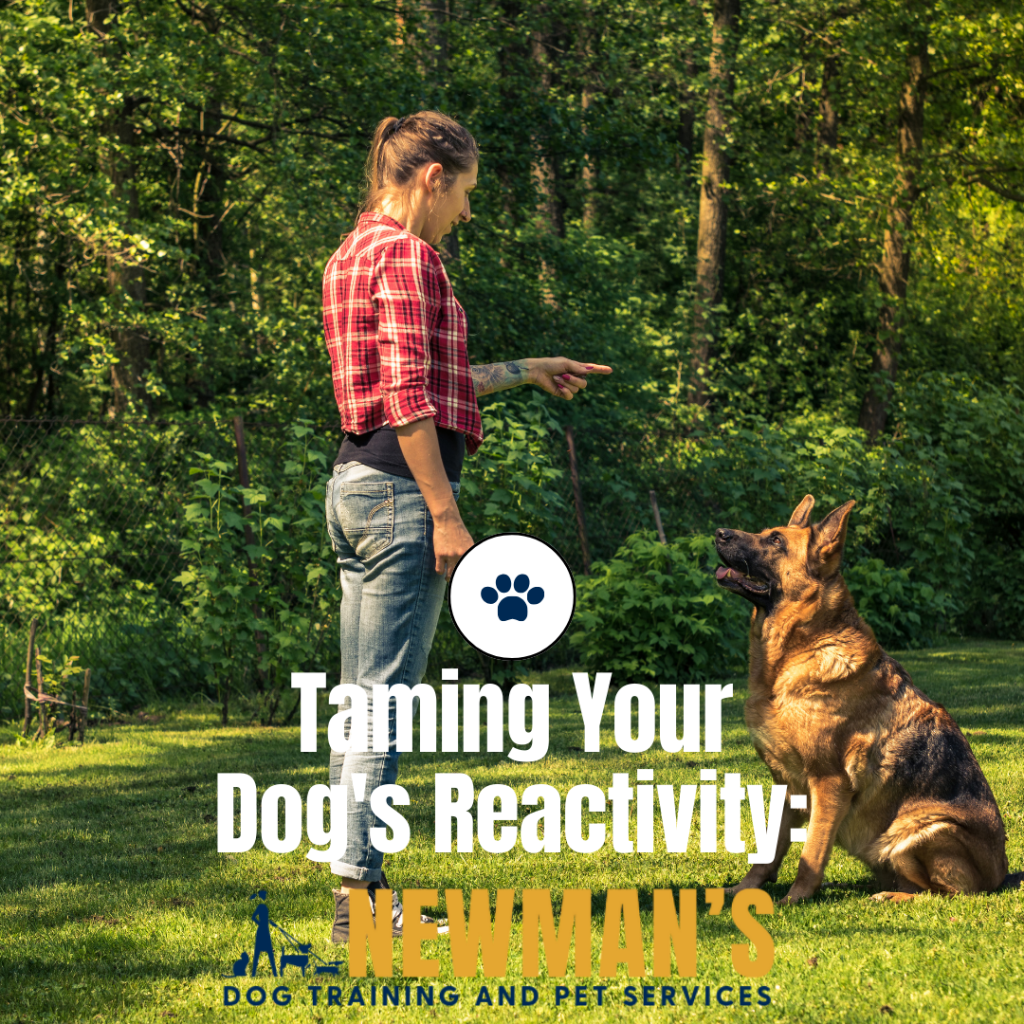
As a result of these techniques, pet owners can expect not only a well-trained dog, but also a happy and confident companion. Some popular techniques include clicker training, where a clicker sound marks the exact behavior being rewarded, making it clear to the dog what they did right, and using high-value treats that are especially appealing to your dog—possibly even something they don’t receive every day.
Exploring Practical Applications
In real-world situations, positive reinforcement can be applied in various contexts. For example, during walks, if a dog remains calm upon seeing another dog or distraction, rewarding them with praise or a treat reinforces this good behavior. Similarly, if a dog does not bark at a passing car, acknowledging this with a reward helps to solidify the calm behavior.
In summary, embracing positive reinforcement techniques can transform the way dog owners experience training. Through consistency, patience, and the joy of rewarding good behavior, both dogs and their owners can thrive together in a rewarding partnership. With numerous resources available—from online tutorials to local training classes—dog owners are encouraged to explore the potential of these methods, contributing to a more joyous and fulfilling relationship with their furry companions.
Effective Positive Reinforcement Techniques for Dog Training
To harness the full potential of positive reinforcement techniques, it is crucial for dog owners to understand how to effectively implement these strategies in their training sessions. This approach thrives on the premise that behavior which yields favorable outcomes is more likely to be repeated. When effectively employed, these techniques not only foster desirable behaviors but also improve the overall connection between dogs and their owners.
One effective method is the use of clicker training. This technique uses a small device that produces a distinct clicking sound to mark the exact moment a dog exhibits the desired behavior. For instance, if you want to teach your dog to lay down, you would click as soon as your dog lowers to the ground and then immediately follow up with a reward like a treat. The click connects the behavior to the reward, making it easier for the dog to understand precisely what action earned the praise.
Another valuable technique is the use of high-value treats. These are specific rewards that are particularly enticing to your dog and can include small pieces of chicken, cheese, or even commercial dog treats that aren’t part of their regular diet. The key is to choose something that will truly motivate your dog. For instance, if you know your dog loves peanut butter, incorporating it into training as a reward can enhance their enthusiasm during sessions, making learning more effective.
To ensure success with positive reinforcement, dog owners should consider the following tips:
- Consistency is key: The same commands and rewards should be used consistently to reinforce learning.
- Immediate rewards: Always offer the reward immediately after the desired behavior to establish a clear connection.
- Gradual fading: As your dog becomes more proficient, slowly start to reduce the frequency of treats, substituting them with verbal praise or petting.
- Patience and understanding: Every dog learns at different paces, so remain patient and maintain a positive attitude throughout the training sessions.
Incorporating these techniques allows for a more productive training environment. For example, if your dog jumps up on guests in excitement, instead of scolding them, try rewarding your dog for staying calm when someone enters the house. This not only teaches them the desired behavior—remaining calm—but also redirects their attention towards a positive outcome.
Another fascinating aspect of positive reinforcement techniques is how they encourage a dog’s natural instincts. By rewarding behaviors that reflect their innate skills, such as fetching or sniffing objects, you create an enjoyable learning experience. This can be particularly useful in enhancing skills in working dogs, who thrive on tasks that allow them to use their natural abilities.
Overall, understanding and implementing effective positive reinforcement techniques can significantly enhance training outcomes while cultivating a solid, trusting relationship between dogs and their owners. The journey of training becomes not just about teaching commands but about building a deeper connection and mutual respect.
When it comes to Positive Reinforcement Techniques for Dog Training, understanding the various advantages can transform both your training sessions and your dog’s behavior. Here, we explore some key benefits that these techniques bring to the table, further establishing their effectiveness.
| Category | Advantages |
|---|---|
| Enhanced Learning | Dogs are motivated to learn new commands and tricks quickly, as they associate behaviors with positive outcomes. |
| Stronger Bonding | Building trust and respect between the trainer and dog fosters a deeper emotional connection, essential for long-term success. |
This approach to dog training not only imparts skills to your pet but also enhances the relationship you share, creating a harmonious living environment. Understanding and applying these techniques is not merely about obedience; it is about instilling confidence and happiness in your dog. With dedicated practice, you can unlock the potential of your furry companion while ensuring that training sessions are enjoyable for both of you.
Tailoring Techniques to Your Dog’s Unique Personality
When it comes to positive reinforcement techniques, understanding that each dog possesses a unique personality and temperament is pivotal. Just as humans respond differently to various motivators, dogs also have their own preferences for rewards and training styles. This variation calls for a personalized approach to your training regimen, adjusting techniques according to your dog’s individuality.
For instance, some dogs are exuberant and highly social, deriving motivation from playtime with their owners. In such cases, incorporating elements like tug-of-war or fetch as a form of reward can enliven training sessions. Conversely, more reserved dogs might find verbal praises or gentle pats more satisfying. Recognizing these traits and tailoring your methods can dramatically improve their engagement in the training process.
Using Shape Gradually to Foster New Behaviors
Another technique growing in popularity among dog trainers is known as shaping. This method involves breaking down complex behaviors into smaller, more manageable components. By rewarding your dog for progressive steps toward the desired behavior, you can lead them to ultimately achieve the full action. For example, if you want your dog to shake hands, you can start by rewarding them for simply lifting their paw, then for touching your palm, and eventually for completing the full handshake. Such incremental steps help to build confidence and encourage learning through positive experiences.
It’s also essential to note the importance of varying the reward system. Dogs can quickly become desensitized to a particular type of treat or praise if it is consistently offered. To combat this, mix up the rewards—offering treats one day, then toys another, followed by playtime another day. This unpredictability maintains excitement and keeps them motivated throughout the training journey.
Social Reinforcers and Group Training
Social reinforcement can also play a significant role in positive reinforcement training. Dogs are naturally social creatures, and their interactions with both humans and other dogs can significantly impact their learning. Group training classes not only expose your dog to new environments and stimuli but also provide opportunities to learn from observing how other dogs react to commands and rewards. This social aspect can encourage dogs to engage more actively in their training, as they are motivated by both peer influence and the desire to please their owners in a group setting.
Furthermore, incorporating social play as a reward can be particularly effective. For example, rewarding your dog with playtime with another friendly dog or inviting them to join a fun activity with family members can enhance their eagerness to listen and follow commands during training sessions. Socialization serves as a powerful reinforcement method that taps into your dog’s inherent desire for companionship.
The Role of Environment in Training
The physical environment where training takes place also significantly influences the efficacy of positive reinforcement techniques. A calm and distraction-free setting can make it easier for dogs to focus during initial training. As they become more proficient, gradually introducing training in more stimulating environments—like parks or busy streets—can help generalize the learned behaviors, making them reliable in different situations. This progressive exposure is a crucial factor in building your dog’s confidence while promoting consistent behavior outside of training sessions.
By understanding your dog’s unique personality, employing gradual shaping, leveraging social reinforcement, and mindful of the training environment, you can unlock the rich potential of positive reinforcement techniques in dog training. These elements forge not only a learning experience but also a bond built on trust and mutual respect between you and your furry companion.
Conclusion: Building a Stronger Bond Through Positive Reinforcement
Ultimately, positive reinforcement techniques form the cornerstone of effective dog training, fostering a harmonious relationship between owners and their furry companions. By tailoring your training methods to suit your dog’s unique personality and using shaping to recognize and reward incremental progress, you create a supportive learning environment that encourages growth and builds confidence.
Incorporating a diverse range of rewards—not only treats but also playtime, toys, and social interactions—ensures that your dog remains engaged and eager to learn, making training an enjoyable process for both of you. Furthermore, the importance of social reinforcement should not be underestimated. Utilizing group training sessions can enrich your dog’s training experience, offering new challenges and opportunities for socialization that are vital for their emotional well-being.
Moreover, adjusting your training environment can dramatically affect outcomes. A calm space tailored to your dog’s learning phase lays the foundation for success, while gradually introducing more distractions helps develop reliable behavior in various settings. All these components act in concert to enhance the effectiveness of your training, leading to a well-behaved pet who responds reliably to commands.
As you embark on your dog training journey, remember that positive reinforcement is not just a technique but a method of communication—a pathway to deepening the bond with your four-legged friend. Adopting these strategies enriches your dog’s life while creating joyful and lasting memories together. For more insights on dog training, consider exploring books, workshops, or online resources to expand your knowledge and improve your skills.