Strategies for Managing Obesity in Pets through Nutrition
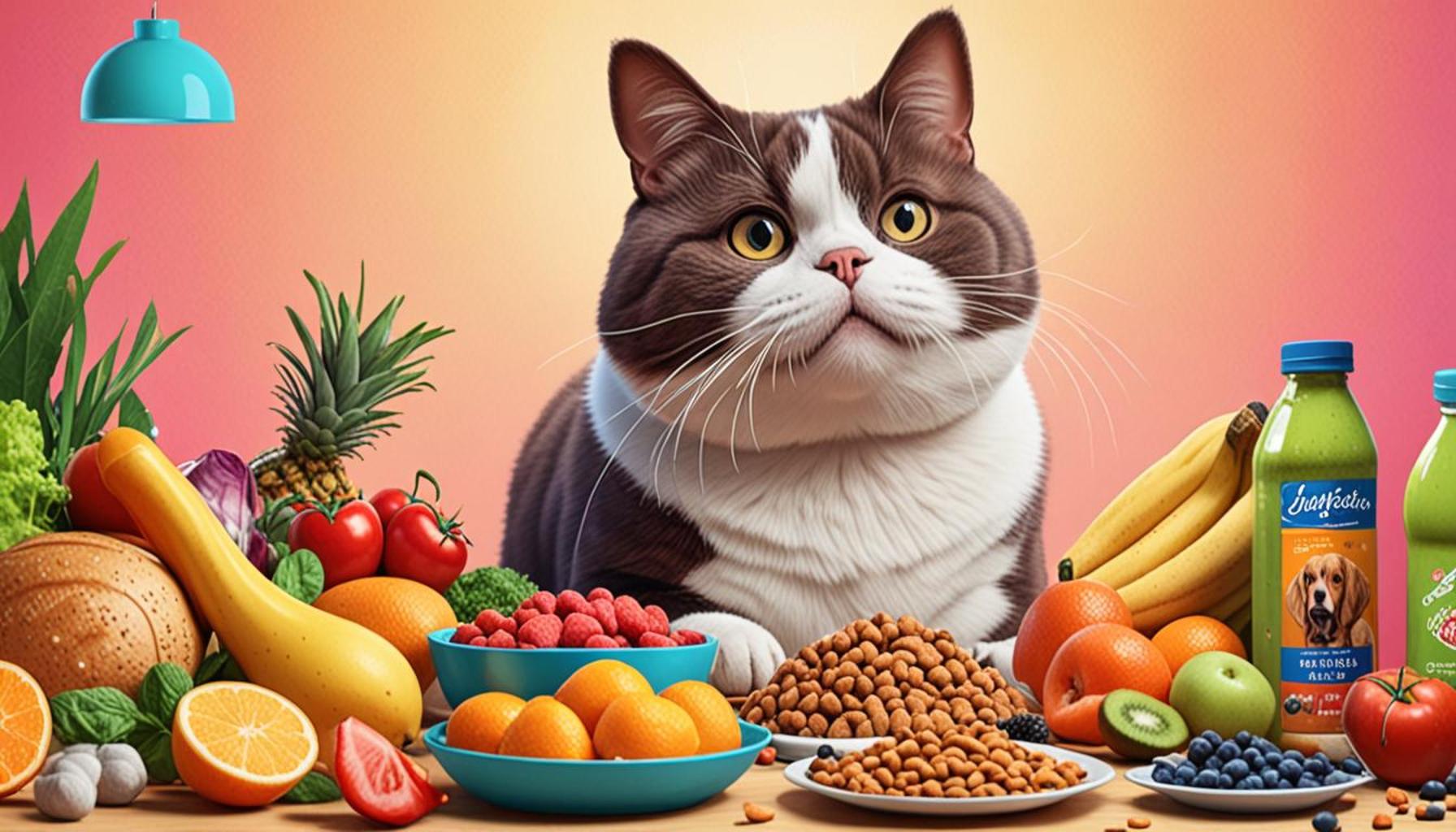
In recent years, pet obesity has emerged as a pressing health issue across the United States, becoming a prominent concern for pet owners and veterinarians alike. Statistics indicate that approximately over 50% of dogs and cats are classified as overweight or obese. This alarming trend not only impacts pets’ health and longevity but significantly alters their overall quality of life, leading to issues such as diabetes, arthritis, and cardiovascular diseases. As loving pet owners, it is crucial to understand the root causes of this epidemic and take proactive steps to combat it.
The Importance of Nutrition
Effective management of pet obesity begins with a comprehensive understanding of nutrition. A well-thought-out diet can play a transformative role in helping pets achieve and maintain their ideal body weight. Here are some essential factors to consider:
- Ingredients: Look for high-quality protein sources, such as real meat or fish, as the first ingredient in pet food. Additionally, ensure the food contains essential nutrients like vitamins and minerals that contribute to overall health.
- Portion Control: One of the most significant contributors to obesity is overeating. Monitor and measure food servings diligently, using tools like measuring cups or a kitchen scale to ensure accuracy. Many pet food guidelines specify serving sizes; adhering to these recommendations is crucial.
- Treats: While treats can be an essential part of positive reinforcement in training, it’s vital to limit high-calorie options. Instead, opt for healthier alternatives like carrot sticks, green beans, or blueberries, which offer nutritional benefits without the excessive calories.
Incorporating these dietary changes can lead to significant improvements in your pet’s health. Furthermore, consulting with a veterinarian to create a personalized nutrition plan is critical. Engaging in regular discussions will allow pet owners to understand their companion’s unique dietary needs better, taking into consideration factors like age, breed, and activity level.
Behavioral Strategies
In addition to nutrition, behavioral adjustments are pivotal in managing pet weight. Here are several practices that can facilitate this goal:
- Regular Exercise: Physical activity is essential for maintaining a healthy weight. Daily walks, playing fetch, or engaging in interactive play can prevent weight gain while strengthening the bond between pet and owner.
- Consistent Routine: Establishing regular feeding and activity schedules can greatly help regulate your pet’s metabolism. By feeding at the same times each day and ensuring a set time for exercise, you encourage healthy habits that can lead to lasting weight management.
- Monitoring Progress: Regular weigh-ins are an effective method for tracking your pet’s weight management efforts. Keeping a log of their weight and adjusting their diet and exercise plans accordingly can lead to sustained success.
Exploring these strategies further can lead to healthier and happier pets, making it a rewarding endeavor for both owners and their furry companions. By taking proactive steps and educating oneself on the importance of nutrition and behavior, pet owners can contribute to their pets’ overall well-being and longevity.

DISCOVER MORE: Click here for expert tips
Understanding Pet Nutrition for Weight Management
To effectively manage pet obesity, it is essential to delve into the realm of pet nutrition. Nutrition not only affects weight but can influence the overall health and vitality of your furry friends. Adopting informed feeding strategies can create a foundational shift in your pet’s lifestyle, leading to a healthier and longer life. Here are some pivotal elements to consider when formulating your pet’s diet:
- Quality Ingredients: The first step in selecting the right pet food is ensuring it contains high-quality ingredients. Look for protein sources, such as real chicken, beef, or fish, prominently listed as the primary ingredients. Foods enriched with wholesome grains, fruits, and vegetables can also provide essential nutrients and fibers that are beneficial for digestion and satiety.
- Caloric Density: Not all pet foods are created equal when it comes to calorie content. High-calorie diets can lead to rapid weight gain, so it is crucial to choose food with lower caloric density, particularly if your pet is overweight. Consulting with your veterinarian to determine the optimal caloric intake for your pet can make a significant difference in their weight management journey.
- Hydration: Adequate hydration plays a vital role in your pet’s diet and overall health. Always provide fresh and clean water, as hydration aids in metabolism and supports active lifestyles. Wet food or adding water to dry food can also be a way to increase hydration levels while providing nutrients.
- Meal Composition: When devising a diet plan, consider the composition of your pet’s meals. A healthy balance of protein, fats, and carbohydrates is crucial. Increasing protein and fiber while reducing fats can provide more satiety with fewer calories, helping your pet feel full without overeating.
Implementing these dietary considerations is not merely about choosing the right food; it captures the essence of a comprehensive approach to weight management. Regular consultations with a veterinarian allow for adjustments and personalized nutrition plans, taking into account your pet’s breed, age, activity level, and health status.
Building Healthy Habits
In addition to nutritional strategies, establishing healthy habits is vital for sustainable weight management in pets. Incorporating specific practices into your daily routine can significantly bolster your efforts:
- Limit Free-Feeding: Allowing pets to graze throughout the day can lead to excessive calorie intake. Instead, implement scheduled feeding times to control portions and help monitor food intake meticulously.
- Encourage Slow Eating: Fast eating can contribute to overeating and digestive issues. Use puzzle feeders or slow-feed bowls to encourage a more leisurely eating pace, improving digestion and preventing bloating.
- Healthy Snacking: Treats should not exceed 10% of your pet’s daily caloric intake. To prevent excessive calorie counts, opt for low-calorie snacks or fresh fruits and vegetables as an alternative to commercial pet treats.
By fostering an environment conducive to healthy eating habits and implementing smart nutritional choices, pet owners can significantly combat the alarming trend of obesity in pets. In the pursuit of a healthier lifestyle for furry companions, knowledge and consistent application of these strategies will pave the way for the positive outcomes both owners and pets seek.
Understanding Pet Obesity
Pet obesity is a growing concern, affecting the health and quality of life of millions of pets worldwide. This condition often arises from a combination of factors including overfeeding, lack of exercise, and even genetic predispositions. Consequently, pet owners must recognize the signs of obesity in their furry companions, such as difficulty in mobility, lethargy, and a noticeable increase in body weight. By understanding these factors, pet owners can initiate effective nutritional strategies aimed at promoting a healthy weight.
Nutritional Strategies for Weight Management
Effective management of obesity in pets begins with a comprehensive understanding of their nutritional needs. Selecting the right food is vital; opt for pet foods that are designed specifically for weight management. These options are typically low in calories but high in fiber, which helps pets feel full without overeating. Additionally, it is essential to maintain a regular feeding schedule. Portion control plays a significant role in reducing overall calorie intake. Measuring food portions accurately can prevent unintentional overfeeding.
Incorporating Exercise Alongside Nutrition
Nutritional value is only one part of the equation when managing pet obesity. Regular physical activity must complement a well-balanced diet. Activities such as daily walks, playtime, and even engaging in interactive games can significantly assist in burning excess calories. Establishing a routine of activity not only aids in weight management but also enhances the overall well-being of pets.
| Category | Advantages |
|---|---|
| Balanced Diet | Promotes healthy weight loss while maintaining energy levels. |
| Regular Exercise | Enhances cardiovascular health and improves mood. |
In summary, the path to managing obesity in pets through nutrition combines a thorough understanding of their dietary needs, establishing a consistent feeding regimen, and pairing it with adequate exercise. By implementing these strategies, pet owners can improve their pets’ health, ensuring a happier, more active life.
DISCOVER MORE: Click here to enhance your pet’s well-being
Integrating Exercise with Nutrition for Optimal Weight Management
While proper nutrition forms the backbone of effective weight management in pets, integrating regular exercise into their daily routine can significantly enhance the results. Both diet and physical activity are essential components of a holistic approach to tackle pet obesity. Understanding how these elements interact can help pet owners foster healthier lifestyles for their beloved companions.
- Customizing Exercise Plans: Every pet has different exercise needs based on their age, breed, and fitness level. A young retriever may thrive on vigorous activity such as running or playing fetch, while a senior cat might prefer gentle play sessions. Tailoring exercise regimens to meet your pet’s individual needs encourages engagement and reduces the risk of injury while ensuring they burn calories safely.
- Making Exercise Fun: Exercise shouldn’t feel like a chore for pets. Incorporating engaging activities, such as agility training or interactive toys, can make physical activity enjoyable. Consider taking your dog on nature hikes or setting up obstacle courses in your backyard. For cats, laser pointers or feather wands can ignite their natural predatory instincts and keep them active.
- Consistency is Key: Just as with dietary changes, creating a consistent exercising schedule helps reinforce good habits. Aim for at least 30 minutes of moderate exercise daily for dogs, while cats may benefit from shorter, multiple sessions of active play. Regularity helps pets adapt to their routines, making it a seamless part of their lifestyle.
Incorporating exercise alongside improved nutrition not only supports weight management but also fosters emotional well-being by promoting mental stimulation and social bonding. Engaging in joint activities encourages a stronger connection between pet and owner while making the weight loss process more enjoyable.
Understanding the Role of Nutritional Supplements
As a part of a comprehensive strategy in managing obesity in pets, the addition of certain nutritional supplements can also play a role in enhancing their diets. However, it is essential to approach supplementation with care and informed guidance:
- Fiber Supplements: Increasing fiber in your pet’s diet can promote fullness, aiding in weight management. Consider adding pumpkin or psyllium husk to meals, which can improve digestive health while helping pets feel satisfied with fewer calories.
- Omega Fatty Acids: Omega-3 and omega-6 fatty acids are known for their anti-inflammatory properties and can contribute to overall health. These supplements not only support weight loss by improving metabolic rates but can also enhance skin and coat health, which is an added benefit for many pets, especially those prone to skin irritations.
- Joint Health Support: For overweight pets, maintaining joint health is critical, as extra weight can exacerbate joint issues. Glucosamine and chondroitin supplements can protect joint integrity and aid mobility, enabling pets to engage in more physical activities comfortably.
Before adding any supplements to your pet’s regimen, it is crucial to consult with a veterinarian. They can provide recommendations based on your pet’s unique needs and prevent any potential interactions with their current diet or medications.
Staying Updated with Industry Trends
The pet food industry continues to evolve with frequent developments in nutritional science. Staying informed about new research and advancements can assist pet owners in making more effective dietary choices:
- Emerging Diet Trends: Grain-free and high-protein diets have gained popularity, yet they are not suitable for all pets. Understanding the implications of these trends through credible research ensures informed decisions regarding your pet’s health.
- Natural and Holistic Options: Many pet owners are turning towards natural and holistic diets. Looking into organic or minimally processed foods can yield health benefits, but thorough research is necessary to ensure that these options provide balanced nutrition.
- Veterinary Guidance: Regular consults with veterinarians, nutritionists, or pet dietitians can help you stay ahead of industry changes, dietary recommendations, and overall pet health management.
In the quest for sustainable weight management in pets, combining nutrition, exercise, and informed supplementation proves essential. Each strategy contributes to a well-rounded approach that nurtures a happier, healthier life for our furry companions.
DISCOVER MORE: Click here to learn about the benefits of veterinary telemedicine
Conclusion
Effectively managing obesity in pets through nutrition requires a multifaceted approach that balances dietary modifications, exercise routines, and the incorporation of nutritional supplements. As pet owners, understanding the unique needs of our furry companions fosters a healthier lifestyle and promotes their overall well-being. By customizing nutrition plans that emphasize quality ingredients, portion control, and the right balance of nutrients, we can significantly impact our pets’ weight and health. Moreover, integrating engaging physical activities provides not only the necessary calorie burn but also enriches the bond between pet and owner, enhancing both physical and emotional welfare.
Being informed about emerging trends in the pet food industry is equally vital. With constant advances in nutritional science, staying updated allows pet owners to make knowledgeable choices that align with their pets’ specific needs. Regular consultations with veterinarians can further tailor weight management strategies to incorporate the latest insights and best practices, including the use of beneficial supplements.
In conclusion, the fight against pet obesity is a responsibility that extends beyond simple dietary changes. It invites an ongoing commitment to our pets’ health and happiness through a combination of smart nutrition, enjoyable exercise, and professional guidance. By adopting these strategies, we not only work toward achieving healthier weights for our pets but also pave the way for longer, more joyful lives filled with activity and love.