Superfoods Unpacked: Myths and Realities for Everyday Nutrition
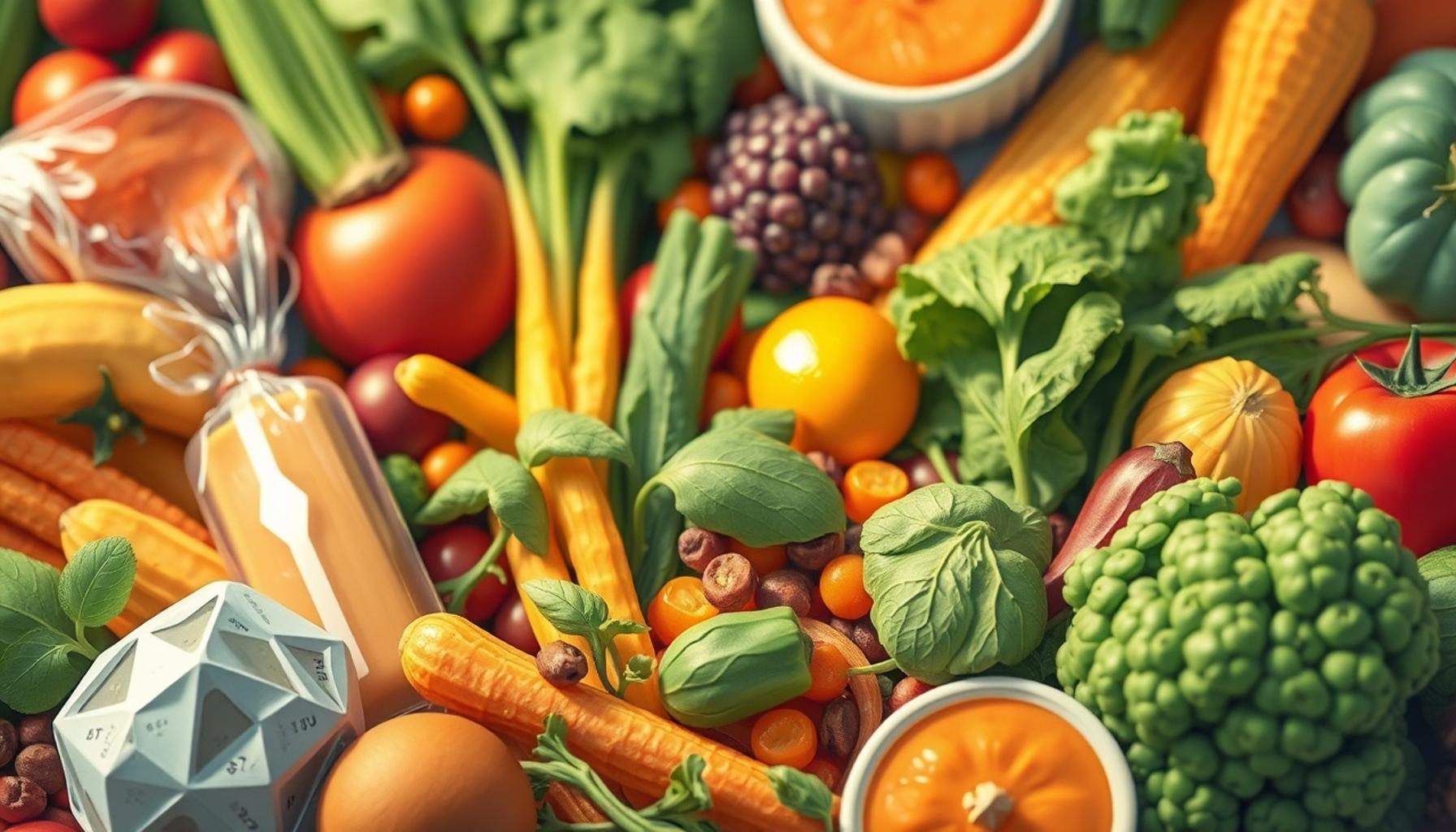
The Allure of Superfoods
Everywhere you turn, the term superfoods pops up, promising to enhance your health effortlessly. But what do these buzzwords mean for your daily nutrition? These nutrient-dense foods are often promoted as the key to improved health, weight loss, and longevity. However, it’s vital to discern fact from fiction when navigating the expansive world of superfoods.
What Are Superfoods?
Defining a superfood can be complex. Often touted for their exceptional health benefits, superfoods include:
- Blueberries – These tiny fruits are a powerhouse of antioxidants, particularly anthocyanins, which are known to protect the body against oxidative stress and inflammation. Studies suggest that regular consumption may improve heart health and cognitive function.
- Quinoa – Frequently referred to as a super grain, quinoa is unique in that it is a complete protein, containing all nine essential amino acids. This makes it an excellent choice for vegetarians and vegans looking for a nutritious protein source.
- Kale – Often called a nutritional powerhouse, kale is loaded with vitamins A, C, and K, as well as minerals like calcium. It is versatile and can be enjoyed in salads, smoothies, or baked into chips, providing a powerful boost to any meal.
- Chia seeds – High in omega-3 fatty acids, fiber, and protein, chia seeds can play a critical role in heart health and digestion. Their ability to absorb liquid makes them an excellent addition to smoothies or as a thickening agent for puddings.
Dispelling the Myths
Many of us are drawn to these superfoods, hoping for miracle results. However, the reality is often less extraordinary:
- Not a magic bullet – While superfoods are nutritional powerhouses, they are not a fix-all solution. Their benefits are maximized when included as part of a balanced diet rich in variety.
- Marketing ploys – The term “superfood” is often used as a marketing tactic. Products that claim to be superfoods may not necessarily be more healthy than traditional staples, like a well-rounded diet of fruits and vegetables.
- Accessibility issues – Not everyone can afford or find these foods. For many, items like quinoa or goji berries may be luxury items rather than staples, making the pursuit of a superfood-dominated diet unattainable.
Incorporating Superfoods Into Your Diet
As we dive deeper into the world of superfoods, it is crucial to distinguish fact from fiction. Consider simple ways to integrate these nutrient-rich foods into your meals:
Start by adding a handful of blueberries to your morning oatmeal or yogurt. Prepare a hearty quinoa salad packed with seasonal vegetables and a light vinaigrette for lunch. Incorporating kale into a smoothie or making kale chips can enhance your vegetable intake. Lastly, sprinkling chia seeds on your breakfast or mixing them with nut milk for a delicious pudding offers a fulfilling snack.
Join us as we explore how to incorporate these nutrient-rich foods into your everyday meals, ensuring that you make informed choices about your nutrition. Whether you choose to buy fresh produce from local farmers’ markets or opt for easy-to-store seeds and grains, understanding the role of superfoods can empower you to make better dietary decisions without falling prey to misleading claims.
Understanding Superfoods: Nutritional Giants or Overhyped Trends?
The term superfoods has captivated the attention of health enthusiasts and casual consumers alike. Often celebrated for their high concentrations of vitamins, minerals, and antioxidants, these foods promise a range of health benefits that can seem almost too good to be true. But what underpins this popularity? Are superfoods genuinely superior, or are they simply part of a clever marketing strategy? To answer this question, let’s delve into the components and classifications of superfoods, focusing on both their merits and limitations.
The Nutritional Breakdown
To grasp the idea behind superfoods, it’s essential to understand their nutritional profile. Superfoods typically include various categories of food that boast an array of health benefits, including:
- Fruits and Berries – Foods like acai berries, ginseng berries, and kiwifruit are rich in antioxidants, which combat oxidative stress and reduce inflammation.
- Leafy Greens – Greens such as spinach and broccoli provide essential vitamins and minerals while being low in calories, acting as a nutrient-dense addition to any meal.
- Nuts and Seeds – Incorporating foods like walnuts, almonds, and flaxseeds adds healthy fats, fiber, and protein to your diet, supporting heart and brain health.
- Legumes and Grains – Items like lentils and brown rice are excellent sources of plant-based protein, fiber, and essential minerals, providing substantial health benefits.
These foods often gain their superfood status through scientific research highlighting their potential health benefits. For example, numerous studies have suggested that a diet rich in antioxidants may lower the risk of chronic diseases such as heart disease and diabetes. However, while the idea of these foods is appealing, it’s crucial to look beyond surface-level claims.
The Pitfalls of Superfood Culture
An obsession with superfoods can inadvertently lead to a few common pitfalls:
- Neglecting Variety – Focusing too heavily on a select few “super” items may detract from the overall balance of a diet. Eating a wide variety of foods ensures you receive an extensive range of nutrients needed for optimal health.
- Overemphasis on Single Foods – Many believe that simply incorporating superfoods into their diet will yield miraculous results. However, true health benefits arise from an overall lifestyle that includes regular physical activity, sufficient sleep, and mindful eating habits.
- Chasing Fads – As new superfoods emerge, older options are often sidelined. This pattern can lead to a rotating cast of foods in and out of favor, resulting in confusion regarding what constitutes a healthy diet in the first place.
Recognizing these pitfalls allows for a more mindful approach to nutrition, emphasizing sustainability and balance rather than trendy diets. As we unravel the complexities of superfoods, it becomes evident that while they hold substantial promise, they should be seen as part of an integrated dietary pattern rather than standalone solutions. The journey to understanding superfoods is just beginning, and exploring their true potential can lead to empowered decisions in daily nutrition.
Unveiling the Truth Behind Superfoods
In recent years, the term “superfoods” has gained immense popularity in discussions about health and nutrition. While they are often marketed as miraculous foods with extraordinary health benefits, it is essential to delve deeper and understand both the myths and realities surrounding them. A variety of foods are labeled as superfoods, including acai berries, kale, and quinoa, each boasting high nutrient content. But what does science really say about these claims? Firstly, it’s crucial to understand that no single food can provide all the nutrients your body needs. While superfoods are indeed nutrient-dense, they should be incorporated into a balanced diet rather than being relied on as the sole source of nutrition. Additionally, the health benefits attributed to these foods often stem from an overall healthy lifestyle that includes a variety of foods, regular exercise, and adequate rest.Moreover, the marketing of superfoods can sometimes exaggerate the benefits. For instance, while blueberries are high in antioxidants, they are not a panacea for all health issues. It’s important for consumers to be cautious of overstated claims and to prioritize evidence-based nutrition over fad diets. Now, let’s take a closer look at some of the advantages of incorporating superfoods into your diet, highlighting their actual impact on health through a simplified table format.
| Category | Advantages |
|---|---|
| Nutrient Density | Superfoods typically contain a high concentration of vitamins, minerals, and antioxidants that can contribute to overall health. |
| Disease Prevention | Regular consumption of superfoods can help reduce the risk of chronic diseases like heart disease and diabetes, providing a proactive approach to health. |
Exploring the real benefits of superfoods requires a balanced perspective. The *key* to utilizing these foods effectively lies not only in understanding their properties but also in incorporating them wisely into your everyday meals. Seek variety, stay informed, and make choices that support your overall health for lasting nutritional benefits.
Debunking the Myths: Separating Fact from Fiction
As the popularity of superfoods continues to rise, so too does the spread of misinformation surrounding them. The term “superfood” can often paint a misleading picture, leading consumers to believe that these foods can single-handedly resolve health issues or replace essential dietary components. Let’s delve deeper into some prevalent myths of superfoods, illustrating the realities behind the buzz.
Myth 1: Superfoods Are a Cure-All
One of the most pervasive misconceptions about superfoods is the belief that they can cure diseases or restore health instantly. While foods like blueberries and kale are undoubtedly beneficial, they are not panaceas. For instance, a study published in the Journal of Nutrition highlights that while antioxidants found in superfoods support health, they cannot completely mitigate the effects of poor diet, lack of exercise, or genetic predispositions. True health management requires a comprehensive approach, integrating regular exercise, stress management, and a balanced diet with a variety of foods.
Myth 2: Superfoods Are Only Expensive Exotic Imports
Another common belief is that superfoods are solely expensive or exotic products that may not be accessible to everyone. While foods like quinoa and açaí have garnered a high price tag due to their growing demand, many nutrient-dense foods are both affordable and locally sourced. Beans, lentils, oats, and seasonal fruits, for instance, are incredibly nutritious and economically viable alternatives. Community-supported agriculture (CSA) can also provide affordable access to fresh local produce, allowing consumers to reap the benefits of superfoods without breaking the bank.
Myth 3: You Must Consume Large Quantities
There’s a notion that one must consume vast quantities of superfoods to experience any health benefits. However, research suggests that moderation is key. A few servings of nutrient-rich foods, whether they are spinach, chia seeds, or sweet potatoes, can fit seamlessly into a balanced diet. The DASH diet emphasizes the importance of moderation and suggests that this approach will lead to better health outcomes than overloading on specific foods. Ultimately, integrating small amounts of various superfoods alongside other wholesome foods is a more practical strategy.
The Importance of Contextualizing Superfoods
It’s essential to recognize that the effectiveness of superfoods can vary from person to person, based on individual health needs, dietary restrictions, and cultural factors. For instance, while kale may be heralded as a superfood in one diet, it may not be suitable for someone with a thyroid condition due to its goitrogen content. This highlights the importance of personalization in nutrition, emphasizing that what’s beneficial for one may not hold the same advantages for another.
In essence, the allure of superfoods can veil the more profound truth about nutrition: no single food holds the key to wellness. By debunking these myths and embracing a broader perspective on nutrition, one can create a diet that is both enriching and sustainable, focusing on variety and balance rather than trying to chase the latest health trends. Through increased awareness and a willingness to explore diverse dietary sources, consumers can navigate the evolving landscape of superfoods more effectively.
Conclusion: Embracing a Holistic Approach to Nutrition
In a world awash with dietary trends and health claims, understanding the role of superfoods is essential for making informed choices about nutrition. As we have explored, the term “superfood” can often be shrouded in myth, leading to unrealistic expectations about their health benefits. Superfoods are not miracle cures, nor are they solely limited to exotic imports; rather, they represent a subset of nutrient-dense foods that can enhance a balanced diet when consumed in moderation.
As individuals seek to improve their health, it becomes clear that the most sustainable approach lies not in chasing after the latest superfood fad but in embracing a diverse array of whole foods. Integrating plenty of seasonal fruits, vegetables, whole grains, and protein sources into our meals facilitates a well-rounded diet that provides rather than restricts. As the DASH diet emphasizes, moderation, variety, and personalization are key—what nourishes one person may not necessarily benefit another.
Ultimately, the conversation around superfoods should pivot towards a deeper understanding of nutrition as a holistic practice that values context, individual needs, and overall lifestyle choices. With newfound awareness and a commitment to inclusivity in our diets, consumers can better navigate the evolving landscape of nutrition. Thus, as we unpack superfoods, let us focus not merely on trends but on fostering a nourishing relationship with food that supports lasting wellness.