The Benefits of Outdoor Physical Activities: Connecting with Nature for a Healthier Life
The Multifaceted Benefits of Outdoor Engagement
Engaging in outdoor physical activities presents unparalleled advantages for both body and mind. As individuals increasingly face sedentary lifestyles, the call to explore the great outdoors becomes more important. Connecting with nature is not just a pastime; it is a vital contributor to a healthier and more fulfilling life.
Research indicates that outdoor activities can lead to significant benefits, including:
- Improved Physical Health: Regular outdoor exercise can significantly reduce the risk of chronic diseases such as obesity, diabetes, and heart conditions. For instance, studies have shown that just 30 minutes of walking in a park can help lower blood pressure and improve cardiovascular fitness.
- Mental Well-being: Nature has a remarkable effect on reducing symptoms of anxiety and depression. Activities like hiking or simply sitting in a garden can elevate mood and decrease stress levels. A study from Stanford University found that people who walk in nature report lower levels of rumination—repeatedly thinking about distressing events—compared to those who walk in urban environments.
- Enhanced Social Connections: Group activities in nature promote camaraderie and strengthen community bonds. Joining a local hiking club or participating in community beach cleanups can create lasting friendships and develop a sense of belonging. These social interactions not only improve one’s mood but also foster support networks that are essential for emotional health.
Moreover, being in nature provides invaluable benefits like fresh air and natural sunlight, both essential for optimal health. Fresh air increases oxygen flow, which can enhance brain function and energize the spirit. Sunlight, on the other hand, is a natural source of Vitamin D, which is crucial for bone health and immune function. A simple walk in the sunshine can stimulate the production of serotonin, a brain chemical that contributes to feelings of well-being and happiness.
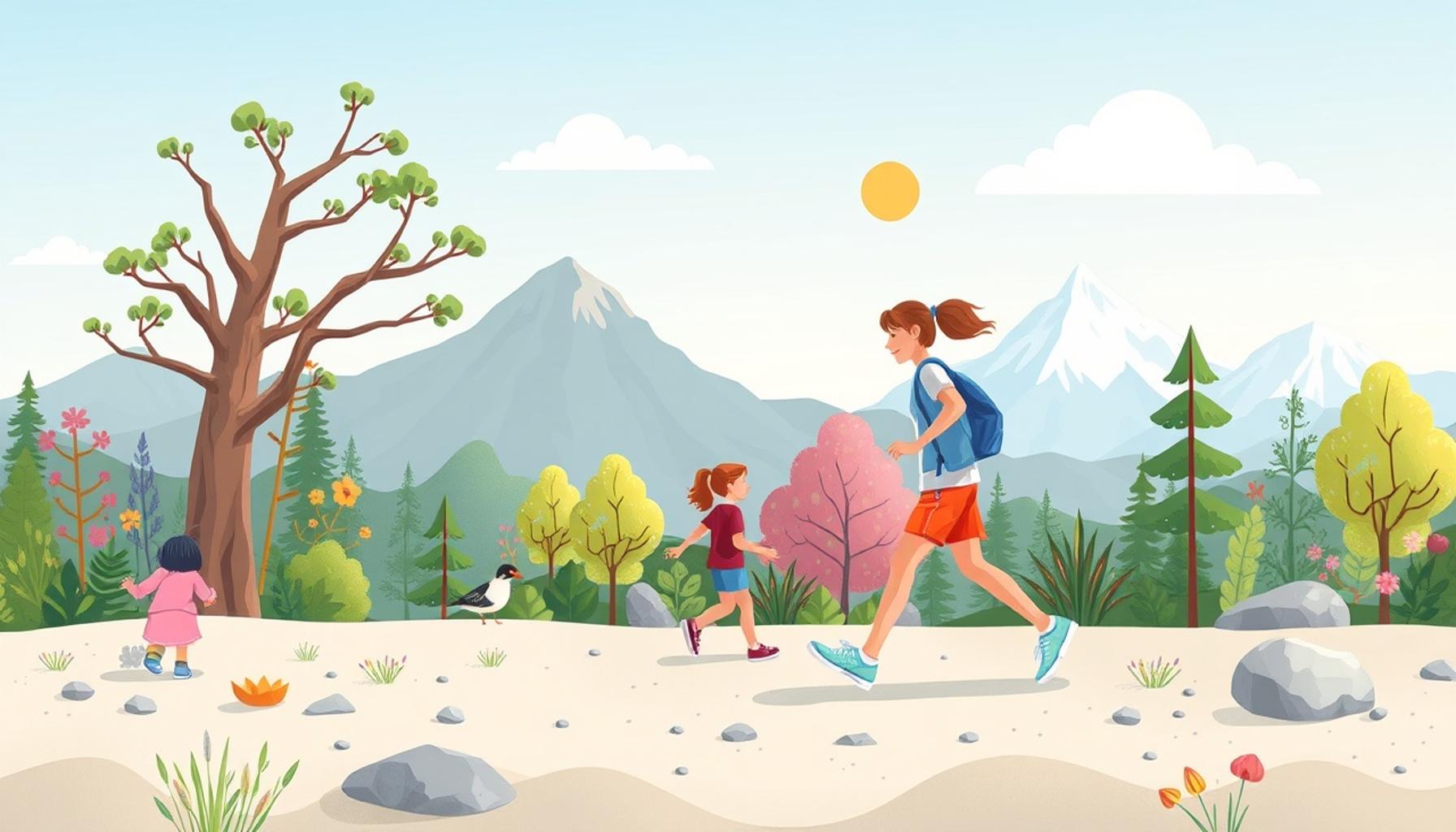
Outdoor physical activities not only invigorate the body but also enhance overall quality of life. Activities such as kayaking, rock climbing, or gardening can serve as both physical workouts and mental refreshers. Embracing these practices can serve as a transformative journey towards better health, encouraging individuals to step outside and explore the myriad benefits awaiting them. As the seasons change, consider planning regular outdoor excursions—whether it’s a weekend hike in the Appalachian Mountains, a refreshing swim at the beach, or a leisurely bike ride through the local park—to fully immerse yourself in the restorative powers of nature.
Reaping the Rewards of Nature
Outdoor physical activities encompass a vast array of options, offering something for everyone, regardless of age or fitness level. What many may not realize is that the benefits extend far beyond physical fitness; they reach into emotional, social, and even cognitive realms. By immersing ourselves in nature, we cultivate a holistic health experience that nourishes the body and soul.
One of the most compelling reasons to engage in outdoor physical activities is the potential for improved physical health. According to the Centers for Disease Control and Prevention (CDC), only 23% of adults in the United States get the recommended amount of aerobic exercise. Engaging in an outdoor activity like jogging, cycling, or playing soccer can not only increase cardiovascular fitness but also contribute to weight management. Furthermore, the impact of outdoor exercise on special populations—such as children and the elderly—can lead to improved bone density, enhanced muscle strength, and greater agility.
- Hiking: This popular outdoor activity not only improves cardiovascular health but also builds muscle endurance. Many parks across the U.S., like the Great Smoky Mountains and Yosemite, offer trails suited for all levels.
- Cycling: Riding a bike outdoors can burn approximately 300 calories per hour. Public parks and outdoor trails offer scenic routes that encourage exploration and fitness.
- Gardening: Surprisingly, gardening counts as a physical activity! This serene pursuit can burn around 200-300 calories per hour while providing varied health benefits, including increased flexibility and stress relief.
Mental well-being is another crucial benefit of outdoor engagement that deserves attention. A growing body of research highlights the link between nature exposure and mental health improvements. For instance, a study published in the journal “Environmental Science & Technology” found that participants who spent time outdoors showed a marked increase in feelings of vitality and overall well-being. Activities involving nature, such as walking in a botanical garden or meditating by a serene lakeside, can significantly decrease cortisol levels, the hormone associated with stress. Interestingly, even engaging with nature through virtual experiences, like nature-themed videos, can still yield mental health improvements, although nothing matches the benefits of real-life exposure.
Moreover, outdoor activities create natural opportunities for enhanced social connections. Engaging in group sports or community events fosters a sense of togetherness and belonging that is essential for emotional health. Numerous studies have indicated that individuals with strong social ties tend to be happier and healthier. Whether it’s joining a local soccer league or taking part in community fitness events, these shared experiences create bonds that last a lifetime. This participation in outdoor activities can encourage individuals to meet new people, build relationships, and strengthen their support networks.
Beyond physical and mental health benefits, outdoor activities offer something that’s often overlooked: a connection to the environment. Nature’s beauty can inspire mindfulness and appreciation for our surroundings, as seen in the popular surge of eco-tourism and sustainable travel practices. Whether you’re exploring the pristine beaches of Hawaii or the verdant forests of the Pacific Northwest, each outdoor adventure presents a chance to explore a deeper understanding of our planet’s diverse ecosystems.
| Category | Benefits |
|---|---|
| Physical Health | Engaging in outdoor physical activities strengthens cardiovascular health and improves overall fitness. |
| Mental Well-Being | Outdoor activities promote mental clarity and can help reduce symptoms of anxiety and depression. |
| Environmental Connection | Spending time in nature enhances appreciation for the environment, fostering a desire to protect our planet. |
| Social Interaction | Participating in group outdoor activities facilitates social bonds and enhances community connections. |
| Increased Creativity | Nature exposure has been linked to improvements in creativity and problem-solving skills. |
The role of outdoor physical activities is invaluable for not just physical health, but also for enhancing our overall quality of life. Engaging in these activities allows individuals to step away from their daily stressors and immerse themselves in the calming aesthetics of nature. Regular exposure to natural settings has proven to uplift mood and revive the spirit. Plus, the chance to engage with others in shared pursuits can lead to forming lasting friendships.Moreover, outdoor activities have been shown to amplify the body’s production of serotonin, often referred to as the “feel-good” hormone, which further explains why many people experience feelings of elation while hiking, biking, or simply strolling through a park. By incorporating outdoor activities into one’s routine, not only is physical fitness improved, but a holistic approach to well-being is achieved. This connection ultimately paves the way toward a healthier life, merging physical vitality with mental resilience. Through consistent outdoor involvement, individuals may also discover newfound passions and interests that contribute to a more fulfilling lifestyle.
Embracing a Wholesome Lifestyle through Nature
In addition to physical health, cognitive benefits also emerge as surprising allies when engaging in outdoor activities. The brain benefits immensely from exposure to natural environments. Studies indicate that spending even a small amount of time outdoors can enhance cognitive functions such as memory, attention, and problem-solving abilities. A notable experiment conducted by the University of Utah demonstrated that individuals who immersed themselves in natural settings exhibited 50% higher creative problem-solving abilities compared to those who remained indoors. This finding underlines the potential of outdoor environments to foster innovative thinking and efficiency in daily tasks.
Moreover, outdoor physical activities provide invaluable opportunities for personal development and resilience. When individuals challenge themselves in nature—whether it’s conquering a steep hiking trail or learning to navigate while kayaking—they not only enhance their physical capabilities but also build perseverance and self-confidence. Such experiences encourage individuals to step outside their comfort zones and foster a sense of accomplishment, which can deeply influence other areas of their lives, including work and personal relationships. Programs such as Outward Bound, which employs outdoor challenges for individual growth, highlight this transformative power.
For families, engaging in outdoor activities promotes bonding and quality time. The hectic pace of modern life often limits family interaction. However, outdoor adventures like camping, biking, or nature walks offer a chance to disconnect from devices and reconnect as a unit. Activities such as geocaching or even a weekend trip to a national park can provide a fun platform for families to work together, fostering stronger relationships and creating lasting memories. According to the National Park Service, over 300 million people visit national parks each year, seeking not only the beauty of nature but also the solitude and togetherness these experiences can offer.
Outdoor activities also present an opportunity for developing a deeper appreciation for healthy habits. Engaging in consistent outdoor exercise encourages individuals to adopt improved dietary choices and healthier lifestyles. An increase in physical activity is often correlated with an increased desire for nutritious foods, contributing to overall health and wellness. This “cycle of health” can be transformative, as communities witness shifts towards more sustainable living. Local initiatives have sprung up nationwide, such as community gardens and farmers’ markets, to emphasize the importance of fresh produce. Furthermore, the lavish bounty of summertime farmer’s markets serves as a perfect incentive for those who engage in outdoor activities, encouraging active participation in local food movements.
Finally, integrating outdoor activities into daily life serves as a powerful antidote to the growing epidemic of mental health disorders. The World Health Organization reports a rising trend in anxiety and depression across various demographics. Engaging in outdoor physical activities not only reduces stress factors but also promotes mindfulness—an essential mental health practice. Activities such as yoga on the beach, tai chi in park spaces, or simply meditating in nature maximize the mental clarity and emotional calmness that can restore balance to our often turbulent lives. Surveys indicate that over 90% of participants in outdoor wellness programs reported feeling more relaxed and rejuvenated after just a short engagement with nature.
In conclusion, the wide-ranging benefits of outdoor physical activities, from improved mental acuity to enhanced familial bonds, solidify their importance in our lives. Whether individuals seek fitness, fulfillment, or fresh air, immersing oneself in nature proves to be a robust pathway toward a healthier lifestyle.
Conclusion: Reaping the Rewards of Nature’s Embrace
Engaging in outdoor physical activities offers a compelling array of benefits that extend far beyond mere physical fitness. By immersing ourselves in the beauty and tranquility of nature, we unlock essential cognitive enhancements, nurture personal development, and strengthen familial bonds. The evidence is clear: nature not only revitalizes our bodies but also sharpens our minds and enriches our emotional well-being.
As we navigate a world increasingly dominated by technology and urban settings, the call to reconnect with the outdoors becomes vital. Simple activities such as hiking, biking, or even walking in a local park provide powerful antidotes to the stressors of modern life. The reported statistics underline that over 90% of individuals feel more relaxed after engaging in outdoor pursuits, painting a vivid picture of nature’s transformative power.
Furthermore, the continuous cycle of health fosters a deeper appreciation for nutritious living, encouraging individuals and communities alike to make healthier choices. As we become more attuned to our surroundings, we also discover the joy of sustainable practices through initiatives like community gardens and farmer’s markets, ultimately contributing to overall community wellness.
In conclusion, embracing outdoor physical activities is a proactive step toward living a more fulfilled, balanced, and health-conscious life. Whether it’s the thrill of an adventurous hike or a serene moment of meditation by a flowing stream, the benefits of connecting with nature are profound. It is time to recognize and harness these opportunities for a healthier, happier existence, urging everyone to step outside and explore the vast wonders that await.