The Importance of Hydration in Pet Nutrition
Understanding Hydration in Your Pet’s Diet
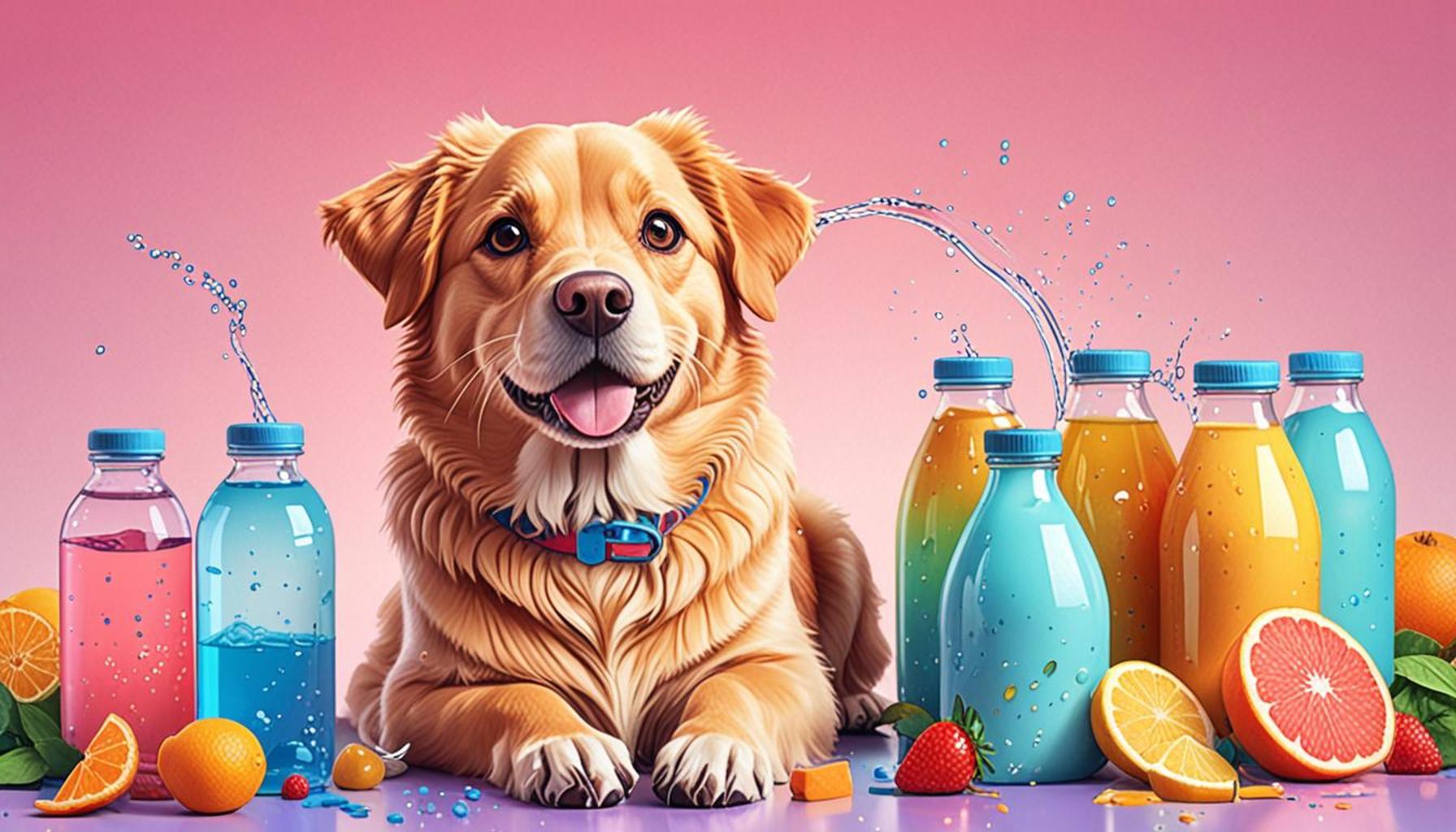
Water is essential for all living beings, including our beloved pets. In fact, hydration plays a vital role in their overall health and wellbeing. Just as humans require adequate water intake, pets need it to maintain their body functions effectively. This necessitates that pet owners pay close attention to their furry friends’ hydration needs, especially considering how different breeds and sizes may have varying requirements.
Why Hydration Matters
Adequate hydration can impact your pet’s quality of life significantly. Here are a few critical reasons to consider:
- Maintains Body Temperature: Keeping cool in warmer months is crucial for pets. Just like humans sweat to cool down, dogs and cats regulate body temperature through panting and salivation, processes that can be hindered by dehydration.
- Aids Digestion: Water plays an essential role in digestion. It helps dissolve nutrients, making them easier to absorb. Insufficient water intake can lead to constipation, which can be painful for pets and might necessitate veterinary intervention.
- Supports Kidney Function: Proper hydration is necessary for efficient kidney performance. Kidneys flush out toxins from the body, and dehydration can lead to urinary tract infections or even more severe renal issues over time, particularly in older pets.
Research indicates that many pets do not drink enough water daily. In fact, studies show that dogs typically require about one ounce of water per pound of body weight daily, while cats need a bit less, around half an ounce for each pound. This variance highlights the need for pet owners to be vigilant about their pet’s drinking habits and ensure they meet these necessary benchmarks. Dehydration can lead to serious health issues, such as urinary tract infections and kidney disease. As responsible pet owners, it’s crucial to ensure our furry friends get the right amount of water.
How to Encourage Hydration
There are various ways to increase your pet’s fluid intake to ensure they stay hydrated and healthy:
- Provide fresh, clean water at all times. Change it regularly and ensure the water bowl is suitable for your pet’s size.
- Incorporate wet food into their diet. Canned food often contains a significant amount of water, which can add to their overall fluid intake.
- Use pet water fountains to entice them to drink more. Many pets are instinctively drawn to running water, which can motivate them to hydrate more frequently.
As you embark on this journey of enhancing your pet’s hydration, the rewards will manifest in their vitality and playfulness. Regularly assessing their water intake and introducing these methods can make a significant difference in ensuring your pet thrives. Understanding the importance of hydration in pet nutrition can set the foundation for a happy and healthy life together, allowing you to enjoy many more adventures with your beloved companion.

DISCOVER MORE: Click here to boost your pet’s well-being
The Critical Role of Water in Pet Health
Water is often an underappreciated component of pet nutrition, yet its role cannot be overstated. A common misconception among pet owners is that food alone can supply sufficient hydration. However, water is critical, not only for survival but for optimal functioning of bodily systems. As pets age, their ability to detect thirst can diminish, making it increasingly important for owners to stay attuned to their hydration habits, ensuring their companions receive the necessary amounts of this life-sustaining fluid.
The Consequences of Dehydration
Understanding dehydration is essential for any pet owner. Just a small dip in hydration levels can precipitate a cascade of health problems. One of the most obvious signs of dehydration is concentrated urine, which can indicate that a pet is not drinking enough water. Victims of dehydration may display lethargy, dry gums, and even loss of skin elasticity. Beyond these immediate symptoms, prolonged dehydration can result in more severe conditions, including:
- Kidney Disease: The kidneys are responsible for filtering blood and removing waste from the body. Without adequate water intake, these organs may struggle to function, leading to chronic kidney issues.
- Digestive Problems: Insufficient hydration can cause digestive issues, like constipation or more severe gastrointestinal problems. Keeping the digestive tract well-lubricated is essential for pet health.
- Heat Stress: Pets, especially those with thick coats or brachycephalic breeds such as Bulldogs, are particularly susceptible to heat stress. Without enough water, they can quickly overheat, leading to life-threatening situations.
It’s alarming to note that studies suggest a significant number of pets do not consume the adequate amount of water each day. For instance, it is estimated that dogs may require approximately one ounce of water per pound of body weight daily, while cats generally need around half an ounce per pound. As a responsible pet owner, it is crucial to not just refill your pet’s water bowl but also monitor their drinking habits to ensure they meet these hydration benchmarks.
Recognizing the Signs of Dehydration
Maintaining awareness of your pet’s hydration status is essential, and becoming familiar with the signs of dehydration can be lifesaving. Some key indicators to watch for include:
- Lethargy: If your pet seems unusually tired or listless, it may be a sign that they are dehydrated.
- Dry Mouth and Gums: Healthy pets should have moist mucous membranes; dryness can signify dehydration.
- Decrease in Urination: Pay attention to bathroom habits; less frequent urination can indicate that they are not drinking enough.
By understanding the implications of hydration within your pet’s diet and actively ensuring they remain well-hydrated, you’re taking significant strides in promoting their overall health. The importance of hydration is a powerful ally in their nutrition, setting the stage for a vibrant companion in your life.
The Importance of Hydration in Pet Nutrition
| Advantages of Hydration | Key Insights |
|---|---|
| Improved Digestion | Ensures smooth digestion and nutrient absorption, helping pets maintain a healthy weight. |
| Enhanced Energy Levels | Proper hydration aids in energy production and stamina, allowing for more active play and exercise. |
| Regulated Body Temperature | Helps maintain normal body temperature, crucial during warm weather or physical exertion. |
| Flavorful Food Options | Incorporating water-rich foods enhances texture and flavor, making meals more appealing. |
The significance of hydration in pet nutrition cannot be overstated. Just like humans, pets require adequate water intake to facilitate many bodily functions. Lack of proper hydration can lead to severe health issues, including urinary tract problems and kidney disease. It’s essential to monitor your pet’s water consumption, ensuring they are staying hydrated, especially during warmer months or after vigorous activities. High-moisture diets such as wet foods and fresh fruits can help support hydration levels, offering not only convenience but also an exciting variety of flavors for your furry friends. Encouraging pets to drink can sometimes be a challenge; thus, using pet-friendly fountains or adding broth to their meals can stimulate their interest in drinking. Moreover, recognizing the signs of dehydration, such as lethargy, dry gums, and sunken eyes, is crucial for any pet owner. Keeping your pet hydrated contributes significantly to their overall well-being and longevity.
DIVE DEEPER: Click here to learn more
Ensuring Proper Hydration: Best Practices for Pet Owners
With the awareness of the critical role of hydration in pet nutrition established, the next step for pet owners is to implement effective strategies to ensure pets are adequately hydrated. It’s vital to create an environment that encourages water consumption. Simple yet effective practices can be life-enhancing for your furry companions.
Encouraging Water Intake
One of the most straightforward methods to boost your pet’s water intake is by providing fresh, clean water at all times. Regularly change the water in their bowls, ensuring it is free from contaminants. Pets may be disinclined to drink stale water, so keeping it fresh is essential. Additionally, consider using a water fountain. Many pets are attracted to moving water, as it mimics a natural source. This can stimulate their interest and encourage them to drink more.
Another effective technique is to incorporate water-rich foods into your pet’s diet. For example, raw pet food diets often include high moisture content, which can contribute to their daily hydration needs. Similarly, adding a little broth (make sure it’s low-sodium and suitable for pets) or wet food can make a significant difference. This strategy is particularly beneficial for cats, who may be less inclined to drink water but can be tempted by the flavor of moisture-rich food.
Hydration During Different Life Stages
Consider different hydration needs based on your pet’s life stage. Puppies and kittens, for instance, require more water relative to their size due to their rapid growth and high energy levels. Conversely, older pets may need closer monitoring, as their natural thirst response diminishes. Providing an easily accessible water source is essential for aging pets who may struggle to reach high places or navigate obstacles. Elevated water bowls can be a helpful solution in such cases.
Impact of Weather on Hydration Needs
Seasonal changes can dramatically affect hydration requirements. During the scorching summer months, pets can easily become dehydrated due to increased outdoor activity and heat. It’s essential to have fresh water available when they are outside, along with shaded areas to retreat to during play. On hot days, consider adding ice cubes to their water bowl or ice treats, such as frozen broth, to encourage drinking and keep them cool. On the contrary, be cautious during winter; pets may need less water due to lower activity levels, but they still need to stay hydrated.
Monitoring Hydration Levels
Regularly assessing your pet’s hydration levels can prevent severe health issues. Pet owners can employ simple methods to gauge hydration. The skin test, for instance, involves gently pinching the skin at the back of the neck to see how quickly it returns to its original position. Healthy, hydrated skin should spring back quickly, while slow return can indicate dehydration. Likewise, observing your pet’s energy levels and bathroom habits can provide insight into their hydration status.
Ultimately, embracing these practices and remaining vigilant about hydration can foster a healthier, more vibrant life for your pet. The importance of hydration in pet nutrition extends far beyond quenching thirst; it is a fundamental pillar supporting overall health and well-being.
DISCOVER MORE: Click here to learn about using nutritional supplements in pet food
Conclusion
In summary, the importance of hydration in pet nutrition cannot be overstated. Hydration serves as a foundational element that supports not only everyday bodily functions but also enhances the overall health and vitality of our beloved pets. As outlined in this article, ensuring your pets remain adequately hydrated involves keeping fresh water readily available, encouraging increased water intake through the use of interactive water fountains and by incorporating moisture-rich foods into their diets. Furthermore, being aware of the unique hydration needs of pets at different life stages allows for tailored care that can minimize health risks.
As seasons shift and temperatures fluctuate, so do the hydration requirements of our pets. Staying vigilant about their water consumption, especially during hot summer days or colder months, is essential. Regularly monitoring hydration indicators, such as the simple skin test, can provide valuable insight into their hydration status. By embracing these best practices, pet owners can foster not only healthier companions but also enhance their quality of life, enabling them to enjoy more robust playtime and better overall wellness.
As pet guardians, your proactive approach to hydration can significantly shape your pet’s longevity and happiness. Understanding the links between hydration and nutrition offers an opportunity to dive deeper into pet health and could lead to further exploration of holistic care practices that promote well-being. Therefore, make hydration a priority, and empower your pet to live a healthy, fulfilling life.