The Importance of Parasite Prevention in Pets

The Threat of Parasites to Pet Health
For pet owners, keeping their furry companions safe is a top priority. Unfortunately, parasites represent a significant threat that can undermine both pet and owner health. From tiny ticks to dangerous heartworms, these unwelcome guests can wreak havoc in the lives of our beloved pets. Furthermore, certain parasites are zoonotic, meaning they can also affect humans, making parasite prevention vital for the entire family’s well-being.
Why Parasite Prevention is Essential
Keeping parasites at bay isn’t just beneficial; it is essential if you want to ensure a long, healthy life for your pets. Here are several reasons to invest in preventive measures:
- Health Risks: Parasites can lead to severe health complications in pets. For instance, fleas can cause anemia due to blood loss, especially in young or small animals. Intestinal worms can lead to malnutrition, frequent vomiting, and severe weight loss, affecting your pet’s overall vitality.
- Transmission: Several parasites can easily be passed from pets to humans. A prime example is the roundworm, which can be transmitted through contaminated soil or pet feces, posing a health risk, particularly to children who may play outdoors.
- Cost of Treatment: The costs associated with treating a parasitic infestation can be staggering. Treatments for conditions like heartworm disease can run into thousands of dollars, not to mention the costs related to follow-up care and ongoing health issues. In contrast, preventive medications are often far less expensive.
Common Types of Parasites
Understanding which parasites are most prevalent is critical in the fight against these health threats. Here are some of the most common parasites to monitor:
- Ticks: These arachnids are notorious for transmitting serious diseases, including Lyme disease, which can have devastating long-term effects on both animals and humans.
- Fleas: Fleas are small creatures but pack a punch when it comes to itching and irritation. An infestation can lead to dermatological issues and, in some cases, cause flea allergy dermatitis, where even a single bite results in extreme discomfort.
- Heartworms: Mosquitoes spread heartworms, which live in the heart and arteries of affected animals. This condition can lead to severe complications, including heart failure and death if left unchecked.
- Intestinal worms: Examples such as hookworms, tapeworms, and whipworms compete with your pet for nutrients, often resulting in malnutrition and chronic digestive issues. Regular stool testing and deworming can help mitigate these risks.
With the right knowledge and proactive care, pet owners can significantly reduce the risks posed by parasites. By staying informed and regularly consulting with veterinarians about appropriate preventive measures, you can effectively safeguard your pet’s health and, in turn, your family’s well-being. As we continue our exploration of effective parasite prevention strategies, we will uncover tips that keep your pets healthy and thriving, allowing them to enjoy life to the fullest.
DISCOVER MORE: Click here to learn how to enhance your pet’s well-being
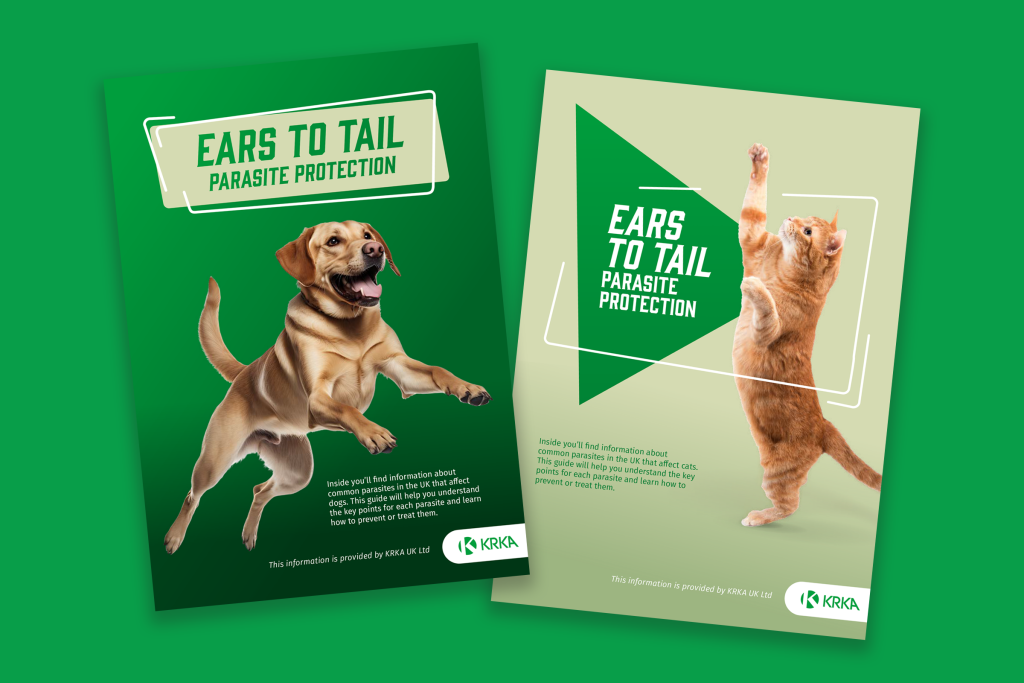
Understanding the Impact of Parasites on Pet Health
The world of pets is not only filled with love, companionship, and joy but also fraught with lurking dangers—one of the most significant being parasites. These tiny organisms may not always be visible to the naked eye, yet their effects on the health of pets can be profound. Understanding the various ways parasites impact our furry friends can help pet owners make informed decisions regarding prevention and treatment.
The Lifecycle of Common Pet Parasites
To appreciate the significance of parasite prevention, it is crucial to understand how these threats infiltrate your pets’ lives. Most parasites have complex life cycles, often involving multiple hosts, which complicates efforts to eliminate them once they’ve taken hold. Here’s a closer look at how some commonly encountered parasites operate:
- Ticks: Ticks start their life cycle as eggs laid in the environment. Once hatched, they latch onto a host—often a pet—to feed on their blood. Their bites can introduce various pathogens, leading to serious diseases like Lyme disease and canines’ ehrlichiosis.
- Fleas: Fleas also reproduce prolifically, with females capable of laying hundreds of eggs in their lifetime. These eggs can fall off into your home environment, allowing infestations to persist long after the adult fleas have been treated. The lifecycle of a flea can span several weeks, making it vital to address them swiftly.
- Heartworms: These parasitic worms are transmitted through mosquito bites. Once inside your pet, they mature into adults and can reside in the heart and lungs, causing serious cardiovascular issues. The lifecycle of a heartworm can take up to six months, meaning preventive measures must be taken proactively—before exposure occurs.
- Intestinal Worms: Intestinal worms, such as roundworms and tapeworms, can infect your pet via contaminated food, water, or soil. Pets can ingest worm eggs while grooming themselves or eating inappropriate substances. Understanding this lifecycle is crucial since these worms can reproduce quickly within the pet’s gastrointestinal tract, leading to rapid health deterioration.
The Hidden Costs of Parasite Infestation
It’s not just the physical discomfort and potential health challenges that parasites bring; there are significant financial implications as well. Treating a pet affected by a severe flea infestation or heartworm disease can become extremely costly, frequently requiring multiple veterinary visits and advanced treatments. The American Pet Products Association reports that pet owners in the United States spend an average of $800 annually on veterinary care, and unexpected parasite-related issues can significantly inflate this figure.
Furthermore, preventive measures such as regular check-ups and medications are typically far less expensive than the costs associated with treating parasitic infections. Just as with any health concern, early detection and proactive prevention are key to maintaining your pet’s health, safeguarding their future, and keeping financial stress at bay.
As we delve deeper into effective practices for parasite prevention, it becomes evident that knowledge is power. Equipping yourself with information not only empowers you as a pet owner but also ensures a healthier, happier life for your beloved companions.
| Advantage | Explanation |
|---|---|
| Enhanced Overall Health | Preventing parasites protects pets from diseases that flourish due to these organisms, resulting in a healthier, more energetic pet. |
| Improved Quality of Life | Regular prevention translates to fewer vet visits, less discomfort from infestations, and a happier experience for both the pet and owner. |
| Cost Savings | Investing in preventive measures can significantly reduce health-related costs associated with treating parasite infestations. |
| Prevention of Zoonotic Diseases | Effective parasite control safeguards not only pets but also owners from potential infections that can be transmitted from animals to humans. |
Understanding the significant advantages of parasite prevention in pets is crucial for every pet owner. Regular preventive care is a proactive approach that not only aids in keeping pets physically vibrant but also contributes to the well-being of the entire household. Pet owners should ensure their furry companions receive appropriate preventive treatments and take steps to educate themselves about various parasites. This can lead to both a healthy and happy environment, where pet and owner thrive together, staying safe from the harm posed by these often-overlooked threats.
DON’T MISS OUT: Click here to discover the latest trends
Best Practices for Effective Parasite Prevention
With an understanding of the significant risks parasites pose to pet health, it becomes paramount to implement effective prevention strategies. The fight against these invisible enemies is not solely reactive but must be fundamentally proactive. Pet owners are encouraged to embrace a multi-faceted approach to ensure their furry companions are safeguarded from infestation.
Regular Veterinary Check-Ups
One of the most critical steps in parasite prevention is to establish a routine of regular veterinary check-ups. During these visits, veterinarians can conduct comprehensive examinations, including fecal tests to identify infections, and provide advice tailored to your pet’s specific needs. The American Veterinary Medical Association recommends that pets visit the vet at least once a year, but some might require more frequent visits based on their lifestyle, age, and health conditions.
Proactive Medication
Utilizing preventive medications is a central component of safeguarding pets from parasites. Treatments typically include topical solutions for fleas and ticks, oral medications for heartworms, and deworming treatments for intestinal parasites. Many veterinarians advocate year-round medication as certain parasites can thrive in different seasons. For example, heartworm prevention should be administered monthly during warmer months, while flea and tick treatments should be continued throughout the year, particularly in climates conducive to their survival.
Environmental Control
Another often overlooked aspect of parasite prevention is managing your pet’s environment. Regular cleaning routines can greatly reduce the risk of parasite infestations. This practice involves not only maintaining a clean home but also keeping outdoor areas free of debris where parasites may thrive, such as tall grass or leaf litter. Additionally, it’s advisable to wash your pet’s bedding and toys frequently in hot water, as this can help eliminate any parasites or eggs.
Educating Yourself on Parasite Risks
Staying informed about the latest developments regarding parasites and their prevalence in your area can serve as a crucial advantage. Certain regions in the United States, such as the Gulf Coast or the southern states, can be more prone to specific parasite infestations. Resources such as your veterinarian’s office or reputable online platforms can provide insights into the types of parasites that are prevalent in your neighborhood and the most effective preventive measures.
Monitoring Your Pet’s Health
Being vigilant and observant of any changes in your pet’s behavior can also play a vital role in parasite management. Symptoms of parasite-related illnesses can vary widely, from weight loss and lethargy to more severe signs like vomiting and diarrhea. Early detection can lead to prompt veterinary care, often reducing the complications arising from parasitic infections.
In addition to these preventative measures, pet owners can benefit from discussing lifestyle factors that may increase their pets’ exposure to parasites, such as dog parks or proximity to wildlife. Just as a constant line of defense is needed in human health, so it is with our pets. Understanding and implementing a comprehensive parasite prevention plan will not only lead to happier, healthier pets but also foster a stronger bond between pets and their families.
DISCOVER MORE: Click here to learn about using nutritional supplements in pet food
Conclusion: The Essential Role of Parasite Prevention in Pet Care
In summation, the importance of parasite prevention in pets cannot be overstated. These uninvited intruders not only jeopardize the health of our beloved animals but can also impact the well-being of entire households. By adopting a proactive approach to parasite control, pet owners can decisively reduce the risk of infestations and associated health complications.
Regular veterinary check-ups, coupled with the discipline of administering preventive medications year-round, form the cornerstone of effective parasite management. Moreover, maintaining a clean living environment and keeping a watchful eye on your pet’s health can significantly contribute to early detection and intervention. As pets navigate various terrains—from dog parks to wildlife areas—being educated on local parasite prevalence and remaining vigilant to changes in behavior is vital.
As a pet owner, being informed and engaged in your pet’s health journey strengthens the human-animal bond that enriches our lives. By prioritizing parasite prevention, you do not just enhance your pet’s quality of life; you also foster a more vibrant home environment conducive to happy, healthy living. The landscape of pet care is continuously evolving, and keeping pace with advancements in parasite prevention allows you to make informed decisions for your furry companions. Ultimately, your commitment to parasite prevention today can secure a healthier, happier future for your pets.