The Importance of Regular Hygiene in Pet Health
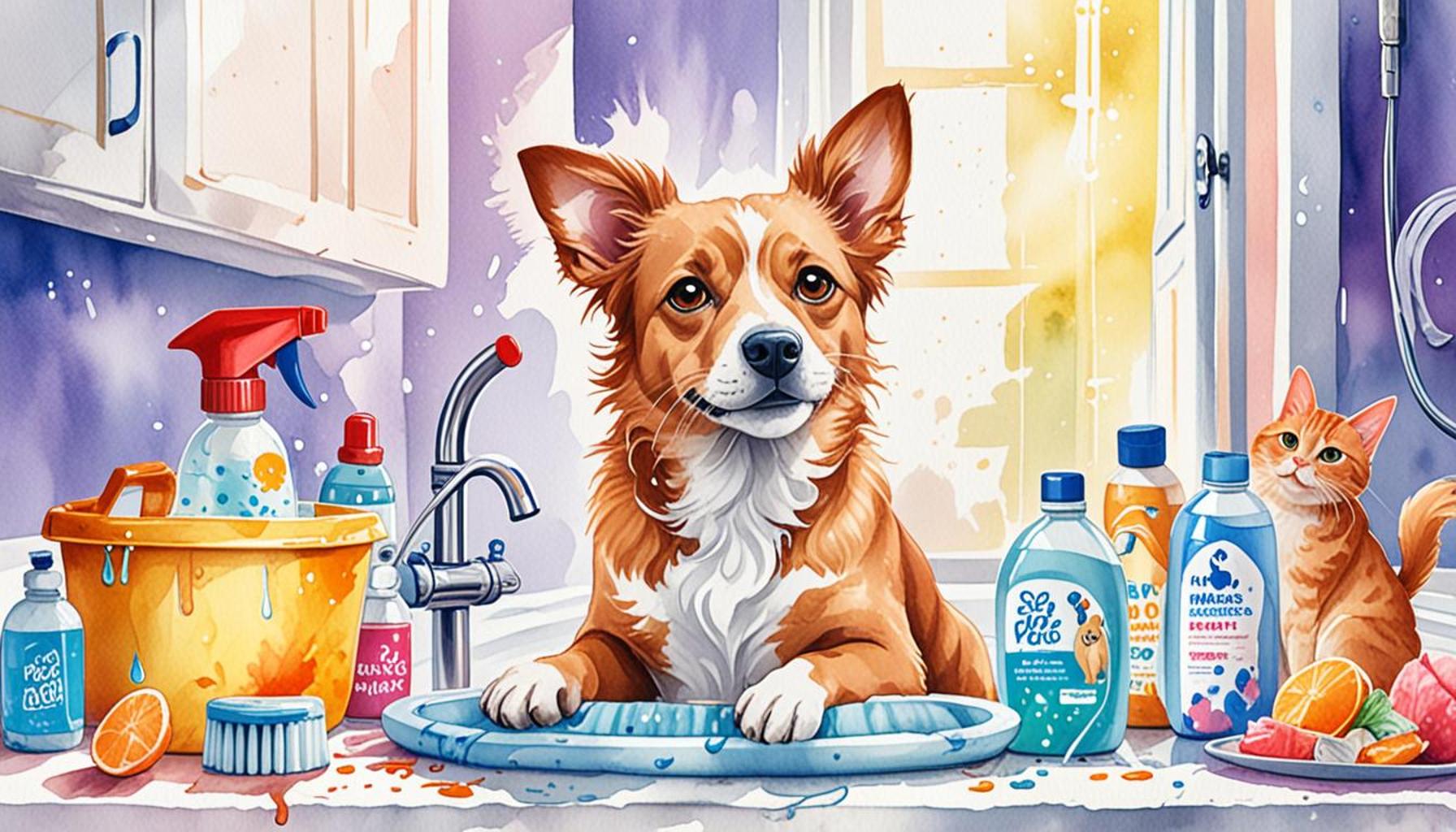
The Importance of Regular Hygiene Practices in Pet Ownership
Pet ownership comes with a bundle of responsibilities, one of the most crucial being regular hygiene practices. Maintaining proper hygiene not only enhances the well-being of pets but also has far-reaching effects on their health and vitality. Let’s uncover some key reasons why adopting a consistent hygiene routine is essential.
Prevention of Health Issues
Regular grooming and cleaning can be vital in identifying and preventing potential diseases. For example, routine check-ups during brushing can help pet owners catch skin irritations, lumps, or parasites such as ticks and fleas before they escalate into more serious health concerns. Studies suggest that pet owners who engage in frequent grooming are also able to spot dental problems early, which can save significantly on veterinary bills and improve the overall quality of life for the pet.
Enhanced Physical Comfort
A clean pet is a comfortable pet, which often leads to improved behavior and less stress. Imagine a dog with a dirty, matted coat; not only can this be uncomfortable for them, but it can also lead to anxiety and irritability. Regular baths, along with appropriate grooming, remove dirt and allergens from the coat, thus enhancing your pet’s comfort. This is particularly relevant in climates like the United States, where different seasons bring differing allergens, such as pollen in the spring or dust in the winter.
Bonding Opportunities
Grooming sessions offer a unique chance for owners to strengthen their emotional connection with their pets. The act of grooming can be soothing for both the pet and the owner, allowing for a peaceful atmosphere that encourages bonding. Just as children enjoy the attention of their parents, dogs and cats thrive on the affection and care that come through grooming. This emotional connection can also contribute to a pet’s mental stability and social behavior.
Creating a Healthy Living Environment
In addition to the benefits mentioned above, maintaining a consistent hygiene routine fosters a healthy living environment for both pets and their family members. Regular bathing, brushing, and dental care can help limit the spread of parasites and reduce unpleasant odors in the home.
- Bathing: This essential practice removes dirt, allergens, and excess oils from the fur, contributing to smoother, healthier skin. A clean coat also smells fresher, which is advantageous for indoor pets.
- Brushing: Frequent brushing not only minimizes shedding but also prevents matting, which can be uncomfortable for pets, especially long-haired breeds. Moreover, it provides a chance to inspect for any unusual skin issues that might need veterinary attention.
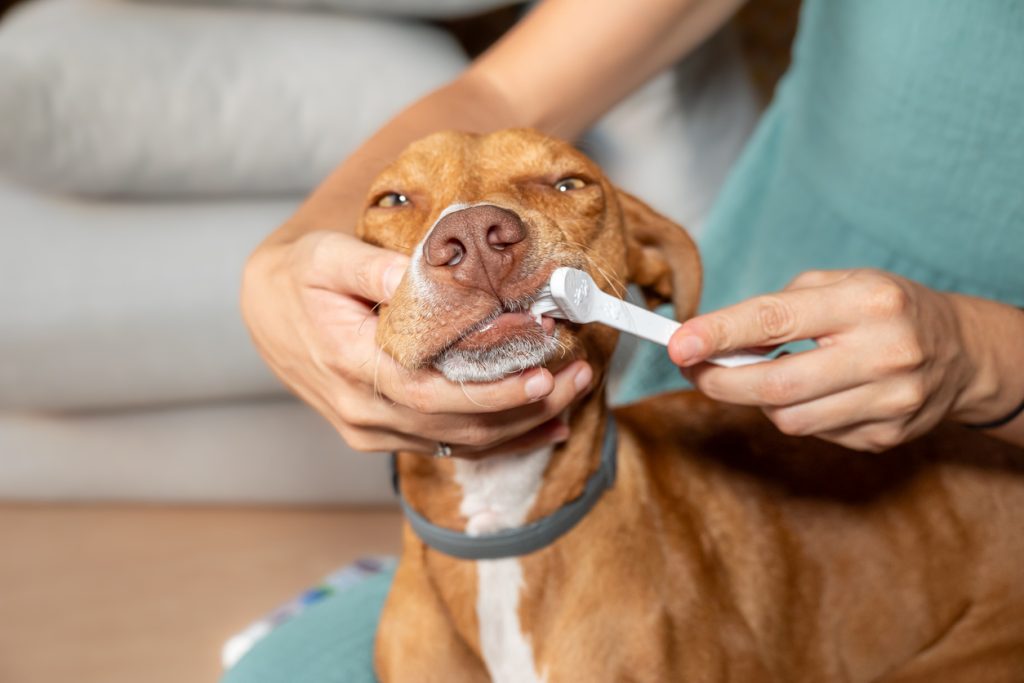
- Dental hygiene: Regular dental care, which includes brushing and professional cleanings, helps reduce the risk of oral diseases. Good oral hygiene not only promotes fresh breath but can have a profound effect on a pet’s overall health, as oral bacteria can lead to heart and kidney issues if left untreated.
Understanding the importance of these practices can significantly change the way pet owners view their furry companions. Regular hygiene routines are not just tedious chores; they are essential pathways to ensuring a healthier, happier pet. By investing time and effort into these practices, pet parents are making a long-term commitment to their pets’ well-being, leading to years of joyful companionship.
LEARN MORE: Click here to discover the benefits of positive reinforcement
Key Components of Pet Hygiene
To fully appreciate the significance of regular hygiene in pet health, it is important to understand the various components that make up a comprehensive hygiene routine. These pivotal practices ensure your furry friend remains healthy, comfortable, and happy. Here are some essential aspects of pet hygiene that every owner should consider:
Skin and Coat Care
The skin and coat are a pet’s first line of defense against environmental threats. Regular bathing plays a role in removing dirt, allergens, and excess sebum, which can accumulate over time. It is important for pet owners in the United States, where diverse climates and allergens can significantly affect dogs and cats, to recognize that the frequency of baths may vary. For instance, dogs that love to romp outside may need baths more frequently than indoor pets. Using appropriate pet shampoo is also critical; human shampoo may disrupt the pet’s skin barrier and lead to irritations.
Ear Care
Ears are another area that requires attention during grooming routines. Certain breeds, especially those with long ears, can be prone to ear infections due to a buildup of wax and debris. Routine checks and cleaning help identify any early signs of infections. Using a veterinarian-recommended ear cleaner can help maintain proper ear hygiene, which is essential for reducing discomfort and preventing serious health issues.
Flea and Tick Prevention
Fleas and ticks are common issues for pets that can lead to serious health problems if not managed properly. Preventive treatments, such as monthly topical applications or oral medications, can help protect your pets from these pests. It is also recommended to regularly check your pet’s fur for signs of infestation, particularly after outdoor activities. Implementing regular flea and tick prevention strategies not only guards your pet’s health but also safeguards the household, as these pests can quickly spread within the home environment.
Urinary and Anal Gland Care
Many pet owners are unaware that regular hygiene practices can also extend to urinary and anal gland care. Some pets may need their anal glands expressed to prevent discomfort and ensure proper health. Similarly, keeping a watch on your pet’s urination habits can reveal potential issues; for example, frequent urination or straining may indicate a urinary tract infection. Being observant provides valuable information to veterinarians and can lead to timely interventions.
Health Monitoring
- Weight Management: Regular grooming and exercise help maintain a healthy weight, which is essential for overall wellness.
- Inspecting for Injuries: Regular health checks during grooming allow owners to catch cuts, abrasions, or other injuries that may need veterinary attention.
- Behavioral Changes: Changes in grooming habits can indicate stress or health issues; being attentive to these signs is essential.
By focusing on these key components of pet hygiene, owners can create a well-rounded health routine that directly contributes to their pet’s quality of life. Not only do these practices prevent illness and ensure a clean home, but they also foster a deeper bond between the pet and the owner, encapsulating the essence of responsible pet ownership.
The Importance of Regular Hygiene in Pet Health
Maintaining proper hygiene for pets is critical to ensuring their overall health and well-being. Grooming and cleaning routines not only enhance your pet’s appearance but also play an essential role in disease prevention. For instance, dental hygiene is vital, as the buildup of plaque can lead to serious oral health issues. Regularly brushing your pet’s teeth helps prevent periodontal disease, promoting a healthy mouth and minimizing pain.
Similarly, ear cleaning is another essential hygiene practice, especially for breeds prone to ear infections. Regular inspection and cleaning of the ears can prevent moisture buildup and eliminate excess wax, thus reducing the risk of infections caused by bacteria and yeast.
The importance of hygiene extends beyond just physical cleanliness. A clean environment for pets minimizes stress and anxiety, which are often exacerbated by dirt and clutter. Animals in tidy spaces are observed to have better behavior and overall mental health.
| Hygiene Practice | Benefits |
|---|---|
| Regular Grooming | Reduces shedding and skin problems while enhancing bonding with your pet. |
| Bathing | Keeps the coat clean and free from parasites, which can lead to serious health issues. |
Furthermore, investing time in your pet’s hygiene also helps pet owners detect early signs of health issues. Regular physical examinations during grooming or cleaning can reveal unusual lumps, bumps, or irritations that may require veterinary attention. This proactive approach to hygiene can save your pet from more severe medical problems in the future.
DISCOVER MORE: Click here for effective dog training strategies
The Psychological Benefits of Regular Hygiene
While the physical aspects of pet hygiene are often emphasized, mental wellbeing is equally crucial for a pet’s overall health. Proper hygiene routines contribute significantly to a pet’s happiness, alleviating stress and anxiety while fostering a sense of security. Regular grooming sessions, for instance, can be a bonding experience between the pet and owner, strengthening their emotional connection. It’s not merely a chore; it’s an opportunity for affection, trust-building, and mutual comfort.
Reducing Stress and Anxiety
Pets, much like humans, can experience stress and anxiety. Grooming helps alleviate these feelings as it often incorporates physical touch, providing reassurance to pets. Animals are generally more relaxed when they are consistently groomed, creating a stable routine. A study published in the “Journal of Veterinary Behavior” indicated that pets receiving regular grooming exhibited lower stress levels, evidenced by reduced cortisol levels and improved behavior. Additionally, the familiar sounds of brushing can soothe and distract pets, making them less prone to anxiety during stressful situations such as thunderstorms or fireworks.
Enhancing Socialization
Beyond health and comfort, hygiene routines also play a vital role in socialization. Well-groomed pets are often more approachable and accepted in social settings, whether during a visit to the dog park or when meeting new friends at home. Dogs and cats that receive regular grooming tend to be more comfortable around other pets and humans, encouraging positive social interactions. The avoidance of unpleasant odors and matted fur reduces the likelihood of negativity from other pets or their owners, creating a more harmonious community environment.
Preventing Behavioral Issues
Inadequate hygiene practices can lead to behavioral changes in pets, including excessive itching, licking, or even aggression due to discomfort. Regular hygiene routines can keep pets physically and mentally stimulated, helping to prevent behavioral issues related to boredom or discomfort. For instance, a dog that experiences relief from matting or skin irritations during grooming will likely be less anxious and more engaged with their surroundings. Various studies indicate that pets with well-maintained hygiene display fewer problematic behaviors, enhancing their overall harmony in the household.
Supporting Veterinary Care
Regular hygiene practices not only contribute to a pet’s current well-being but can also facilitate ongoing veterinary care. When pets are routinely groomed and monitored by their owners, potential health issues can be spotted early. This allows for timely consultation with a veterinarian, which can avert more serious health complications in the future. Moreover, veterinarians often appreciate when pet owners maintain a consistent hygiene routine as it demonstrates responsibility and awareness.
Creating a Routine
- Schedule Regular Grooming: Comprehensively plan grooming sessions—whether weekly or monthly—so that they become an expected and enjoyable part of the pet’s routine.
- Use Positive Reinforcement: Incorporate treats and praise during hygiene practices to ensure pets associate grooming with positive experiences.
- Involve Professional Help: If necessary, do not hesitate to seek the expertise of professional groomers; this can ease the process and ensure appropriate techniques are being used.
Emphasizing these psychological benefits of pet hygiene not only enhances physical health but also nurtures emotional stability. By maintaining a clean, healthy, and happy pet, owners are not just fulfilling their responsibilities; they are enriching the lives of their furry companions, leading to a joyful home environment. As a result, it becomes clear how comprehensive hygiene care forms an integral component of pet and owner wellbeing alike.
DISCOVER MORE: Click here to learn about the latest in pet care technology
Conclusion
In summary, the significance of regular hygiene in pet health extends far beyond simple cleanliness; it encompasses vital aspects of physical and psychological well-being. From preventing illnesses and fostering early detection of health issues to enhancing emotional stability and socialization among pets, consistent hygiene routines serve as a foundation for vibrant pet health. By incorporating practices such as regular grooming, dental care, and skin maintenance, pet owners ensure their furry companions thrive in a wholesome environment.
Moreover, the ritual of grooming not only benefits pets but also strengthens the bond between pet and owner, cultivating a trusting relationship that leads to a happier home for both. Understanding that hygiene is not merely a chore, but a crucial component of a pet’s overall quality of life, empowers owners to take proactive measures in their pets’ care. As the pet industry continues to evolve, embracing holistic approaches to pet health, one cannot underestimate the profound impact of regular hygiene.
As pet owners, we have a responsibility to prioritize our pets’ health, happiness, and comfort through these regular hygiene practices. Investing time and effort into maintaining a routine can lead to a longer, healthier, and more fulfilling life for our beloved companions. Therefore, let us champion the importance of pet hygiene not only for the benefit of our furry friends but also for the joy and satisfaction it brings to our lives.