The Influence of Age on the Nutrition of Dogs and Cats
The Role of Nutrition Across Different Life Stages in Pets
The health of our pets significantly depends on the appropriate nutrition tailored to their specific life stages. As pets transition from being young, energetic puppies and kittens to the more tempered nature of adulthood, and eventually into their senior years, their dietary needs evolve in ways that are crucial to their well-being. Addressing these shifts ensures that pets receive the optimal nutrients necessary to thrive, ultimately enhancing their quality of life.
Key factors influencing nutrition include:
- Growth stage: Puppies and kittens experience rapid physical and mental development. A diet rich in high-quality protein and increased calorie content is essential to fuel this growth spurt. For example, a growing Labrador Retriever puppy may require a specially formulated puppy food that contains at least 22% protein to support its quick growth, while a kitten needs similar protein-rich sources to develop healthy tissues and bones.
- Adult maintenance: When pets reach adulthood, their nutritional needs stabilize. Adult cats typically thrive on a balanced diet that provides a healthy mix of protein, fat, and carbohydrates to maintain their energy levels without promoting obesity. Regular monitoring of their weight and food intake is essential, especially for indoor cats known to be less active than their outdoor counterparts.
- Senior considerations: As dogs and cats enter their senior years, their dietary requirements shift substantially. Older pets often benefit from food that is lower in calories to prevent obesity and is rich in ingredients like glucosamine to support joint health, specifically crucial for breeds prone to arthritis. Additionally, senior diets may also contain antioxidants such as vitamin E and selenium to combat oxidative stress, ultimately enhancing their immune response.
Moreover, age-related physiological changes significantly impact a pet’s ability to absorb nutrients effectively, leading to various dietary considerations.
- Reduced metabolism: As pets age, their metabolism slows down, which can necessitate a shift towards more easily digestible food. This may include diets that are softer in texture or specifically formulated for senior pets to ensure they receive essential nutrients without excessive caloric intake.
- Health conditions: Many older pets face health challenges that require specialized diets. For instance, a cat diagnosed with kidney disease may need a diet low in protein and phosphorus. Owners should consult with veterinarians to create an appropriate nutrition plan that addresses specific health issues.
- Dental health: Chewing can be a challenge for senior pets suffering from dental disease or tooth loss, making it crucial to choose food that is easy to chew and swallow. Wet food or kibble designed for dental health can be excellent options to ensure they receive adequate nutrition despite dental issues.
Understanding these critical shifts in dietary needs as pets age helps foster better health outcomes. By customizing nutrition according to an animal’s life stage—from lively pups to wise old companions—pet owners can significantly enhance their beloved pets’ longevity and vitality. It is a delightful journey through the various life phases that emphasize the importance of appropriate feeding practices. Therefore, let’s continue to explore the dynamic interplay between age and nutrition, ensuring our pets enjoy a fulfilling and healthy life at every stage.
DISCOVER: Click here to uncover heartwarming stories
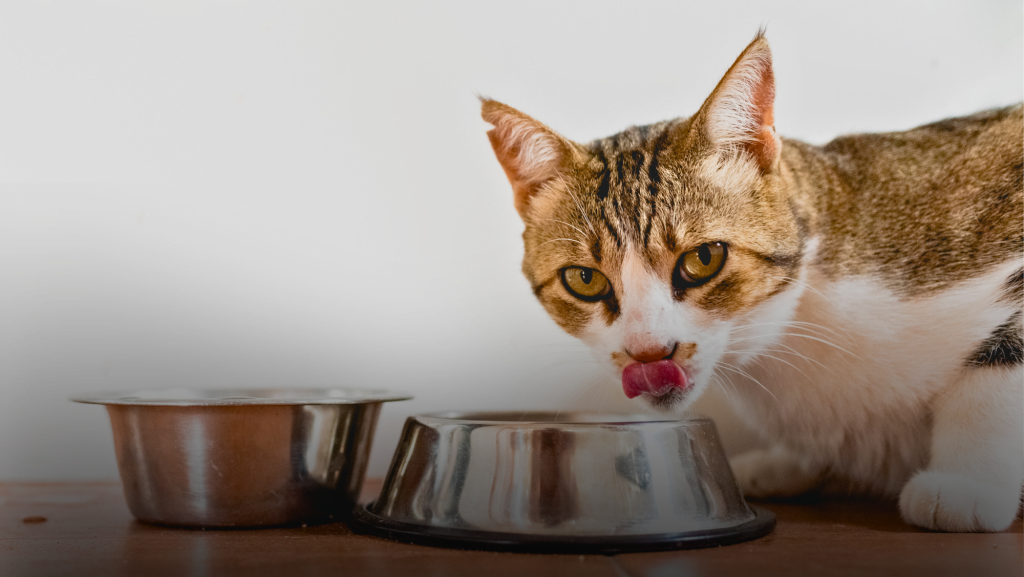
Understanding Nutritional Shifts Through the Life Stages of Pets
The journey of a pet’s life is marked by distinct stages, each with unique challenges and requirements. As pets age, their nutritional needs undergo notable transformations that can significantly influence their overall health. Understanding these shifts is essential for pet owners who wish to enhance their furry companions’ quality of life through tailored nutrition. Let’s delve deeper into how age influences the nutritional framework for both dogs and cats.
The Growing Years: Puppy and Kitten Nutrition
The formative years of a pet’s life—puppies and kittens—are characterized by rapid growth and high energy levels. During this stage, nutritional requirements are at their peak, as young pets require energy-dense food to support their developing bodies. Puppies, for instance, have an accelerated growth rate which necessitates a caloric intake that is significantly higher than that of adult dogs. A puppy that is six months old may require up to 2-3 times more protein and fat compared to an adult dog of the same breed, emphasizing the critical role that high-quality protein plays in their diet.
Likewise, kittens require a diet rich in not only protein but also essential amino acids such as taurine—vital for their vision and heart health. Nutritional formulations developed specifically for kittens often include higher levels of fat and vitamins to meet these burgeoning needs, acting as a foundation for long-term health.
Adulthood: Striking a Balance
As pets transition into adulthood, their nutritional needs evolve towards maintenance. It is during this stage that pet owners must monitor their pets closely, ensuring that they are not overfed, as many indoor pets tend to lead more sedentary lifestyles. An adult cat typically needs a balanced diet containing around 26-30% protein, while dogs require a diet that reflects their size and activity level, from 18% for less active breeds to up to 30% for highly active breeds.
- Weight Management: Pet obesity is a growing concern in the U.S., with an estimated 60% of cats and 56% of dogs being classified as overweight or obese. This epidemic highlights the importance of controlling calories and providing nutritional foods that prevent excessive weight gain.
- Balanced Diet: A complete and balanced diet should include appropriate proportions of proteins, fats, carbohydrates, vitamins, and minerals. This ensures stable energy levels and overall wellness as pets enjoy their adult years.
- Hydration: Adequate water intake is another vital aspect that should not be overlooked in adult nutrition, particularly since many pet owners may unknowingly underestimate their pets’ specific hydration needs.
Senior Pets: Tailored Nutrition for Optimal Health
When dogs and cats enter their senior years, age-related physical changes necessitate a reevaluation of their dietary approach. Commonly, these pets experience decreased activity, slower metabolism, and varying health conditions that make specific dietary adjustments crucial. Nutritional strategies for senior pets often involve reducing calorie intake to prevent obesity while ensuring key nutrients are included to manage health concerns.
For example, senior dogs might require diets enriched with joint support supplements such as glucosamine and chondroitin, while older cats might benefit from a diet lower in protein but rich in quality protein sources to prevent kidney strain. Owners should familiarize themselves with these nutritional shifts and consider regular veterinary consultations to adapt their pets’ diets accordingly.
Recognizing how age influences the nutrition of dogs and cats allows pet owners to provide a more nurturing environment as they evolve through different life stages. By prioritizing age-appropriate diets, we can ensure our pets lead meaningful and healthy lives.
| Age Group | Nutritional Needs |
|---|---|
| Puppies and Kittens | High protein and fat content essential for growth |
| Adult Dogs and Cats | Balanced diet to maintain weight and health |
| Senior Pets | Reduced calories, joint support, and digestible nutrients |
The nutritional requirements of dogs and cats evolve significantly with their age, impacting their overall health and well-being. In the puppy and kitten stages, rapid growth necessitates a high protein and fat diet, which supports muscle development and energy levels necessary for play and development.As pets transition into their adult years, maintaining a balanced diet becomes crucial. This is the period where they need sustenance to support their ideal weight and health, effectively preventing obesity. The right nutritional balance is pivotal in ensuring pets remain active and healthy during these years, yet many owners may overlook the specific dietary needs of their pets.In the senior category, the focus shifts to providing specialized diets that prioritize joint support, lower calories, and easily digestible nutrients, ensuring that aging dogs and cats have the energy they need without excessive weight gain. Understanding these stages is essential for pet owners who wish to enhance their furry companions’ quality of life.
DON’T MISS: Click here to get tips on preparing your home for a new furry friend
Recognizing Specific Dietary Needs Among Senior Pets
As pets grow older, the intricate relationship between age and nutrition becomes increasingly prominent. It is crucial for owners to recognize that the dietary needs of senior pets extend beyond merely reducing calories. Many senior dogs and cats face a spectrum of health challenges that require tailored nutrition to ensure their well-being. Understanding these specific needs can empower pet owners to provide the best possible care as their furry friends enter their golden years.
Common Health Issues in Senior Pets
With advancing age comes a higher likelihood of health-related issues. Obesity, dental problems, arthritis, kidney disease, and diabetes are prevalent in older dogs and cats. Each of these conditions requires careful consideration when devising a nutritional strategy.
- Joint Health: Many senior dogs suffer from arthritis, which impacts mobility and overall quality of life. Diets fortified with omega-3 fatty acids from fish oil or flaxseed can exhibit anti-inflammatory properties, promoting joint health and reducing pain.
- Kidney Function: Cats in particular are prone to renal issues as they age. A lower protein diet that replaces poor-quality protein sources with high-quality options helps mitigate strain on the kidneys while still fulfilling the essential amino acids cats need.
- Dental Care: Dental disease is another issue faced by older pets. A diet that includes dry kibble or specialized dental foods can aid in plaque reduction, supporting oral health through mechanical action during chewing.
The Role of Nutrient Density
Senior pets typically require more nutrient-dense foods that provide essential vitamins and minerals without unnecessary calories. Since their metabolism slows down, pet food manufacturers have begun producing formulations designed specifically for senior pets. These products often contain increased levels of antioxidants, vitamins C and E, and B vitamins, which help combat oxidative stress and support the immune system.
Moreover, the use of glucosamine and chondroitin in food aimed at seniors has gained traction. These supplements promote joint health and are frequently included in senior dog diets to help alleviate discomfort associated with aging. Pet owners should be vigilant about selecting these specialized formulations, which can contribute significantly to a senior pet’s vitality.
Hydration: A Crucial Element in Senior Nutrition
One of the most crucial aspects of nutrition that often goes unnoticed in senior pets is hydration. Dehydration can exacerbate existing health issues, particularly in pets that are more sedentary. Offering high-moisture diets—such as canned foods or incorporating water into meals—ensures seniors receive adequate hydration. This becomes particularly important for cats, who are naturally prone to lower water intake. Adding moisture not only improves kidney health but can also promote optimal digestion.
Regular veterinary check-ups are paramount as your pet ages. These consultations allow for discussions about dietary adjustments in relation to evolving health profiles, thereby facilitating proactive management of aging-related conditions and maintaining quality of life.
As we navigate through the stages of our pets’ lives, it is essential to embrace the nuances of dietary needs associated with each age. Providing comprehensive nutritional support tailored to the unique challenges of senior pets can foster a fulfilling life well into their twilight years.
LEARN MORE: Click here to discover how to enhance your pet’s diet
Conclusion: Embracing Tailored Nutrition for Aging Pets
In conclusion, understanding the influence of age on the nutrition of dogs and cats is essential for promoting longevity and enhancing the quality of life for our beloved pets. As pets transition into their senior years, their nutritional needs become markedly different, demanding a more nuanced approach to their diet. This includes recognizing the common health challenges they face, such as obesity, arthritis, and kidney disease, and addressing these with specialized nutrition.
The importance of providing nutrient-dense food formulations cannot be overstated. Senior diets that incorporate essential antioxidants, omega-3 fatty acids, and moisture can significantly impact joint health, organ function, and hydration levels. By choosing high-quality ingredients and considering factors such as joint support, kidney health, and dental care, pet owners can create the optimal dietary regime for their aging companions.
Moreover, regular check-ups with veterinarians are invaluable in navigating these dietary adjustments, ensuring each unique health profile is catered to effectively. As we strive to provide the best for our furry companions, embracing these tailored nutritional strategies will not only help manage the challenges of aging but also enrich their overall well-being.
Ultimately, investing time and effort into understanding and addressing the evolving nutritional needs of senior dogs and cats can lead to a fulfilling and vibrant life in their golden years, building a lasting bond and treasured memories for both pets and their owners.