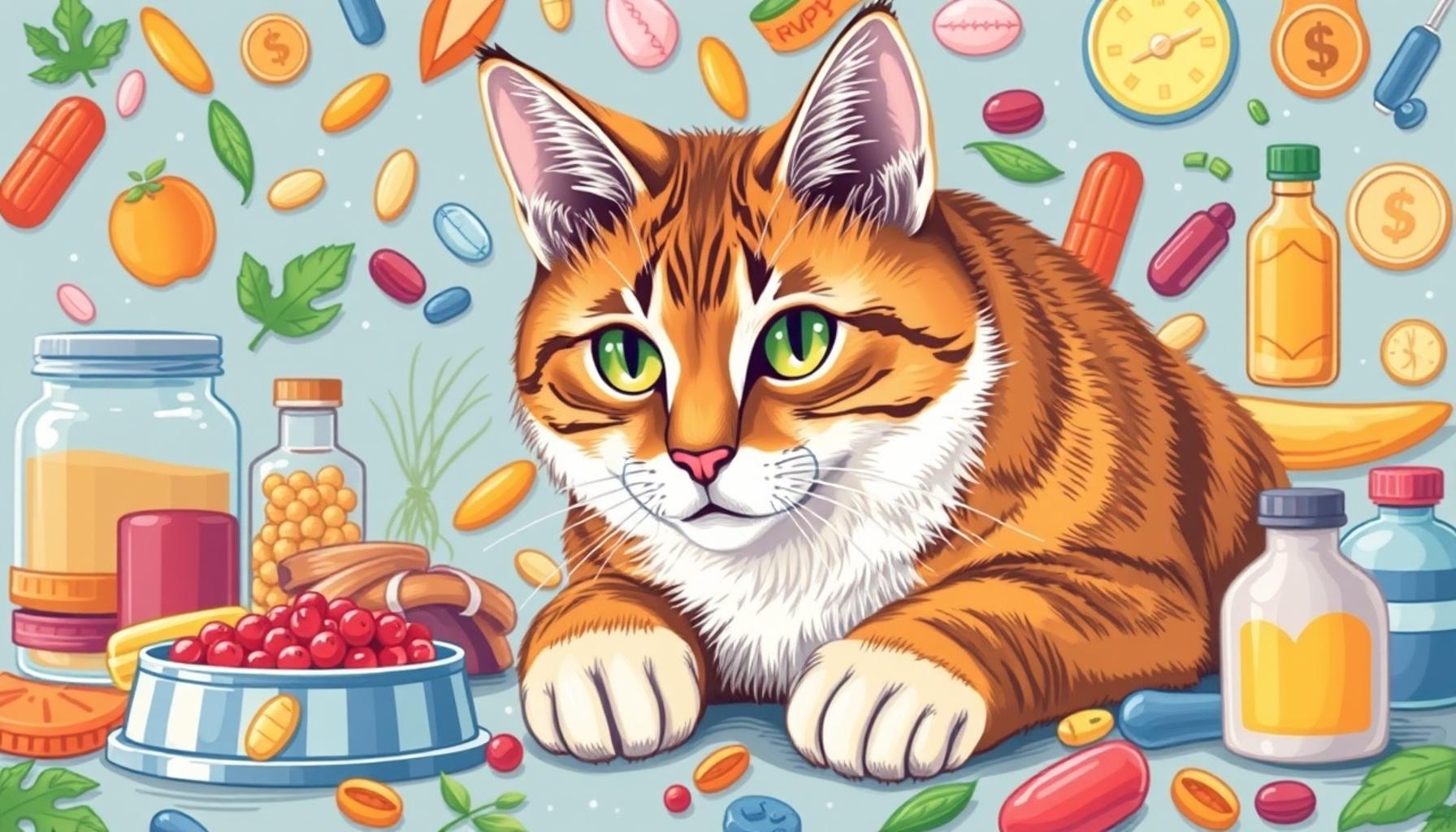
The Role of Supplements in Enhancing Pet Nutrition: What Every Owner Should Know

The Growing Importance of Pet Supplements
As pet owners increasingly recognize the need for tailored nutrition for their furry friends, the market for pet supplements in the U.S. has experienced remarkable growth. With an array of products saturating the market, understanding the role and effectiveness of these supplements is more crucial than ever. But what are these offerings, and how can they genuinely contribute to your pet’s well-being?
Balanced Nutrition
Despite the availability of high-quality pet foods, many pets still fall short of receiving all the necessary nutrients from their standard diets. Various factors influence this, such as specific dietary restrictions, food allergies, and the potential shortcomings in commercial pet food ingredients. Supplementation can bridge those gaps. For example, adding a vitamin E supplement can enhance skin health, beneficial for pets with dry or itchy skin, especially during winter months.
Health Benefits
Pet supplements are formulated to target different health issues, leading to substantial long-term benefits. Joint supplements containing glucosamine and chondroitin are excellent for senior dogs struggling with arthritis, helping them maintain mobility and quality of life. Moreover, fish oil supplements rich in omega-3 fatty acids provide anti-inflammatory properties, which can improve coat condition and support heart health. Probiotics, on the other hand, work wonders for digestive health, promoting a balanced gut flora and potentially reducing the risk of gastrointestinal disorders.
Age and Breed Considerations
It’s essential to recognize that various pets have distinct needs. Senior pets may require joint support, while young puppies may benefit from developmental supplements, such as DHA for brain health. Additionally, specific breeds may have predispositions to certain health issues, prompting the need for specialized supplements. For instance, large-breed dogs are more susceptible to hip dysplasia, making glucosamine an essential addition in their early years.
Nevertheless, as pet owners embrace the prominence of nutritional supplements, they must also navigate potential risks. Over-supplementation can lead to toxicity—too much Vitamin D, for instance, can cause serious health problems in pets. Therefore, consulting a veterinarian before starting any supplement regimen is imperative.
In summary, while the pet supplement market in the U.S. offers a dazzling array of options, informed choices are vital for the health of your pet. By understanding their function, benefits, and inherent risks, pet owners can craft a more holistic approach to their pet’s nutrition and overall well-being. This exploration into pet nutrition helps ensure that every tail wags with vitality and health.
DISCOVER MORE: Click here to learn how to choose the best diet for your pet</a
Understanding the Essentials of Pet Supplementation
Pet supplements have become a popular topic among pet owners, as more people strive to ensure that their beloved animals receive optimal nutrition. Given the multitude of options available, it’s important to clarify the key components that lead to effective supplementation. In the quest to enhance pet nutrition, one must understand the different types of supplements and their specific purposes.
Types of Pet Supplements
Pet supplements primarily fall into several categories, each designed to support specific aspects of a pet’s health. Familiarizing yourself with these categories can empower you to make informed decisions regarding your pet’s dietary needs:
- Vitamins and Minerals: These supplements help in fulfilling the necessary daily requirements that may be lacking in a pet’s traditional diet. Essential vitamins like A, C, D, and E, as well as important minerals such as calcium and zinc, support overall health, including immune function and bone strength.
- Fatty Acids: Omega-3 and Omega-6 fatty acids, typically derived from fish oil or flaxseed, are vital for maintaining a healthy coat and skin. They also play a significant role in reducing inflammation and promoting heart health.
- Probiotics: These beneficial bacteria contribute to a balanced gut environment, enhancing digestion and nutrient absorption. They can be especially helpful for pets experiencing digestive disruptions or those undergoing antibiotic treatments.
- Joint Support Supplements: Designed primarily for older pets, these supplements often contain glucosamine, chondroitin, and MSM (methylsulfonylmethane), helping alleviate joint pain and improve mobility.
- Behavioral Supplements: For pets suffering from anxiety or behavioral issues, supplements containing ingredients like L-Theanine or chamomile can promote calmness and improve emotional health.
Why Are Supplements Necessary?
Understanding the necessity of supplements can be crucial in ensuring your pet’s long-term health and vitality. Many commercial pet foods, while nutritionally adequate, may not encompass the full spectrum of nutritional needs for every individual pet. Factors such as age, breed, activity level, and even health conditions can significantly affect nutritional requirements. For example, active breeds may require more energy and nutrients, while older pets might have different needs necessitating additional support.
Moreover, environmental stressors and changes in lifestyle can impact your pet’s nutritional profile. Pets exposed to increased levels of stress, such as relocation or new family members, might benefit from specific supplements designed to bolster their immune system or mental well-being.
As we delve deeper into pet supplements, it’s critical for owners to maintain vigilance concerning potential interactions or side effects. Quality matters; selecting reputable brands that adhere to strict quality control measures can prevent adverse reactions and ensure that your pet receives the most effective supplementation possible.
Ultimately, understanding the various aspects of pet supplements plays a significant role in enhancing pet nutrition. By educating yourself on the diverse types and their importance, you lay the groundwork for a healthier, happier life for your pet.
| Category | Details |
|---|---|
| Vitamins | Essential for immunity and overall health, vitamins support various bodily functions and help prevent deficiencies. |
| Minerals | Critical for bone development and metabolic processes, minerals enhance the nutritional completeness of your pet’s diet. |
| Fatty Acids | Support skin and coat health, as well as cognitive function, making them vital for pets of all ages. |
| Antioxidants | Combat oxidative stress and promote longevity, essential for maintaining your pet’s vitality. |
The inclusion of supplements in your pet’s diet can provide numerous benefits, ensuring they receive a balanced mix of nutrients that might be lacking in their standard food. For example, vitamins play crucial roles in maintaining the immune system and promoting healthy growth. On the other hand, minerals are vital for development and overall well-being, further enhancing the vitamins’ effectiveness. Adding fatty acids into the mix can also significantly improve skin health and promote a shiny coat, while antioxidants help combat the cellular damage caused by free radicals, potentially extending the lifespan of your furry friend. As pet owners become increasingly aware of these supplements, they find valuable tools to enhance their pets’ nutrition and overall quality of life. Stay tuned as we delve deeper into specific supplements and how they cater to your pet’s unique dietary needs.
DON’T MISS OUT: Click here to discover invaluable training tips
How to Choose the Right Supplements for Your Pet
Selecting the right supplements for your pet can feel daunting, especially given the myriad of options available on the market. However, with a structured approach, you can identify the best choices tailored to your pet’s unique needs. Here are some fundamental aspects to consider when choosing pet supplements.
Assessing Your Pet’s Specific Needs
The first step in choosing supplements is conducting a thorough assessment of your pet’s individual health status. Consulting your veterinarian is critical, as they can provide insights based on your pet’s age, breed, weight, and any existing health issues. For instance, an active Labrador may need different nutritional support compared to a senior cat with arthritis. Such personalized advice can prevent unnecessary or even harmful supplementation.
Recognizing Quality and Safety Standards
Not all supplements are created equal, and the quality can vary significantly. Look for products that have been tested and approved by reputable organizations, such as the National Animal Supplement Council (NASC). These certifications indicate that the product meets industry standards for quality and safety. Also, read labels carefully, paying attention to the ingredient list and avoiding supplements with artificial fillers or preservatives.
It’s worth noting that the FDA does not regulate pet supplements as strictly as human supplements, adding to the importance of choosing reputable brands. To make an informed choice, consider researching online reviews or seeking recommendations from trusted sources, including your veterinarian or fellow pet owners.
Understanding Dosage and Delivery Methods
Another vital element in the supplementation process is understanding the correct dosage. Follow the manufacturer’s recommendations or your veterinarian’s advice regarding how much to give your pet and for how long. Over-supplementation can lead to health risks, especially for fat-soluble vitamins, which can accumulate in the body.
The delivery method is equally important: supplements are available in various forms, including tablets, powders, and treats. Some pets may be more receptive to certain forms, such as flavored chewables, while others may refuse capsules. Experimenting with different forms can ensure consistent intake without causing stress for your pet.
Monitoring and Adjusting Supplement Regimens
Once you have started your pet on supplements, it’s essential to monitor their effects closely. Keep an eye on any behavioral changes, energy levels, or physical improvements. Documenting these changes can provide valuable insights into how the supplements are working.
Regular follow-up visits with your veterinarian will allow for ongoing evaluations and necessary adjustments to the supplementation plan based on your pet’s evolving needs. This proactive approach not only enhances the effectiveness of the supplements but also promotes your pet’s overall well-being.
Considering Alternative Nutritional Sources
While supplements can play a crucial role in enhancing pet nutrition, it is also vital to remember that a balanced diet remains the foundation of your pet’s health. Next to providing safe and high-quality pet food, consider consulting pet nutritionists who specialize in tailoring diets that might reduce the need for excessive supplementation.
Incorporating whole foods, such as fruits and vegetables (always ensuring they are safe for pets), can naturally complement the nutritional needs that supplements aim to address. Each pet is unique, and understanding how diet and supplementation work together can lead to a healthier and happier life for your furry companions.
DISCOVER MORE: Click here to learn about the benefits of physical activity for pets
Conclusion: Embracing Supplements for Optimal Pet Nutrition
In summary, understanding the role of supplements in enhancing pet nutrition is an essential aspect of responsible pet ownership. While a balanced diet serves as the foundation for your pet’s health, well-chosen supplements can provide targeted nutritional support tailored to their individual needs. By consulting your veterinarian, assessing your pet’s specific health requirements, and ensuring you select high-quality products, you can significantly improve your furry friend’s quality of life.
Moreover, it’s crucial to view supplements as a complement to a proper diet rather than a replacement for it. Exploring alternative nutritional sources, such as wholesome foods, might reduce dependency on supplements while providing a richer nutritional profile. As you navigate the various options, keep in mind that monitoring your pet’s response to any supplementation and making necessary adjustments can lead to optimal results.
As passionate pet owners, we have a profound impact on our pets’ health and well-being. By taking the time to educate ourselves about pet nutrition and the benefits of appropriate supplementation, we can cultivate a longevity and vitality that allows our companions to thrive. Each step taken in understanding and implementing effective nutritional strategies can lead to a healthier, happier life for our beloved pets—so let’s embark on this journey of discovery together, ensuring a vibrant future for our four-legged family members.