The Role of Technology in Sleep Hygiene: Apps and Devices that Help Monitor Rest
Understanding Sleep Hygiene
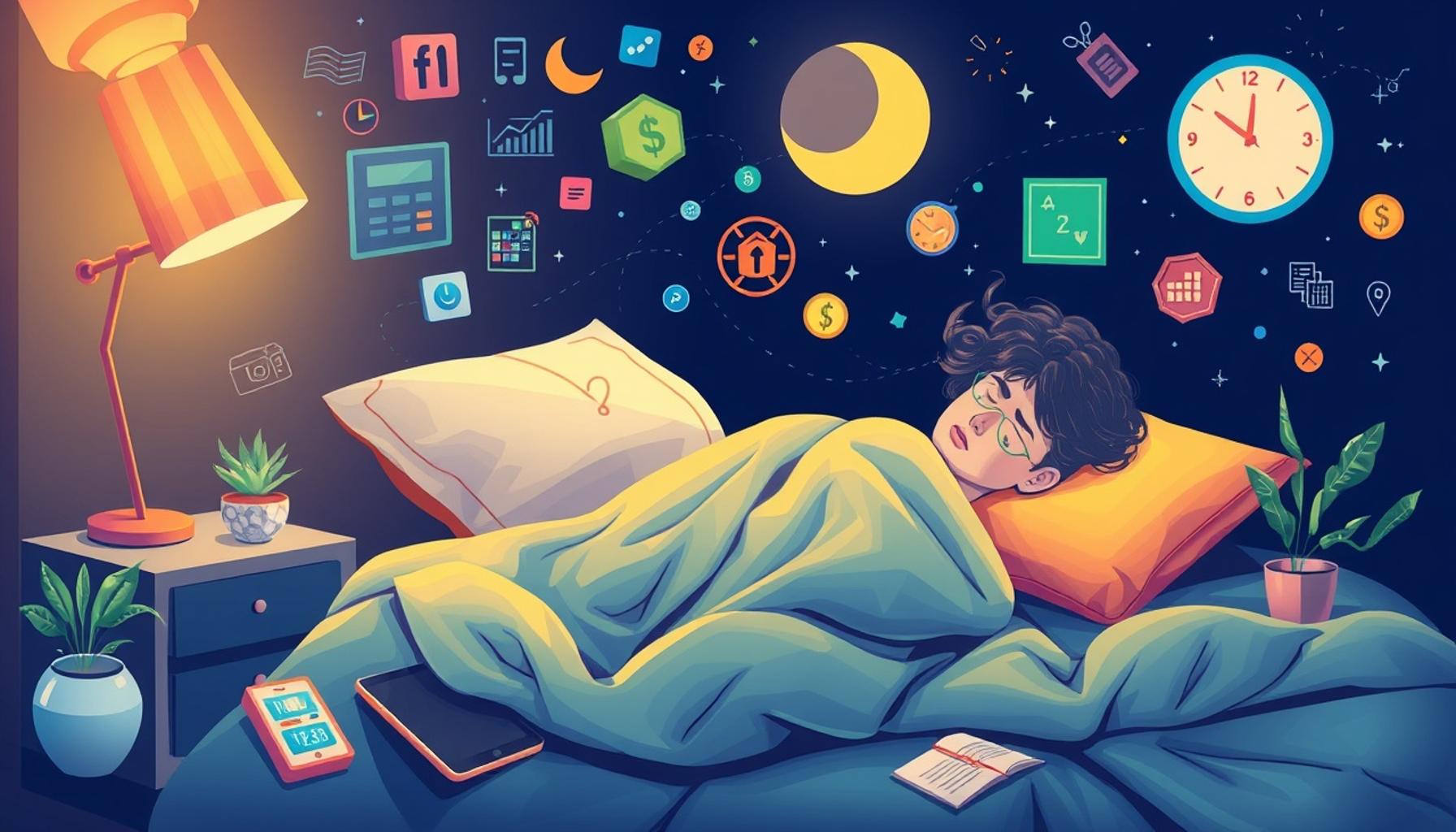
In a society where the hustle and bustle of daily life can often overshadow the basic human need for rest, sleep hygiene emerges as a critical component of overall health. Improving one’s sleep hygiene involves creating an environment and routine conducive to restful sleep. As awareness of the importance of sleep deepens, many Americans are turning to technology to address their sleep challenges.
The Role of Technology in Sleep Improvement
The proliferation of sleep-related technology has opened a realm of possibilities for achieving better rest. Various innovative tools are available, each devised to monitor and improve sleep quality. These include:
- Sleep tracking: Devices like smartwatches and sleep trackers record data on your sleep patterns, including how long you spend in each stage of sleep—light, deep, and REM. By understanding these cycles, users can identify patterns that help or hinder restorative sleep.
- Sound analysis: Many apps analyze surrounding noises that could be disrupting your sleep, such as sirens or traffic. For example, the Sleep Cycle app alerts users to patterns of disturbances, allowing for tweaks in their sleeping environment.
- Sleep coaching: AI-driven applications such as Calm and Headspace offer personalized tips based on the user’s sleep data. These recommendations often include mindfulness techniques, relaxation exercises, and lifestyle changes tailored to improve sleep quality.
- Alarm customization: Intelligent alarm apps wake you up during a lighter sleep phase, making mornings less jarring. This feature can significantly improve how you feel upon waking and contribute to a more refreshing start to the day.
The American Sleep Crisis
The current landscape reveals that many Americans are struggling with sleep. According to the Centers for Disease Control and Prevention (CDC), about one in three adults doesn’t get enough sleep on a regular basis, contributing to a myriad of health issues, ranging from obesity to mental health disorders. This alarming statistic underscores the importance of incorporating technology into our nightly routines.
The integration of health-focused applications and wearables reflects a growing recognition that quality sleep is not merely a luxury but a necessity. Individuals are becoming more proactive about their sleep habits, using technological insights to fine-tune their sleep environments and routines, which can yield substantial benefits for their physical and mental well-being.
As we delve deeper into the myriad applications and devices enhancing sleep hygiene, it becomes evident that leveraging these technological innovations can significantly reshape our approach to rest and recovery. Stay tuned to discover practical applications designed to empower individuals on their journey toward achieving restorative sleep.
Embracing Technology for Better Sleep Hygiene
As the conversation around health and wellness evolves, a notable trend has emerged: the integration of technology into our nightly routines. The role of technology in sleep hygiene is increasingly significant, providing tools that help individuals monitor, evaluate, and improve their sleep patterns. With the launch of sophisticated sleep-enhancing applications and devices, improving sleep quality is more achievable than ever.
Popular Sleep Tracking Devices
One of the most transformative technologies is sleep tracking devices. Wearables such as smartwatches or specialized sleep rings capture a wealth of data during the night, allowing users to gain insights into their sleep cycles. These devices often monitor:
- Sleep duration: The total number of hours spent asleep, crucial for understanding whether you’re meeting the recommended 7-9 hours for optimal health.
- Sleep quality: An assessment of how restful your sleep is, often indicated by the percentage of time spent in various sleep stages.
- Heart rate variability: Tracking heart rate during sleep can offer insights into stress levels and recovery, contributing to a better overall understanding of physical health.
By providing a detailed analysis of these elements, users can recognize patterns and behaviors that contribute to both poor and restorative sleep experiences. Armed with this information, individuals can experiment with adjustments in their sleep hygiene routine, such as optimizing their bedtime or altering pre-sleep activities.
Smart Home Technology and Sleep Optimization
The capabilities of modern technology extend beyond wearables; smart home technology plays a critical role in enhancing sleep environments. Devices like smart thermostats can automatically adjust the temperature of a bedroom to ideal sleep conditions, which studies suggest can help induce deeper sleep. Similarly, smart lighting solutions enable gradual dimming, signaling to the body that it’s time to wind down, mimicking natural sunset patterns.
Moreover, noise-canceling devices and white noise machines can create an environment free from disruptive sounds, further supporting effective sleep hygiene. Many find that these enhancements contribute to establishing a relaxing bedtime routine, facilitating a smoother transition into restful sleep.
In a world inundated with information and distractions, leveraging these technological resources can be a game changer for sleep hygiene. The ability to monitor sleep metrics, coupled with smart home adjustments, empowers users to take charge of their nightly rest. As we continue exploring the multitude of innovative apps and devices available, it’s clear that technology serves not just as a guide but as a reliable partner on the journey towards better sleep hygiene.
The Advantages of Sleep Monitoring Technology
In today’s fast-paced world, technology has become an integral part of our daily lives, influencing everything from communication to health management. One area where technology has proven exceptionally beneficial is sleep hygiene. Utilizing apps and devices to monitor sleep can help individuals gain valuable insights into their nighttime habits, leading to improved rest and overall health. Below is a concise table outlining the advantages of this innovative approach.
| Category | Key Features |
|---|---|
| Sleep Tracking Apps | Monitor sleep patterns, provide insights on latency and quality, and offer personalized recommendations. |
| Wearable Devices | Provide real-time data on heart rate and movement; some even track blood oxygen levels to enhance understanding of sleep stages. |
| Smart Home Integration | Control environmental factors like light and temperature to create an optimal sleeping space. |
| Sleep Sound Machines | Help mask disruptive noises and promote relaxation with calming soundscapes to enhance sleep quality. |
Understanding your sleep patterns through these advanced technologies can empower you to make informed adjustments to your sleep hygiene practices. With the ability to track various aspects of sleep, users are encouraged to adopt better routines and explore methods to enhance their overall wellness.
The Impact of Sleep Apps on Sleep Hygiene
As the realm of technology expands, innovative sleep apps have emerged as critical tools that cater to our quest for better sleep hygiene. These applications are designed to be intuitive and user-friendly, allowing individuals to track sleep habits without investing in expensive hardware. With features that range from simple tracking to advanced analysis, sleep apps are paving the way for personalized sleep solutions tailored to individual needs.
Key Features of Sleep Apps
Many sleep apps incorporate advanced algorithms to provide comprehensive insights into how users sleep. Some notable features include:
- Smart Alarm Systems: These alarms analyze sleep cycles and wake users during the lightest stage of sleep, resulting in a more refreshed awakening. This is a stark contrast to traditional alarms that can jar an individual from deep sleep, leaving them groggy.
- Sleep Sounds and Guided Meditation: To enhance relaxation, many apps offer soothing sounds or guided meditation sessions that help users unwind before bedtime. These features can significantly reduce the levels of stress and anxiety, which are often barriers to restful sleep.
- Sleep Journals: Users can log activities, dietary habits, and emotional states that influence sleep quality. This reflection allows individuals to pinpoint factors that contribute to both restorative and poor sleep experiences.
According to recent studies, those who use sleep-tracking apps report a better understanding of their sleep patterns, leading to enhanced sleep quality. By enabling users to visualize trends over time, these apps facilitate behavioral changes aimed at improving rest.
Integrating Wearable Technology with Apps
Sleep apps work even more effectively when integrated with wearable technology. For instance, fitness trackers like Fitbit or smartwatches can sync with sleep apps to provide real-time monitoring and analysis of sleep data. This convergence of technology allows for a more holistic look at sleep, combining physical metrics with psychological insights.
Moreover, some services now offer online community support, where users can connect with others who share similar struggles. Whether exchanging tips or simply offering encouragement, social support adds another layer to managing sleep hygiene. Engaging with a community can motivate individuals to stick to their sleep routines and seek advice based on collective experiences.
Potential Downsides and Considerations
While the advantages of utilizing technology for sleep hygiene are numerous, potential downsides must also be considered. Overreliance on these apps and devices can lead to paranoia about sleep quality. Users might find themselves obsessively checking their sleep statistics, which can create performance anxiety around sleep. Health experts suggest using these tools as a supplement rather than a sole source of guidance.
Additionally, the blue light emitted by screens can be a significant disruptor of sleep. To mitigate this, many apps offer night mode settings or integrate with devices that adjust screen hue, promoting a healthier viewing experience close to bedtime. Striking a balance between leveraging technology for improved sleep while maintaining focus on natural sleep hygiene practices is essential for achieving optimal sleep health.
As we continue to explore the evolving landscape of technological innovations in sleep hygiene, it becomes evident that the advent of apps and devices provides newfound opportunities to enhance rest. With a plethora of tools available, there is a path forward for those seeking to reclaim their nightly rejuvenation.
Conclusion: The Future of Sleep Hygiene Through Technology
In an age where technology intertwines seamlessly with health and wellness, the role of sleep apps and wearable devices in promoting sleep hygiene has never been more pronounced. These tools empower individuals to take charge of their sleep patterns, offering insights that were once only accessible through clinical assessment. By utilizing features such as smart alarms, guided meditation, and data tracking, users can cultivate personalized strategies that enhance their nightly rest.
Moreover, the integration of online community support fosters an environment where shared experiences can lead to collective solutions, empowering users to tackle common sleep challenges together. While the benefits of utilizing technology for sleep hygiene are plenty, it remains essential to exercise caution against becoming overly reliant on these devices. Health experts advocate for a balanced approach, suggesting that technology should complement, rather than replace, traditional sleep hygiene practices like creating a conducive sleep environment.
As we continue to evolve our understanding of sleep and its impact on overall health, emerging technologies will surely introduce further customization and enhancements to our nightly routines. For those looking to improve their rest, the combination of mindful practices and technological assistance holds great promise. The stage is set for a revolution in sleep hygiene, one where proper rest is not just a wish but an achievable goal, waiting to be explored and experienced by all.