Tips for Creating a Safe and Comfortable Environment for Your Pet at Home
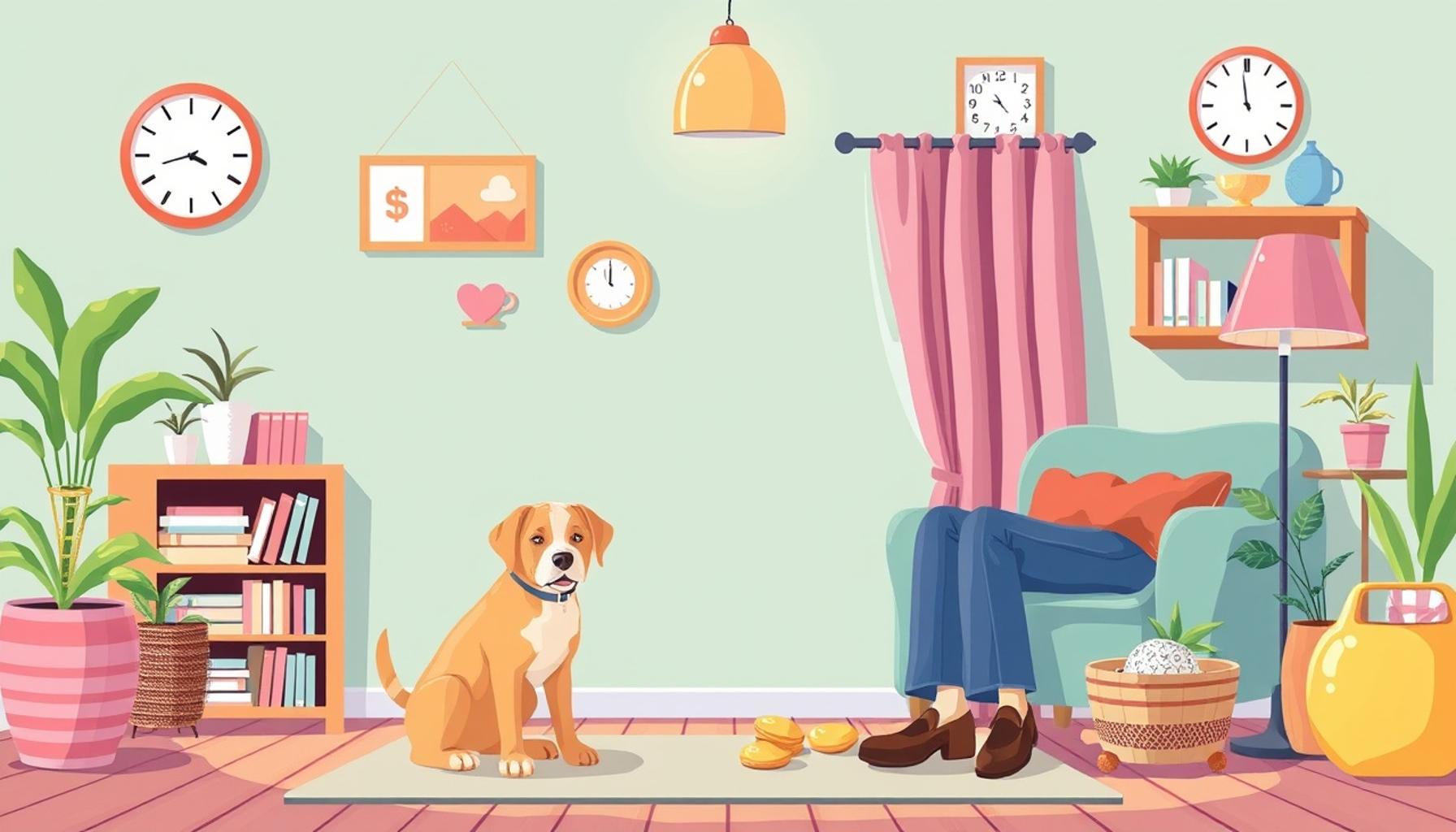
Creating a Safe Haven for Your Furry Friend
Transforming your home into a secure and cozy sanctuary for your pet begins with understanding their needs. Every pet has unique preferences and requirements, and recognizing these will allow you to create an optimal environment. By focusing on essential elements, you can foster a living space where they feel relaxed and protected. Adopting simple yet effective measures will not only enhance their well-being but also strengthen the bond you share with them.
Consider the Following Aspects:
- Safety First: Ensure your home is free from hazards like toxic plants, small objects that can be swallowed, and harmful chemicals commonly found in cleaning supplies. For instance, plants such as lilies, azaleas, and oleander can be fatal to pets if ingested. Regularly check your home for loose wires or small objects like coins and rubber bands, as these can lead to choking or gastrointestinal obstruction.
- Comfortable Spaces: Provide soft bedding and designated resting areas where your pet can retreat and relax. Consider getting multiple cozy spots, like a plush dog bed in the living room and a quieter area in a bedroom. Cats, in particular, appreciate high perches or enclosed spaces where they can observe their surroundings safely.
- Temperature Control: Ensure your home maintains a comfortable climate for your pet. During summer, keep the air conditioning running and provide plenty of water, while in colder months, set the heat at a temperature that maintains a cozy environment. Remember that pets can’t regulate their body temperatures as efficiently as humans.
It’s crucial to keep a close eye on the materials and products used in your home. Many common household items can pose risks to pets, making awareness of their potential dangers key to keeping them safe. Begin by evaluating items such as:
- Cleaning Supplies: Opt for pet-friendly cleaners that do not contain harmful chemicals. For instance, vinegar and baking soda can be effective, safe alternatives for cleaning various surfaces.
- Electrical Cords: Secure them to prevent chewing. Consider using cord covers, or running them along walls to minimize access. Chewed cords can not only cause disrupted electronics but also pose severe electrical shock risks.
- Furniture Arrangements: Create open spaces to avoid accidents. Positioning furniture strategically to minimize clutter can prevent your pet from injury and allow for unrestricted movement throughout your home.
Investing time in cultivating a secure and welcoming home can lead to happier, healthier pets. A pet-friendly environment not only enhances their quality of life but also minimizes stress for both you and your furry companion. In the following sections, we will dive deeper into specific tips and creative ideas to make your space truly pet-friendly. Let’s explore together how to ensure your pet thrives in their cherished home!
Understanding Your Pet’s Unique Needs
Creating a safe and comfortable environment for your pet starts with recognizing their unique traits and behavioral needs. Different species, breeds, and individual pets come with diverse requirements that should be taken into account. For instance, an active Labrador may need more space and stimulation compared to a calm Persian cat. Understanding these differences not only aids in keeping your pet safe but also enhances their overall happiness.
Establishing Safe Boundaries
Pet-proofing your home requires establishing boundaries that align with your pet’s behavior. Consider creating a dedicated area where your pet can explore freely without constant supervision. This can be achieved through the use of baby gates or pet pens, which can help keep your furry friend away from potentially hazardous spaces such as kitchens or staircases.
- Secure Windows and Balconies: If your pet enjoys lounging by the window, ensure that screens are securely fastened to prevent accidental falls. For higher balconies, consider adding barriers or netting to keep curious pets safe while allowing them to bask in the outdoors.
- Pet-Friendly Zones: Designate specific areas in your home for play and relaxation. This could include a comfy corner filled with soft pillows or an engaging play area with toys. By creating boundaries, your pet can develop a comforting routine that reinforces safe spaces.
Moreover, let’s not overlook the psychological aspect of your pet’s environment. Pets thrive on familiarity, so implement routines that provide security and predictability. Feeding times, walks, and play sessions should ideally occur at the same time each day. This sets a natural rhythm that can ease feelings of anxiety and helps your pet settle into a comfortable routine.
The Importance of Enrichment
To foster a stimulating and secure environment, consider investing in activities that engage your pet’s mind and instincts. Enrichment is vital for both physical and mental well-being. Here are some suggestions:
- Interactive Toys: Provide toys that challenge your pet mentally, such as puzzle feeders or treat-dispensing balls. These toys not only keep pets occupied but also encourage problem-solving skills.
- A Variety of Playgrounds: Cats enjoy vertical space, so consider cat trees and shelves for climbing. Dogs will appreciate obstacle courses set up in your backyard, giving them a safe area for exercise.
By incorporating these elements, you’re not only creating a physically safe space but also nurturing your pet’s emotional well-being. A stimulating environment can significantly reduce destructive behaviors resulting from boredom, leading to a harmonious home atmosphere where both pets and owners can thrive.
As you continue to explore ways to enhance your pet’s environment, remember that safety, comfort, and mental enrichment should always be at the forefront of your efforts. In the following sections, we will delve deeper into specific practices and products that can elevate your pet’s living experience to new heights.
| Category | Description |
|---|---|
| Environment Safety | Ensure your home is free from hazardous materials and small objects that pets could ingest. |
| Comfort Zones | Create cozy, designated areas for your pets to relax and feel secure. |
| Toxic Plants | Remove any plants that could be harmful to pets, like lilies or poinsettias, to avoid serious health issues. |
| Temperature Control | Maintain a comfortable temperature; use fans or heating as needed to prevent thermal stress. |
The environment in which your pet lives is crucial to their well-being. A well-thought-out approach can turn your home into a safe haven for your furry family members. It’s essential to start by identifying and eliminating any potential hazards lying around your home. Keep small items out of reach and securely store cleaners, chemicals, and tools to prevent accidents. Establishing comfort zones can greatly enhance your pet’s sense of security. Provide soft beds, familiar blankets, and even designated play areas where your pet can unwind and feel at ease. Moreover, be cautious about the plants you have indoors and outdoors, as certain varieties may be toxic to pets. Lastly, monitoring and regulating the temperature within your home is vital—keeping it comfortable will ensure your pets remain happy and healthy regardless of the season. Explore each of these suggestions further to create the perfect environment for your beloved pets.
Creating Comfortable Spaces for Relaxation
After addressing safety and stimulation, it’s crucial to shift focus to ensuring that your pet has a cozy space to relax and unwind. Just like humans, pets benefit from having their own designated areas where they can retreat when they feel fatigued or overwhelmed. A calm space not only supports their emotional well-being but also enhances your pet’s ability to cope with various environmental stresses.
Choosing the Right Bedding
The choice of bedding is instrumental in providing comfort. Look for washable, soft materials that conform to your pet’s body shape while providing adequate support. Both dogs and cats often prefer beds that feature bolsters or have a den-like feel, creating a sense of security. For larger breeds like Great Danes, orthopedic beds can alleviate joint pressure and enhance comfort. Research shows that animals with quality bedding display less anxious behavior and tend to settle more quickly.
Temperature Regulation
Temperature control is another essential aspect of creating a comfortable environment. Animals can be sensitive to temperature changes, so it’s important to maintain a comfortable climate within your home. Here are some tips to ensure your pet remains comfortable regardless of the season:
- Heating and Cooling: In the winter months, ensure that your pet is kept warm by providing heating pads or blankets in their resting areas. Conversely, during hot summer days, provide access to fans or cool shaded areas to prevent overheating.
- Draft-Free Zones: Strategically place your pet’s bed in a location that is free from drafts. Pets often seek warmer spots, so cozy areas away from windows and doors can create a soothing refuge.
Additionally, if you live in an area with extreme weather, consider investing in pet-safe climate control systems, such as heated beds or cooling mats, that allow for comfortable living conditions year-round.
Air Quality and Cleanliness
The air quality within your home plays a significant role in your pet’s comfort. Ensure that your home is free of toxins and irritants by regularly cleaning surfaces and vacuuming pet hair and dander. Regularly changing air filters in your HVAC systems can help maintain fresh air circulation. Natural air purifiers, such as specific houseplants, can also help improve the indoor atmosphere. However, be sure to choose pet-safe plants, as some common household plants can be toxic.
Odor Control: In addition to cleanliness, managing odors is critical for a comfortable pet environment. Utilizing air purifiers and odor-neutralizing sprays can keep your home fresh and inviting. Ensure you avoid harsh chemicals that can be harmful to pets. Opt for pet-friendly cleaning supplies to maintain a safe zone for all household members.
Social Engagement and Spending Quality Time
Lastly, an essential element to a comfortable home environment is consistency in social engagement. Pets are social creatures and thrive on interaction and connection with their human companions. Regular cuddle sessions, playtime, and leash-free exploration can significantly enhance your pet’s happiness and emotional health. Carving out time to bond and interact with your pet daily fosters a sense of security and love.
In crafting a cozy and nurturing habitat, these practices not only elevate your pet’s comfort but also contribute to a more peaceful household atmosphere. Adapting your living space to your pet’s needs enhances their quality of life, creating an inviting sanctuary for both you and your furry family members.
Conclusion
In conclusion, creating a safe and comfortable environment for your pet at home is a multifaceted endeavor that requires thoughtful consideration of various factors. By focusing on security measures, comfort elements, and emotional well-being, pet owners can significantly enhance their furry companions’ quality of life. From choosing the right bedding to ensuring proper temperature regulation and maintaining high air quality, every detail plays a critical role in cultivating a nurturing atmosphere.
Moreover, the importance of social engagement cannot be overstated. Regular interaction with your pet fosters a strong bond and reduces stress for both pets and owners alike. It’s essential to dedicate time to play, cuddle, and simply enjoy each other’s company, as these moments are vital for emotional stability.
Whether you have a high-energy dog that requires stimulation or a cat that prefers quiet spaces, understanding and catering to your pet’s unique needs will enable them to thrive. Furthermore, continuous education about safe products and practices is vital—perhaps investing in pet-safe cleaning supplies or researching the best natural air purifiers to minimize toxins in your home.
Ultimately, a well-thought-out environment not only amplifies your pet’s comfort and happiness but also fosters a harmonious household. By implementing these tips for creating a safe and comfortable environment, you are taking significant steps toward nurturing the physical and emotional health of your beloved companions—a commitment that will undoubtedly be returned to you through their loyalty and affection.