Tips for Daily Care to Maintain Pet Dental Health

Understanding the Importance of Pet Dental Health
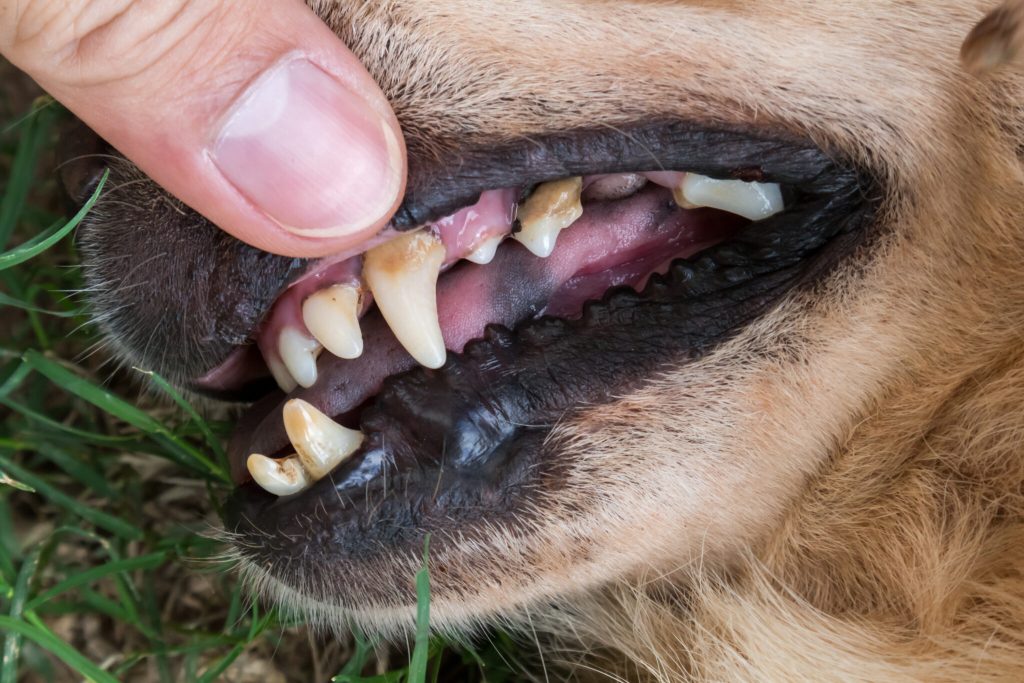
When it comes to pet ownership, many focus on feeding, exercise, and grooming, often overlooking dental health. However, neglecting your pet’s dental hygiene can have serious implications. Just like in humans, poor dental care can lead to periodontal disease, tooth loss, and can even increase the risk of heart, liver, and kidney problems. With statistics showing that approximately 80% of dogs and 70% of cats exhibit signs of oral disease by the tender age of three, the necessity for preventive dental care is more apparent than ever.
Maintaining your pet’s oral hygiene is not just a chore; it’s an investment in their overall health and well-being. By understanding the factors contributing to dental problems, pet owners can proactively combat issues before they arise. For instance, the buildup of plaque can lead to tartar and calculus, often resulting in painful infections and expensive veterinary bills. Regular dental care can help alleviate such risks.
Simple Steps for Effective Dental Care
Integrating dental hygiene into your pet’s daily routine doesn’t have to be daunting. Here are some simple yet highly effective tips:
- Daily Brushing: Aim to brush your pet’s teeth daily with pet-safe toothpaste. Just a few minutes a day can make a world of difference. Use a soft-bristled toothbrush or a finger brush designed specifically for pets.
- Dental Chews: Provide dental treats that help reduce plaque and tartar buildup. Look for products that have the Veterinary Oral Health Council (VOHC) seal of approval, as these have been shown to effectively promote dental health.
- Regular Vet Visits: Schedule annual dental check-ups to catch issues early. Your veterinarian can perform professional cleanings and identify early signs of dental disease, which can save your pet from pain and prevent more serious health problems.
- Fresh Water: Ensure your pet has access to clean water throughout the day. Fresh water can help wash away food particles and bacteria, promoting better oral health.
By incorporating these steps into your pet’s routine, you not only encourage a healthier mouth but also contribute significantly to their longevity and happiness. Many pet owners have reported noticeable improvements in their pets’ energy levels and overall demeanor simply by improving their dental care practices.
Ultimately, taking proactive steps toward maintaining your pet’s dental health will pay off in the long run. By fostering a culture of regular dental care, you’re ensuring your beloved companion leads a happier, healthier life, free from the pain and complications of dental disease. Moreover, your efforts will be rewarded with plenty of wagging tails and happy purrs!
Daily Dental Care: The Building Blocks of Healthy Teeth
Creating a routine that prioritizes your pet’s dental care may seem overwhelming at first, but it can be seamlessly integrated into your daily activities. The key to effective pet dental health lies in consistency and engagement; when you make dental care enjoyable and straightforward, it transforms from a chore into a bonding experience. Here are some practices to incorporate into your daily routine:
- Start Early: If you have a young pet, it’s best to introduce dental hygiene early. This familiarizes them with the process and helps them adapt to having their teeth brushed without fear. If your pet is older, don’t fret; with patience, you can still introduce them to brushing.
- Choose the Right Gear: Invest in a high-quality toothbrush and toothpaste designed specifically for pets. Human toothpaste can be harmful to animals due to its fluoride content, so always opt for pet-safe alternatives.
- Make it Tasty: To encourage your pet’s cooperation, you can lightly coat the toothbrush with a dab of toothpaste. Familiarizing them with the flavor can make them more willing participants in the process.
- Positive Reinforcement: Reward your pet after a dental care session. Treats, praise, and playtime can motivate them to look forward to their brushing routine.
Beyond brushing, there are other daily habits that can significantly enhance your pet’s dental hygiene. Encouraging chewing is a natural way for pets to clean their teeth while simultaneously exploring flavors:
- Encourage Chewing: Offer safe chew toys or dental bones. Chewing not only helps in keeping teeth clean but also promotes healthy gums, contributing overall to their dental care regimen.
- Monitor Diet: Carefully consider your pet’s diet. Opting for high-quality, dry food can help reduce plaque build-up compared to wet food. Some commercial diets are specifically formulated to enhance dental health.
- Use Dental Water Additives: These products can be added to your pet’s water bowl to help reduce plaque and freshen breath. However, always consult your veterinarian before introducing new products into your pet’s care routine.
Proactively taking these steps can generate extraordinary benefits for your pet’s health. Not only can regular dental hygiene improve breath and reduce dental diseases, but it can also prevent more severe health issues impacting your pet’s heart or other organs. Providing your furry friend with the care they need ensures that you enjoy a long companionship rooted in health and happiness.
Maintaining your pet’s oral hygiene should be a shared responsibility that reinforces your bond while simultaneously ensuring their overall well-being. With just a few minutes daily, you can make a significant impact, keeping your pet’s teeth shining bright and their health in prime condition.
Tools and Accessories for Pet Dental Care
To effectively maintain your pet’s dental health, investing in the right tools is essential. A variety of products are designed specifically for pet oral hygiene.
Toothbrushes and Toothpaste
Selecting a toothbrush specially designed for pets is crucial. These toothbrushes often have softer bristles and angled heads, making it easier to reach all areas of your pet’s mouth. Pet-safe toothpaste is equally important, as human toothpaste can be harmful to animals due to its fluoride content. Look for options that contain safe ingredients and come in flavors appealing to your pet, such as chicken or beef.
Dental Chews and Toys
Incorporating dental chews and toys into your pet’s routine can significantly aid in plaque reduction. These products are designed to encourage chewing, which naturally cleans teeth and gums. Regular chewing can help break down food particles and plaque, providing a simple yet effective way to complement a brushing routine.
| Category | Advantages |
|---|---|
| Regular Brushing | Prevents tartar buildup and reduces the risk of gum disease. |
| Using Dental Chews | Encourages natural chewing while removing plaque and promoting fresh breath. |
Routine Veterinary Checkups
In addition to at-home care, regular veterinary checkups are vital for your pet’s dental health. A professional cleaning allows for the thorough removal of tartar and assessment of your pet’s oral health. During these visits, your vet can provide tailored advice and suggest additional products that may benefit your pet’s specific needs.By implementing these practices, you can contribute significantly to your pet’s overall well-being. The mouth is the gateway to the body, and maintaining good dental hygiene is essential in preventing more serious health issues down the line.
Supplementary Care: Taking Dental Health a Step Further
In addition to creating a daily dental care routine, there are supplementary practices that can enhance your pet’s oral health even further. Pet owners may often overlook these additional measures, yet they can yield significant benefits for maintaining pet dental health in the long run. Here are some insightful methods you can adopt:
- Regular Vet Check-ups: Scheduling regular veterinary dental check-ups is crucial. Most veterinarians recommend a dental examination at least once a year. They can provide professional cleanings, evaluate your pet’s oral health, and detect any potential issues before they escalate. Remember, early detection is critical in preventing severe dental diseases.
- Consider Dental Treats: There are numerous dental care treats available on the market specifically formulated to promote oral health. These treats often have a texture that helps reduce plaque and tartar while refreshing breath. Look for products that have the Veterinary Oral Health Council (VOHC) seal of approval to ensure their effectiveness.
- Explore Chew Toys with Purpose: Not all chew toys are created equal. Choose toys that are designed to clean teeth and massage gums. Products made from rubber or nylon can provide a productive chewing outlet while also having dental benefits. Just be sure to choose chew toys that are appropriate for your pet’s size to prevent choking hazards.
- Utilize Dental Wipes: If your pet isn’t keen on brushing, consider using dental wipes as an alternative. These wipes can help remove plaque and food particles, providing a simplified solution for maintaining oral hygiene. They are especially convenient for pets that may be sensitive to toothbrushes.
Moreover, understanding your pet’s individual needs can facilitate a more personalized dental health strategy. Different breeds and sizes may have varying dental predispositions; for instance, small breeds often struggle with dental disease more than larger dogs due to their smaller mouths and crowded teeth. Tracking dental health issues can significantly aid in determining the necessary interventions.
Stay Educated & Engaged
Engaging with your local pet community can help broaden knowledge on pet dental health care. Consider attending workshops at pet stores or community centers that focus on animal care – these can provide valuable insights into new products and practices. Educational websites and forums are also great resources for tips and personal experiences shared by other pet owners.
Stay Informed about the signs of dental problems—such as bad breath, swollen gums, and difficulty chewing—and consult with your veterinarian at the first sign of a concern. Understanding the importance of oral health can also encourage preventative measures in daily life.
Ultimately, integrating a variety of practices into your daily pet care routine will ensure that your furry friend enjoys a healthy mouth and a happy life. With persistent efforts and an informed approach, maintaining your pet’s dental health not only serves their immediate needs but contributes to their long-term well-being.
Conclusion: Prioritizing Pet Dental Health for a Brighter Tomorrow
In summary, maintaining your pet’s dental health is a multifaceted responsibility that extends beyond simply brushing their teeth. As pet owners, we play an indispensable role in ensuring our furry companions enjoy a life free from dental discomfort and disease. By implementing a consistent daily dental care routine that incorporates simple practices such as regular brushing, the use of dental treats, and selecting appropriate chew toys, we can significantly improve oral hygiene. Moreover, engaging in supplementary steps like utilizing dental wipes and scheduling annual veterinary check-ups further fortifies our efforts.
It is essential to recognize the unique dental needs of each pet, as different breeds may have distinct predispositions to dental issues. Staying informed about the signs of dental problems ensures timely intervention, mitigating the risk of long-term health complications. Educating ourselves and connecting with the broader pet care community can also provide additional resources and tips that contribute to better oral health outcomes.
Ultimately, prioritizing dental care not only enhances your pet’s quality of life but can also lead to cost savings in future veterinary bills related to dental issues. By committing to these daily care tips, you are investing in your pet’s health and happiness, fostering a bond built on mutual love and trust. Take charge today; your pet deserves it.