Tips for Implementing Behavioral Training Routines for Pets with Special Needs

Understanding the Importance of Behavioral Training
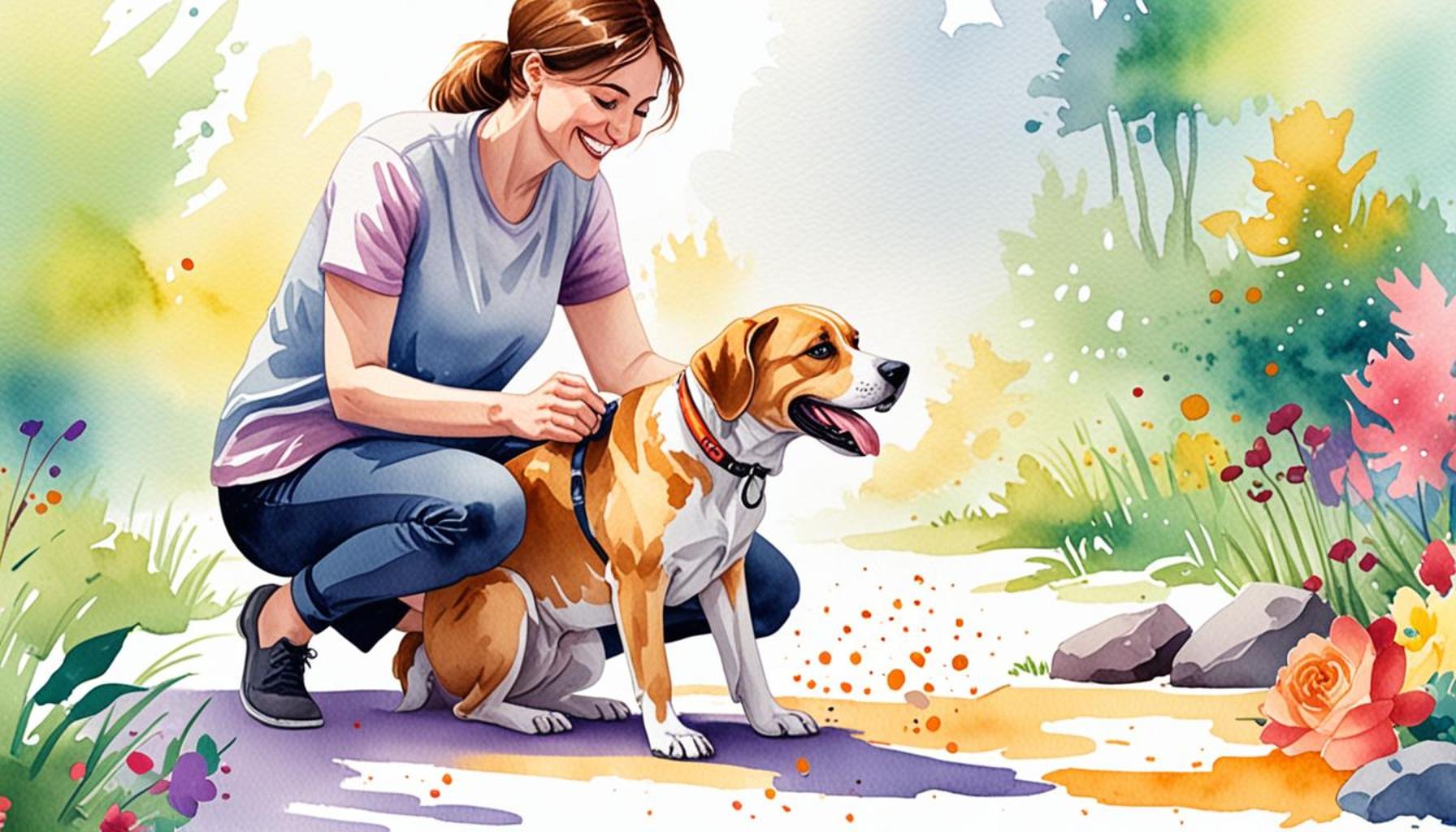
Training pets with special needs presents unique challenges and rewards. The right behavioral training routines can significantly enhance your pet’s quality of life. These methods not only help in fostering better communication but also deepen the bond between you and your pet. Recognizing the individuality of pets, especially those with special needs, is crucial for effective training. The goal is to ensure that pets feel secure and understood, which can lead to improved behavior and a happier household.
Adaptations for Special Needs Pets
Every pet is unique, particularly those with special needs. Implementing tailored strategies is essential in guiding them effectively. Consider the following aspects:
- Different Abilities: Each pet has varying capabilities based on their specific needs. For example, a dog with hearing impairment may require visual cues and signals instead of verbal commands, while a cat with mobility challenges might benefit from training that encourages them to navigate spaces safely.
- Training Environment: A distraction-free space is vital for effective focus during training. Creating a serene environment can involve minimizing noise, securing a comfortable area, and using calming scents like lavender to maintain tranquility for anxiety-prone pets.
- Patience and Consistency: Establishing a routine is not merely beneficial — it is essential. Repeated practice in short but frequent sessions helps reinforce learning. Setting realistic goals is equally important; for instance, if your dog struggles with basic commands, starting with just ‘sit’ or ‘stay’ for a few minutes daily can lead to gradual, long-lasting improvements without overwhelming them.
Benefits Beyond Training
Adopting behavioral training routines offers multiple advantages that can resonate well beyond the training sessions:
- Enhanced Communication: Engaging in training fosters a stronger understanding of each other’s needs and signals. This improved communication can lead to less frustration for both pet and owner, ultimately promoting a harmonious living environment.
- Increased Independence: Training isn’t just about learning commands; it helps pets develop essential skills that promote autonomy. For instance, teaching a dog to fetch items can support their engagement within the household and reduce reliance on human intervention.
- Better Socialization: Behavioral training prepares your pet for real-world interactions and various environments, such as parks, vet visits, or public gatherings. A well-socialized pet tends to exhibit more confidence and less anxiety in unfamiliar settings, contributing to a more enjoyable experience for both pets and their owners.
By delving deep into these tips, you’ll uncover strategies to create effective behavioral training routines tailored to the specific needs of your pet. Unlocking their potential starts right here, laying the foundation for a rewarding relationship that nurtures their abilities and enhances their overall well-being.
DIVE DEEPER: Click here to discover solutions
Customized Approaches for Effective Training
When it comes to implementing behavioral training routines for pets with special needs, customization is the key to success. Recognizing that each pet has distinct abilities and challenges will help you formulate strategies that resonate with their individual needs. Here are several methods to consider when tailoring your training approach:
- Utilize Positive Reinforcement: Reinforcement techniques, such as treats or praise, are particularly effective for pets with special needs. Positive reinforcement encourages desired behaviors without punishment, creating a more enjoyable learning experience. Understand what motivates your pet; for instance, some might respond better to tasty treats, while others might prefer toys or verbal compliments.
- Employ Visual and Tactile Cues: For pets with sensory limitations, incorporating visual or tactile signals can be invaluable. Use hand gestures for commands instead of verbal cues for a hearing-impaired dog, or consider using a soft harness to guide a visually impaired pet safely during walks. Adapting your signaling methods can significantly enhance their learning capacity.
- Break Down Commands: Simplifying commands into more manageable components can make a world of difference. For instance, if you’re training a dog to perform an action such as ‘roll over,’ breaking the behavior into smaller steps like ‘lie down’ and ‘turn’ allows them to grasp each aspect at their own pace. This incrementally builds their confidence.
- Consider the Timing: Being aware of your pet’s temperament is crucial in deciding the best time for training sessions. Some pets might be more receptive after a walk or playtime when they have burned off excess energy, while others may focus better during quieter moments. Observing your pet’s behavior can help identify their optimal training times.
Understanding the specific nuances of your pet’s special needs will drastically inform the training approach you adopt. For example, pets with anxiety may require additional calming techniques integrated into training sessions, such as using a soothing voice or incorporating breaks to ease their stress. The approach you take should naturally align with their well-being, leading to a more fruitful and loving training experience.
Gradual Progression Through Engagement
Training pets with special needs doesn’t dwell solely on the techniques employed; it significantly relies on sustaining engagement and fostering a love for learning. The act of training should be a rewarding interaction rather than a chore. Here are some suggestions for maintaining enthusiasm during training:
- Keep Sessions Short: Focusing on shorter, more frequent training sessions can prevent your pet from becoming overwhelmed. Aim for 5 to 10 minutes of concentrated training at a time, gradually increasing the duration as your pet becomes more comfortable with the routine.
- Incorporate Play within Training: Blending play with training creates a dynamic environment that can lead to better retention of learned behaviors. Use playtime as a reward after successful attempts to enforce a positive connection between behavior and enjoyment.
- Mix in Variety: Avoid monotony by introducing new tricks or changing up the environment occasionally. This keeps the training interesting and challenges your pet’s cognitive abilities, ensuring they remain engaged throughout the learning process.
Through these considerate adjustments to your training methods, you can embark on a journey that greatly enriches your pet’s life and strengthens the bond you share. Remember, the road might be a bit bumpier for pets with special needs, but with compassion and the right strategies, you can unlock their tremendous potential.
| Training Techniques | Expected Outcomes |
|---|---|
| Positive Reinforcement | Encourages desired behaviors through rewards. |
| Tailored Routines | Addresses individual needs, leading to effective learning. |
| Consistency in Commands | Establishes clear communication, reducing confusion. |
| Socialization Opportunities | Improves pet behavior by exposing them to various environments. |
| Engaging Activities | Stimulates mental development, enhancing overall well-being. |
When it comes to managing pets with unique needs, utilizing various training techniques can make all the difference in creating an optimal environment for their personal growth. Discovering the nuances of these methods not only aids in the development of a loving companionship but also enhances the quality of life for pets. A consistent approach to behavioral training routines ensures that your pet grasps commands effectively, fostering a deeper understanding between you and your pet. Integrating positive reinforcement as a key training technique opens the door for more effective learning experiences, allowing pets to associate good behavior with enjoyable rewards. Tailoring each routine to the specific challenges your pet faces accommodates their unique circumstances and reinforces the training process.In addition, incorporating socialization opportunities into daily routines can significantly enhance how pets respond to different situations, helping them adapt to the world around them. Engaging activities not only offer mental stimulation but also foster creativity, ensuring pets remain active, happy, and thriving.
DISCOVER MORE: Click here for insights on veterinary telemedicine
Building Consistency and Routine
Establishing consistency in training routines is essential for pets with special needs. A predictable environment and schedule help these animals feel secure and can lead to more effective learning outcomes. Here are some strategies to enhance consistency in your training efforts:
- Regular Training Schedule: Allocate specific times each day for training. Consistent practice reinforces learning and allows your pet to anticipate these sessions. Whether it’s morning walks or evening playtime, having a routine helps your pet understand what to expect, making them more relaxed during training.
- Use Consistent Commands: Consistency in language is crucial. When teaching commands, use the same word or phrase every time. For instance, if you choose “sit” rather than alternately saying “sit down” or “sit please,” your pet will associate the specific command with the desired action more quickly, minimizing confusion.
- Involve Family Members: If you live with others, ensure that everyone is on board with the training techniques being used. Consistency from multiple caregivers can lead to stronger results. Everybody should use the same cues and rewards to create a unified training strategy that helps your pet stay focused and engaged.
These steps foster an environment where learning can flourish. A pet with special needs may demonstrate improved behavior more reliably once they grasp the patterns established in their daily life.
Adapting to Changes and Challenges
Even with the most thoughtful plans, challenges will arise. It is important to stay flexible and adaptive to your pet’s evolving circumstances. Here are methods to help you navigate through these hurdles:
- Be Patient with Setbacks: Behavioral training is rarely a linear process. There may be moments of regression or slow progress, especially if your pet faces stress or illness. Recognize that these fluctuations are part of the learning journey and remain calm and supportive. Taking a step back to reinforce previous commands might help reestablish confidence.
- Monitor Health and Environment: Physical health can significantly impact behavior. Regular veterinary check-ups and observations of environmental factors like loud noises or new pets can help identify stressors. If your pet seems distracted or anxious, consider adjusting the training location or time to accommodate their comfort level.
- Utilize Professional Help: Don’t hesitate to consult with professionals if you feel overwhelmed. Animal behaviorists or trainers experienced in special needs pets can offer guidance tailored to your pet’s unique challenges, whether those involve specific behavioral issues or anxiety management strategies.
When faced with hurdles, remaining optimistic and proactive can lead to a more effective training experience. Accept that there will be ups and downs, and use each moment as an opportunity to learn more about your pet’s needs.
Engaging the Senses
For many pets with special needs, the world around them can be overwhelming or under-stimulating. Engaging their senses can act as an enhancement to your training routine. Here are some effective ways to incorporate sensory engagement:
- Incorporate Enrichment Activities: Sensory activities such as puzzle toys or scent trails can break up routine training sessions. These practices allow pets to explore their environment and solve problems in a way that intrigues them and builds confidence.
- Use Music or Sound Therapy: Some pets may respond positively to calming music or familiar sounds. Soft background music can help reduce anxiety during training or create a more relaxed atmosphere that aids concentration.
- Introduce Novel Items: Occasionally introducing a new toy or object can pique your pet’s curiosity. Using a new item as a reward or distraction can keep training sessions fresh and exciting, drawing in their focus more easily.
By embracing these sensory engagement practices, you can help your pet with special needs discover new dimensions of learning and play, ultimately enhancing their behavioral training experience. Each of these strategies can cultivate a more comprehensive approach that not only addresses training but fosters a deeper connection between you and your pet.
DISCOVER MORE: Click here to learn about balanced nutrition for pets
Conclusion
Implementing behavioral training routines for pets with special needs requires a blend of patience, creativity, and commitment. As mentioned throughout this article, establishing a consistent routine is paramount, allowing your pet to thrive within a stable environment. By setting a regular training schedule, using consistent commands, and involving all family members, you create a clear framework that can significantly enhance your pet’s learning and confidence.
Moreover, adapting to the inevitable changes and challenges that arise along the way is essential. Recognizing that setbacks are a natural part of the training process helps maintain a positive atmosphere. By monitoring your pet’s health and environment and seeking professional help when needed, you can effectively navigate obstacles that may impede progress.
Incorporating sensory engagement strategies, such as enrichment activities and sound therapy, further enriches the training experience, providing your pet with avenues to explore while reinforcing skills. This approach not only fosters better behavior but also facilitates a stronger bond between you and your pet, making training sessions enjoyable and fulfilling.
In conclusion, the journey of training a pet with special needs is as rewarding as it is challenging. By staying informed and employing these tips, you can significantly improve your pet’s quality of life and create a harmonious relationship built on trust and understanding. Embrace the journey, celebrate the small victories, and know that every effort counts in making a difference in your pet’s life.